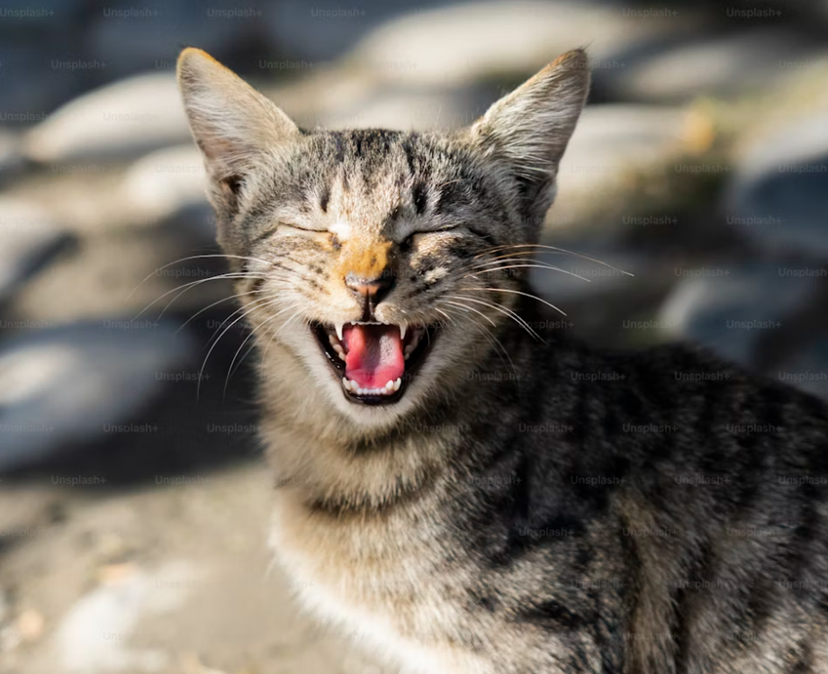
If you’re noticing your feline companion turning up their nose at food, you may be asking yourself, “Why is my cat not eating?” A decrease or complete loss of appetite in cats, also known as anorexia, is a serious concern that can indicate anything from mild stress to serious health conditions. Cats rely heavily on proper nutrition to maintain their energy, immunity, and organ health, so identifying the cause of inappetence promptly is critical.
Common Reasons Cats Stop Eating
There are several reasons a cat might stop eating. Understanding the underlying cause is key to addressing the issue effectively.
1. Medical Issues
Health problems are the most serious causes of decreased appetite in cats. Conditions like kidney disease, liver disease, dental problems, gastrointestinal issues, and infections can make eating painful or uncomfortable. Additionally, systemic illnesses such as hyperthyroidism or diabetes may alter your cat’s appetite. If your cat suddenly stops eating or shows other symptoms like vomiting, lethargy, or weight loss, it’s essential to consult a veterinarian immediately.
2. Stress and Anxiety
Cats are sensitive animals. Changes in their environment, such as moving homes, introducing new pets, or remodeling, can cause stress and lead to a decreased appetite. Even subtle disruptions like new furniture or changes in feeding location can impact a cat’s willingness to eat. Behavioral issues may also manifest in the form of food refusal, making it important to consider both physical and emotional factors.
3. Food Preferences or Changes
Cats are notorious for being picky eaters. A sudden change in diet, flavor, or brand can trigger refusal to eat. Wet food vs. dry food preferences, the temperature of the meal, or even the type of bowl can influence your cat’s eating habits. Sometimes, cats may stop eating because they associate certain foods with discomfort, such as digestive upset, which can create a lasting aversion.
4. Dental Problems
Dental pain is a common reason cats stop eating. Issues like tooth decay, gingivitis, or abscesses can make chewing extremely painful. If your cat struggles to eat dry food but shows interest in softer meals, dental problems may be the cause. A veterinarian can examine your cat’s teeth and recommend treatments to alleviate discomfort and restore normal eating.

Are you finding this article useful? Would you like 100% free access to more articles like these, and free access to over 5,000 vetted pet care service professionals throughout the United States? Sign up here for a free Petworks account, and we’ll email you a 10% discount code, good towards your first pet care services booking on Petworks!
5. Illness-Related Nausea
Nausea is another frequent culprit behind food refusal. Cats experiencing nausea may drool excessively, lick their lips, or vomit after eating. Nausea can be caused by kidney disease, liver problems, gastrointestinal disorders, or even certain medications. Identifying and treating the underlying cause is crucial for restoring your cat’s appetite.
Signs Your Cat May Not Be Eating Enough
Recognizing the signs of reduced food intake is important for timely intervention. Some indicators include:
-
Weight loss or visible thinning
-
Lethargy or decreased activity
-
Vomiting or diarrhea
-
Hiding or withdrawal from social interaction
-
Changes in grooming habits
 If you notice any of these symptoms alongside food refusal, it’s essential to seek professional advice. Cats can develop serious complications, such as hepatic lipidosis (fatty liver disease), if they stop eating for more than 48 hours.
What You Can Do at Home
While medical evaluation is important, there are steps you can take at home to encourage your cat to eat:
1. Offer Appealing Foods
Try offering your cat small portions of highly palatable foods, such as wet food, tuna, or chicken. Warm the food slightly to enhance aroma, which can entice cats to eat. Avoid sudden changes in diet; instead, gradually transition to new foods by mixing small amounts with their current meals.
2. Ensure a Calm Feeding Environment
Stress can significantly affect your cat’s appetite. Feed your cat in a quiet, safe location away from other pets or loud activity. Make sure the feeding area is clean, and the food and water bowls are easily accessible. Some cats prefer elevated feeding stations or separate bowls to feel secure while eating.
3. Maintain a Consistent Routine
Cats thrive on routine. Feeding them at the same times daily can help reinforce healthy eating habits. Avoid free-feeding if your cat is prone to selective eating, as scheduled meals encourage consistent appetite and proper portion control.
4. Hydration Matters
Sometimes, cats reduce food intake when they are dehydrated. Ensure fresh water is always available and consider adding water to wet food to increase fluid intake. Some cats prefer running water, so a cat fountain can also stimulate both drinking and interest in food.
5. Monitor and Document Behavior
Keeping a record of your cat’s eating habits, preferences, and any changes in behavior can provide valuable information to your veterinarian. Note how often they eat, what foods they prefer, and any symptoms like vomiting, diarrhea, or lethargy.
When to Consult a Veterinarian
Persistent lack of appetite in cats is never something to ignore. If your cat stops eating for more than 24–48 hours, consult a veterinarian immediately. Early intervention can prevent serious health complications, including liver failure or dehydration. A veterinarian may perform diagnostic tests such as blood work, X-rays, or ultrasounds to determine the root cause of the issue.
Veterinarians may also recommend appetite stimulants, special diets, or dental treatments depending on the underlying cause. In some cases, working with a certified animal behaviorist can help address stress-related eating problems, particularly if your cat’s refusal is due to anxiety or environmental changes. You may also want to consult with a cat nutritionist.
“If your cat won’t eat, the first step is to observe for other symptoms. Check the litter box to see if your cat is still urinating and defecating,” says Dr. Glenn Haberle at Firehouse Round Rock. “Unlike dogs, who might skip a meal here and there, cats don’t usually stop eating. Take any changes in your cat’s eating behavior seriously and act quickly.”
Preventive Measures to Encourage Healthy Eating
Preventing appetite issues in cats involves proactive care:
-
Regular veterinary check-ups to detect health issues early
-
Maintaining a consistent feeding schedule
-
Offering a balanced diet tailored to your cat’s age, health, and preferences
-
Reducing stress in your cat’s environment by providing hiding spaces, vertical perches, and enrichment activities
-
Monitoring dental health through regular cleanings and check-ups
By staying attentive and responsive to your cat’s needs, you can significantly reduce the risk of prolonged anorexia and ensure your feline remains healthy and active.
The Role of Professional Guidance
Sometimes, food refusal goes beyond what home remedies can fix. Professional help from veterinarians, animal behaviorists, or nutritionists can provide personalized strategies to improve your cat’s appetite. They can identify hidden medical issues, recommend diet adjustments, and offer behavioral interventions to reduce stress-related eating problems.
For cat owners searching online for answers, the question “Why is my cat not eating?” can be overwhelming. Platforms like Petworks make it easier to connect with experienced professionals who can assess your cat’s condition, offer advice, and schedule consultations, often virtually, so your cat receives timely care.
Asking “Why is my cat not eating?” is the first step in addressing a potentially serious health concern. While minor dietary preferences or stress may be the cause, underlying medical issues must be ruled out promptly. Observing your cat’s behavior, maintaining a calm feeding routine, offering appealing food, and seeking professional guidance are all crucial steps to restore healthy eating habits. Your cat’s nutrition directly impacts their overall health, energy, and quality of life, making timely intervention vital.
About Petworks
 In 2021, Dr. Marty Goldstein DVM joined the pet care platform Petworks as an advisor in its Animal Nutrition care division. Dr Marty Nature’s Blend is on a mission to help your pets live their healthiest lives possible. Dr. Marty’s pet nutrition expertise and guidance has helped Petworks evolve and become the preeminent animal and pet nutrition consultation service for pet parents in North America.
 In 2022, Blue Buffalo Founder Bill Bishop Jr. joined Petworks as Senior Advisor in our Animal Nutrition Care Division. Bill brings his extensive expertise in pet food innovation and business leadership. His guidance helps Petworks enhance our pet nutrition service offerings, helping to ensure that pet parents throughout the world receive trusted, science-backed nutritional support for their dogs, cats, and animals.
About The Author
 Petworks Co-Founder Kevin Kinyon is a life-long animal lover who works tirelessly to improve the lives of pets and their parents. Human and animal qualities he values most are integrity, humor, and empathy.

 petworks tm