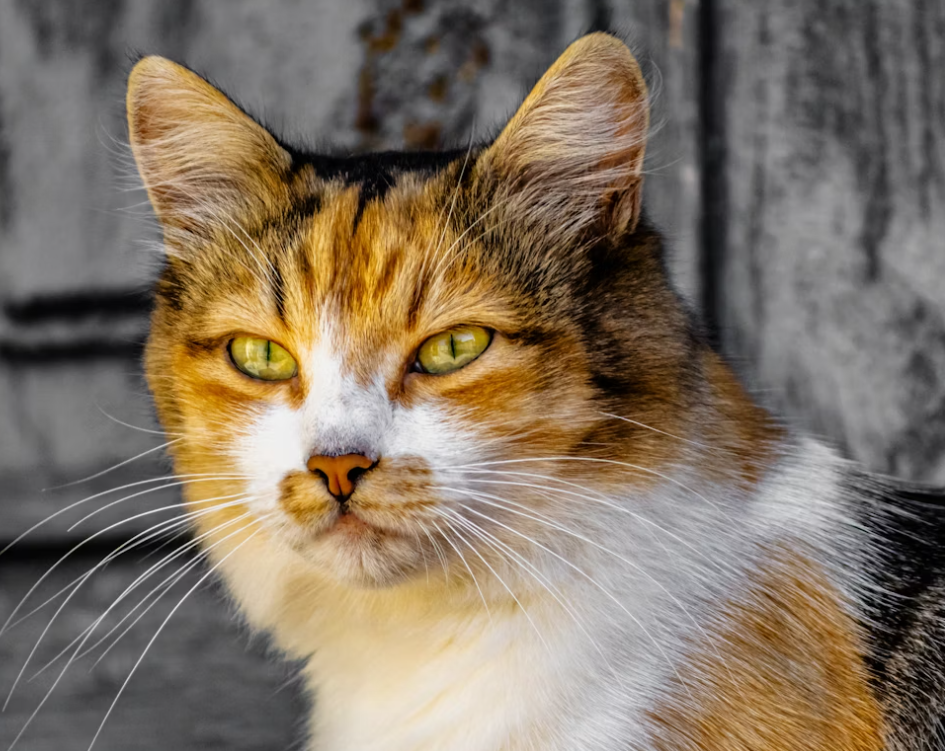
If you’ve ever wondered what your cat’s ears are trying to tell you, you’re not alone. Feline body language is subtle but deeply expressive. And one of the most important indicators of a cat’s emotions and intentions is ear movement. Understanding cat ear position meaning can help you strengthen your bond with your cat, improve communication, and even spot signs of stress or illness before they escalate.
In this guide, we’ll break down what different ear positions mean in cat body language, how to interpret them in context, and what your cat’s ears reveal about their mood and wellbeing.
🐾 Why Ear Position Matters in Cat Communication
A cat’s ears are like emotional antennas, constantly swiveling, twitching, and rotating to capture sounds and express feelings. Cats have 32 muscles in each ear, allowing them to move independently up to 180 degrees. These movements aren’t just about hearing; they’re part of an intricate body language system that communicates comfort, fear, curiosity, aggression, or affection.
Unlike dogs, cats tend to communicate more subtly. Small changes in cat ear position meaning can shift the message from relaxed to annoyed, or from curious to cautious. Recognizing these cues helps pet parents respond appropriately, keeping interactions calm and positive.
🐈 Ears Forward: Alert, Curious, and Engaged
When your cat’s ears are pointed forward, it usually signals curiosity or interest. You might notice this position when your cat hears a noise, spots a bird outside, or focuses on a toy.
Meaning:
-
Alert and focused
-
Interested in something
-
Feeling confident or playful
Example:
If your cat’s ears are forward while crouched and eyes wide, they may be preparing to pounce, whether on a feather wand or a stray sock.
Tip:
Forward-facing ears paired with a relaxed body indicate curiosity and engagement. If those same forward ears accompany tense muscles or a fixed stare, your cat might be hunting or guarding territory.
🐾 Ears Sideways: Unsure or Overstimulated
Sideways or “airplane ears” (where the ears tilt outward or sideways) often suggest uncertainty or overstimulation. It’s a common position when a cat feels conflicted, torn between curiosity and caution.
Meaning:
-
Mild anxiety or confusion
-
Feeling cautious
-
Ready to retreat if needed
Example:
During petting, if your cat’s ears begin to turn sideways, it’s a sign they might be getting overstimulated. Cats who love affection one moment can become overwhelmed the next. And this subtle ear shift warns you to give them space.
Tip:
When you see ears go sideways, pause the interaction. Respecting this signal helps prevent defensive feline behaviors like swatting or biting.

Are you finding this article useful? Would you like 100% free access to more articles like these, and free access to over 5,000 vetted pet care service professionals throughout the United States? Sign up here for a free Petworks account, and we’ll email you a 10% discount code, good towards your first pet care services booking on Petworks!
😾 Ears Back or Flattened: Fear, Aggression, or Stress
Flattened ears…either pressed tightly against the head or turned back, are one of the most important signals in cat ear position meaning. This defensive posture protects sensitive ear tissue in case of conflict. It’s your cat’s way of saying, “I’m scared,” or “Back off.”
Meaning:
-
Fearful or threatened
-
Angry or defensive
-
Experiencing pain or anxiety
Example:
You may see ears pinned back when your cat encounters a new pet, hears the vacuum, or is cornered during a vet visit. In multi-cat households, flattened ears can precede hissing or fighting.
Tip:
Never scold or approach a cat with flattened ears. Instead, give them space, speak softly, and remove any stressors if possible. Recognizing fear early helps avoid escalation and builds trust.
😺 Ears Relaxed or Neutral: Calm and Content
When your cat’s ears rest in a natural, upright but relaxed position, it signals comfort and confidence. This is the neutral setting for a happy cat.
Meaning:
-
Calm and at ease
-
Feeling safe and secure
-
Comfortable in their environment
Example:
You’ll see this when your cat is lounging, grooming, or dozing in a sunny spot. Relaxed ears combined with slow blinking and purring are signs of a truly content feline.
Tip:
This is the perfect moment to reinforce positive associations. Gentle petting, quiet interaction, or a treat can strengthen the bond when your cat is in this mood.
🐾 Ears Twitching or Rotating Constantly: Alert or Anxious
If your cat’s ears are rapidly twitching or rotating back and forth, they’re processing multiple sounds at once. Cats have incredibly sensitive hearing and can pick up high-frequency noises humans miss, such as electronic hums or distant footsteps.
Meaning:
-
Heightened alertness
-
Listening to something specific
-
Possible irritation or nervousness
Example:
Your cat might twitch their ears while sitting near an open window or when guests visit. If this happens alongside a tense body or dilated pupils, it could indicate anxiety or sensory overload.
Tip:
Provide a quiet, safe retreat when your cat shows this behavior, especially during loud events like thunderstorms or parties.
🩺 When to Worry About Ear Position Changes
Sometimes a change in cat ear position meaning isn’t emotional — it can signal a medical issue. If your cat consistently holds one ear lower than the other, shakes their head frequently, or scratches excessively, it may indicate:
-
Ear infection or mites
-
Allergies
-
Foreign object or injury
-
Balance issues (inner ear problems)
If your cat’s ears seem sensitive to touch or emit an odor, schedule a vet visit. Health-related ear problems can quickly worsen without treatment.
💬 Reading Ears in Context: The Full Body Language Picture
Ears alone don’t tell the whole story. For accurate interpretation, look at your cat’s entire body language — tail, eyes, whiskers, and posture all work together.
Here’s a quick guide to combining cues:
| Ear Position | Tail | Eyes | Meaning |
|---|---|---|---|
| Forward | Up or softly curved | Normal pupils | Curious, happy |
| Sideways | Low or flicking | Watchful | Unsure, overstimulated |
| Back/Flat | Puffed or tucked | Dilated pupils | Fearful or aggressive |
| Relaxed | Gently moving | Slow blinking | Calm, trusting |
Observing these combinations over time helps you decode your cat’s personality and emotional range more accurately.
❤️ Strengthening Your Bond Through Understanding
Interpreting cat ear position meaning isn’t just about curiosity. It’s about connection. When you understand your cat’s subtle signals, you respond more appropriately to their needs. This leads to a calmer home environment, reduced stress, and deeper trust between you and your feline friend.
Cats who feel heard (and respected) are more likely to show affection and confidence. Over time, your attentiveness builds a silent language of mutual understanding. One that goes far beyond words.
🐾 Quick Recap: Cat Ear Position Meaning Chart
| Ear Position | Emotion / Message |
|---|---|
| Ears Forward | Curious, confident, playful |
| Ears Sideways | Unsure, overstimulated |
| Ears Back | Fearful or defensive |
| Ears Flat | Angry or threatened |
| Ears Relaxed | Calm and content |
| Ears Twitching | Alert or nervous |
Keep this quick reference in mind as you interact with your cat daily. With time, you’ll start recognizing these patterns instinctively.
🧠 Expert Insight
Certified feline behaviorist Dr. Megan Phillips, CDBC, notes:
“A cat’s ears are one of the first indicators of emotional state. Paying attention to small changes helps prevent misunderstandings that can lead to fear or aggression.”
Veterinarian Dr. Rachel Barrack, DVM, adds:
“If your cat’s ear positions change suddenly or seem uneven, it could be more than behavior, have your vet rule out infection or irritation.”
🌟 Final Thoughts
Understanding cat ear position meaning is one of the simplest ways to connect more deeply with your cat. Ears tell you when your cat is relaxed, nervous, curious, or afraid. But only if you know how to read the signals.
By combining ear cues with other body language signals, you’ll learn to “listen” to your cat in a way that strengthens trust and communication. Over time, you’ll find your cat responds to you more calmly, confidently, and affectionately. Because you finally speak their language.
About Petworks
 In 2021, Dr. Marty Goldstein DVM joined the pet care platform Petworks as an advisor in its Animal Nutrition care division. Dr Marty Nature’s Blend is on a mission to help your pets live their healthiest lives possible. Dr. Marty’s pet nutrition expertise and guidance has helped Petworks evolve and become the preeminent animal and pet nutrition consultation service for pet parents in North America.
 In 2022, Blue Buffalo Founder Bill Bishop Jr. joined Petworks as Senior Advisor in our Animal Nutrition Care Division. Bill brings his extensive expertise in pet food innovation and business leadership. His guidance helps Petworks enhance our pet nutrition service offerings, helping to ensure that pet parents throughout the world receive trusted, science-backed nutritional support for their dogs, cats, and animals.
About The Author
 Petworks Co-Founder Kevin Kinyon is a life-long animal lover who works tirelessly to improve the lives of pets and their parents. Human and animal qualities he values most are integrity, humor, and empathy.

 petworks tm