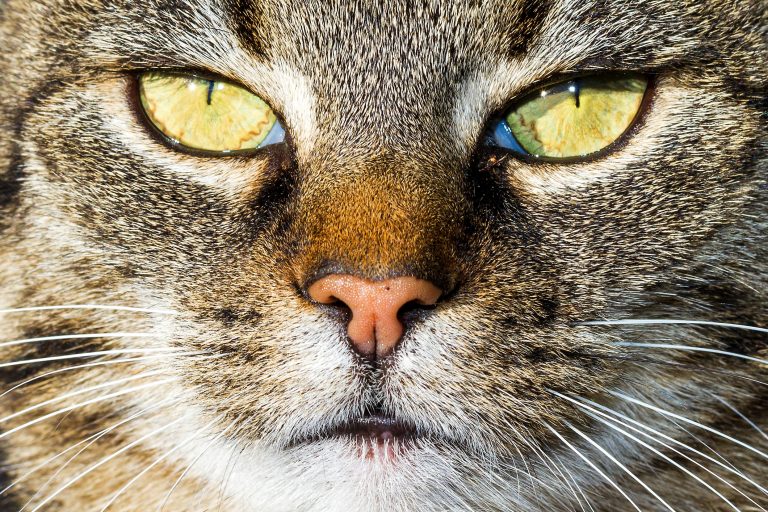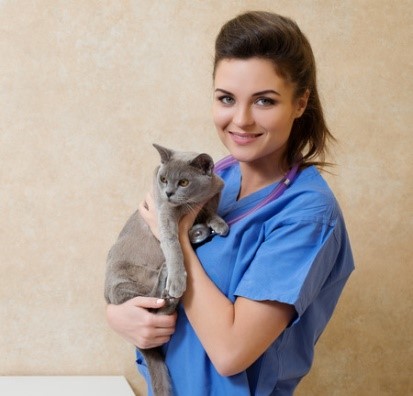
Cats are often seen as independent and low-maintenance companions, but their health depends on much more than a full food bowl and a clean litter box. Cat preventative care is one of the most important ways to keep your feline happy, healthy, and by your side for as many years as possible. Preventive care means taking steps to avoid health problems, catch illnesses early, and support your cat’s physical and emotional well-being before issues become severe. (more…)
Category: Animal Wellness

Modern animal wellness care has evolved significantly, focusing on holistic approaches that encompass both physical and emotional health. Today’s pet care goes beyond traditional veterinary medicine. It incorporates therapies like chiropractic care, acupuncture, massage, and Reiki to promote overall well-being. These complementary treatments address issues such as chronic pain, anxiety, and mobility problems, providing pets with a more balanced and comfortable life.
Nutrition has also become a critical component of wellness care, with tailored diets designed to meet specific health needs, often guided by certified animal nutritionists. Moreover, behavioral health is increasingly recognized as vital, with animal behaviorists and trainers playing a crucial role in addressing behavioral issues that can impact a pet’s quality of life.
Preventative care remains a cornerstone, emphasizing regular check-ups, vaccinations, and dental care, but it is now paired with personalized wellness plans that consider the unique needs of each animal.
The integration of telemedicine and mobile services has made it easier for pet owners to access high-quality care. This helps ensure that pets receive timely attention even in remote areas. This comprehensive approach reflects a growing awareness that pets are not just animals but beloved family members. Their well-being is paramount. As a result, modern animal wellness care is more attuned to the diverse needs of pets, helping them lead healthier, happier lives through a combination of traditional and innovative practices.
The Benefits of EFT Tapping
EFT Tapping (Emotional Freedom Technique) was created by Gary Craig in the 90s. It’s also known as ‘tapping’, because you actually tap on acupressure points. Which according to the TCM Traditional Chinese Medicine, are specific points on the body. Meridians that influence the flow of energy in the body called Qi (pronounced “chee”) or vital energy.
These points are connected to your organs and your organs are connected with your emotions. Which in turns signifies a strong connection between stagnant emotions or stagnant energy. This disrupts the flow of Qi (vital energy) and created imbalances in specific organs associated with those emotions. This then leads to potential health issues. For example, the liver is associated with anger, the lungs with sadness and grief, the kidneys with fear, the spleen with worry, the heart with joy or lack of joy (depression, agitation, anxiety).
EFT Tapping
- Anger
- Frustration
- Sadness
- Feeling unworthy
- Fear
- Anxiety
- Grief Worry
- Shyness
Up to this point I’ve talked about what EFT can do for you and based on my experience with many clients, humans and animals…and I dare say that the results are just as amazing in animals as they are for us. This simple, yet powerful technique, will leave you and your animal companion with a sense of calmness, relief, joy, peacefulness that you may not have experienced in a long time and that your animal will adapt to very quickly. EFT is often used in Animal Reiki Care.
When is it good to use EFT?
I’ve used EFT successfully on animals and their humans in situations like:

Are you finding this article useful? Would you like 100% free access to more articles like these, and free access to over 5,000 vetted pet care service professionals throughout the United States? Sign up here for a free Petworks account, and we’ll email you a 10% discount code, good towards your first pet care services booking on Petworks!
– Fears, starting with fireworks, loud noises, traffic, plastic bags (yes, I’ve had those) EFT is a very powerful to release fears from animals and humans too!
Can EFT Tapping Be Done At A Distance?
What if your animal companion dislikes being touched? You can still practice EFT from a distance, and it works just as effectively through the power of intention. If your animal resists touch, perform “air” tapping by moving your hands near their body, tapping the specific points in the air while holding the clear intention that every action serves their benefit.
I often use surrogates as well. Another animal in the household may step in to help, and you’d be surprised how many eagerly do. I’ve also tapped using myself, the animal’s human, or even a stuffed animal that represents the companion. In every case, I direct the intention so that the tapping benefits your animal fully.

Lina Chero is an Animal Communicator, EFT Emotional Freedom Technique Practitioner for animals and humans. She is also a Master Hypnotherapist and NLP Neuro Linguistic Programming Practitioner, Past Life regressions and breakthrough sessions. She loves to enhance the loving relationship between animals and their humans through the connection of communication and energy healing as well as increase people’s inner ability to become the magnificent beings their animals already know they are. That is how we bring peace into our world! Book Lina for a session today on Petworks. Lina can be reached here as well.
About Petworks
In 2021, Dr. Marty Goldstein DVM joined the pet care platform Petworks as an advisor in its Animal Nutrition care division. Dr Marty Nature’s Blend is on a mission to help your pets live their healthiest lives possible. Dr. Marty’s pet nutrition expertise and guidance has helped Petworks evolve and become the preeminent animal and pet nutrition consultation service for pet parents in North America.
In 2022, Blue Buffalo Founder Bill Bishop Jr. joined Petworks as Senior Advisor in our Animal Nutrition Care Division. Bill brings his extensive expertise in pet food innovation and business leadership. His guidance helps Petworks enhance our pet nutrition service offerings, helping to ensure that pet parents throughout the world receive trusted, science-backed nutritional support for their dogs, cats, and animals.
Petworks Co-Founder Kevin Kinyon is a life-long animal lover who works tirelessly to improve the lives of pets and their parents. Human and animal qualities he values most are integrity, humor, and empathy.
What Is Integrative Veterinary Medicine?
Integrative Vets: Understanding Integrative Veterinary Care and Its Benefits for Pets. Integrative veterinary care represents a holistic approach to animal wellness, combining traditional medical treatments with complementary therapies to address the full spectrum of a pet’s health. By uniting the best of both worlds, integrative veterinarians aim to improve the overall quality of life for dogs and cats, emphasizing prevention, healing, and comprehensive care.
Why Every Senior Dog Needs a Canine Chiropractor
Aging is not easy for anyone, especially our dogs. A dog may get weaker in the back end or find it hard to get up and down; she might stop using stairs or experience discomfort. This can be tough for a pet parent to come to grips with.
What if I told you that dog chiropractic care can help? We see it all the time in our practice. It helps with mobility problems, comfort, and activity levels, and can even slow the progression of arthritis. In this article I’ll define who is considered a senior dog, explain what animal chiropractic is, list some issues it helps, and then tell you how to find a properly trained animal chiropractor.
Who Is Considered a Senior Dog?
You probably know that dogs age much faster than humans do. However, did you know that certain breeds and different-size dogs age differently than others? Since, generally speaking, smaller breeds live longer than larger breeds, the best definition for a senior dog is any animal in the last 25 percent of his life, based on the standard for the breed. This is usually when we start to see the symptoms of aging—which can be alleviated by animal chiropractic.
What Is Animal Chiropractic?
Although most people have heard of chiropractic for humans, many people are confused about what chiropractic actually is. Chiropractors are trained to evaluate the spine for structural dysfunction, often referred to as subluxations.
Subluxations are areas in the spine that aren’t moving like they should be or are in the wrong position. When dysfunction like this occurs, inflammation can build up and stress joints, nerves, and more, leading to pain and stiffness. A chiropractor palpates the spine, searching for heat…which would indicate inflammation…for muscle spasm, and for joints that aren’t moving very well. When the chiropractor locates a problematic area, she gives a correction via an adjustment in order to restore normal biomechanics. When it comes to animal chiropractic, the adjustment is very gentle, and there’s typically no cracking or popping.
What Conditions in a Senior Dog Might Be Improved by seeing a Dog Chiropractor
The spine of a senior dog has endured a lifetime of wear and tear. This contributes to difficulties we frequently see in practice, such as:
* Decreased mobility
* Discomfort
* Decreased rear muscle tone
* Arthritis
Many of these symptoms are secondary to subluxations of the spine, and they are often intertwined.
Initially, a joint quits moving well. This doesn’t cause too many problems at a young age, but if it is left uncorrected, inflammation eventually builds to a point where it is uncomfortable for a dog to fully engage a joint. When this happens, a pet owner might notice that a dog doesn’t want to use stairs anymore or really struggles to get comfortable in any position.
Pain
Over time, this discomfort starts to affect the muscles. If a dog finds it painful to walk, or to get up from lying down, he will not do it. The muscles start to atrophy, and even more stress is placed on the joints because there’s less muscle to support them. The old adage “Use it or lose it” applies here. A dog will certainly lose muscle tone if she doesn’t use it. This becomes cyclical: The discomfort leads to less movement and more muscle wasting, which leads to even less movement and even more muscle wasting.
This cycle also contributes to arthritis. Arthritis is the result of chronic inflammation and abnormal stress on a joint; it is caused by abnormal biomechanics over a long period of time. A subluxation left uncorrected is exactly this. The lack of normal motion in the joint will lead to an inability to pump inflammation away. The longer the inflammation sits there, the more it eats away at cartilage. In addition, this loads a joint up with abnormal stress, and combined, these factors progressively lead to arthritis.
The Benefits of Having a Dog Chiropractor
The great thing about dog chiropractors is that they are trained to find and correct subluxations, which will help alleviate many of the problems senior dogs deal with. An adjustment will restore normal motion to a joint. Restoring motion allows joints to pump inflammation away. With a decrease in inflammation, there’s a decrease in pain. When the pain is gone, the dog is more much more mobile and willing to be active. This will lead to increased muscle tone.
Needless to say, a dog chiropractor can be a very important therapy for an aging dog. So who is trained appropriately to work with animals?

Are you finding this article useful? Would you like 100% free access to more articles like these, and free access to over 5,000 vetted pet care service professionals throughout the United States? Sign up here for a free Petworks account, and we’ll email you a 10% discount code, good towards your first pet care services booking on Petworks!
How Do I Find a Dog Chiropractor?
There are two routes to becoming an animal chiropractor. Practitioners must first complete veterinary or chiropractic school and receive a doctorate. After that, they attend additional training for animal chiropractic at a different program that includes both textbook and hands-on curricula. At the end of training, they have an opportunity to certify with one of the major boards, among them the American Veterinary Chiropractic Association and the International Veterinary Chiropractic Association.
My personal recommendation would be to search out a chiropractic practitioner on Petworks who is board-certified. If you can’t find someone local, then look for a person who has attended a program in preparation for the boards. Some of these programs include Options for Animals, Healing Oasis, the Parker University Animal Chiropractic Program, or Animal Care Equipment and Services (ACES).
It is inevitable that members of our fur family will age, but fortunately, there are natural solutions, such as animal chiropractic, that can help. Is your pet a senior? Find an animal chiropractor today!
About the Author:
Dr. Grant Tully received his bachelor’s degree in biomedical science from Auburn University and his chiropractic doctorate from Life University. He then went to Options for Animals in Wellsville, Kansas, where he trained to become an animal chiropractor. After completing the program, he tested and certified with the International Veterinary Chiropractic Association. Dr. Tully is also involved in research for the profession; he and Dr. Christina Cole coauthored a paper on paralyzed dogs who recovered with chiropractic care. They practice together in Southeast Michigan.
About Petworks
In 2021, Dr. Marty Goldstein DVM joined the pet care platform Petworks as an advisor in its Animal Nutrition care division. Dr Marty Nature’s Blend is on a mission to help your pets live their healthiest lives possible. Dr. Marty’s pet nutrition expertise and guidance has helped Petworks evolve and become the preeminent animal and pet nutrition consultation service for pet parents in North America.
In 2022, Blue Buffalo Founder Bill Bishop Jr. joined Petworks as Senior Advisor in our Animal Nutrition Care Division. Bill brings his extensive expertise in pet food innovation and business leadership. His guidance helps Petworks enhance our pet nutrition service offerings, helping to ensure that pet parents throughout the world receive trusted, science-backed nutritional support for their dogs, cats, and animals.
About The Author
Petworks Co-Founder Kevin Kinyon is a life-long animal lover who works tirelessly to improve the lives of pets and their parents. Human and animal qualities he values most are integrity, humor, and empathy.
What Is Hyperkeratosis In Dogs?
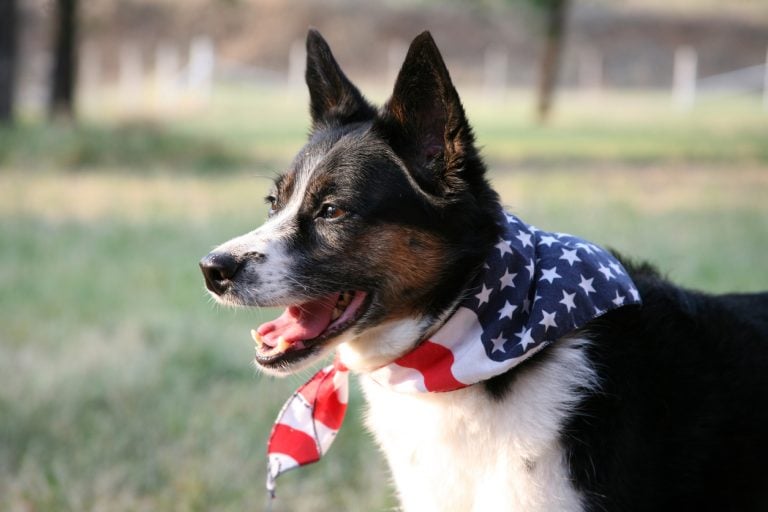
Hyperkeratosis in dogs, a condition characterized by excessive keratin production leading to thickened, hardened skin, can cause significant discomfort and impact a dog’s quality of life. While often observed on the paw pads and nasal planum (the top of the nose), it can manifest in other areas as well. Understanding the underlying causes, recognizing the symptoms, and exploring available treatment options are crucial for effective management.