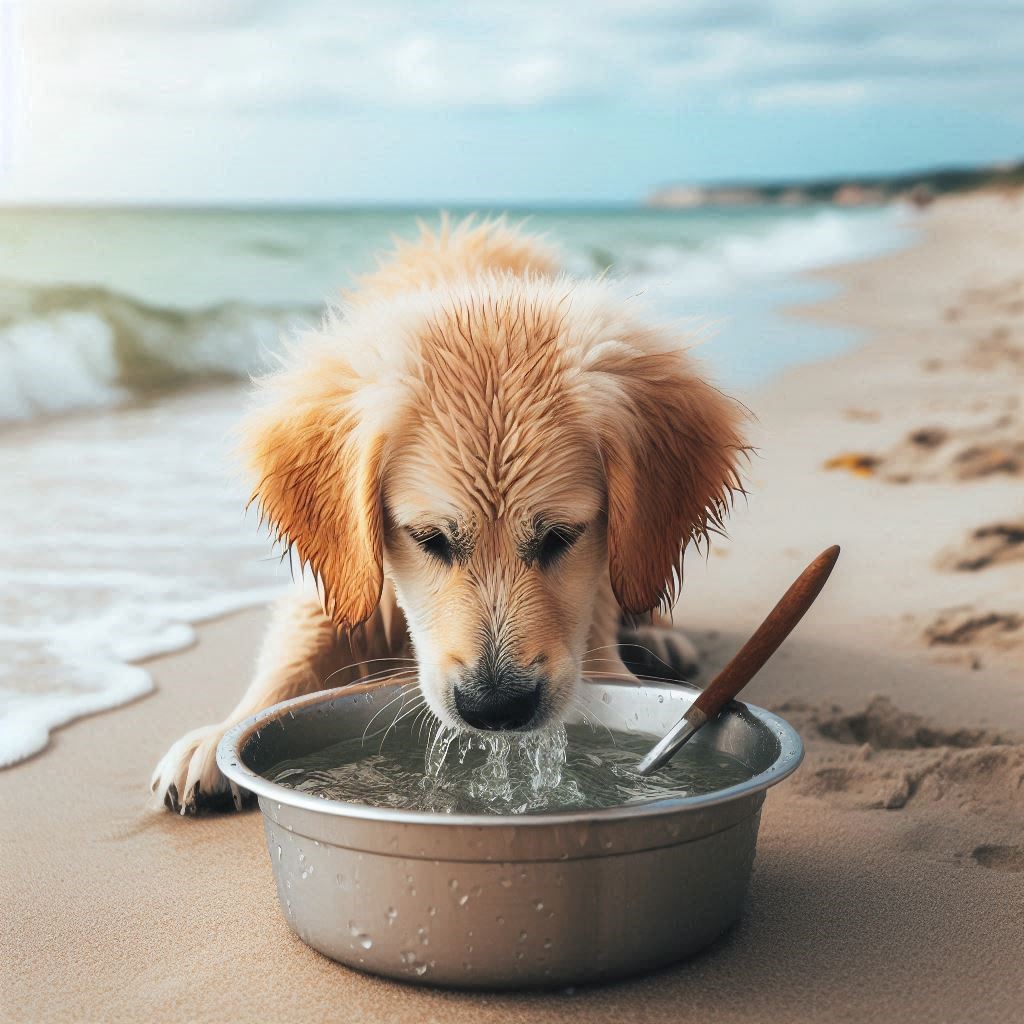
It’s scorching out there! We’ve all experienced waking up parched in the middle of the night, needing more than just a single glass of water. Staying hydrated is crucial for our health, and the same goes for our furry friends. Dogs need water to live and thrive, especially during the hot summer months. Below are some tips to help prevent dog dehydration this summer:
Category: Animal Wellness

Modern animal wellness care has evolved significantly, focusing on holistic approaches that encompass both physical and emotional health. Today’s pet care goes beyond traditional veterinary medicine. It incorporates therapies like chiropractic care, acupuncture, massage, and Reiki to promote overall well-being. These complementary treatments address issues such as chronic pain, anxiety, and mobility problems, providing pets with a more balanced and comfortable life.
Nutrition has also become a critical component of wellness care, with tailored diets designed to meet specific health needs, often guided by certified animal nutritionists. Moreover, behavioral health is increasingly recognized as vital, with animal behaviorists and trainers playing a crucial role in addressing behavioral issues that can impact a pet’s quality of life.
Preventative care remains a cornerstone, emphasizing regular check-ups, vaccinations, and dental care, but it is now paired with personalized wellness plans that consider the unique needs of each animal.
The integration of telemedicine and mobile services has made it easier for pet owners to access high-quality care. This helps ensure that pets receive timely attention even in remote areas. This comprehensive approach reflects a growing awareness that pets are not just animals but beloved family members. Their well-being is paramount. As a result, modern animal wellness care is more attuned to the diverse needs of pets, helping them lead healthier, happier lives through a combination of traditional and innovative practices.
What Is A Pet Scan For Cancer?
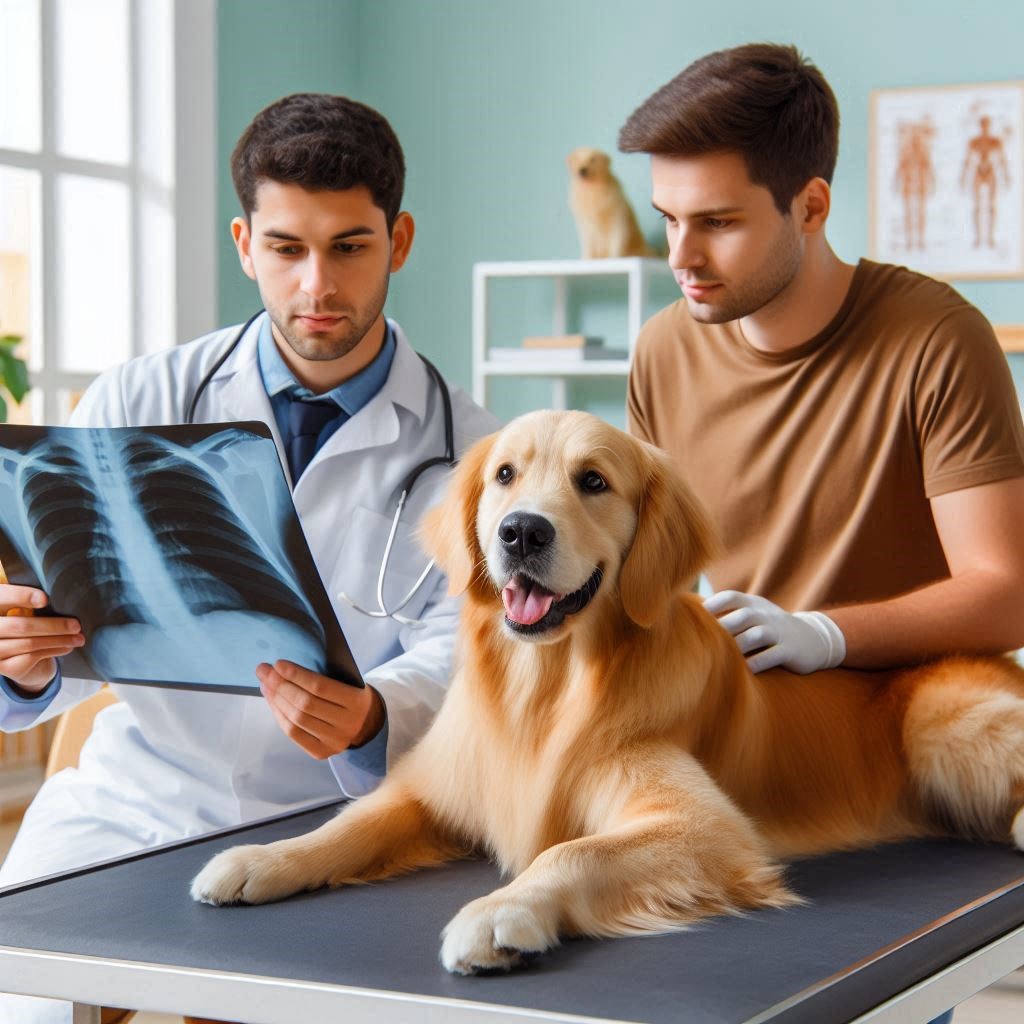
Cancer is one of the leading causes of death humans, dogs, and cats in the developed world. As with humans, cancer screening tests for dogs and cats will continue to advance, as new technologies emerge and more information becomes available, suggesting improved outcomes and quality of life. In companion animals, certain breeds are known to be predisposed to cancer. And since cancer is common in older dogs and cats, those over 7 or 8 years old should generally be considered “at risk.” Increasingly common general screening recommendations for geriatric animals include biannual physical exams, laboratory bloodwork, and urinalysis. Additionally, using cutaneous maps to record the location, size, and diagnosis of skin masses can help monitor for rapid growth changes or new masses of concern. Let’s talk about the importance of a pet scan for cancer.
Is Accident-Only Pet Insurance Worth It?

Accident-only pet insurance can be a cost-effective option for new pet owners who want to protect against unpredictable injuries and emergencies, but it has important limitations. and is not a substitute for comprehensive coverage. Let’s talk about the pros and cons of Accident only pet insurance…
Is Accident-Only Pet Insurance Worth It for New Pet Owners?
As a new pet owner, protecting the health and well-being of a furry family member is always a top priority. One of the main considerations is how to handle unexpected veterinary costs, especially emergency expenses from accidents. Accident-only pet insurance is a popular option for some pet parents who want affordable coverage that helps with vet bills related to injuries but doesn’t include illness coverage. But is accident-only pet insurance worth it? This article explores what accident-only coverage is, how it works, its advantages and disadvantages, and who may benefit most from choosing this plan.
What Is Accident-Only Pet Insurance?
Accident-only pet insurance is a policy that reimburses you specifically for veterinary bills related to sudden accidental injuries your pet might suffer. Unlike comprehensive pet insurance plans that cover treatment for both accidents and illnesses, accident-only plans focus exclusively on accidents, providing coverage for injuries like broken bones, bite wounds, ingestion of toxic substances, cuts, burns, and fractures.
 For example, if your dog is hit by a car, chews on a poisonous plant, or breaks a leg running in the park, an accident-only plan would help cover emergency vet exams, surgeries, hospitalization, medications, diagnostic imaging (X-rays, MRIs), and other related treatments. However, it will not cover illnesses such as cancer, allergies, infections, or chronic conditions like diabetes or arthritis.
How Does Accident-Only Coverage Work?
When an accident happens, you take your pet to the vet for emergency care. After paying the vet bill, you submit a claim to your insurance provider, who reimburses you a portion of the eligible expenses based on your plan’s coverage terms. Most accident-only policies have a deductible (the amount you pay out of pocket before insurance benefits kick in) and may also require coinsurance (a percentage of the cost you continue to pay after the deductible).
Typical covered treatments under accident-only plans include:
-
Emergency exams
-
Surgeries and sutures
-
Hospitalization and overnight stays
-
Diagnostic tests such as X-rays, ultrasounds, CT scans, and MRIs
-
Prescription medications related to accident treatment
-
Laboratory tests
-
Bite wounds, broken bones, sprains, lacerations, and foreign body ingestion
On the other hand, routine care like vaccinations, dental cleanings, wellness exams, or preventive treatments for illnesses are generally excluded from these plans unless you add a separate wellness rider.

Are you finding this article useful? Would you like 100% free access to more articles like these, and free access to over 5,000 vetted pet care service professionals throughout the United States? Sign up here for a free Petworks account, and we’ll email you a 10% discount code, good towards your first pet care services booking on Petworks!
Pros of Accident-Only Pet Insurance
1. Affordable Premiums
Because accident-only coverage excludes illnesses, chronic diseases, and routine care, the monthly premiums tend to be significantly lower than full accident-and-illness plans. This makes it an attractive option for budget-conscious new pet parents who want some financial protection but cannot afford or do not want comprehensive coverage initially.
2. Clear, Targeted Coverage
Accident-only plans are straightforward…they cover accidents and accidental injuries, reducing confusion about claim eligibility. This can simplify the process of understanding what your insurance covers and help set expectations about the scope of protection.
3. Peace of Mind for Emergencies
Accidents happen unpredictably, and emergency vet care can be expensive. Having accident-only coverage can provide peace of mind that you will not bear the entire financial burden of unforeseen injuries, which often come with costly surgeries or hospital stays.
4. Availability to Older Pets or Pets with Pre-Existing Conditions
Some comprehensive pet insurance providers exclude older pets or those with pre-existing illnesses from coverage. Accident-only plans often do not have upper age limits, which can be a good option to ensure some coverage for emergency accidents in senior pets.
“My wife is a DVM, she says all the time that if she weren’t a doctor she’d have the insurance. With how much surgeries are, and how much emergencies can be, it’s totally worth it.” – Redditor
Cons of Accident-Only Pet Insurance
1. Limited Protection Scope
Accident-only insurance won’t help with veterinary bills for illnesses, hereditary or congenital conditions, or chronic diseases that many pets face at some point in their lives. This means you would be responsible for all non-accident-related medical expenses out of pocket.
2. Possible Coverage Caps and Denials
Accident-only plans may have annual or per-claim limits on how much they will reimburse. Additionally, disputes may arise over whether an injury qualifies as an accident or is related to a pre-existing or chronic condition, leading to potential claim denials.
3. No Preventive Care Coverage
Preventive and wellness care, such as vaccines, flea and tick control, and dental cleanings, is typically not covered. These costs add up and require separate budgeting or additional wellness plans such as special animal nutrition dietary needs.
4. Potential for High Out-of-Pocket Costs for Illnesses
If your pet develops a serious illness, accident-only insurance provides no financial assistance, which could lead to significant vet bills. Many pets develop illnesses or need long-term care as they age, so relying solely on accident coverage carries financial risk.
Who Should Consider Accident-Only Pet Insurance?
Budget-Conscious New Pet Owners
If financial flexibility is limited and you want an affordable way to protect your pet against costly emergencies, accident-only insurance can be a reasonable choice for new pet parents seeking peace of mind without breaking the bank.
Owners of Young, Active Pets
Young pets, especially dogs who explore outdoors and lead active lifestyles, are prone to accidental injuries. Accident-only plans can provide coverage tailored to these risks, helping offset high vet bills from fractures, bites, or toxic ingestion.
Seniors or Pets with Pre-Existing Conditions
Older pets or pets with existing health problems often cannot qualify for comprehensive insurance. Accident-only coverage offers a fallback to ensure emergency accidents are still covered for these pets.
Supplementing Other Coverage
Some pet parents use accident-only insurance to supplement minimal wellness plans or personal savings, ensuring specific expense protection for injuries while managing routine care independently.
When Accident-Only Insurance May Not Be Enough
If you want full protection from a wide range of veterinary costs, including treatment for illness, chronic disease, hereditary conditions, and preventive care, accident-only insurance will fall short. Comprehensive plans, though more expensive, provide broader benefits and financial security across many health scenarios, which new pet owners with flexible budgets may prefer.
Key Questions to Ask Before Buying
-
What exact injuries and treatments does the accident-only plan cover? Are diagnostics and surgeries included?
-
What are the deductibles, co-insurance rates, and coverage limits? Will these be affordable in an emergency?
-
Are prescription medications for accident-related injuries covered? Are exam fees included?
-
Are there exclusions or conditions that could complicate claims?
-
Can a wellness plan be added to cover routine care, or is preventive care excluded entirely?
Accident-only pet insurance offers a budget-friendly way for new pet owners to protect themselves against potentially expensive emergency vet bills related to accidents and injuries. Its lower premiums and simple coverage make it ideal for pet parents who primarily want coverage for unexpected injuries while managing illness and wellness costs out-of-pocket.
However, its limited scope means it will not cover costly illnesses or chronic conditions, which many pets eventually face. Therefore, while accident-only plans can be a valuable safety net for emergencies, pet owners should carefully evaluate their pet’s lifestyle, age, and health risks to decide if it provides adequate protection or if a more comprehensive plan is a better fit.
Ultimately, accident-only pet insurance is worth considering for those seeking affordable, emergency-only coverage or for pets excluded from full coverage. Being informed about what is and isn’t covered will help pet owners make the best financial and health decisions for their beloved companions.
If desired, a wellness plan or supplemental coverage can help fill gaps left by accident-only policies, so pet parents can build a customized protection plan aligned with their budget and their pet’s health needs.
About Petworks
 In 2021, Dr. Marty Goldstein DVM joined the pet care platform Petworks as an advisor in its Animal Nutrition care division. Dr Marty Nature’s Blend is on a mission to help your pets live their healthiest lives possible. Dr. Marty’s pet nutrition expertise and guidance has helped Petworks evolve and become the preeminent animal and pet nutrition consultation service for pet parents in North America.
 In 2022, Blue Buffalo Founder Bill Bishop Jr. joined Petworks as Senior Advisor in our Animal Nutrition Care Division. Bill brings his extensive expertise in pet food innovation and business leadership. His guidance helps Petworks enhance our pet nutrition service offerings, helping to ensure that pet parents throughout the world receive trusted, science-backed nutritional support for their dogs, cats, and animals.
About The Author
 Petworks Co-Founder Kevin Kinyon is a life-long animal lover and pet wellness expert who works tirelessly to improve the lives of pets and their parents. Human and animal qualities he values most are integrity, humor, and empathy.
Best Friends Animal Society

The story of Best Friends Animal Society resonates with those who find inspiration in the strength of conviction. Over three decades ago, a band of visionaries took a leap of faith to bring their shared dream to life – establishing a haven for forsaken and mistreated animals. Their journey was an extension of years dedicated to rescue and advocacy. Little did they foresee that their endeavor would spearhead a burgeoning movement aimed at halting the euthanasia of millions of dogs and cats annually in shelters nationwide. (more…)
Learn About Animal Reiki Healing
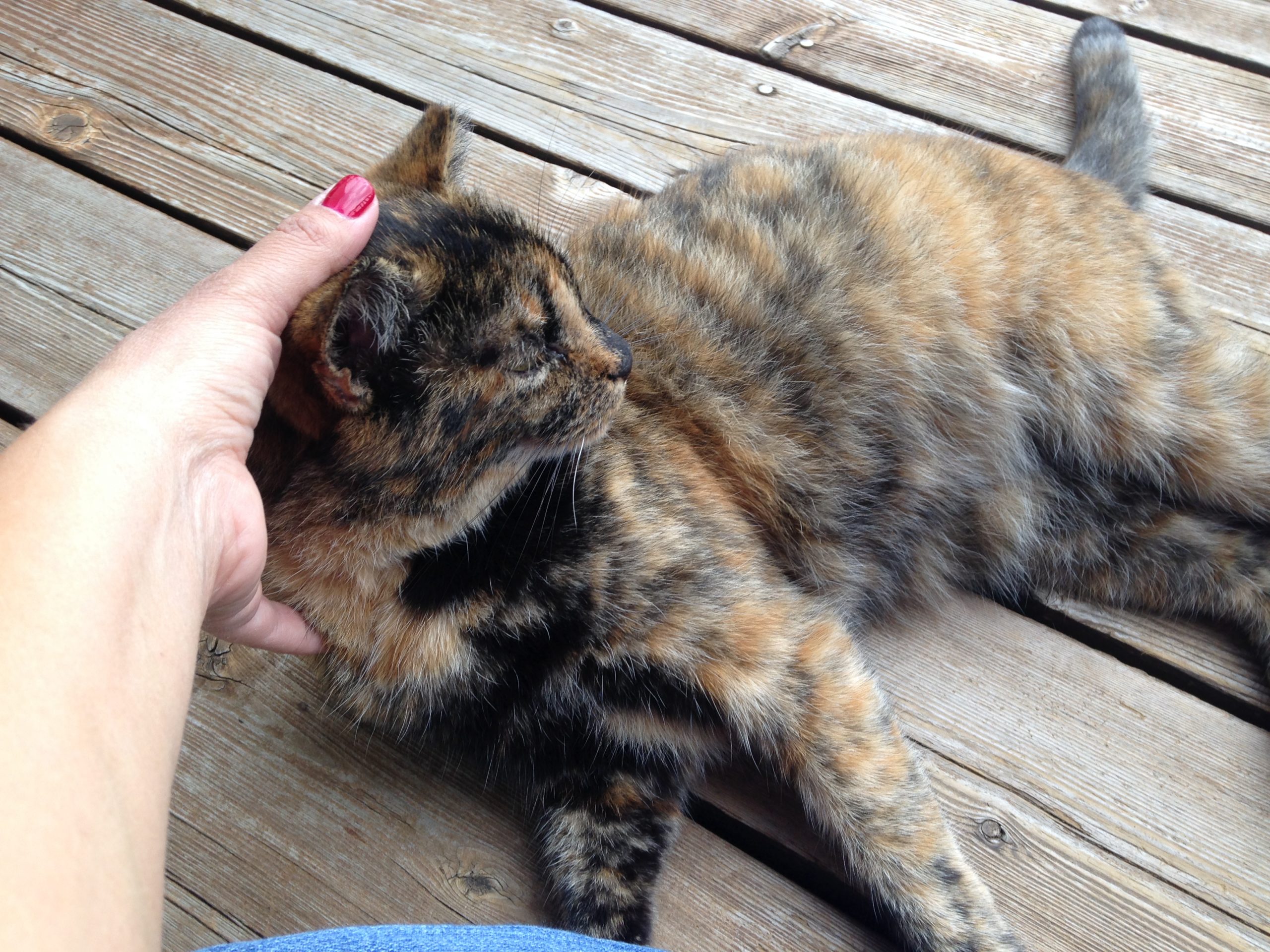
Animal Reiki Care. Reiki is a Japanese form of energy healing. It can be offered to humans or animals of any age and is a safe, gentle method of healing. It involves the transfer of “Universal” or Source energy from practitioner to client. This can be done hands-on, from a short distance, or by proxy across a large distance. The premise is that when flooded with this universal energy, the body is able to heal and balance itself as it was meant to. So the person offering the Reiki is not actually healing the client; he/she is facilitating the transfer of energy that helps the client to heal him or herself. (more…)

 petworks tm