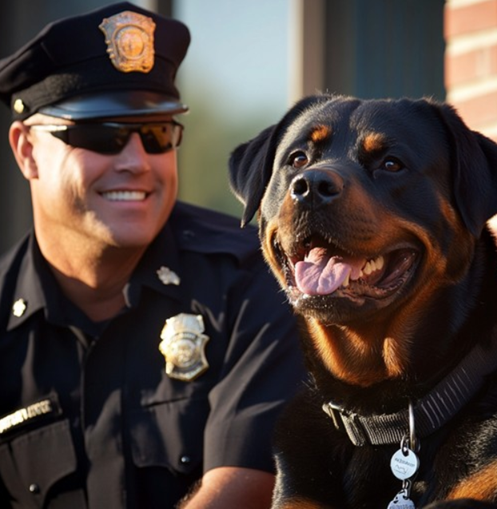
Raising Rottweiler Puppies: Health Care and Wellness Plan. Rottweilers are one of the most loyal, intelligent, and protective dog breeds, making them excellent companions for families and individuals alike. Originating from Germany, these robust working dogs have a long history of serving as herders, guard dogs, and police canines. Raising a Rottweiler puppy requires proper knowledge of their health care, transportation, nutrition, training, and overall wellness. In this article, we explore everything you need to know to provide the best life for your Rottweiler puppy.
 Raising Rottweiler Puppies – Health and Wellness Care for Rottweiler Pups
Rottweiler puppies require comprehensive veterinary care from the start to ensure they grow into strong and healthy adults. Here are key aspects of their health care:
- Vaccinations and Preventative Care: Rottweiler puppies need core vaccinations, including distemper, parvovirus, rabies, and hepatitis. Regular vet checkups help monitor their growth and address any emerging health issues.
- Common Health Issues: Rottweilers are prone to certain genetic conditions like hip and elbow dysplasia, heart disease, and osteosarcoma. Early screening and preventative measures can improve their quality of life.
- Parasite Control: Puppies should receive flea, tick, and heartworm prevention treatments as recommended by a veterinarian.
- Spaying and Neutering: This procedure is beneficial for controlling aggression, preventing unwanted litters, and reducing the risk of reproductive-related diseases.
Transporting a Rottweiler Puppy
Safe and stress-free pet transportation is important when bringing home a Rottweiler puppy or traveling with them.
- Air Travel: When flying with a Rottweiler puppy, ensure they are in an airline-approved pet carrier. Some airlines may have breed-specific restrictions, so check in advance.
- Car Travel: Secure your puppy in a pet-safe crate or a car seat harness. Make regular stops for water, bathroom breaks, and stretching.
- International Transport: If moving overseas, ensure compliance with the destination country’s pet import requirements, including vaccinations and quarantine regulations.
- Socialization During Transport: Exposing puppies to different environments early helps them become well-adjusted adult dogs.
 Nutrition and Feeding Guidelines
Rottweiler puppies require a well-balanced diet to support their rapid growth and muscle development.
- High-Quality Puppy Food: Choose large-breed puppy food rich in protein, healthy fats, and essential vitamins.
- Portion Control: Overfeeding can lead to obesity, which increases the risk of joint issues. Follow the recommended feeding portions based on age and weight.
- Essential Nutrients: Include omega fatty acids for a healthy coat, calcium for bone growth, and glucosamine for joint health.
- Hydration: Always provide clean, fresh water to support digestion and overall well-being.
- Avoid Toxic Foods: Keep chocolates, grapes, onions, and high-fat foods away from your puppy as they can be harmful.
“Puppies need to move, but they don’t need to overdo it. For large breeds like Rottweilers, it’s about ‘gentle’ exercise—think short walks and play, not long runs on pavement, to protect those growth plates.” – Dr. Karen Becker, DVM: Iowa State CVM Graduate • NYT Bestselling Author of The Forever Dog • Small Animal Physiotherapy & Acupuncture Certified • Co-founder of CANWI • Globally recognized proactive/integrative veterinarian.
Training and Socialization
Proper training is essential to ensure your Rottweiler grows into a well-mannered and obedient dog.
- Basic Obedience Training: Start with commands like sit, stay, come, and heel. Consistency and positive reinforcement work best.
- Socialization: Introduce your puppy to various people, pets, and environments early to reduce fearfulness and aggression.
- Crate Training: A crate provides a safe space for your puppy and aids in house training.
- Leash Training: Teaching your puppy to walk on a leash prevents pulling and ensures safe outdoor excursions.
- Professional Training: Consider enrolling your puppy in a puppy training class or working with a certified dog trainer for advanced training needs.
Exercise and Wellness
Maintaining a Rottweiler puppy’s physical and mental well-being is crucial for their development.
So How Much Exercise Does a Rottweiler Puppy Need?
Rottweiler puppies are full of energy, but because they are a large and rapidly growing breed, exercise needs to be carefully managed. Too little activity can lead to boredom and behavioral issues, while too much high-impact exercise can put stress on developing joints and bones.
For puppies under six months, short, controlled play sessions are ideal. Aim for 3–5 sessions of 10–15 minutes each per day, focusing on gentle activities like indoor play, short walks, or supervised fetch. Avoid long runs, jumping from heights, or strenuous activity that could strain their hips and elbows.
Once your Rottweiler reaches 6–12 months, you can gradually increase the duration and intensity of exercise, incorporating longer walks, socialization at puppy classes, and safe outdoor play. Always monitor your puppy for signs of fatigue or discomfort—panting, limping, or reluctance to play can signal that your puppy has had enough.
Exercise isn’t just physical; mental stimulation is equally important. Puzzle toys, basic obedience training, and short training games help keep a Rottweiler puppy sharp and prevent destructive behavior.
Key Tips for Exercising Your Rottweiler Puppy:
-
Keep sessions short and frequent in early months.
-
Avoid high-impact activities until growth plates close (usually 12–18 months).
-
Include mental stimulation alongside physical activity.
-
Watch for fatigue or signs of joint stress.
By providing the right balance of activity, you’ll help your Rottweiler puppy grow into a healthy, happy, and well-behaved adult dog.
Wellness For Rottweiler Puppies
- Mental Stimulation: Puzzle toys, training exercises, and interactive play keep their minds engaged and prevent boredom.
- Grooming Needs: Rottweilers have a short coat that requires weekly brushing to control shedding. Regular ear cleaning, nail trimming, and dental care are also essential.
- Emotional Well-being: Rottweilers are affectionate and thrive on companionship. Spending quality time with them helps prevent separation anxiety.

Are you finding this article about raising Rottweiler puppies, useful? Would you like 100% free access to more articles like these, and free access to over 5,000 vetted pet care service professionals throughout the United States? Sign up here for a free Petworks account, and we’ll email you a 10% discount code, good towards your first pet care services booking on Petworks!
History of the Rottweiler
The Rottweiler breed dates back to ancient Roman times when they were used as herding and guard dogs. Named after the German town of Rottweil, these dogs played a crucial role in driving cattle and protecting livestock. Over time, they became widely recognized for their working abilities, serving in police, military, and search-and-rescue operations worldwide.
“Rottweiler puppies are full of energy, but it’s important to remember that their joints are still developing. Short, frequent play sessions and gentle walks not only keep them healthy physically, but also help build the foundation for a confident, well-behaved adult dog.” – Kevin Kinyon, Co-Founder, PetWorks
Fun Facts About Rottweilers
- Rottweilers were among the first guide dogs for the blind.
- They have a strong bite force, making them excellent guard dogs.
- Their instinct to protect their family is natural, requiring proper socialization and training.
- Rottweilers are incredibly intelligent and can excel in advanced training, including agility and obedience competitions.
- Despite their tough exterior, they are affectionate and form strong bonds with their families.
Why Rottweilers Make Great Family Pets
Rottweilers are loving and protective companions, making them ideal family pets when properly trained and socialized.
- Loyal and Protective: Rottweilers have an innate protective instinct, ensuring their families feel safe and secure.
- Affectionate and Playful: They enjoy playing with family members and can be gentle around children when raised in a positive environment.
- Highly Intelligent: Their intelligence makes them easy to train, and they thrive on learning new tasks and commands.
- Adaptable: Whether in an apartment or a large home, Rottweilers adapt well as long as they receive sufficient exercise and mental stimulation.
- Lifelong Companions: With proper care, training, and socialization, Rottweilers become deeply devoted and loving pets.
Best Rottweiler Puppy Breeders
Selecting a reputable Rottweiler puppy breeder is crucial to ensure you receive a healthy, well-tempered companion. Responsible breeders prioritize health clearances, adhere to breed standards, and focus on producing dogs with stable temperaments. When searching for a breeder, it’s essential to verify their credentials, visit their facilities, and inquire about the health and lineage of their dogs.
Two esteemed Rottweiler breeders in the USA are Von Evman Rottweilers and Carrabba Haus. Von Evman Rottweilers, a Code of Ethics breeder, has been committed to producing healthy, well-tempered, and intelligent Rottweilers for over 35 years. They emphasize health certifications, with all breeding parents certified by the Orthopedic Foundation for Animals (OFA). Notably, they have produced more OFA Excellent-rated Rottweilers than any other breeder in the USA.
Carrabba Haus specializes in breeding purebred German Rottweilers and is recognized as one of the top breeders in New York. Their breeding philosophy focuses on creating Rottweilers with exceptional temperament, structure, health, and beauty. They have achieved significant accolades, including being the only U.S. kennel to secure three V1 ratings at the ADRK Klub Show in Germany.
When considering a raising Rottweiler puppies or puppy, it’s advisable to research and contact expert breeders to find companions that align with your expectations and lifestyle.
Raising Rottweiler Puppies FAQs
Q: How much exercise does a Rottweiler puppy need?
A: Short, frequent play sessions of 10–15 minutes several times a day are best for puppies under six months. Avoid high-impact activities until they’re fully grown.
Q: What should I feed my Rottweiler puppy?
A: High-quality large-breed puppy food is recommended, with portions based on age, weight, and activity level. Avoid overfeeding to prevent joint issues.
Q: When should my Rottweiler puppy get vaccinated?
A: Core vaccinations typically start at 6–8 weeks and continue every 3–4 weeks until about 16 weeks. Always follow your veterinarian’s schedule.
Q: How can I prevent hip dysplasia and other joint problems?
A: Provide balanced nutrition, controlled exercise, and avoid excessive running or jumping during growth. Regular vet checkups help monitor development.
Q: How do I socialize my Rottweiler puppy?
A: Early socialization with other dogs, people, and different environments helps prevent fearfulness and aggression. Puppy classes are highly recommended.
Dedicated Care
Rottweiler puppies require dedicated care, training, and socialization to ensure they grow into well-balanced and loving companions. By focusing on their health, nutrition, exercise, and training, you can raise a happy and well-adjusted Rottweiler. Whether serving as a loyal protector or a playful family member, Rottweilers make excellent pets for responsible owners who understand their needs. With the right approach, these intelligent and affectionate dogs will bring joy and security to their families for years to come.
About PetWorks
 Marty Goldstein DVM joined the pet care platform PetWorks as an advisor in its Animal Nutrition care division. Dr Marty Nature’s Blend is on a mission to help your pets live their healthiest lives possible. Dr. Marty’s pet nutrition expertise and guidance has helped PetWorks evolve and become the preeminent animal and pet nutrition consultation service for pet parents in North America.
 In 2022, Blue Buffalo Founder Bill Bishop Jr. joined PetWorks as Senior Advisor in our Animal Nutrition Care Division. Bill brings his extensive expertise in pet food innovation and business leadership. His guidance helps PetWorks enhance our pet nutrition service offerings, helping to ensure that pet parents throughout the world receive trusted, science-backed nutritional support for their dogs, cats, and animals.
About The Author
 PetWorks Co-Founder Kevin Kinyon is a life-long animal lover who works tirelessly to improve the lives of pets and their parents. Human and animal qualities he values most are integrity, humor, and empathy.

 petworks tm