Hire the Right Certified Dog Trainer in Pittsburgh, Pennsylvania
-
- Lilian Akin
- Akin Family Dog Training - Private In Home K9 Trainer - Pittsburgh, PA
-
-
 CERTIFIED
CPDT-KA
CERTIFIED
CPDT-KA
- Pittsburgh, PA - As a Certified Professional Dog Trainer (CPDT-KA) and Certified Behavior Consultant Canine-Knowledge Assessed (CBCC-KA), I bring over two decades of experience to the table, having been dedicated...
-
- Certified
- Online Sessions
-
- Barb Levenson
-
Barb Levenson Dog Training - Oakmont, PA
(10 miles from Pittsburgh)
-
- Oakmont, PA - Positive reinforcement training. Basic and puppy training. Behavior solutions using scientific methodologies. Obedience, rally and agility training available. Private sessions to focus on individual owner and dog’s...
-
- Online Sessions
-
- Choose Wisely Training NEW
-
Choose Wisely Dog Training - Coraopolis, PA
(11 miles from Pittsburgh)
-
(3 reviews)
-
 IAABC
CERTIFIED
IAABC
CERTIFIED
- Coraopolis, PA - Choose Wisely Training At Choose Wisely Training, I believe the foundation of great dog training is a great relationship. My approach is relationship-based, positive reinforcement training that...
-
- Insured
- Online Sessions
- Mobile Services
-
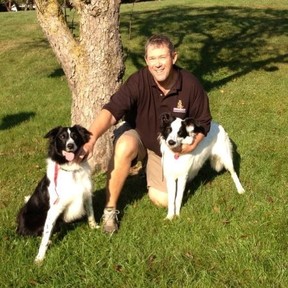
- Jeff Dowling
-
Mollys Canine Academy - Private Dog Training - Cranberry Township, PA
(19 miles from Pittsburgh)
-
- Cranberry Township, PA - Since 1991, Jeff Dowling has been revolutionizing pet training at Mollys Canine Academy with his unique, expert approach to behavior modification. With a wealth of experience...
-
- Mobile Services
-
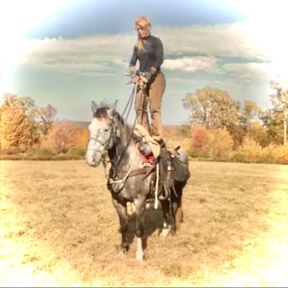 1BOOKINGS
 - Melli P
-
Expert Animal Handler for Weddings and Events - Cranberry Township, PA
(20 miles from Pittsburgh)
-
(6 reviews)
- Cranberry Township, PA - Enjoy the perfect wedding or event with our expert animal handler & trainer! Planning a wedding or special event and want your furry or four-legged friend...
-
- Online Sessions
- Mobile Services
-
- Melli P
-
Canine, Equine, & Chicken Consulting & Training - Cranberry Township, PA
(20 miles from Pittsburgh)
-
(6 reviews)
- Cranberry Township, PA - Equine, Canine, & Chicken Advisory Consultations & Training - Curated Guidance for Aspiring First-Time Horse, Dog, and Chicken Owners So, you’ve fallen in love with the...
-
- Certified
- Insured
- Mobile Services
-
- Melli P
-
Dog Training & Behavioral Refinement - Cranberry Township, PA
(20 miles from Pittsburgh)
-
(6 reviews)
- Cranberry Township, PA - Transform your dog’s behavior with positive, relationship-based training tailored to your home and lifestyle. We focus on building calm, confident, and connected companions through ethical methods—no...
-
- Licensed
- Certified
- Mobile Services
-
 1BOOKINGS
 - Lydia Gonzalez
-
Lydia's Canine Academy - Dog Training Services - Youngstown, OH
(57 miles from Pittsburgh)
-
-
CERTIFIED
CPDT-KA
 AKC CGC
EVALUATOR
AKC CGC
EVALUATOR
- Youngstown, OH - As a Certified Professional Dog Trainer (CPDT-KA) and an American Kennel Club Canine Good Citizen Approved Evaluator, I am passionate about teaching pet parents to #LearnToSpeakDog. With...
-
- Certified
- Insured
- Online Sessions
- Mobile Services
-
- Heather Umbel
-
Private In Home Dog Training - Friendsville, MD
(64 miles from Pittsburgh)
-
-
INSTANT CHECKOUT
AKC CGC
EVALUATOR
 ABCDT
CERTIFIED
ABCDT
CERTIFIED
- Friendsville, MD - Hi, I'm a passionate and dedicated positive reinforcement dog trainer with nearly 15 years of experience, driven by a love for dogs and a deep commitment to...
-
- Certified
-
- Deborah Thomas
-
Debbie Thomas CPDT Certified Dog Trainer - Cranberry Township, PA
(65 miles from Pittsburgh)
-
-
CERTIFIED
CPDT-KA
IAABC
CERTIFIED
- Cranberry Township, PA - Debbie is a Certified Professional Dog Trainer (CPDT) and a Certified Separation Anxiety Trainer SA-PRO in the Pittsburgh, PA area. She has been a volunteer and...
-
- Certified
- Insured
- Online Sessions
-
- Kristin Snider
-
The Clever Canine - CCPDT Private Dog Trainers - Reedsville, WV
(66 miles from Pittsburgh)
-
-
CERTIFIED
CPDT-KA
- Reedsville, WV - We are a team of dog trainers committed to helping you and your dog find joy. The Clever Canine is more than an online platform. We have...
-
- Certified
-
- Trudy Garvey
-
Ruff World Training - Private Dog Training Service - Brookville, PA
(71 miles from Pittsburgh)
-
-
CERTIFIED
CPDT-KA
AKC CGC
EVALUATOR
- Brookville, PA - We teach people and dogs to happily live together through a variety of services from puppy and obedience classes to behavior modification and pet CPR and first...
-
- Certified
- Insured
- Mobile Services
-
- Erin Maloney
-
Raising Pawtential - Certified Private Dog Trainer - Canton, OH
(77 miles from Pittsburgh)
-
- Canton, OH - Erin Maloney, a certified private dog trainer serving Northeast Ohio, is dedicated to helping dogs and their owners achieve their full potential. Specializing in puppies and addressing...
-
- Certified
-
- Gloria Gonzalez
-
Certified Dog Trainer, Dog Groomer and Pet Sitting - Canton, OH
(78 miles from Pittsburgh)
-
- Canton, OH - As a certified dog trainer through the renowned Animal Behavior College, I have dedicated my life to nurturing and enhancing the bond between pets and their parents...
-
-
- Angela Phipps
-
Angels in the Innfield - Private Dog Training Service - Southington, OH
(78 miles from Pittsburgh)
-
- Southington, OH - Welcome to my pet training services! With a Certificate in Training and Counseling (CTC) and extensive experience in a variety of training methods, including dog obedience, therapy,...
-
- Certified
- Insured
- Online Sessions
- Mobile Services
-
- Haley Vickers
-
All Paws on Deck Private Dog Training - Newcomerstown, OH
(84 miles from Pittsburgh)
-
- Newcomerstown, OH - Certified Dog Trainer! We specialize in board and trains as well as private lessons. Consultations are free! I’ve also been a puppy nanny for many breeders for...
-
- Certified
-

- Amanda Base
-
AB Dog Training Group and Private Classes - Stow, OH
(89 miles from Pittsburgh)
-
(6 reviews)
-
INSTANT CHECKOUT
CERTIFIED
CPDT-KA
AKC CGC
EVALUATOR
- Stow, OH - Amanda Base, a seasoned dog trainer with over 11 years of experience, offers top-tier training through both group and private classes. As a CPDT-KA certified trainer and...
-
- Certified
- Insured
- Mobile Services
-
- Taylor Steele
-
Made of Steele K9 Training - Private Dog Training Service - Everett, PA
(91 miles from Pittsburgh)
-
- Everett, PA - As a dedicated solo pet professional with extensive experience in dog agility training, dog obedience training, and pet behavior modification, I am here to transform your pet's...
-
- Mobile Services
-
- Cass Koch
-
Focus Dog Training - Private Canine Trainers - Copley, OH
(97 miles from Pittsburgh)
-
-
CERTIFIED
CPDT-KA
AKC CGC
EVALUATOR
IAABC
CERTIFIED
- Copley, OH - Positive Reinforcement dog training by a certified dog trainer with a degree in Animal Behavior. Specializing in reactivity, tricks and obedience! Offers in home training, day training,...
-
- Licensed
- Certified
- Online Sessions
- Mobile Services
-

- Ashley Botz
-
OnCloud Canine - Fear Free Professional - Akron, OH
(99 miles from Pittsburgh)
-
-
CERTIFIED
CPDT-KA
 RED CROSS
CERTIFIED
RED CROSS
CERTIFIED
- Akron, OH - OnCloud Canine offers personalized, science-based training and behavior support for both dogs and cats. Our approach focuses on understanding each animal’s individual needs, environment, and emotional wellbeing—because...
-
- Certified
- Mobile Services

Give a session
Know someone with a rambunctious pet?
For a friend or family member whose dog or cat is wearing the household out. A trainer or behaviorist helps them figure out what to try next.
See gift cardsother categories
more info
🦔 Dog Training in Pittsburgh, Pennsylvania. What You Need to Know.
Pittsburgh is a city unlike any other in America - not because of its sports teams, but because of its geography. Built at the confluence of the Allegheny, Monongahela, and Ohio Rivers, carved into hillsides steep enough to require inclined railways, and connected across those rivers by more bridges than any city in the world, Pittsburgh's terrain shapes daily life in ways that are immediately felt by anyone trying to walk a dog here. The steep staircases connecting neighborhood streets, the hillside paths, the sudden elevation changes on a South Side Slopes walk, the bridges with their grated surfaces and ambient noise — all of it creates a training environment with genuinely specific demands. Add a dense, walkable neighborhood culture in places like Lawrenceville, Shadyside, and Squirrel Hill, a thriving brewery and outdoor dining scene, and the remarkable green space of Frick Park, and you have a city where a well-trained dog can participate fully in a rich and active urban life. PetWorks connects you with certified, vetted trainers across Allegheny County and the greater Pittsburgh metro who understand exactly what training a dog for this city actually requires.
❤️ Every Pittsburgh dog owner knows the particular satisfaction of a walk that finally goes the way it was supposed to — when the steep climb up the South Side Slopes isn't a battle of wills, when your dog passes another dog calmly on the Butler Street sidewalk instead of lunging, when you can sit at a table outside Gristhouse and your dog settles without drama. That version of Pittsburgh dog life is available to you. The right trainer is how you get there.
Average Cost of Dog Training in Pittsburgh in 2026
Private dog training in Pittsburgh typically ranges from $90–$145 per hour, depending on trainer credentials, experience, and whether sessions are in-home or at a neutral location. Multi-session packages — the most consistent path to lasting behavior change — commonly run $425–$675 for three to five sessions. Board-and-train programs in the Pittsburgh area generally range from $1,500–$3,000 depending on duration and goals. Virtual sessions are often available at $50–$80 per session for ongoing support or between-session maintenance work.
Training Methods That Work in Pittsburgh
Credentialed Pittsburgh trainers rely on positive, reward-based methods — reinforcing the behaviors you want rather than punishing the ones you don't. In a city where dogs navigate unpredictable terrain, sudden elevation changes, the noise and vibration of bridge crossings, and the density of foot traffic on Lawrenceville's Butler Street, methods that build confidence and genuine focus produce far more durable results than approaches based on suppression or correction. As Lilian Akin, CPDT-KA, CBCC-KA, Pittsburgh-area certified trainer and behavior consultant, puts it: "Dogs in Pittsburgh experience a wide range of environments — from steep hills and stair-heavy neighborhoods to busy sidewalks and changing weather. Thoughtful, positive training helps dogs feel confident navigating the city while strengthening trust and communication with their families."
Certifications to Look For in a Pittsburgh Dog Trainer
Pennsylvania does not require licensure for dog trainers, making credentials your most reliable quality signal. The most meaningful designations to look for are CPDT-KA (Certified Professional Dog Trainer – Knowledge Assessed), CPDT-KSA (Knowledge and Skills Assessed), KPA-CTP (Karen Pryor Academy Certified Training Partner), CBCC-KA (Certified Behavior Consultant Canine, IAABC), or CSAT (Certified Separation Anxiety Trainer). These reflect formal education, independent assessment, and a commitment to evidence-based practice. Trainers who hold multiple credentials — as several Pittsburgh-area trainers on PetWorks do — have typically developed genuine specialization in specific behavior areas.
Pittsburgh's Geography as a Training Challenge
No single factor defines Pittsburgh dog training more than the city's terrain. Pittsburgh is famously hilly — neighborhoods like Mount Washington, Beechview, South Side Slopes, Troy Hill, and Knoxville sit on ridge lines accessible by steep staircases, many of which are city-maintained public rights-of-way used by dog owners daily. For dogs that haven't been desensitized to the specific demands of Pittsburgh's terrain — the grated metal bridge surfaces underfoot, the echoing sound and vibration of crossing a bridge over the Allegheny or Monongahela, the sudden grade changes on hillside streets, the narrow stairway passages where passing another dog means close-quarters interaction — training to handle these environments confidently is a genuine necessity, not an advanced skill. Pittsburgh trainers who know the city work specifically on bridge desensitization, stair confidence, and terrain navigation as core urban manners skills rather than treating them as afterthoughts.
Neighborhood Character & Training Demands by Area
Lawrenceville — spanning Lower, Central, and Upper Lawrenceville along Butler Street — is Pittsburgh's most dog-dense and walkable neighborhood, with high foot traffic, café and brewery patios, weekend market activity, and constant dog-to-dog sidewalk encounters that make leash reactivity management the single most common training request in the area. Shadyside and Squirrel Hill on the east end are highly walkable residential neighborhoods where dogs are deeply integrated into daily life — regular encounters on sidewalks, in neighborhood parks, and at outdoor dining spots are the norm. The South Side Flats along East Carson Street is Pittsburgh's most active entertainment and dining corridor, where dogs on patio sits encounter significant foot traffic, other dogs, cyclists, and the general Saturday afternoon chaos that makes patio settle and public manners genuinely challenging. Bloomfield, Pittsburgh's "Little Italy," and the adjacent Friendship neighborhood are dense residential areas with active streets and a strong dog culture. Oakland, as the city's university district, brings high pedestrian density and the particular unpredictability of encounters with large student populations.
Frick Park — Pittsburgh's Premier Dog Space
Frick Park is the crown jewel of Pittsburgh's park system and the defining outdoor dog environment in the city — 644 acres of natural woodland, meadows, and trails in the East End, with a well-maintained off-leash area that draws dogs from Squirrel Hill, Point Breeze, Regent Square, and Swissvale. The off-leash area includes both fenced and unfenced sections with varied terrain, making it an outstanding environment for socialization, recall work, and building the confident, neutral behavior around other dogs that off-leash settings require. The broader Frick Park trail system — on-leash — winds through ravines and forested hillsides that provide excellent distraction-proofing terrain for dogs in training. Riverview Park on the North Side has a dedicated dog park area. South Side Dog Park serves the South Side neighborhood. Bernard Dog Run in Bloomfield is a smaller neighborhood run popular with the local dog community.
The Three Rivers Trail System
The Three Rivers Heritage Trail runs for 24 miles along the banks of the Allegheny, Monongahela, and Ohio Rivers, connecting Pittsburgh's neighborhoods along the waterfront and providing miles of flat, paved, on-leash training corridor through some of the city's most scenic terrain. The Eliza Furnace Trail along the Mon connects Downtown to the South Side and Greenfield. The Rachel Carson Trail in the North Hills and the Steel Valley Trail to the south extend the trail network into Pittsburgh's outer ring neighborhoods and suburbs. These trails are shared with cyclists, runners, and other dogs — the riverfront paths in particular see high weekend traffic — and represent the primary flat-terrain training environment in a city that is otherwise defined by hills.
Pittsburgh Winters & Seasonal Training
Pittsburgh winters are genuine: cold, gray, often snowy, with road salt and ice melt on sidewalks from roughly December through March. Paw pad protection — either paw balm applied before walks or dog booties — is a practical recommendation during the heaviest salt season, particularly for dogs walking Lawrenceville's Butler Street or the South Side's East Carson Street where salt application is heavy. Pittsburgh's winters are milder than Chicago or Minneapolis but more consistent and gray than Cleveland, and training consistency can be affected by the long stretch of cold, overcast weather. Many Pittsburgh trainers build indoor training components — enrichment, scent work, indoor manners — into winter programs. Pittsburgh summers are warm and humid, with pavement temperatures on sun-exposed surfaces in the city center warranting the standard seven-second test before outdoor sessions.
Dog-Friendly Spots in Pittsburgh
Pittsburgh's outdoor dining and brewery scene has grown significantly and is genuinely dog-welcoming in key neighborhoods. Gristhouse Brewing in Lawrenceville has an outdoor space that is popular with dog owners and suits patio settle practice well. The Abbey on Butler Street in Lawrenceville is a longtime neighborhood bar with outdoor seating that welcomes dogs. Southern Tier Brewing Pittsburgh in the Strip District has a dog-welcoming patio in a high-traffic area adjacent to the Strip District market corridor — one of the most stimulating public training environments in the city, with weekend produce market crowds, food trucks, and heavy foot traffic. Big Dog Coffee in Shadyside is a café with outdoor seating that has become a gathering spot for east end dog owners. The outdoor spaces along Penn Avenue in the East End arts corridor and along Butler Street through Lawrenceville provide multiple options for building calm patio behavior in real-world settings.
Most Requested Dog Training in Pittsburgh
Leash reactivity and loose-leash walking on busy neighborhood sidewalks, bridge and terrain desensitization, patio and brewery settle for Lawrenceville and South Side, staircase and hillside confidence, separation anxiety support, recall and off-leash reliability for Frick Park, puppy socialization and urban confidence building, and behavior modification for fear, aggression, and resource guarding.
Pittsburgh Dog Laws & Regulations
Pennsylvania does not license dog trainers. Pittsburgh requires dogs to be licensed and current on rabies vaccination. Within Pittsburgh city parks, including Frick Park, dogs must be on a leash of six feet or less except in designated off-leash areas. Pittsburgh's Bureau of Animal Care and Control enforces leash laws in city parks; Allegheny County Animal Care and Control handles county-level enforcement. Dogs are required to be under control at all times in public — the city's leash ordinance extends to all public spaces, not just parks.
Neighborhoods & Areas Served
PetWorks connects dog owners across Pittsburgh and Allegheny County, including Lawrenceville, Shadyside, Squirrel Hill, Bloomfield, South Side, Point Breeze, Regent Square, Mount Washington, Oakland, the North Side, Cranberry Township, Wexford, Bethel Park, Upper St. Clair, Monroeville, and communities throughout the greater Pittsburgh metro.
How Booking a Dog Trainer on PetWorks Works
Browse verified trainer profiles, compare credentials and reviews, then use Send Message, Get Custom Quote, or Book Now to connect with a trainer about your dog's specific needs. Your trainer can send a personalized quote through the PetWorks inbox. You'll only pay when you book, and payment is handled securely — Visa, Mastercard, American Express, Discover, Apple Pay, Google Pay, Affirm, Link, or Klarna. Care Coverage at checkout gives you access to PetWorks' live Concierge team, full refunds if a booking is canceled through no fault of yours, and help resolving any booking issues — so you can focus on what matters most: your dog.
Dog Training FAQs for Pittsburgh, Pennsylvania
Why should I hire a professional dog trainer in Pittsburgh? Pittsburgh's unique terrain — the hills, the bridges, the staircases, the river crossings — combined with dense, active neighborhoods and genuine four-season weather creates training demands that most dogs benefit from real professional guidance to navigate. For dogs with reactivity, anxiety, fear, or behavior problems, a qualified trainer makes a measurable and lasting difference in how much of the city you and your dog actually get to enjoy together.
What dog training services are available in Pittsburgh? PetWorks trainers offer private in-home sessions, mobile training, and on-site lessons covering obedience, leash training, behavior modification, bridge and terrain desensitization, separation anxiety, patio manners, and more — tailored to your dog's specific temperament and your neighborhood's character.
How much does dog training cost in Pittsburgh? Private sessions typically run $90–$145 per hour. Multi-session packages commonly cost $425–$675. Board-and-train programs range from $1,500–$3,000 depending on duration and goals. Virtual sessions are typically available at $50–$80 per session.
What certifications should I look for? Look for CPDT-KA, CPDT-KSA, KPA-CTP, CBCC-KA, or CSAT credentials. Pennsylvania has no trainer licensing requirement, making independent certification from recognized organizations your most reliable quality signal.
What makes Pittsburgh's geography unique for dog training?
Pittsburgh's terrain is genuinely unlike any other American city — steep hillside neighborhoods, grated bridge surfaces, staircase public rights-of-way, and sudden elevation changes create specific desensitization and confidence challenges that most dogs need deliberate preparation to handle well. Pittsburgh trainers who know the city incorporate these real-world environments directly into training sessions.
Serving Pittsburgh, Allegheny County, and surrounding areas including Lawrenceville, Shadyside, Squirrel Hill, South Side, Bloomfield, Mount Washington, Cranberry Township, Wexford, Bethel Park, Upper St. Clair, Monroeville, and communities throughout Western Pennsylvania, PA.

 petworks tm