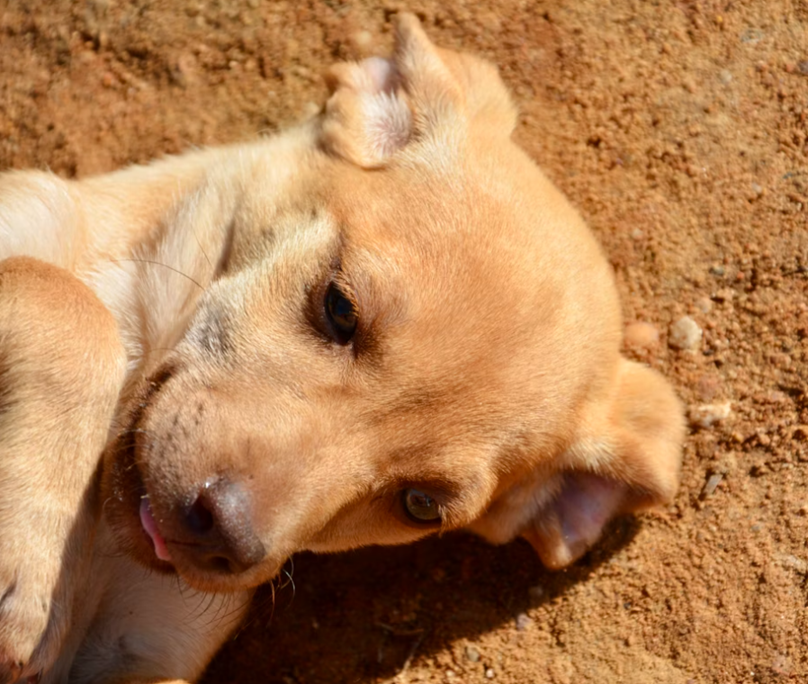
Why Does My Puppy Eat Rocks, Sticks, or Dirt? Causes, Dangers, and How to Stop It. If you’ve ever looked out into your yard and caught your puppy chomping on a rock, dragging around a stick, or digging up dirt to eat, you’re not alone. Many puppies go through this phase, and while it can seem silly or harmless at first, the behavior can actually be dangerous. Pet parents often ask: Why does my puppy eat rocks, sticks, or dirt? Is it normal? Should I be worried?
The short answer: puppies are naturally curious, but eating non-food items can pose serious health risks. In this guide, we’ll explain why puppies do this, when it’s a cause for concern, and how to stop it safely.
Why Do Puppies Eat Rocks, Sticks, or Dirt?
Puppies use their mouths the way human babies use their hands. Chewing, licking, and tasting are how they explore the world. Here are the most common reasons your puppy may eat rocks, sticks, or dirt:
-
Curiosity and exploration – Puppies are naturally curious, and they’ll put just about anything in their mouths to investigate.
-
Teething – Chewing helps soothe sore gums when their adult teeth are coming in.
-
Boredom – Puppies with extra energy or limited stimulation may chew on whatever they find outdoors.
-
Nutritional deficiencies – In some cases, eating non-food items can signal a mineral imbalance or a condition called pica in dogs.
-
Anxiety or stress – Some puppies chew or eat strange things as a way to self-soothe.
-
Copying behavior – If other dogs in the household chew sticks or dirt, a puppy may imitate.
Is It Normal for Puppies to Eat Rocks or Dirt?
Yes — it’s fairly common for puppies to mouth or chew on things outside. However, just because it’s common doesn’t mean it’s safe. Puppies may grow out of the habit, but in the meantime, it can be dangerous if they swallow something sharp, toxic, or indigestible.
Chewing on grass or soft sticks might not be a huge concern if supervised, but swallowing rocks, large chunks of wood, or dirt contaminated with pesticides or chemicals can lead to emergency situations.
The Dangers of Puppies Eating Rocks and Dirt
While the behavior might look cute or funny, the risks are real. Some potential dangers include:
-
Choking – Rocks or wood pieces can lodge in the throat.
-
Intestinal blockage – A swallowed rock can get stuck in the stomach or intestines, requiring surgery.
-
Perforation – Sharp sticks can puncture the digestive tract.
-
Dental damage – Hard chewing can break puppy teeth.
-
Toxic exposure – Dirt or mulch may contain chemicals, mold, or harmful bacteria.
Important: If your puppy actually swallows a rock or large stick, it’s more than a bad habit — it’s a veterinary emergency.

Are you finding this article useful? Would you like 100% free access to more articles like these, and free access to over 5,000 vetted pet care service professionals throughout the United States? Sign up here for a free Petworks account, and we’ll email you a 10% discount code, good towards your first pet care services booking on Petworks!
What to Do If Your Puppy Eats a Rock or Stick
 When It’s an Emergency
Call your veterinarian or an emergency clinic immediately if you notice:
-
Choking, gagging, or difficulty breathing
-
Vomiting, especially repeatedly
-
Loss of appetite
-
Lethargy or weakness
-
Abdominal swelling or signs of pain
Never try to make your puppy vomit without veterinary instruction — sharp objects could cause more damage coming back up.
At-Home Management (Non-Emergency)
If your puppy nibbled on dirt or chewed a stick without swallowing chunks:
-
Remove any remaining object.
-
Provide fresh water.
-
Monitor closely for symptoms.
-
Call your vet or an animal behaviorist for advice, even if your puppy seems fine.
How to Stop Puppies From Eating Rocks, Sticks, or Dirt
Breaking this habit requires a mix of training, management, and safe alternatives.
Training and Supervision
-
Teach “leave it” and reward compliance.
-
Redirect with toys or treats when they go for a rock or stick.
-
Supervise outdoor playtime, especially in areas with loose gravel or mulch.
“Dirt eating is a form of what is termed ‘pica,’ the ingestion of nonfood materials. There are many causes, including nutritional, behavioral, and physical. Stress or boredom can also lead to eating all sorts of things, including dirt.” – Holistic veterinarian Dr. Laurie S. Coger, DVM
Environmental Management
-
Puppy-proof your yard by removing loose rocks, sticks, and mulch.
-
Block access to areas where rocks or dirt are tempting.
-
Consider a designated play area that’s safe and clean.
Safe Alternatives
-
Offer durable chew toys designed for teething puppies.
-
Frozen carrots or puppy-safe teething treats can soothe gums.
-
Puzzle feeders or interactive toys keep their mind and mouth busy.
By giving your puppy something appropriate to chew on, you reduce the temptation of unsafe outdoor snacks.
Could It Be a Sign of Pica in Dogs?
Pica is a condition where dogs eat non-food items compulsively. In puppies, pica can sometimes just be a phase, but it may also point to medical concerns such as anemia, gastrointestinal problems, or malnutrition.
If your puppy consistently eats dirt, rocks, or other strange objects, it’s worth asking your vet about bloodwork or a dietary evaluation to rule out underlying issues.
When to Call the Vet
You should contact your veterinarian if:
-
Your puppy swallowed a rock or large stick.
-
Your puppy is vomiting, lethargic, or not eating.
-
Your puppy repeatedly eats non-food items despite training.
-
You suspect nutritional deficiencies or digestive problems.
It’s always better to be cautious. Many puppies end up needing urgent care because a “small pebble” turned into a serious blockage.
FAQ
Why does my puppy eat dirt and grass?
It’s usually curiosity or taste, though sometimes it’s linked to boredom or mild nutrient interest. Grass eating is common, but swallowing large amounts of dirt isn’t safe.
Will my puppy grow out of eating rocks?
Many puppies outgrow it as they mature, but training and supervision are crucial in the meantime.
What if my puppy swallowed a small pebble?
Call your vet for guidance. Sometimes small pebbles pass, but it depends on size and symptoms. Never assume it’s harmless.
Is it safe for puppies to chew on sticks?
Chewing can be okay if you supervise, but sticks splinter easily and swallowing pieces can cause harm. Safer chew alternatives are recommended.
How do I stop my puppy from eating everything outside?
Supervision, training commands like “leave it,” removing tempting items, and offering plenty of safe toys are the best strategies.
It’s common for puppies to eat rocks, sticks, or dirt, but it’s not safe. What starts as curiosity or teething can quickly turn into a health emergency. By supervising your puppy, teaching “leave it,” removing temptations, and offering safe alternatives, you can protect your pup from harm.
And remember: if your puppy swallows something they shouldn’t, call your veterinarian right away. With patience, puppy training, and a little prevention, most puppies grow out of this risky phase and learn what’s safe to chew — and what’s not.
About Petworks
 In 2021, Dr. Marty Goldstein DVM joined the pet care platform Petworks as an advisor in its Animal Nutrition care division. Dr Marty Nature’s Blend is on a mission to help your pets live their healthiest lives possible. Dr. Marty’s pet nutrition expertise and guidance has helped Petworks evolve and become the preeminent animal and pet nutrition consultation service for pet parents in North America.
 In 2022, Blue Buffalo Founder Bill Bishop Jr. joined Petworks as Senior Advisor in our Animal Nutrition Care Division. Bill brings his extensive expertise in pet food innovation and business leadership. His guidance helps Petworks enhance our pet nutrition service offerings, helping to ensure that pet parents throughout the world receive trusted, science-backed nutritional support for their dogs, cats, and animals.
About The Author
 Petworks Co-Founder Kevin Kinyon is a life-long animal lover who works tirelessly to improve the lives of pets and their parents. Human and animal qualities he values most are integrity, humor, and empathy.

 petworks tm