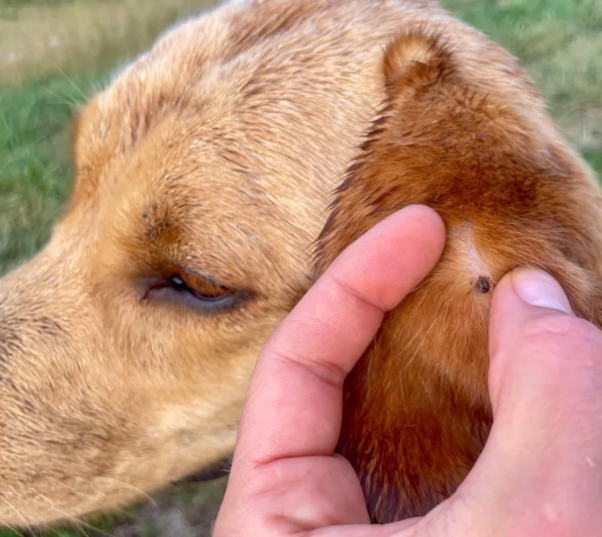
What Ticks Look Like on Dogs: Spotting, Identifying, and Handling Tick Bites. Ticks are small, blood-sucking parasites that attach themselves to the skin of dogs and other animals. Not only are they unpleasant, but they can also transmit dangerous diseases. Whether you live in a wooded area or frequent grassy parks, it’s essential to recognize what ticks look like on dogs, understand the health risks they pose, and know how to remove them safely.
What Do Ticks Look Like on Dogs?
Ticks vary in size depending on their species and whether they’ve fed. When unfed, they can be as small as a sesame seed. Once engorged with blood, they swell and may resemble a small grape. Most ticks have flat, oval bodies, and their color can range from brown, black, or reddish-tan. Some have distinctive markings or a shield-like shape on their backs.
 Ticks often hide under a dog’s fur, embedding themselves in warm, protected areas such as behind the ears, between the toes, under the collar, or around the groin and tail base. You may notice a small bump or see a tick attached, often with its head buried in the skin.
Tick Diseases to Worry About
Tick-borne diseases can be severe and even life-threatening to dogs. Common illnesses include:
1. Lyme Disease
Caused by Borrelia burgdorferi, Lyme disease is transmitted by the black-legged (deer) tick. It may cause fever, lethargy, lameness, swollen joints, and kidney problems.
2. Ehrlichiosis
Transmitted by the brown dog tick and lone star tick, this disease can cause fever, enlarged lymph nodes, nosebleeds, lethargy, and neurological symptoms.
3. Anaplasmosis
Another bacterial infection passed on by deer ticks, anaplasmosis causes joint pain, fever, vomiting, and sometimes seizures.
4. Rocky Mountain Spotted Fever
Spread by the American dog tick and the Rocky Mountain wood tick, this illness leads to fever, skin rash, bleeding disorders, and organ damage.
5. Babesiosis
This is a protozoan infection that affects red blood cells. Signs include dark urine, weakness, and anemia.
Early detection and treatment are crucial to preventing long-term complications, which is why tick checks are so important.
Types of Ticks in Various U.S. Regions
Different regions of the U.S. host different types of ticks, each associated with specific diseases:
-
Northeast & Upper Midwest: Black-legged (deer) ticks are known carriers of Lyme disease and anaplasmosis.
-
Southeast: Lone star ticks transmit ehrlichiosis and tularemia; easily recognized by the white dot on the female’s back.
-
Southwest & Midwest: Brown dog ticks are found in homes and kennels, they transmit ehrlichiosis and babesiosis.
-
Pacific Coast: Western black-legged ticks spread Lyme disease and anaplasmosis.
-
Rocky Mountain Region: Rocky Mountain wood ticks are associated with Rocky Mountain spotted fever and Colorado tick fever.
Understanding which ticks are common in your area can help you assess your dog’s risk level and prepare accordingly.
How to Spot and Find a Tick on a Dog
Tick checks should be part of your routine, especially after walks or outdoor adventures. Here’s how to conduct a thorough tick search:
Feel for Bumps: Use your fingers to gently comb through your dog’s fur, feeling for any unusual bumps or small lumps on the skin.
Inspect Hotspots: Pay close attention to hidden or warm spots…behind ears, under the collar, between toes, around the tail, and in skin folds.
Use a Fine-Toothed Comb: Run a comb through the coat to catch any loose ticks or alert you to areas that need closer inspection.
Visual Check: Look for ticks visually, especially in short-haired dogs. Use a flashlight in dim lighting.
Early removal minimizes the risk of disease transmission.
Will a Dog’s Behavior Change When a Tick Has Attached?
Sometimes, yes. Dogs may scratch or bite at the site of a tick bite. You might notice restlessness, whining, or licking at a specific area. In some cases, dogs show no behavioral changes, especially if the tick is in a hidden spot.
If a dog begins to seem lethargic, experiences a drop in appetite, or has joint pain, it’s important to consider that a tick-borne illness may be present. Sudden behavior changes warrant a closer inspection and a call to the vet.
How to Safely Remove a Tick from a Dog
Never yank or twist a tick with your fingers. Improper removal can leave mouthparts embedded in the skin or cause the tick to regurgitate its contents, raising the chance of disease transmission.
Here’s how to safely remove a tick:
-
Use Fine-Tipped Tweezers or a Tick Removal Tool: Grasp the tick as close to the skin’s surface as possible.
-
Pull Straight Out with Steady Pressure: Avoid twisting or jerking the tick.
-
Do Not Squeeze the Body: This could inject harmful pathogens into your dog’s bloodstream.
-
Disinfect the Area: Use antiseptic or alcohol on the bite site after removal.
-
Dispose of the Tick: Submerge it in rubbing alcohol or place it in a sealed bag for identification if needed.
Wash your hands thoroughly after handling ticks.
 When to See a Vet
Not every tick bite requires a vet visit, but the following signs do:
-
The tick was attached for more than 24-36 hours.
-
Part of the tick (like the mouth) is stuck in the skin.
-
Your dog shows signs of illness: fever, fatigue, limping, or appetite loss.
-
The bite site becomes red, swollen, or infected-looking.
-
Your dog has multiple ticks or frequent exposure to tick-heavy environments.
Your vet may recommend testing for tick-borne illnesses or prescribe preventive antibiotics.
How to Care for a Dog Post-Tick Removal
After tick removal, monitor your dog’s health and the bite site:
-
Clean the Bite Area: Apply a pet-safe antiseptic and monitor for signs of redness or irritation over the next few days.
-
Watch for Symptoms: Fever, limping, lethargy, or vomiting could indicate a tick-borne illness. Take note of any changes.
-
Mark the Date and Location: Keep track of when and where the tick was removed in case symptoms develop weeks later.
-
Keep the Tick: Store it in a small container or plastic bag labeled with the date. This can be helpful for identification if your dog becomes sick.
Continue to check your dog regularly and consider discussing tick prevention with your vet.

Are you finding this article useful? Would you like 100% free access to more articles like these, and free access to over 5,000 vetted pet care service professionals throughout the United States? Sign up here for a free PetWorks account, and we’ll email you a 10% discount code, good towards your first pet care services booking on PetWorks!
Tick Prevention for Dogs
The best way to protect your dog from tick-borne diseases is by preventing bites in the first place. Here are a few preventive strategies:
-
Topical or Oral Tick Preventives: Monthly treatments are available from your vet and provide reliable protection.
-
Tick Collars: These can offer long-lasting defense, especially in high-risk areas.
-
Regular Grooming: Keep your dog’s coat trimmed and check them frequently during tick season.
-
Yard Maintenance: Keep your lawn mowed, leaf litter cleaned, and bushes trimmed to reduce tick habitat.
-
Avoid Tick-Prone Areas: During peak seasons (spring through fall), be cautious in dense brush or tall grasses.
What Do Ticks Look Like on Dogs and What To do
Ticks are more than just a nuisance. They pose serious health risks to dogs. Knowing what ticks look like on dogs, how to find them, and how to respond is essential to keeping your pet healthy. Regular tick checks, safe removal techniques, and preventive care can go a long way in protecting your furry companion from dangerous tick-borne illnesses. If ever in doubt, contact your veterinarian and ensure your dog receives the proper care and attention after a tick encounter.
About PetWorks
 In 2021, Dr. Marty Goldstein DVM joined the pet care platform PetWorks as an advisor in its Animal Nutrition care division. Dr Marty Nature’s Blend is on a mission to help your pets live their healthiest lives possible. Dr. Marty’s pet nutrition expertise and guidance has helped PetWorks evolve and become the preeminent animal and pet nutrition consultation service for pet parents in North America.
 In 2022, Blue Buffalo Founder Bill Bishop Jr. joined PetWorks as Senior Advisor in our Animal Nutrition Care Division. Bill brings his extensive expertise in pet food innovation and business leadership. His guidance helps PetWorks enhance our pet nutrition service offerings, helping to ensure that pet parents throughout the world receive trusted, science-backed nutritional support for their dogs, cats, and animals.
About The Author
 PetWorks Co-Founder Kevin Kinyon is a life-long animal lover who works tirelessly to improve the lives of pets and their parents. Human and animal qualities he values most are integrity, humor, and empathy.

 petworks tm