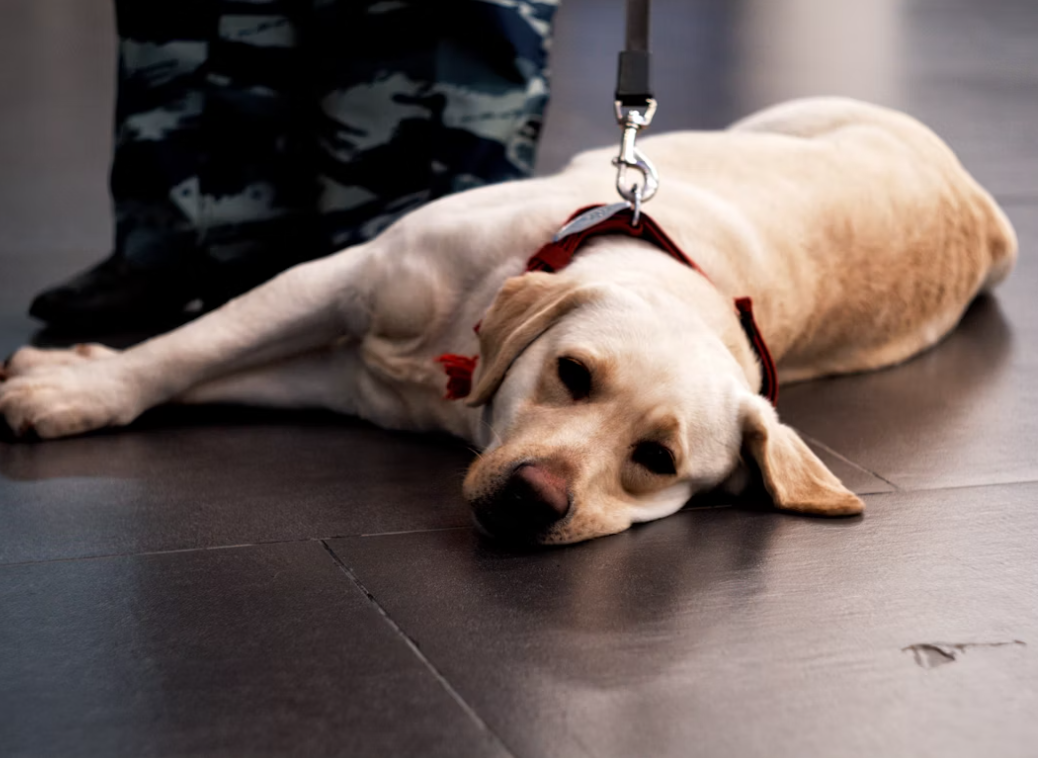
Transporting a pet over a long distance can be stressful. Not just for the animal, but for the pet parent as well. Whether you are relocating to a new city, moving overseas, or sending your pet to a trusted boarding facility, proper preparation is crucial for a safe and comfortable journey. In this guide, we’ll cover step-by-step strategies to prepare your pet for long-distance pet transport services, ensuring a smooth experience from start to finish.
Aspects of pet travel we’ll cover in this article:
-
Long-distance pet transport
-
Pet relocation services
-
Safe pet travel
-
Stress-free pet transport
-
Pet travel tips
Why Proper Preparation is Essential
Long-distance pet transport involves several risks, including stress, illness, or injury if the journey isn’t planned carefully. Animals are sensitive to changes in environment, routine, and temperature. Preparing your pet in advance helps reduce anxiety, ensures compliance with airline or transport regulations, and makes the entire process safer for both the pet and the transport service provider.
Step 1: Choose a Reputable Pet Transport Service
Selecting a reliable pet transport service is the foundation of a safe journey. Look for companies that specialize in long-distance pet relocation and have excellent reviews from other pet owners. Many services offer door-to-door transport, climate-controlled vehicles, and trained staff to handle animals of all sizes.
Checklist for Choosing a Pet Transport Service:
-
Verify licensing and certifications.
-
Confirm insurance coverage.
-
Ask about climate control, travel crates, and monitoring procedures.
-
Check references and read online reviews.
Using a licensed and insured service reduces the risk of accidents and ensures your pet is in capable hands.
Step 2: Prepare Your Pet’s Health Records
Most long-distance pet transport services require up-to-date health documentation, including vaccinations, microchip information, and a recent vet check. Preparing these documents ahead of time can prevent delays or refusals during the transport process.
Key Health Preparations:
-
Veterinary Check-Up: Ensure your pet is healthy and fit for travel.
-
Vaccinations: Confirm all required vaccinations are up-to-date.
-
Microchipping: Some transport services require pets to be microchipped.
-
Medication: Provide any ongoing medication and instructions for care.
 Pro Tip: Ask your veterinarian about calming options for anxious pets. Some natural supplements or short-term medication can help reduce travel stress.
Step 3: Get the Right Travel Crate
The travel crate is your pet’s temporary home during transit. Choosing the correct size and type is critical for comfort and safety. Crates should be sturdy, well-ventilated, and airline-approved if your pet is flying.
Travel Crate Tips:
-
Large enough for the pet to stand, turn, and lie down comfortably.
-
Proper labeling with your pet’s name, your contact information, and any special instructions.
-
Absorbent bedding to keep your pet dry and comfortable.
-
Familiar items such as a favorite toy or blanket to reduce anxiety.
Tip for Cats and Small Dogs: Place a familiar towel or a worn t-shirt inside the crate to provide a comforting scent.

Are you finding this article useful? Would you like 100% free access to more articles like these, and free access to over 5,000 vetted pet care service professionals throughout the United States? Sign up here for a free Petworks account, and we’ll email you a 10% discount code, good towards your first pet care services booking on Petworks!
Step 4: Acclimate Your Pet to the Crate
Introducing your pet to the travel crate well in advance helps reduce stress on the day of transport. Start by allowing your pet to explore the crate at home. Gradually increase the time your pet spends inside, paired with positive reinforcement such as treats or praise.
Step-by-Step Crate Acclimation:
-
Place the crate in a common area of your home.
-
Encourage your pet to enter voluntarily with treats.
-
Leave the crate door open initially, then slowly close it for short periods.
-
Gradually extend the time your pet spends inside.
-
Reward calm behavior and avoid forcing the pet inside.
A pet comfortable with their crate is more likely to remain calm during long-distance travel.
Step 5: Prepare for Feeding and Hydration
Proper nutrition and hydration are essential for a safe journey. Avoid feeding your pet a heavy meal right before travel, as this can cause discomfort or motion sickness.
Feeding and Hydration Guidelines:
-
Provide a light meal 3–4 hours before departure.
-
Offer water regularly, but avoid overhydration right before transit.
-
Include a spill-proof water bowl in the crate.
For long trips, coordinate with the transport service about scheduled feeding and water breaks.
Step 6: Minimize Stress Before the Journey
Pets pick up on their owner’s emotions, so staying calm yourself can help your pet remain relaxed. Additionally, familiar scents and toys can provide comfort during travel.
Stress-Reduction Tips:
-
Keep routines consistent prior to the trip.
-
Use natural calming aids, such as pheromone sprays or anxiety wraps.
-
Provide a favorite blanket, toy, or chew item inside the crate.
-
Avoid loud noises or chaotic environments before departure.
Step 7: Prepare for Emergencies
Even with careful planning, unexpected situations may arise. Being prepared ensures your pet’s safety.
Emergency Preparations:
-
Carry a recent photo of your pet for identification.
-
Include a first-aid kit with essentials such as bandages, antiseptic wipes, and any prescribed medication.
-
Keep emergency contacts handy, including your veterinarian and the transport service provider.
Step 8: Coordinate Logistics with the Transport Service
Clear communication with your chosen transport company is vital. Confirm all details, including pick-up and drop-off times, routes, and any special requirements for your pet.
Questions to Ask:
-
What is the expected travel duration?
-
Are there scheduled stops for food, water, and potty breaks?
-
How will my pet be monitored during transit?
-
What happens in case of a delay or emergency?
Having all logistics sorted reduces stress for you and ensures your pet’s journey is as smooth as possible.
Step 9: Monitor Your Pet After Arrival
Upon arrival, give your pet time to acclimate to the new environment. Some pets may be anxious or disoriented after long-distance travel. Offer familiar items, a calm space, and plenty of attention.
Tips for Post-Travel Adjustment:
-
Maintain a consistent feeding schedule.
-
Provide gentle playtime and walks to help your pet settle.
-
Monitor for signs of stress, illness, or injury.
-
Consult a veterinarian if your pet shows unusual behavior or health concerns.
Let’s Hear From An Expert
“Shipping a pet is very safe when the proper precautions are taken.” –David Landers, DVM, owner of AirVets Pet Relocation and former director‑at‑large at the International Pet & Animal Transportation Association.
Long-distance pet transport can be a smooth, stress-free experience when approached with proper planning and preparation. From choosing a reliable pet transport service to acclimating your pet to the travel crate and coordinating logistics, every step matters. By following these guidelines, you can ensure your pet’s safety, comfort, and well-being during the journey, making relocation or long-distance travel a positive experience for both you and your furry companion.
FAQs About Long-Distance Pet Transport
1. How can I prepare my pet for long-distance travel?
Prepare your pet by ensuring up-to-date vaccinations, a comfortable travel crate, and gradual acclimation to the crate. Feeding and hydration should be managed carefully before the trip to minimize stress.
2. What kind of travel crate is best for long-distance pet transport?
A sturdy, well-ventilated, airline-approved crate is ideal. It should allow your pet to stand, turn, and lie down comfortably. Including familiar items like a blanket or toy can help reduce anxiety.
3. Is long-distance pet transport safe?
Yes. According to Dr. David Landers, DVM, “Shipping a pet is very safe when the proper precautions are taken.” Choosing a reputable pet transport company and preparing your pet properly are key factors.
4. Can I give my pet medication for anxiety during travel?
Consult your veterinarian before the trip. Some pets benefit from natural calming supplements or short-term medication, but it must be used under professional guidance.
5. What should I do when my pet arrives after a long-distance move?
Allow your pet time to acclimate to the new environment. Maintain routines, offer familiar items, provide gentle exercise, and monitor for any signs of stress or illness.
6. Do I need to provide health records for long-distance pet transport?
Yes. Most transport services require vaccination records, recent vet check-ups, microchip information, and details about ongoing medication. Preparing these documents in advance prevents delays.
7. How can I reduce my pet’s stress during the journey?
Keep routines consistent, provide favorite toys or blankets, use calming aids if recommended by your vet, and avoid last-minute chaos before the trip.
About Petworks
 In 2021, Dr. Marty Goldstein DVM joined the pet care platform Petworks as an advisor in its Animal Nutrition care division. Dr Marty Nature’s Blend is on a mission to help your pets live their healthiest lives possible. Dr. Marty’s pet nutrition expertise and guidance has helped Petworks evolve and become the preeminent animal and pet nutrition consultation service for pet parents in North America.
 In 2022, Blue Buffalo Founder Bill Bishop Jr. joined Petworks as Senior Advisor in our Animal Nutrition Care Division. Bill brings his extensive expertise in pet food innovation and business leadership. His guidance helps Petworks enhance our pet nutrition service offerings, helping to ensure that pet parents throughout the world receive trusted, science-backed nutritional support for their dogs, cats, and animals.
About The Author
 Petworks Co-Founder Kevin Kinyon is a life-long animal lover who works tirelessly to improve the lives of pets and their parents. Human and animal qualities he values most are integrity, humor, and empathy.

 petworks tm