
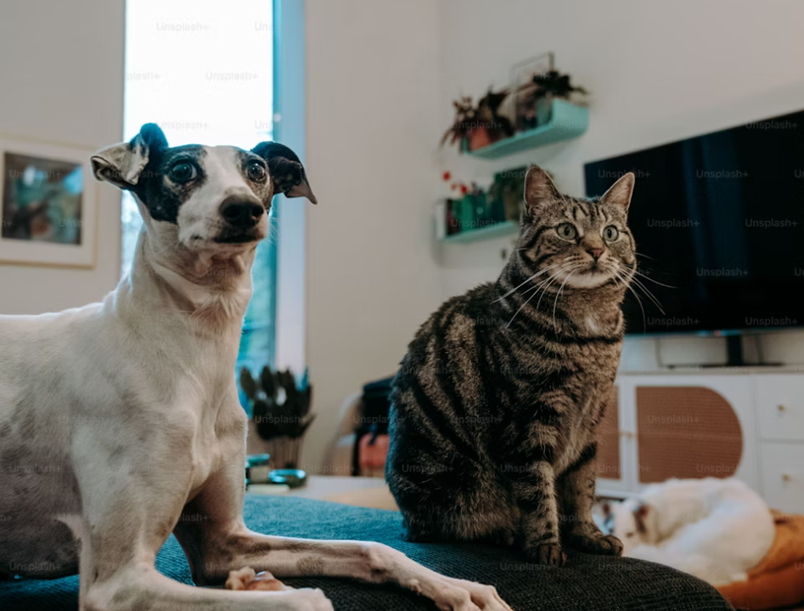
For many pet owners, a simple goodbye can turn into a heartbreaking scene of distress. The sight of a trembling dog or a wailing cat as you head for the door is a common and distressing problem. This is often a sign of separation anxiety, a condition that affects a significant number of our beloved animal companions. Far from a simple case of “bad behavior,” separation anxiety is a genuine panic disorder in which a pet experiences intense fear and stress when left alone. It’s a deeply emotional issue rooted in their profound bond with their human family.
Understanding separation anxiety is the first step toward helping your pet. It’s not about spite or a lack of training; it’s about a deep-seated fear of being abandoned. The good news is that with patience, consistency, and a structured approach, you can help your pet build the confidence they need to feel safe and secure, even when you’re not there. This comprehensive guide will walk you through everything from identifying the symptoms to implementing a step-by-step plan for a happier, more confident pet.
1. Recognizing the Symptoms: Is It Just a Bad Day or Is It Anxiety?
 Before you can treat the problem, you need to be sure it’s separation anxiety. The symptoms can vary in severity, but they are almost always triggered by your departure or presence alone.
- Excessive Vocalization: Constant barking, howling, or meowing as soon as you leave or just before you do. Neighbors often report this as the first sign of a problem.
- Destructive Behavior: Chewing, scratching, or destroying furniture, doors, and windows. This is often concentrated around exit points as the pet attempts to get out and find you.
- Inappropriate Urination or Defecation: House-trained pets may suddenly start having accidents indoors, even if they were just let out. This is a panic response, not a potty training issue.
- Pacing and Restlessness: Anxious pets may pace in circles or a repetitive pattern, unable to settle down.
- Excessive Drooling or Panting: Both dogs and cats can exhibit these physical signs of stress.
- Pawing at the Door: A desperate attempt to follow you, often accompanied by frantic scratching.
- Refusing to Eat or Drink: The pet may ignore their food and water bowl entirely until you return.
- Escaping: In severe cases, a pet may injure themselves trying to escape from a crate, room, or even the house.
If you suspect your pet has separation anxiety, it can be helpful to set up a camera or a pet monitoring app to observe their behavior when you’re gone. This will give you a clear picture of what’s happening and the severity of their distress.
2. Proactive Steps: Preventing Anxiety in Puppies and Kittens
The best cure is always prevention. If you’ve just adopted a new pet, you have a unique opportunity to build a foundation of confidence.
- Start Small: Leave your pet alone for just 5-10 minutes at a time, gradually increasing the duration. Do this while they are calm and relaxed, and return before they show any signs of distress.
- Practice Short Departures: Get them used to your departure cues (grabbing keys, putting on a coat) without actually leaving. This desensitizes them to the triggers.
- Make “Alone Time” Fun: Give them a high-value, long-lasting treat or a puzzle toy only when you leave. This creates a positive association with your departure.
- Avoid Emotional Goodbyes: Don’t make a big fuss when you leave or when you return. This reinforces that your departure is a big, emotional event. Instead, be calm and casual.
3. The Cornerstone of Recovery: Desensitization Training
For pets that already have separation anxiety, the key is desensitization. This is a gradual process of teaching them that your departure is not something to panic about. The goal is to keep them below their panic threshold.
- Step 1: The False Departure. Start by practicing the routine you go through when you leave the house. Grab your keys, put on your shoes, open the door, and then close it and immediately come back in. Do this repeatedly, and your pet will learn that these cues don’t always mean you are leaving for a long time.
- Step 2: Short, Unpredictable Absences. Leave for a few seconds, then come back. Then leave for 10 seconds, then 30 seconds, then a minute. The time intervals should be random. The most important rule is to come back before your pet starts to panic. If they bark or show signs of distress, you have left for too long. Go back to a shorter duration and try again.
- Step 3: Increase Duration Gradually. Once your pet is comfortable with you being gone for a minute, you can slowly extend the time. The increase should be subtle—maybe 3 minutes, then 5, then 8. The goal is a series of successful, anxiety-free absences.
- Step 4: Use a “Safe Space.” A pet bed, crate, or a specific room can become a sanctuary. Make this space a place they love by feeding them there, playing with them there, and giving them their favorite toys and blankets. Never use the space as a punishment area.
This process can take weeks or even months, but patience is vital. Pushing too fast will only reinforce their anxiety.
4. The Role of Interactive Toys and Calming Aids
While training is extremely important, there are tools that can help support the process.
- Interactive and Puzzle Toys: A frozen Kong filled with peanut butter or a puzzle toy will keep your pet’s mind occupied and can distract them from the stress of being alone. Give this to them right as you are about to leave.
- Calming Aids:
- Pheromone Diffusers: Products like Adaptil for dogs and Feliway for cats release synthetic pheromones that mimic the scent of a nursing mother, creating a sense of calm and security.
- Anxiety Vests: Garments like the Thundershirt apply gentle, constant pressure, similar to swaddling a baby. This can have a calming effect on some pets.
- Calming Chews and Supplements: Many natural supplements containing ingredients like chamomile, L-theanine, or tryptophan can help promote relaxation. Always consult your vet before giving your pet any supplements.
- White Noise or Music: Leaving a radio or TV on can help muffle outside noises that might trigger anxiety. There are even specific playlists and channels designed for anxious pets.

Are you finding this article useful? Would you like 100% free access to more articles like these, and free access to over 5,000 vetted pet care service professionals throughout the United States? Sign up here for a free Petworks account, and we’ll email you a 10% discount code, good towards your first pet care services booking on Petworks!
5. Exercise and Mental Stimulation: A Tired Pet is a Happy Pet
A pet with pent-up energy is more likely to be a stressed pet.
- Physical Exercise: Before you leave, take your dog for a long walk or a vigorous play session. For cats, a good 15-20 minute session with a feather wand or laser pointer can make a big difference. This physical activity will help them release tension and be more inclined to rest when you are gone.
- Mental Stimulation: Don’t forget about their minds! Games like “find the treat” or teaching them new tricks can be just as tiring as a long walk. A mentally stimulated pet is less likely to feel bored or anxious.
6. When to Seek Professional Help
If your pet’s separation anxiety is severe, or if you are not seeing any improvement with at-home training, it’s time to call in the experts.
- Consult Your Veterinarian: Your vet can rule out any underlying medical conditions that might be causing or exacerbating the behavior. They may also be able to prescribe anti-anxiety medication in conjunction with a behavioral modification plan.
- Find a Certified Animal Behaviorist: A professional can work with you one-on-one to create a customized training plan that fits your pet’s specific needs and your lifestyle. They can provide the expert guidance and support necessary to tackle severe cases.
7. The “Don’t Do” List
- Don’t Punish: Never scold or punish your pet for destructive behavior or accidents that occurred while you were away. They won’t understand why they are being punished and it will only increase their fear and anxiety.
- Don’t Make a Big Deal: Avoid long, emotional goodbyes or overly enthusiastic reunions. Keep both departures and arrivals as low-key as possible.
- Don’t Rush the Process: Patience is key. If you try to move too quickly, you’ll likely cause a setback. Progress is not always linear; celebrate the small victories and don’t be discouraged by a bad day.
- Don’t Give Up: Separation anxiety is a difficult and frustrating problem, but it is manageable. With time, consistency, and love, your pet can learn to cope and become a more confident companion.
By understanding the root of the problem and applying these proven strategies, you can transform your pet’s fear into newfound confidence. The journey may be challenging, but the reward of seeing your beloved pet finally at ease is well worth the effort.
About Petworks
 In 2021, Dr. Marty Goldstein DVM joined the pet care platform Petworks as an advisor in its Animal Nutrition care division. Dr Marty Nature’s Blend is on a mission to help your pets live their healthiest lives possible. Dr. Marty’s pet nutrition expertise and guidance has helped Petworks evolve and become the preeminent animal and pet nutrition consultation service for pet parents in North America.
 In 2022, Blue Buffalo Founder Bill Bishop Jr. joined Petworks as Senior Advisor in our Animal Nutrition Care Division. Bill brings his extensive expertise in pet food innovation and business leadership. His guidance helps Petworks enhance our pet nutrition service offerings, helping to ensure that pet parents throughout the world receive trusted, science-backed nutritional support for their dogs, cats, and animals.
 Petworks Co-Founder Kevin Kinyon is a life-long animal lover who works tirelessly to improve the lives of pets and their parents. Human and animal qualities he values most are integrity, humor, and empathy.

 petworks tm









Definitely believe the content of this well written article!