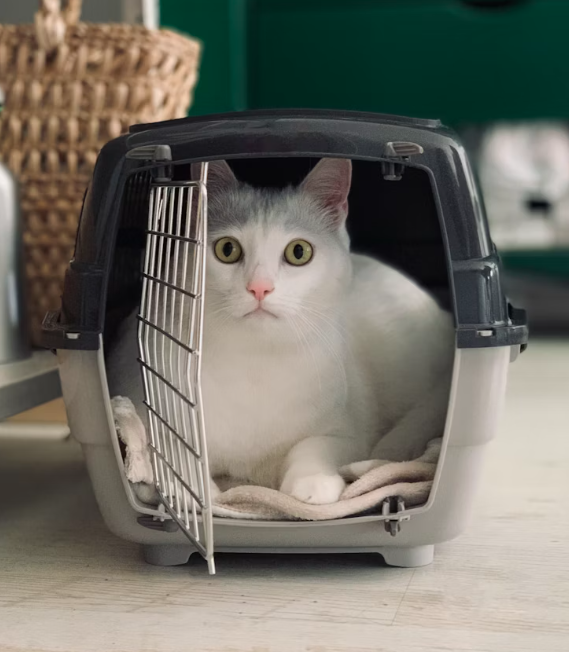
What Do I Need to Become a USDA‑Certified Pet Transporter? If you’re reading this, you’re likely exploring how to launch a business in the growing field of pet relocation, specifically around USDA certified pet transport. Whether you aim to move dogs, cats (or other animals) domestically across U.S. states or internationally, becoming compliant and operating professionally will be key. This article explains what you need to know to become a transporter under the umbrella of the Animal and Plant Health Inspection Service (APHIS) of the USDA, uses of terms like “USDA certified pet transport,” and actionable steps for launching a business. (more…)
Category: Pet Transportation Advice
Rely on our team of pet transport professionals to ensure your pet travels safely and affordably. We specialize in both local and long-distance pet transportation, offering comprehensive door-to-door services throughout the USA and beyond. Our services extend beyond mere convenience; they are crucial in facilitating animal rescue and adoption efforts by safely transporting rescue animals from overcrowded shelters to loving homes or foster families.
When it comes to pet shipping and transport, trust and reliability are paramount. Our pet shipping service providers guarantee stress-free transportation for your furry companions, prioritizing their comfort and punctuality. Equipped with experienced handlers and specialized gear, we cater to diverse needs, whether it’s domestic moves or international journeys.
Your pet’s well-being is our top priority, and we ensure personalized care and attention every step of the way. Book with Petworks for a seamless pet transport experience that prioritizes your pet’s safety. Receive a free quote within minutes and securely reserve a USDA registered, dependable pet shipping professional or pet travel company today.
How Safe And Comfortable Is A Flight For My Dog?

A Comprehensive Guide to Transporting Dogs via Airplane. Air travel with dogs can be a daunting task, but with the right planning and resources, it becomes a manageable and safe process. Whether you’re relocating, going on vacation, or sending your dog to a new home, understanding the options available…including flight nannies, pet transport services, and compliance with regulations for both domestic and international travel…is important to ensuring a smooth journey for your furry companion.
Domestic Air Travel for Dogs
Domestic air travel is generally more straightforward than international travel, but it still requires careful planning. Airlines in the United States have specific rules for transporting pets, depending on the dog’s size and breed.
- Cabin Travel: Small dogs, typically weighing under 20 pounds, can often travel in the cabin with their owners. They must be placed in an airline-approved carrier that fits under the seat in front of you.
- Cargo Travel: Larger dogs must travel in the cargo hold in a secured, ventilated crate that meets International Air Transport Association (IATA) standards. While cargo holds are temperature-controlled, certain breeds—like brachycephalic dogs…may not be allowed due to health risks.
Before booking, check your airline’s pet policy and ensure your dog meets all requirements. Additionally, book your pet’s travel well in advance, as airlines often have limited space for pets on flights.
International Air Travel for Dogs
International travel adds layers of complexity due to varying regulations across countries.
- Health Certificates: Most countries require a health certificate issued by a USDA-accredited veterinarian. This document verifies your dog is healthy and vaccinated, particularly against rabies.
- Microchipping: Many countries mandate that dogs be microchipped with an ISO-compliant microchip.
- Quarantine Requirements: Some destinations, such as Australia and New Zealand, have strict quarantine rules. Research the destination’s requirements well in advance to avoid surprises.
- Pet Passports: In regions like the European Union, pet passports simplify travel by consolidating health and vaccination records into one document.
Planning for international pet travel often involves consulting with a pet transport service or an animal relocation expert to navigate the regulations and paperwork.
 Let’s Hear From Vet Experts:
“Flying with your dog can be safe if you take the right precautions. It’s essential to consult your veterinarian before travel to ensure your pet is healthy enough for the journey. Acclimating your dog to their carrier, choosing direct flights, and avoiding sedation unless prescribed are key steps to minimize stress and risks.” – Dr. Jennifer Coates, DVM
“While air travel can be stressful for dogs, it’s not inherently dangerous. The cargo hold is pressurized and climate-controlled, but it’s still preferable to have your pet travel in the cabin with you. If cargo is necessary, ensure the carrier is IATA-compliant and acclimate your dog to it well in advance.” – Dr. Sarah Wooten, DVM
Role of Flight Nannies
Flight nannies are professionals who accompany pets on flights, ensuring their safety and comfort throughout the journey. This service is particularly beneficial for puppies or dogs that might experience stress during travel.
- In-Cabin Transport: Flight nannies typically fly in the cabin with the dog, ensuring close supervision.
- Custom Itineraries: They manage logistics, including layovers, ensuring the dog is cared for at all times.
- Specialized Care: Flight nannies are trained to handle unexpected situations, such as delays or health emergencies.
To hire a flight nanny, look for reputable companies or freelance nannies with positive reviews. Ensure they are familiar with airline policies and the specific needs of your dog.
Pet Transport Services
Professional pet transport services handle the logistics of shipping pets, including booking flights, obtaining necessary documentation, and ensuring compliance with airline and country-specific regulations. Many services offer door-to-door options, where they pick up your pet from your home and deliver them to the destination.
USDA Pet Travel
The United States Department of Agriculture (USDA) plays a crucial role in regulating pet travel, particularly for international and interstate transportation. Its primary focus is to ensure the safety, health, and welfare of pets, while preventing the spread of diseases across borders. For international pet travel, the USDA oversees the certification of health documents, ensuring pets meet the import requirements of destination countries. Accredited veterinarians prepare health certificates, which must then be endorsed by the USDA for compliance. The USDA also sets standards for airline-approved pet carriers, ensuring the safety and comfort of animals during transit. For interstate travel, especially involving livestock or exotic pets, USDA regulations safeguard animal health by requiring specific documentation and quarantine measures. By collaborating with airlines, veterinarians, and pet owners, the USDA facilitates smooth travel while prioritizing biosecurity, public health, and animal welfare. Its regulations help pet parents navigate complex logistics confidently and responsibly.

Are you finding this article useful? Would you like 100% free access to more articles like these, and free access to over 5,000 vetted pet care service professionals throughout the United States? Sign up here for a free Petworks account, and we’ll email you a 10% discount code, good towards your first pet care services booking on Petworks!
Special Considerations for Air Travel
Breed Restrictions
Some airlines and countries impose restrictions on specific breeds. For example, brachycephalic breeds may not be allowed in the cargo hold due to their higher risk of respiratory distress. Always confirm breed policies before booking.
Age Requirements
Most airlines require dogs to be at least 8-10 weeks old to travel. Puppies may need additional vaccinations depending on the destination.
Weather Restrictions
Extreme temperatures can affect pet travel, particularly in the cargo hold. Airlines often have seasonal restrictions to protect pets during hot summers and cold winters.
 Tips for a Smooth Journey:
- Visit the Vet: Schedule a pre-travel checkup to ensure your dog is healthy enough to fly.
- Update Microchip Information: Ensure your dog’s microchip is registered with current contact details.
- Pack a Travel Kit: Include food, water, waste bags, and a comfort item like a blanket or toy.
- Exercise Before the Flight: A tired dog is less likely to experience anxiety during travel.
So…How Comfortable and Safe Is A Flight For My Dog?
Many pet owners worry about the safety and comfort of their dog during air travel, and these concerns are valid. A dog’s experience in the air depends on multiple factors, including their size, breed, temperament, and whether they travel in the cabin or cargo. Small dogs traveling in the cabin often experience less stress, as they remain close to their owners in a familiar environment. Airlines require that in-cabin pets stay in approved carriers that fit under the seat, providing a cozy, secure space for the dog throughout the flight.
For larger dogs that must travel in the cargo hold, safety and comfort are more complex issues. Airlines maintain climate-controlled, pressurized cargo areas and follow strict protocols to handle pets carefully. Still, pets can experience anxiety due to unfamiliar noises, vibrations, and separation from their owner. Choosing direct flights whenever possible reduces travel time and limits handling stress.
Preparation is key to keeping your dog comfortable. Gradually acclimate your dog to their travel crate at home and ensure they get plenty of exercise before the flight to make a big difference. Feeding should be light before travel to prevent nausea, and always provide access to water. Some airlines also offer specific kennel requirements to maximize comfort, such as padding and ventilation.
Breed Matters
Certain breeds, particularly brachycephalic (short-nosed) dogs, are at higher risk of breathing difficulties and heat stress during flights. Pet owners should consult their veterinarian to assess travel readiness and discuss strategies to minimize risk. Veterinarians generally discourage sedating pets because it can interfere with their natural breathing and stress responses
Ultimately, while flying with a dog involves some risks, careful planning, the right carrier, and adherence to airline guidelines can make air travel a safe and comfortable experience for most dogs. Understanding your dog’s specific needs and preparing accordingly ensures a smoother journey for both pet and owner.
Frequently Asked Questions (FAQs) About Flying With Dogs
1. Can my dog fly in the cabin with me?
Small dogs may fly in the cabin if they fit in an airline-approved carrier that goes under the seat. Larger dogs usually travel in the cargo hold. Always check the airline’s specific policies.
2. What documentation does my dog need to fly?
Domestic flights typically require a health certificate from your veterinarian. International flights often require additional paperwork, vaccinations, and sometimes microchipping.
3. How can I make my dog comfortable during the flight?
Gradually crate-train your dog, provide exercise before the flight, feed a light meal, ensure proper hydration, and choose direct flights when possible.
4. Are there breeds that should avoid flying?
Brachycephalic breeds (short-nosed dogs) like Bulldogs and Pugs are at higher risk for breathing problems, especially in cargo. Consult a vet before travel.
5. Should I sedate my dog for the flight?
Sedation is generally discouraged because it can interfere with breathing and stress responses. Always consult your veterinarian for advice.
6. How much does it cost to fly with a dog?
Costs vary depending on airline, travel distance, and whether your dog flies in the cabin or cargo. Cabin fees are usually lower, while cargo transport is more expensive.
7. What safety measures do airlines take for pets?
Airlines use climate-controlled, pressurized cargo areas and follow handling protocols to ensure safety. Direct flights and proper crate selection further reduce risk.
8. How early should I prepare for a dog flight?
Preparation should begin weeks in advance for crate training, vet checkups, and gathering required documentation. Early booking is also essential, as airlines limit the number of pets per flight.
9. Can my dog get stressed during a flight, and how can I help?
Yes, dogs can get stressed from noises, turbulence, and separation. Familiar blankets or toys in the carrier, short practice trips, and staying calm yourself can help reduce anxiety.
10. What should I do if my dog has special medical needs?
Consult your veterinarian well in advance. Some airlines allow medical oxygen, medications, or other accommodations, but these must be arranged ahead of time.
11. Is it better to fly during the day or night?
Daytime flights are often preferred for dogs because airlines have more staff available and it’s easier to monitor temperature-sensitive cargo. Early morning or late evening can also help avoid extreme temperatures.
Preparing for Post-Travel
After your dog’s flight, give them time to adjust and recover. Provide water immediately upon arrival and monitor for signs of stress or dehydration. If traveling internationally, comply with any required quarantine periods.
About Petworks
 In 2021, Dr. Marty Goldstein DVM joined the pet care platform Petworks as an advisor in its Animal Nutrition care division. Dr Marty Nature’s Blend is on a mission to help your pets live their healthiest lives possible. Dr. Marty’s pet nutrition expertise and guidance has helped Petworks evolve and become the preeminent animal and pet nutrition consultation service for pet parents in North America.
 In 2022, Blue Buffalo Founder Bill Bishop Jr. joined Petworks as Senior Advisor in our Animal Nutrition Care Division. Bill brings his extensive expertise in pet food innovation and business leadership. His guidance helps Petworks enhance our pet nutrition service offerings, helping to ensure that pet parents throughout the world receive trusted, science-backed nutritional support for their dogs, cats, and animals.
About The Author
 Petworks Co-Founder Kevin Kinyon is a life-long animal lover who works tirelessly to improve the lives of pets and their parents. Human and animal qualities he values most are integrity, humor, and empathy.
What Do Devon Rex Kittens Eat? Pixie Cat Care Companion
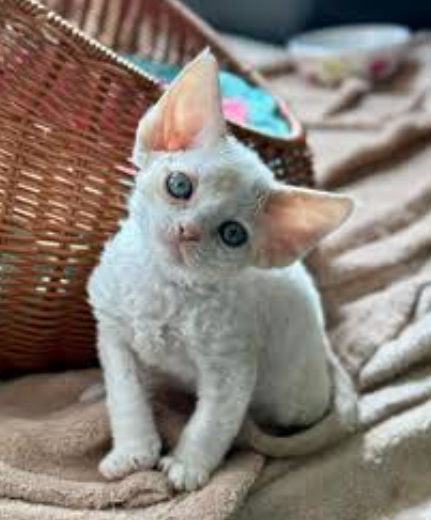
Devon Rex Kittens: Top Breeders, Adoption and Rescue. Wellness and Health Care. The Devon Rex is a captivating feline breed, celebrated for its distinctive appearance and affectionate nature. With their large ears, wavy coats, and impish expressions, these cats have garnered a dedicated following among cat enthusiasts. Our guide below delves into various aspects of the Devon Rex, including reputable breeders in the United States, adoption and rescue costs, transportation options, nutritional needs, veterinary care, grooming requirements, breed history, fun facts, and reasons they make excellent family pets.
How Do I Travel Safely With My Dog?
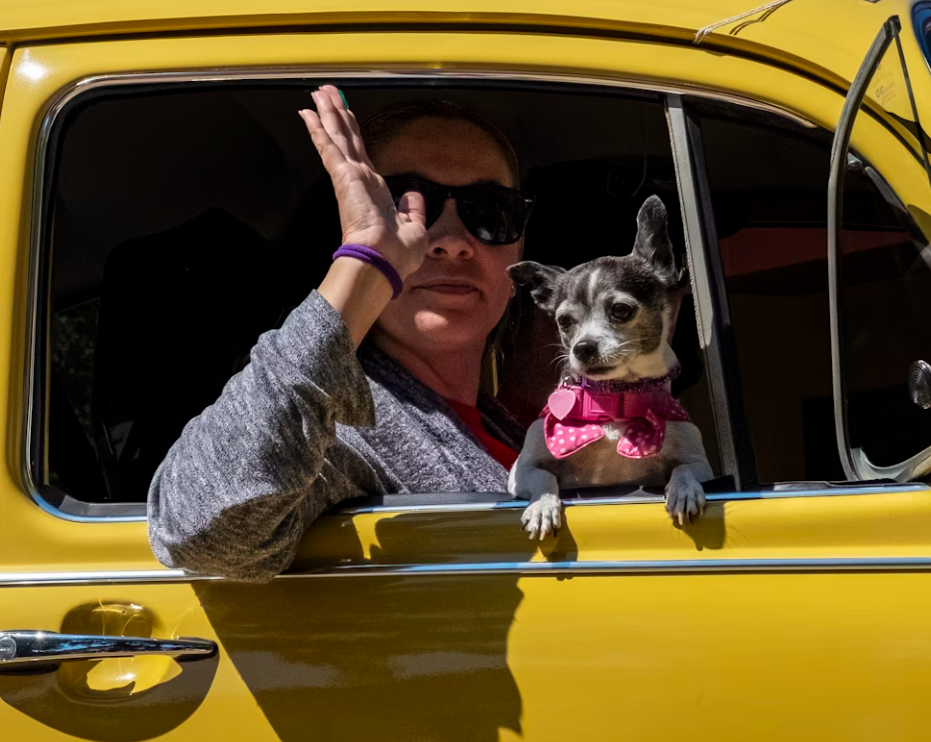
Traveling with dogs can be one of the most rewarding experiences for pet owners. Whether you’re planning a road trip, a flight, or a weekend getaway, ensuring your dog’s safety and comfort is key. Many dog owners ask, “How do I travel safely with my dog?” The good news is, with proper preparation and planning, you can make traveling with your furry friend both enjoyable and stress-free. (more…)
Bichon Frise Poodle Mix (Poochon): Complete Owner’s Guide
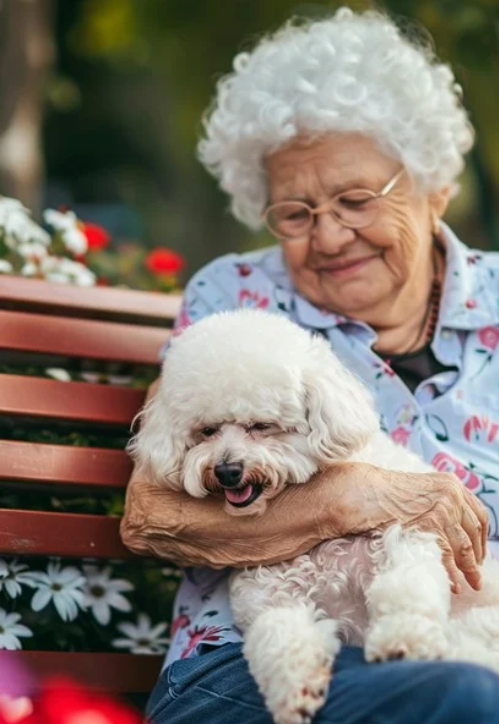
The Bichon Frise Poodle Mix, affectionately known as the Poochon or Bichpoo, is a designer dog breed that combines the charming traits of the Bichon Frise and the Poodle. This hybrid has gained popularity for its delightful appearance, hypoallergenic coat, and friendly demeanor, making it a sought-after companion for families and individuals alike.
Breed History
The Poochon emerged in the late 1990s, primarily in Australia, as breeders aimed to create a small, low-shedding dog suitable for families and individuals with allergies. By crossing the Bichon Frise, known for its cheerful disposition, with the intelligent and hypoallergenic Poodle, breeders succeeded in developing a hybrid that embodies the best qualities of both parent breeds.
Physical Characteristics
Poochons are small-sized dogs, typically weighing between 6 to 17 pounds and standing about 9 to 15 inches tall at the shoulder. Their coats are usually curly or wavy, soft to the touch, and come in various colors, including white, cream, apricot, red, black, and sometimes a combination of these shades. Thanks to their Poodle lineage, Poochons are often low-shedding, making them suitable for people with allergies.
Temperament of the Bichon Poodle
Poochons are renowned for their friendly and affectionate nature. They thrive on human companionship and are known to be playful, energetic, and good with children and other pets. Their intelligence, inherited from the Poodle, makes them highly trainable, and they often excel in obedience training and canine sports.
Top 3 Bichon Frise Poodle Mix Puppy Breeders in the United States
-
My SweetPea Puppies (Upstate New York): A mother-daughter duo specializing in breeding and raising Bichon Poodle puppies in a loving home environment.
-
Liza Doodle Little (Harlem, Georgia): An experienced breeder offering Bichpoo and Goldendoodle puppies, known for their commitment to quality and health.
-
Elmbrook Farm Poochon (Location Not Specified): Specializes in breeding toy Poochons/Bichpoos, focusing on producing healthy, happy puppies in various colors.
Adoption and Rescue Costs
Adoption fees for Poochons can vary based on the region and the specific rescue organization. Typically, adoption costs range from $200 to $500, which often includes vaccinations, spaying/neutering, and a health check. In metropolitan areas, fees might be on the higher end due to increased demand and operational costs of rescue organizations.
Transportation Options and Costs
When acquiring a Poochon from a breeder or rescue outside your local area, transportation becomes a consideration:
-
Ground Transportation: Pet transport services can drive your new companion to your home. Costs vary based on distance but generally range from $200 to $600.
-
Air Travel: Some airlines offer pet transport services, either in-cabin (for small breeds like Poochons) or in the cargo hold. Fees can range from $100 to $500, depending on the airline and distance.
It’s essential to choose reputable transportation services that prioritize the safety and comfort of the pet during transit.
⚖️ Pros & Cons: Is the Bichon Frise Poodle Mix Right for You?
Before bringing a Bichpoo home, it’s important to weigh the breed’s advantages and potential challenges.
Pros
-
Hypoallergenic coat: Low shedding makes them great for allergy-sensitive households.
-
Friendly and social: They bond closely with families, kids, and other pets.
-
Intelligent & trainable: Quick learners who enjoy obedience, tricks, and games.
-
Small size: Adaptable to apartments or homes with limited space.
-
Long lifespan: Typically 12–16 years with proper care.
Cons / Challenges
-
Grooming needs: Regular brushing and professional trims are required.
-
Prone to separation anxiety: They do best with companionship or structured routines.
-
Small-dog vulnerabilities: Can be injured if play is too rough.
-
Cost: Purchasing from a reputable breeder and grooming can be expensive.
-
High energy for size: Requires daily exercise and mental stimulation.
Nutrition for Bichon Poodles
A balanced diet is critical for the health and well-being of a Poochon:
-
High-Quality Dog Food: Opt for premium commercial dog food that lists meat as the primary ingredient and is free from unnecessary fillers.
-
Portion Control: Due to their small size, Poochons require appropriate portion sizes to prevent obesity. Typically, ½ to 1 cup of dry food per day, divided into two meals, is sufficient, but this can vary based on age, activity level, and metabolism.
-
Avoid Harmful Foods: Ensure they don’t consume foods toxic to dogs, such as chocolate, grapes, onions, and certain artificial sweeteners. Utilize the services of a clinical dog nutritionist to get best canine diet advice.
Veterinary Care for Bichon Poodles
Regular veterinary check-ups are vital to monitor and maintain your Poochon’s health:
-
Routine Examinations: Annual or bi-annual vet visits help in early detection of potential health issues.
-
Vaccinations: Ensure they receive core vaccinations, including rabies, distemper, and parvovirus, as recommended by your veterinarian.
-
Dental Care: Regular teeth cleaning and dental check-ups prevent periodontal diseases, which are common in small breeds.
Grooming Care for a Bichon Poodle
Poochons require consistent grooming to keep their coats healthy and free from mats:
-
Brushing: Daily brushing prevents tangles and keeps the coat looking its best.
-
Professional Grooming: Scheduling grooming sessions every 4 to 6 weeks helps maintain coat length and health.
Are you finding this article useful? Would you like 100% free access to more articles like these, and free access to over 5,000 vetted pet care service professionals throughout the United States? Sign up here for a free Petworks account, and we’ll email you a 10% discount code, good towards your first pet care services booking on Petworks!
Here are some quotes from real owners about Bichon Poodles and similar mixes:
-
“We bought a bichon-poodle female 3 years ago, and it was the best decision ever! She is smart, sweet, playful and obedient. She plays when the kids want to and is calm when inside.” – Bichon-Poodle Pet Parent
-
“Great size, great companions, ours has never bitten a single person, raised with kids and no issues, also a very intuitive dog with a lot of empathy.” – Redditor
-
“Goofy is definitely a good word for it! Our bichon, Charlie, is a complete clown. He grumbles and talks at us a lot, for various reasons, but rarely barks unless provoked. Also he is a serious lap-lover, and a snuggler.” – Redittor
-
“My experience with Bichons is they are joyful, affectionate, and slightly stubborn. I would happily accept a Bichon if someone gave one to me.” – DogForum user
These testimonials reflect the breed’s affectionate, playful, and adaptable nature, as well as their reputation for being great with children and families.
🧾 Care & Maintenance Checklist for the Bichon Frise Poodle Mix
Keeping a Bichpoo happy and healthy requires a mix of daily, weekly, and seasonal care. Here’s a practical checklist:
Daily Care
-
Brush the coat at least 3 times per week to prevent mats and tangles.
-
Provide 30–45 minutes of exercise (walks, playtime, or training).
-
Offer fresh water and a balanced diet.
-
Spend quality time bonding — Bichpoos thrive on attention.
Weekly Care
-
Check and clean ears to prevent infections.
-
Trim nails if needed.
-
Brush teeth 2–3 times per week to maintain oral health.
-
Inspect coat for signs of fleas, ticks, or skin issues.
Monthly Care
-
Consider a professional grooming session every 4–6 weeks.
-
Check eyes for discharge or irritation.
-
Rotate toys to keep your Bichpoo mentally stimulated.
Seasonal / Annual Care
-
Schedule vet checkups and vaccinations.
-
Assess weight and body condition; adjust diet if necessary.
-
Update flea, tick, and heartworm prevention.
-
Groom for seasonal coat changes to manage shedding and mats.
✅ Tip: Small daily efforts like brushing, mental enrichment, and short training sessions add up to a healthier, happier Bichpoo.
Why the Bichon Frise Poodle Mix Makes a Great Family Pet
Several factors contribute to the Poochon’s suitability as a family pet:
-
Hypoallergenic Coat: Their low-shedding coat reduces the likelihood of allergic reactions, making them ideal for families with allergy concerns.
-
Adaptable Nature: Poochons can comfortably live in various environments, from apartments to larger homes, as long as they receive adequate exercise and mental stimulation.
-
Sociable Personality: Their friendly and affectionate demeanor ensures they get along well with children and other pets, fostering a harmonious household.
Wellness and Health Care
Wellness care for a Bichpoo involves regular grooming to prevent matting of their curly coat. Daily brushing, professional trims every 6-8 weeks, and ear cleaning are essential.
A balanced diet appropriate for their size and activity level is crucial to prevent obesity. Regular exercise, including walks and playtime, keeps them physically and mentally stimulated. Dental hygiene is vital; regular teeth brushing and dental checkups can prevent dental disease. Due to potential health issues inherited from their parent breeds, such as hip dysplasia or eye problems, regular veterinary checkups are necessary. Early detection and preventative care ensure a long and happy life for these charming companions.
🐶 Frequently Asked Questions About the Bichon Frise Poodle Mix
1. What is a Bichon Frise Poodle Mix called?
This popular hybrid is often called a Bichpoo or Poochon. It’s a cross between a Bichon Frise and a Miniature or Toy Poodle, combining the Poodle’s intelligence and low-shedding coat with the Bichon’s affectionate and cheerful personality.
2. Are Bichon Poodle mixes hypoallergenic?
Many owners consider the Bichon Poodle Mix hypoallergenic, thanks to its curly, low-shedding coat. However, no dog is 100% allergy-free. Regular brushing, grooming, and cleaning your home can greatly reduce dander and allergens.
3. How big does a Bichpoo get when fully grown?
Most Bichon Frise Poodle Mix dogs weigh between 10 and 18 pounds and stand about 9 to 15 inches tall, depending on whether a Toy or Miniature Poodle was used in breeding. They’re the perfect small size for apartment living or city life.
4. What is the average lifespan of a Bichon Frise Poodle Mix?
With good nutrition, regular veterinary care, and daily exercise, the Bichpoo’s lifespan typically ranges from 12 to 16 years. These dogs are known for their longevity and youthful energy well into their senior years.
5. Do Bichpoos bark a lot?
Bichpoos can be vocal, especially when excited or left alone for long periods. Early socialization and positive training help reduce nuisance barking. Interactive toys or dog daycare can also help if your Bichpoo is prone to separation anxiety.
6. Are Bichon Frise Poodle Mixes easy to train?
Yes — Bichpoos are intelligent and eager to please, making them relatively easy to train. Consistent routines, short sessions, and reward-based methods work best. They enjoy learning tricks and thrive on mental stimulation.
7. How often should I groom my Bichon Poodle Mix?
Their soft, curly coats require brushing at least three times per week to prevent tangles and mats. Most owners schedule professional grooming every 4–6 weeks for trimming and coat maintenance. Regular ear cleaning and dental care are also important.
8. Do Bichpoos get along with kids and other pets?
Absolutely. The Bichon Frise Poodle Mix is friendly, playful, and social — great for families and multi-pet households. Just be sure to supervise young children to prevent rough play due to the breed’s small size.
9. Are Bichpoos high-maintenance dogs?
While they’re small and adaptable, Bichpoos do need regular grooming and daily attention. They bond closely with their families, so mental stimulation, companionship, and consistent care are key to keeping them happy and healthy.
10. What are common health problems in Bichon Frise Poodle Mixes?
This hybrid tends to be healthy but may inherit conditions such as patellar luxation, progressive retinal atrophy (PRA), or allergies. Regular vet checkups and maintaining a healthy diet can help catch and prevent most issues early.
11. How much exercise does a Bichpoo need?
A 30–45 minute daily walk and some playtime indoors or in a fenced yard are usually enough. Because they’re active and bright, Bichpoos also enjoy agility, fetch, and training games.
12. Is the Bichon Frise Poodle Mix a good choice for first-time dog owners?
Yes — the Bichpoo is an excellent companion for first-time pet parents. They’re friendly, trainable, and adaptable to many lifestyles. Their only challenges are grooming needs and potential sensitivity to being left alone.
✨ Final Tips
If you’re considering adding a Bichon Frise Poodle Mix to your home, choose a reputable breeder or consider adoption through local shelters or breed-specific rescues. These lovable, loyal dogs bring endless affection and charm to any family.
Is a Bichpoo Right for You?
The Bichon Frise Poodle Mix is ideal for families, singles, and first-time dog owners who can commit to daily care, grooming, and companionship. If you love a playful, affectionate, and smart small dog, a Bichpoo could be the perfect addition to your home.
The Bottom Line on Bichon Poodles
The Bichon Frise Poodle mix, often called a Bichpoo or Poochon, is a delightful breed prized for its hypoallergenic coat, playful temperament, and affectionate nature. Their small size makes them ideal for apartment living, and their intelligence, inherited from both parent breeds, makes them relatively easy to train. They thrive on companionship, making them excellent family pets, especially for those with allergies.
About Petworks
In 2021, Dr. Marty Goldstein DVM joined the pet care platform Petworks as an advisor in its Animal Nutrition care division. Dr Marty Nature’s Blend is on a mission to help your pets live their healthiest lives possible. Dr. Marty’s pet nutrition expertise and guidance has helped Petworks evolve and become the preeminent animal and pet nutrition consultation service for pet parents in North America.
In 2022, Blue Buffalo Founder Bill Bishop Jr. joined Petworks as Senior Advisor in our Animal Nutrition Care Division. Bill brings his extensive expertise in pet food innovation and business leadership. His guidance helps Petworks enhance our pet nutrition service offerings, helping to ensure that pet parents throughout the world receive trusted, science-backed nutritional support for their dogs, cats, and animals.
About The Author
Petworks Co-Founder Kevin Kinyon is a life-long animal lover who works tirelessly to improve the lives of pets and their parents. Human and animal qualities he values most are integrity, humor, and empathy.

 petworks tm