
The Proper Health Care Plan for Pug Dogs. Guidance and Tools. Pug dogs are charming, affectionate, and full of personality, but they require specialized care to maintain their health and happiness. Due to their unique physical structure and genetic predispositions, pugs need a well-rounded approach to health care, including proper nutrition, training, chiropractic adjustments, grooming, and regular veterinary check-ups. By understanding and implementing the best health care practices for pugs, pet parents can ensure their beloved companions live long, comfortable lives.
Category: Dog Nutrition Information

Consulting with a dog nutritionist offers numerous benefits that can significantly enhance your dog’s overall health and well-being. A dog nutritionist specializes in understanding the specific dietary needs of different breeds, ages, and health conditions. This allows them to create a personalized nutrition plan tailored to your dog’s unique requirements. This customized approach can help prevent and manage common issues such as obesity, allergies, and digestive problems. And even behavioral concerns that may be linked to diet.
Additionally, a nutritionist can guide you in choosing the highest quality ingredients and the right balance of nutrients, ensuring your dog receives optimal nourishment for a long, healthy life. By addressing specific health concerns and promoting overall vitality, a canine nutritionist can also help extend your pet’s lifespan, reduce the need for medical interventions, and improve their quality of life.
The cost of hiring a canine nutritionist can vary depending on location, expertise, and the complexity of your dog’s dietary needs. On average, a session with a canine nutritionist ranges from $75 to $200. Initial consultations, which typically involve a detailed assessment and custom meal planning, may be on the higher end of this spectrum. Follow-up sessions are often less expensive, especially if they involve minor adjustments to an existing plan. Whether you’re dealing with a health issue or simply want to ensure your dog is receiving the best possible care, a consultation with a canine nutritionist provides valuable insights and support to help your dog thrive.
Can Dogs Eat Ham?
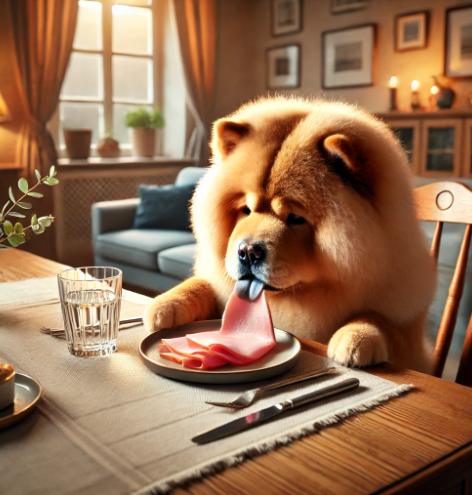
Can Dogs Eat Ham? Understanding the Risks and Benefits. Ham is a popular and savory meat enjoyed by many people, especially during holidays and special occasions. As a dog owner, you may wonder whether this tasty treat is safe to share with your canine companion. While dogs can technically eat ham, there are important considerations to take into account regarding its nutritional value and potential risks. This article explores whether dogs can eat ham safely and whether it offers any health benefits.
How Much Food Should I Feed My Dog?
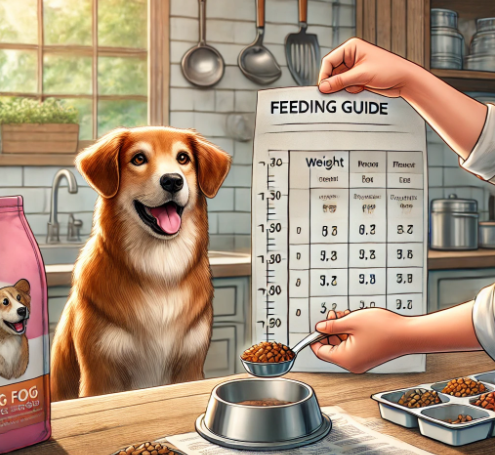
Feeding your dog the right amount of food is so very important for their health and well-being. Overfeeding can lead to obesity and related health issues, while underfeeding can cause nutritional deficiencies. The amount of food your dog needs depends on several factors, including their weight, age, activity level, and the type of food you provide. This guide will help you determine the correct portion size for your furry friend.
Why Is My Dog Lethargic?

So Do You Have A Lethargic Dog? Let’s talk about understanding lethargy in dogs. The causes, treatment, and prevention. Lethargy in dogs is a common concern for pet parents, often signaling that something may be wrong with their beloved companion. It’s characterized by a noticeable lack of energy, reduced activity levels, or general disinterest in usual activities like playing, walking, or eating. While occasional tiredness is normal, persistent lethargy can be a symptom of underlying issues. Addressing this condition effectively involves understanding its causes and exploring various treatment options, including improved nutrition, behaviorist consulting, wellness practices, and environmental adjustments.
Why Does My Dog Smell Like Fritos?
Why does my dog smell like Fritos? Help! Have you ever leaned down to pet your dog and noticed a distinct, corn chip-like aroma wafting from their paws? Many pet parents describe this smell as similar to Fritos, and while it may seem odd, it’s actually a common occurrence. But what causes this peculiar scent, and should dog owners be concerned? This article explores the science behind the “Frito feet” phenomenon, its causes, and whether it signals a potential health issue for your furry friend.

 petworks tm