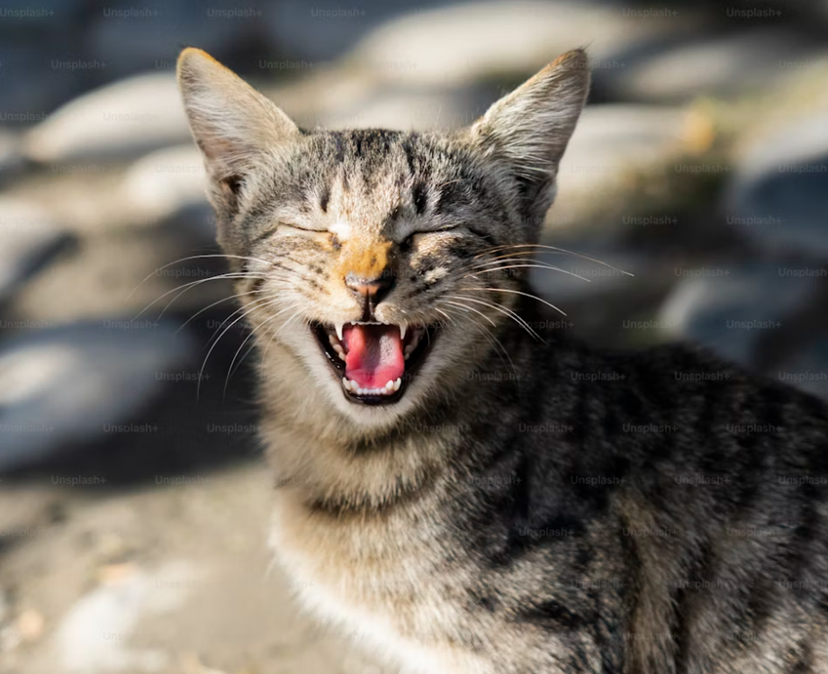
If you’re noticing your feline companion turning up their nose at food, you may be asking yourself, “Why is my cat not eating?” A decrease or complete loss of appetite in cats, also known as anorexia, is a serious concern that can indicate anything from mild stress to serious health conditions. Cats rely heavily on proper nutrition to maintain their energy, immunity, and organ health, so identifying the cause of inappetence promptly is critical. (more…)
Category: Cat Nutrition Advice

Consulting with a cat nutritionist brings wellness benefits to your feline companion’s health by offering personalized feeding plans tailored to individual needs, whether addressing obesity, allergies, or specific health conditions like kidney disease.
These clinical professionals provide expert guidance on balanced nutrition. This helps prevent dietary deficiencies and ensures your cat receives all essential nutrients. A clinical nutritionist’s customized approach enhances your cat’s overall wellness. This supports optimal weight management, and fosters a longer, healthier life. With their deep understanding of feline dietary requirements, a nutritionist ensures that your cat’s diet is not just nourishing but also contributes to improved vitality, energy levels, and quality of life.
The cost of consulting with a feline nutritionist can vary significantly depending on several factors. These include the nutritionist’s experience, location, and the complexity of your cat’s dietary needs. Generally, you can expect to pay anywhere from $50 to $200 per initial consultation. Follow-up appointments may be less expensive but could still range from $50 to $100. Additionally, some nutritionists may offer packages or subscription plans for ongoing support. It’s advisable to inquire about the specific pricing structure and any additional fees, such as for dietary recommendations or food sourcing.
Whether you are dealing with a particular health issue or simply want to provide the best possible care, a clinical nutritionist can play a big role in maintaining your cat’s health and happiness over the long term.
Healthy Puppy Foods: What Should I Feed My New Puppy?

Healthy Puppy Foods: A Guide for New Puppy Parents. When welcoming a new puppy into your home, ensuring their health and happiness becomes a top priority. Proper nutrition is a cornerstone of puppy care, as the food you provide lays the foundation for their growth, development, and overall well-being. Knowing which foods are best for puppies and how to meet their unique nutritional needs can be overwhelming for new pet parents. That’s where Petworks steps in, offering clinical puppy nutritionists, custom quotes for remote video sessions with Petworks pet care professionals, and expert guidance to help you make informed decisions about your puppy’s diet.
How To Make Homemade Kitten Food
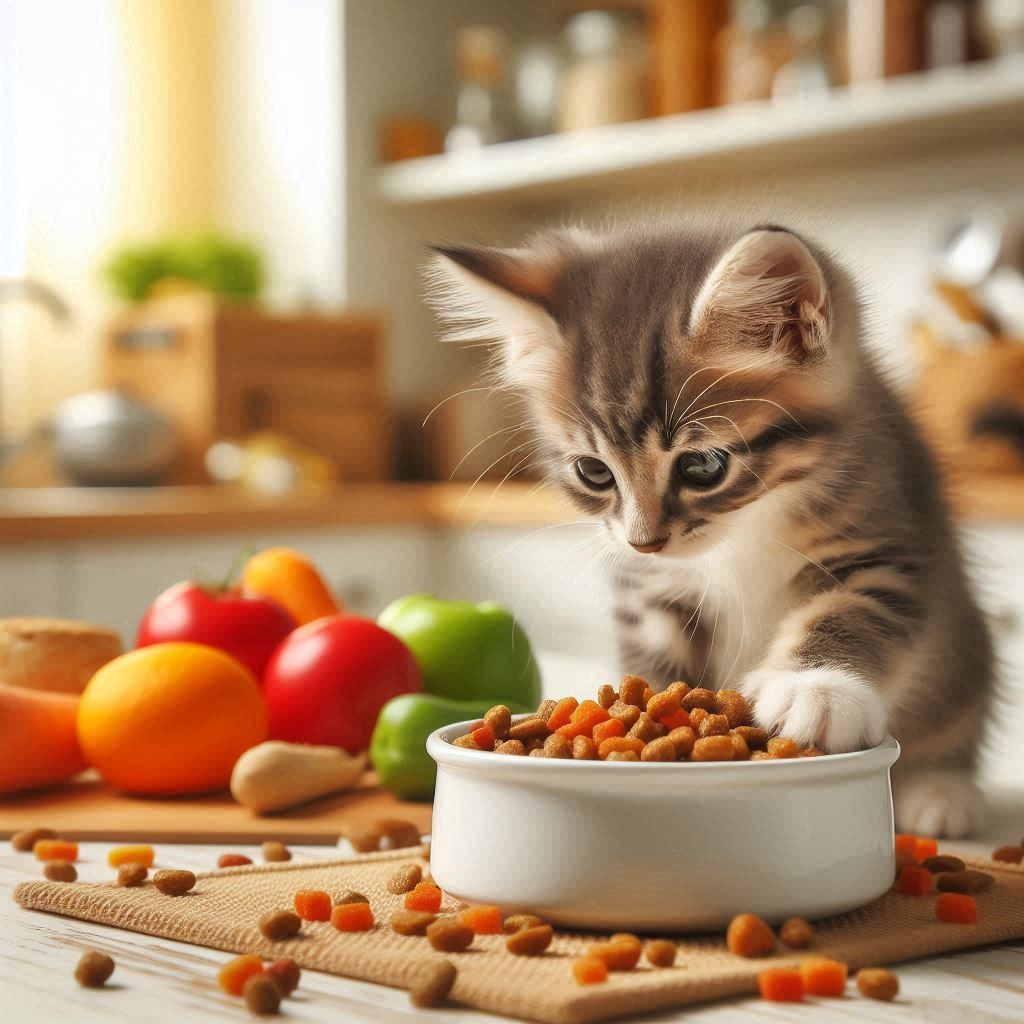
Adopting a kitten comes with the huge responsibility of ensuring their health and well-being. One important aspect of kitten care is their diet. While commercial cat foods are convenient, more pet parents are turning to homemade kitten food to provide their furry friends with the best cat nutrition possible. This article explores the benefits of homemade kitten food, and offers guidelines on how to prepare it.
What should I feed a newborn kitten, and how often?
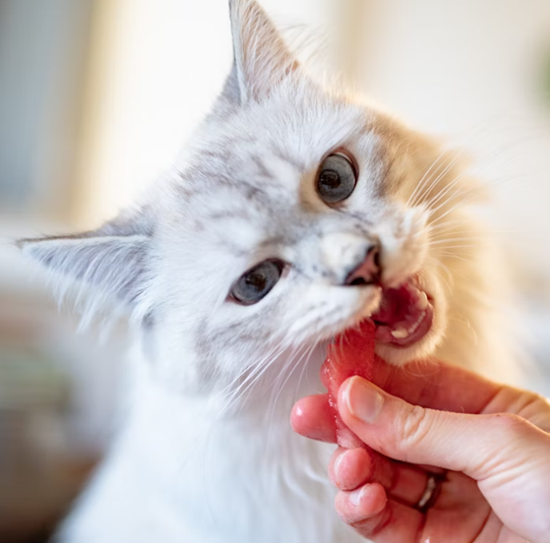
What should I feed a newborn or young kitten, and how often should I feed them? A complete guide to early kitten nutrition. If you have recently taken in a newborn kitten or found an abandoned litter, you may be wondering what should I feed a newborn kitten to help it grow strong and healthy. Feeding a newborn kitten correctly is critical for their survival and development. From choosing the right formula to knowing when to start solid food, this guide will help you understand the nutritional needs of kittens from birth to weaning. (more…)
Is Your Scottish Fold Suffering? Genetics and Ethical Choices
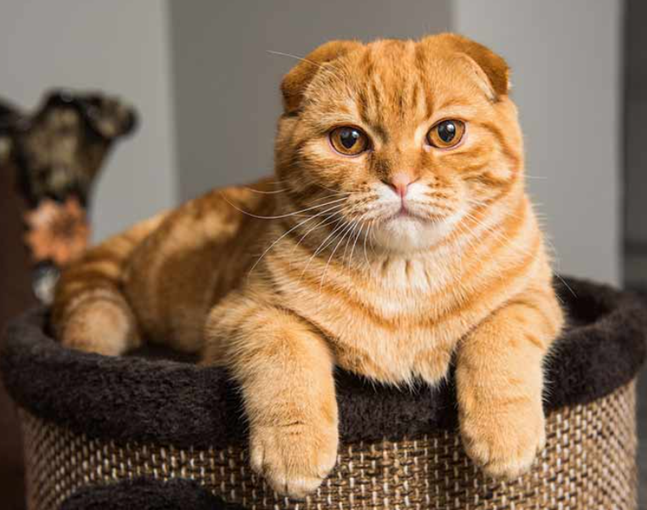
The question of whether Scottish Fold cats should be banned is a complex and ethically charged one, primarily due to health concerns related to their unique genetics. Their signature folded ears, a trait that many find adorable, are the result of a genetic mutation that also causes a painful and incurable degenerative joint disease, known as osteochondrodysplasia, which affects cartilage and bone throughout their bodies. This painful condition is the central argument for those advocating for a ban on the breed. (more…)

 petworks tm