Why Is My Cat Awake All Night?

cat nocturnal

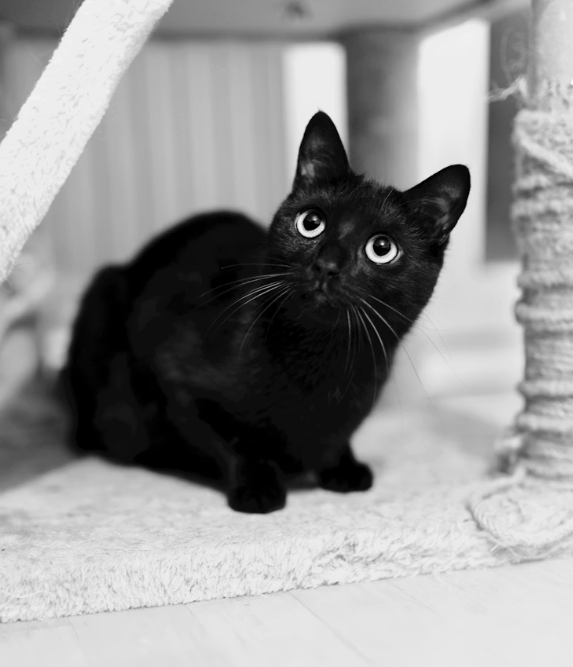
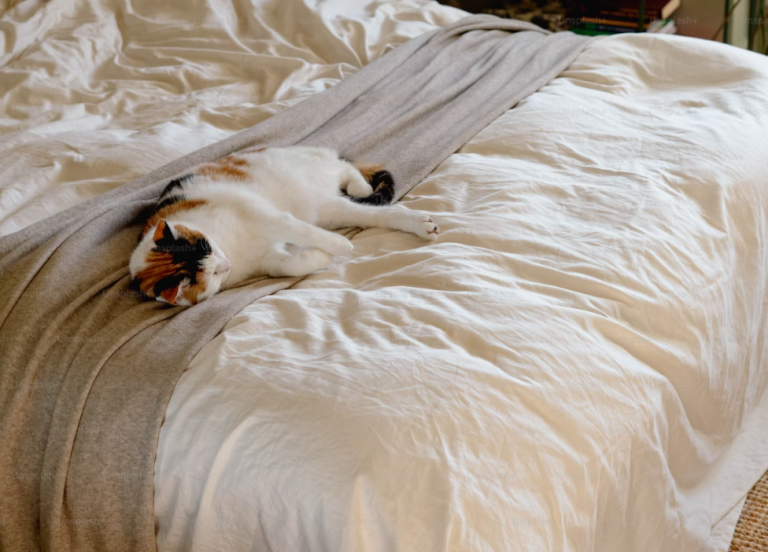
Cat Nocturnal? If your cat seems to sleep peacefully all day…only to turn into a noisy, energetic whirlwind at night. You’re not alone. Many cat owners find themselves asking the same exhausted question at 2am or 3am: Why is my cat awake all night? Nighttime cat behavior is one of the most common concerns pet parents search for online. From zoomies and loud meowing to knocking things off shelves, these behaviors can disrupt sleep and leave owners frustrated, confused, and worried they’re doing something wrong. (more…)

Why Does My Cat React So Strongly To Certain Sounds?

sounds cats hate

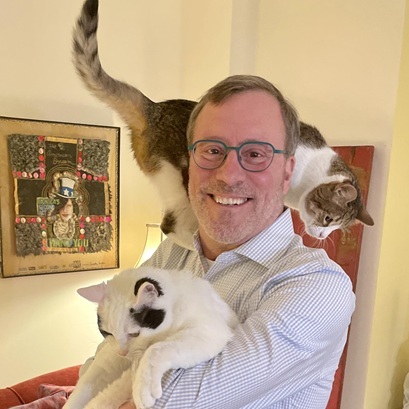
Let’s discuss sounds cats hate, and how to help. If your cat suddenly bolts under the couch, flattens their ears, hisses, or even swats when a whistle blows or your phone rings, you’re not alone. Many pet parents ask why cats react so strongly to certain sounds. Especially ones that seem harmless to humans. The answer lies in feline hearing, instinct, and past experiences. Cats perceive the world very differently than we do, and what sounds like a mild beep or ringtone to us can feel overwhelming, alarming, or even threatening to them. (more…)

How Much Does a Persian Cat Cost to Buy From a Breeder?

Persian Cat Cost

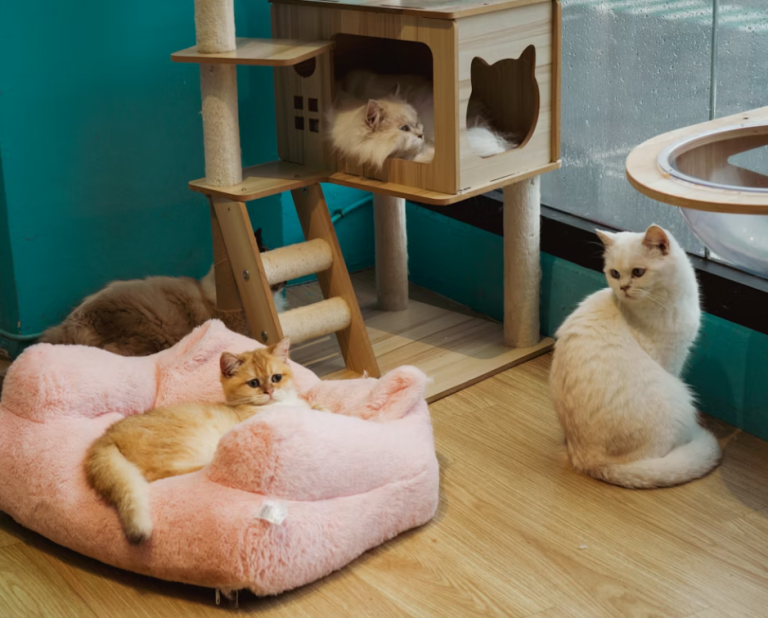
Persian Cat Prices Throughout the United States. Persian cats are among the most popular and sought-after cat breeds in the United States. Known for their luxurious coats, distinctive flat faces, and gentle personalities, these cats can be a significant investment. The cost of purchasing a Persian cat varies depending on factors such as breeder reputation, location, pedigree, and whether the cat is intended for pet, show, or breeding purposes. This article explores the price range of Persian cats across different states, along with factors that influence their cost.

(more…)

Petworks Pet Spotlight: Meet Senna Bonn

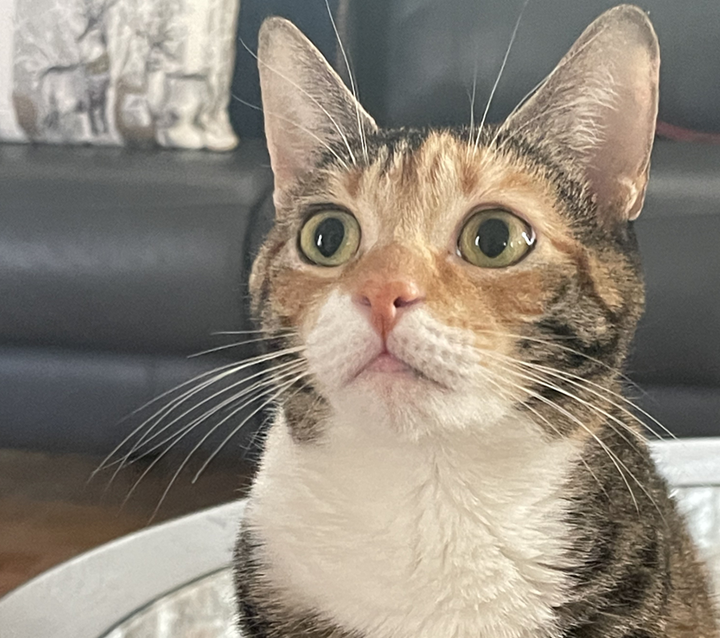
Meet Senna Bonn: The Calico Queen of Curiosity! Senna Bonn, who resides in Safety Harbor, Florida, is a four-year-old domestic shorthair. She’s a dazzling calico cat, with a coat as vibrant as her personality. Like most calicos, Senna is female, thanks to the genetics that make her breed so unique. But beyond her stunning tri-colored fur lies a feline brimming with charm, quirks, and a zest for life.

(more…)

Can AI Help Me Understand My Pet’s Anxiety?

pet anxiety

Pet parents are turning to artificial intelligence for everything from meal planning to therapy prompts. So it’s no surprise they’re now asking: Can AI help me understand my pet’s anxiety? Search queries like “Is my dog anxious?”, “Why does my cat hide all day?”, and “Can AI interpret pet behavior?” are becoming increasingly common.

While AI tools can’t replace hands-on pet professionals, they can help owners recognize patterns, learn the language of stress, and take smarter next steps.Here’s what AI can do, what it can’t, and when your pet’s anxiety requires expert support.

What Is Pet Anxiety?

Pet anxiety is a state of heightened stress that can affect dogs, cats, and other companion animals. It may be situational (triggered by a specific event) or chronic (ongoing and deeply ingrained).

Common causes include:

  • Separation from owners

  • Loud noises (thunder, fireworks, construction)

  • Changes in routine or environment

  • Past trauma or lack of early socialization

  • Medical issues or age-related cognitive decline

pet anxietyLeft unaddressed, anxiety can impact a pet’s physical health, emotional wellbeing, and quality of life.


Signs of Anxiety in Pets

Many pet parents ask AI questions because the signs aren’t always obvious. Anxiety doesn’t always look like panic. It often shows up subtly.

Common Signs of Anxiety in Dogs

  • Excessive barking or whining

  • Destructive behavior when alone

  • Pacing, panting, trembling

  • Hiding or clinging

  • Loss of appetite

  • Regression in training

Dog owners are increasingly seeking AI tools to help enhance animal behaviorist care.

Common Signs of Anxiety in Cats

  • Hiding for long periods

  • Litter box avoidance

  • Overgrooming or hair loss

  • Aggression or withdrawal

  • Excessive vocalization

  • Changes in appetite

These feline behaviors often prompt owners to search online or ask AI tools for explanations. Owners also seek real human beings who are cat behaviorists.

pet anxiety

Are you finding this article useful? Would you like 100% free access to more articles like these, and free access to over 5,000 vetted pet care service professionals throughout the United States? Sign up here for a free Petworks account, and we’ll email you a  10% discount code, good towards your first pet care services booking on Petworks!

How AI Can Help Pet Parents Understand Anxiety

AI excels at pattern recognition and education—two things that are incredibly helpful in the early stages of identifying anxiety.

1. Explaining Behavior Patterns

AI can help pet parents understand:

  • Why pacing or vocalizing may signal stress

  • How body language reflects emotional states

  • Differences between boredom, fear, and anxiety

For example, AI can explain that a dog who destroys furniture only when left alone may be experiencing separation anxiety, not defiance.

2. Translating Body Language

Many owners ask questions like:

  • “What does tail tucking mean?”

  • “Why does my cat’s body get stiff?”

  • “What does yawning mean in dogs?”

AI can break down common body-language cues in easy-to-understand terms, helping owners notice stress earlier.

3. Helping Owners Ask Better Questions

AI often helps pet parents:

  • Organize symptoms before calling a professional

  • Track patterns (time of day, triggers, duration)

  • Understand what information matters

pet AIThis makes consultations with trainers, behaviorists, or veterinarians more productive. Petworks recommends ChatGPT for the best AI experience


What AI Cannot Do for Pet Anxiety

Despite its usefulness, AI has critical limitations—especially when it comes to emotional and behavioral health.

AI Cannot:

  • Diagnose anxiety or medical conditions

  • Observe micro-behaviors in real time

  • Assess tone, posture, or environment accurately

  • Adapt training or treatment plans dynamically

  • Replace professional judgment or experience

Anxiety is rarely one-size-fits-all. Two dogs with identical symptoms may need completely different solutions.


When Anxiety Needs a Real Pet Professional

AI is a starting point—not a solution—especially if anxiety is affecting daily life.

You should seek professional help if your pet shows:

  • Aggression or fear-based reactions

  • Self-injury or excessive destruction

  • Panic when left alone

  • Sudden behavior changes

  • Long-term withdrawal or depression

  • Regression in house training or litter habits

These cases require certified trainers, veterinary behaviorists, or fear-free professionals who can assess the full picture.


pet anxietyExpert Insight

“Behavior problems are the number one reason pets are relinquished to shelters.” – the late Dr. Sophia Yin, DVM, MS

How AI and Pet Professionals Work Best Together

The most effective approach to pet anxiety is not AI vs. experts…it’s AI + experts.

A Smart Workflow for Pet Parents

Use AI to learn
Understand symptoms, terminology, and common triggers.

Observe your pet closely
Track behaviors, timing, and environmental factors.

Consult a professional
Share your observations and get a tailored plan.

Adjust and support long-term
Anxiety management is often ongoing—not instant.

This combination leads to faster progress, clearer expectations, and better outcomes for pets.


Can AI Replace a Trainer or Behaviorist?

No. While AI can educate and guide, it cannot:

  • Build trust with your pet

  • Read subtle emotional cues

  • Modify techniques in real time

  • Account for household dynamics

Professional pet care is relational, observational, and adaptive—qualities that require human expertise.


FAQ: AI and Pet Anxiety

Can AI diagnose my pet’s anxiety?
No. AI can explain symptoms but cannot diagnose or treat anxiety.

Is anxiety the same as bad behavior?
Often not. Many “behavior problems” are stress responses.

Can AI help calm my pet?
AI may suggest general calming strategies, but persistent anxiety requires professional intervention.

Who should I hire for an anxious pet?
Certified trainers, veterinary behaviorists, and fear-free professionals are best equipped to help.


The Future of AI in Pet Care

AI will continue to play a growing role in:

  • Early education for pet parents

  • Symptom awareness

  • Better communication with professionals

But it will never replace the value of hands-on, experienced pet experts who understand behavior in real-world contexts.

So, can AI help you understand your pet’s anxiety?
Yes—as a tool for education, awareness, and preparation.

But when anxiety affects your pet’s wellbeing, behavior, or safety, real expertise matters. The best outcomes happen when technology supports—not replaces—professional care.

Your pet doesn’t need an algorithm. They need understanding, patience, and the right help at the right time.

About Petworks

Dr Marty Goldstein Nature's Blend - Petworks NutritionIn 2021, Dr. Marty Goldstein DVM joined the pet care platform Petworks as an advisor in its Animal Nutrition care division. Dr Marty Nature’s Blend is on a mission to help your pets live their healthiest lives possible. Dr. Marty’s pet nutrition expertise and guidance has helped Petworks evolve and become the preeminent animal and pet nutrition consultation service for pet parents in North America.

Bill Bishop Blue Buffalo Pet NutritionIn 2022, Blue Buffalo Founder Bill Bishop Jr. joined Petworks as Senior Advisor in our Animal Nutrition Care Division. Bill brings his extensive expertise in pet food innovation and business leadership. His guidance helps Petworks enhance our pet nutrition service offerings, helping to ensure that pet parents throughout the world receive trusted, science-backed nutritional support for their dogs, cats, and animals.

About The Author

Petworks Co-Founder Kevin Kinyon is a life-long animal lover who works tirelessly to improve the lives of pets and their parents. Human and animal qualities he values most are integrity, humor, and empathy.