Understanding and Managing Cat Anxiety: Medications, Supplements, and At-Home Tips. Cat anxiety is a real and often underdiagnosed condition that can severely impact your feline companion’s well-being. While cats often appear calm, collected, and even aloof, many suffer from anxiety triggered by trauma, lack of early socialization, pain, loud noises, or major life changes like a move or the arrival of a new family member. Identifying and addressing cat anxiety is crucial for helping your cat live a healthier, happier life. (more…)
Category: Cat Behavior

A cat behaviorist is a professional who specializes in understanding and addressing feline behavior issues. These experts possess deep knowledge of cat psychology, communication, and environmental needs, allowing them to identify the root causes of problematic behaviors such as aggression, litter box issues, excessive meowing, and destructive scratching.
When hired, a cat behaviorist typically conducts an in-depth consultation with the cat’s owner to gather information about the cat’s history, daily routines, and specific behaviors. They may also observe the cat in its home environment to assess its interactions and stress triggers. Based on their findings, the behaviorist creates a customized behavior modification plan, which may include changes to the cat’s environment, adjustments to the owner’s interactions with the cat, and specific training techniques designed to modify unwanted behaviors.
The behaviorist works closely with the cat’s owner, providing guidance, support, and follow-up sessions to ensure the effectiveness of the plan. They may also collaborate with veterinarians to rule out or address any medical conditions that could be contributing to the cat’s behavior.
Hiring a pro can generally run between $100 and $300 per session, depending on factors like the behaviorist’s experience, location, and the complexity of the cat’s issues. Initial consultations, which often include a thorough assessment of the cat’s behavior and environment, tend to be on the higher end of the scale, ranging from $150 to $300. Follow-up sessions are usually less expensive, averaging around $100 to $200. Some behaviorists also offer package deals or remote consultations, which can reduce the overall cost. It’s important to invest in a qualified behaviorist to ensure effective results. The ultimate goal of a cat behaviorist is to improve the cat’s well-being and foster a harmonious relationship between the cat and its owner, ensuring a peaceful and happy household.
Where Did The Phrase “The Cats Meow” Originate?
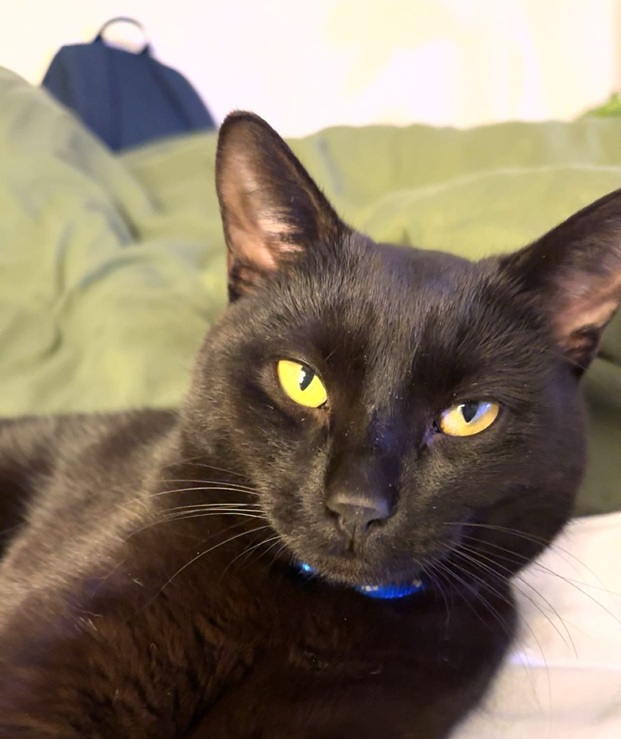
The phrase “the cat’s meow” originated in the 1920s and is attributed to American cartoonist Thomas A. Dorgan, also known as Tad Dorgan. He was known for coining many slang expressions that became popular during the Roaring Twenties, including “the cat’s pajamas,” “the bee’s knees,” and “the cat’s meow.”
 “The cat’s meow” was part of a trend during that era of creating whimsical expressions using animals to describe something as excellent, stylish, or highly admirable. Much like “the bee’s knees,” it was a playful way of saying something was top-notch or trendy.
The top three reasons a cat meows are:
-
To Communicate with Humans
Cats meow primarily to communicate with people, not other cats. They may be asking for food, attention, or to be let in or out. Each meow can vary in tone and urgency depending on what they want. -
To Express Discomfort or Medical Issues
A sudden increase in meowing, especially in older cats, can indicate pain, illness, or cognitive decline. Conditions like hyperthyroidism, kidney disease, or urinary tract issues often cause increased vocalization. -
To Seek Attention or Affection
Many cats meow simply because they want to interact. They may be lonely, bored, or just craving some petting or playtime, especially if they’re indoor-only cats.
Here’s a simple daily routine chart to help reduce excessive meowing, by keeping your cat mentally and physically satisfied. You can customize this based on your schedule and your cat’s habits. It’s the cats meow:
🐾 Daily Cat Routine Chart
| Time | Activity | Purpose |
|---|---|---|
| 7:00 AM | Morning feeding (wet or dry food) | Reduces meowing for breakfast |
| 7:30 AM | 10–15 min interactive play (feather wand, etc.) | Burns energy, mentally engages |
| 8:00 AM | Quiet time / window watching | Encourages independence |
| 12:00 PM | Puzzle feeder or snack hunt | Keeps mind busy while you’re busy |
| 3:00 PM | Lap time, brushing, or calm petting session | Satisfies social and bonding needs |
| 5:00 PM | Evening play session (chase toy, laser pointer) | Prevents nighttime zoomies |
| 6:00 PM | Dinner feeding | Reduces vocalization around mealtimes |
| 8:00 PM | Cuddle or grooming (optional) | Reinforces quiet companionship |
| 9:00 PM | Settle down with calming music or white noise | Creates a peaceful bedtime routine |

Did you find this article useful? Would you like 100% free access to more articles like these, and free access to over 5,000 vetted pet care service professionals throughout the United States? Sign up here for a free Petworks account, and take 10% off your first booking, on us!
About Petworks
 In 2021, Dr. Marty Goldstein DVM joined the pet care platform Petworks as an advisor in its Animal Nutrition care division. Dr Marty Nature’s Blend is on a mission to help your pets live their healthiest lives possible. Dr. Marty’s pet nutrition expertise and guidance has helped Petworks evolve and become the preeminent animal and pet nutrition consultation service for pet parents in North America.
 In 2022, Blue Buffalo Founder Bill Bishop Jr. joined Petworks as Senior Advisor in our Animal Nutrition Care Division. Bill brings his extensive expertise in pet food innovation and business leadership. His guidance helps Petworks enhance our pet nutrition service offerings, helping to ensure that pet parents throughout the world receive trusted, science-backed nutritional support for their dogs, cats, and animals.

Petworks Co-Founder Kevin Kinyon is a life-long animal lover who works tirelessly to improve the lives of pets and their parents. Human and animal qualities he values most are integrity, humor, and empathy.
How To Get A Cat To Like You
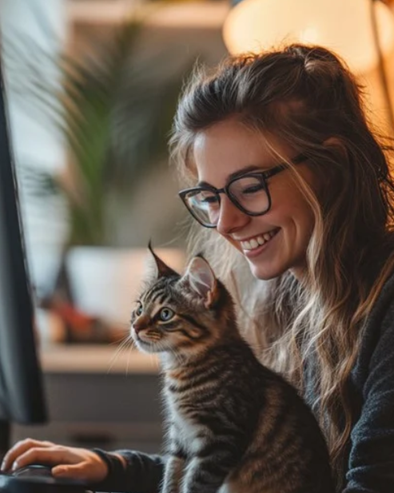
How to Get a Cat to Like You: A Petworks Guide to Building Trust with a Feline Friend. Cats are complex, intelligent, and sensitive creatures. Unlike dogs, they often require more patience and understanding before forming close bonds with humans. Whether you’re meeting a new cat for the first time or trying to improve your relationship with a resident feline, winning a cat’s affection is more about earning their trust than demanding it. Here’s how to get a cat to like you, step-by-step. (more…)
The Japanese Bobtail Cat
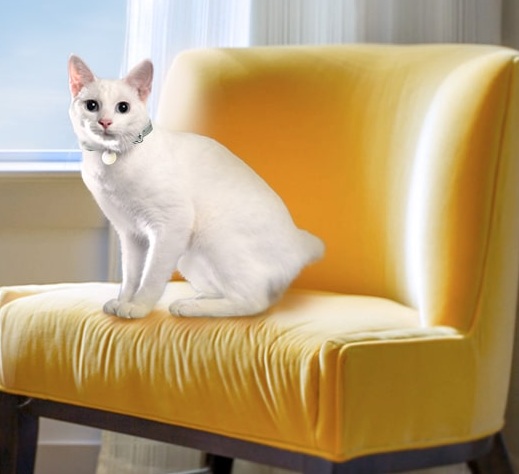
The Japanese Bobtail Cat Breed: History, Care, Adoption, and More. The Japanese Bobtail, with its distinctive bobbed tail and vibrant personality, holds a special place in Japanese culture and hearts worldwide. This intelligent and affectionate breed makes a wonderful family companion. Let’s explore their captivating history, breed standards, care, and how to bring one into your life. (more…)
Cat Stevens
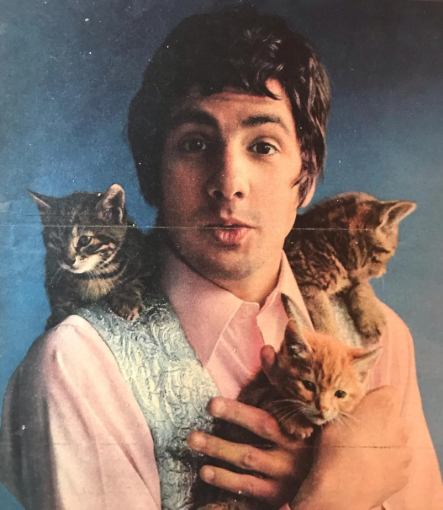
Cat Stevens. In the bustling streets of South Los Angeles, a small, resilient kitten named Cat Stevens began her journey. This domestic short hair, now seeking a forever home, embodies the spirit of survival and affection. Rescued by the dedicated team at Stray No More, Cat Stevens’ story is a testament to the countless animals in need of love and care.

 petworks tm