Bombay Cat Personality Traits: What Makes This Black Beauty Such a Beloved Feline Companion. If you’re looking for a sleek, affectionate, and intelligent feline companion, the Bombay cat may be the perfect match. Known for its shiny black coat, muscular build, and golden eyes, this breed is more than just a stunning showpiece. It’s a delightful bundle of personality. In this article, we’ll explore the most distinctive Bombay cat personality traits, helping you understand whether this breed is the right fit for your home. (more…)
Category: Cat Behavior

A cat behaviorist is a professional who specializes in understanding and addressing feline behavior issues. These experts possess deep knowledge of cat psychology, communication, and environmental needs, allowing them to identify the root causes of problematic behaviors such as aggression, litter box issues, excessive meowing, and destructive scratching.
When hired, a cat behaviorist typically conducts an in-depth consultation with the cat’s owner to gather information about the cat’s history, daily routines, and specific behaviors. They may also observe the cat in its home environment to assess its interactions and stress triggers. Based on their findings, the behaviorist creates a customized behavior modification plan, which may include changes to the cat’s environment, adjustments to the owner’s interactions with the cat, and specific training techniques designed to modify unwanted behaviors.
The behaviorist works closely with the cat’s owner, providing guidance, support, and follow-up sessions to ensure the effectiveness of the plan. They may also collaborate with veterinarians to rule out or address any medical conditions that could be contributing to the cat’s behavior.
Hiring a pro can generally run between $100 and $300 per session, depending on factors like the behaviorist’s experience, location, and the complexity of the cat’s issues. Initial consultations, which often include a thorough assessment of the cat’s behavior and environment, tend to be on the higher end of the scale, ranging from $150 to $300. Follow-up sessions are usually less expensive, averaging around $100 to $200. Some behaviorists also offer package deals or remote consultations, which can reduce the overall cost. It’s important to invest in a qualified behaviorist to ensure effective results. The ultimate goal of a cat behaviorist is to improve the cat’s well-being and foster a harmonious relationship between the cat and its owner, ensuring a peaceful and happy household.
Seeking Solutions: My Senior Cat’s Ongoing Litter Box Issues!
Dear Kevin,
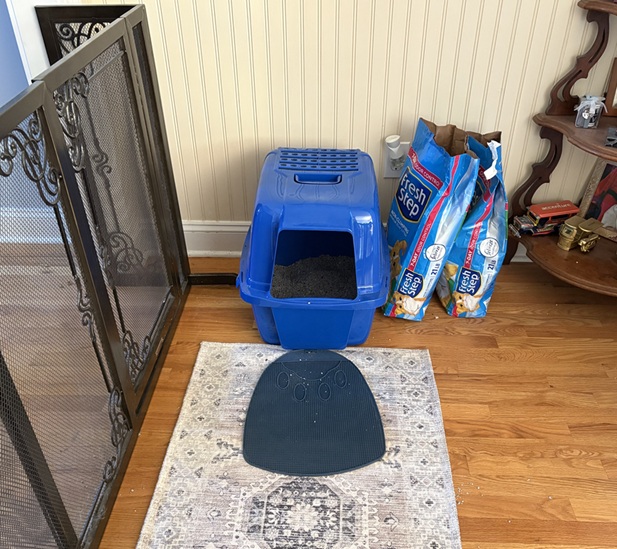
My male cat Remy pees and/or poops outside the litter box persistently. I adopted him from a shelter where he was housed for only 1 day. He was 10 months old and apparently had been in a home in a bad neighborhood, had been tuned out, and had slightly burned fur in spots. The first night in my home, at 2:00 am he peed in the middle of my bed. He continued this for 3 or 4 nights until the vet helped me stop this. It started again about a year later on the tunnel toy I got for both him and a female playmate I adopted for him who love each other. I had to get rid of the tunnel toy, but he continued to pee on the hall rug where it had been. He stopped for a few years but in the past two years has started again…now on my bed. I live in fear and dread never knowing when it will happen. Sometimes I ignored it and just cleaned up. Sometimes I would pick him up, rub his nose in it and then in the litter box, but nothing stops him. He seems to be unaware of doing anything wrong. The litter box is extremely clean, very large and in the bathroom in my small apartment quite close to everywhere.
I love him so much…
It breaks my heart to give him away, knowing someone else might turn him out and eventually he would be euthanized. And his sister Cherie loves him much. I cuddle him, caress him, feed him well and give him much affection. It will happen sometimes even after much loving too. But mostly it just happens! Long ago I realized his motto seems to be: “I want what I want when I want it.” He will be 11 years in August. I will be 90 in September. I don’t want to live with this situation much longer and know I have to do something soon. And I don’t want to live with ‘cat boarders’ as I love to show them love and treat them like my children. I have had 4 previous cats who were angels, whom I loved very much with never a problem. I am writing because I am hoping that your organization will screen someone and put me in touch with a cat communicator who is aware of the situation and will have a handle on it. I do not want to waste time and money. I live in an apartment in New York City. My cats are indoors. Looking forward to hearing from you! Sincerely, Ruth
Hi Ruth –
Thank you for writing to us and sharing your heartfelt story about Remy. It’s clear you have given this cat your whole heart, and you’ve gone above and beyond to care for him despite the challenges. Your patience, love, and devotion – are deeply admirable. You’re not alone, and the fact that you’re still seeking solutions instead of giving up says so much about your compassion.
From what you’ve described, it sounds like Remy’s behavior may be rooted in unresolved trauma or emotional stress, potentially dating back to his early experiences before adoption. Cats can carry emotional wounds just like people, and those early burns, instability, and fear could still be affecting his sense of security. Even now.
 You’ve done everything right: a clean, accessible litter box, affection, attention, a companion cat. The intermittent nature of Remy’s peeing and the stress it causes you both point to emotional rather than physical causes (assuming his vet has ruled out medical issues like a urinary tract infection or arthritis). This is precisely the kind of situation where an experienced animal communicator may be able to help bridge the gap between Remy’s inner world and yours.
At Petworks, we work with highly regarded animal communicators and cat behavior experts who specialize in helping pet parents like you understand what might be going on in their pet’s mind and heart. These sessions, often conducted virtually, can uncover emotional triggers, help your cat feel heard, and provide you with guidance on how to shift behaviors with empathy.
Ruth, you’ve given Remy a loving, safe home for 11 years. It’s not your fault this behavior persists, and you deserve peace of mind in your golden years. An animal communicator or behaviorist may offer insight into what’s driving Remy’s actions, and potentially bring relief for both of you.
With warmth and respect from everyone here at Petworks,
Kevin

Petworks Co-Founder Kevin Kinyon is a life-long animal lover who works tirelessly to improve the lives of pets and their parents. Human and animal qualities he values most are integrity, humor, and empathy.
Ragamuffin Cat: A Complete Guide to the Sweetest Cat Breed
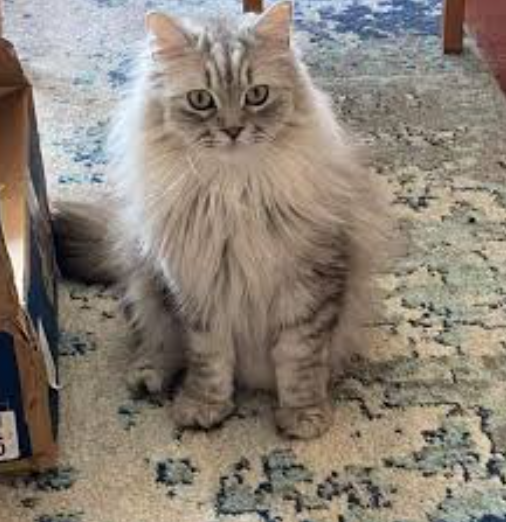
The Ragamuffin cat is a lovable, cuddly feline known for its gentle temperament, striking appearance, and plush coat. This breed is a favorite among families, singles, and seniors alike due to its affectionate nature and adaptability. If you’re considering welcoming a Ragamuffin cat into your home, this guide will provide everything you need to know about this charming breed. Its origins, personality traits, grooming needs, health, and more. (more…)
Troubleshooting Behavioral Cat Issues
Behavioral Cat Issues. What happens when you’ve reached the bottom of Google’s search results and your cat is still peeing everywhere but in her litter box? Or your cats are still feuding? Where do you go from there?
Cats all over the world are losing their homes and lives because of issues that require more than advice from an online article. The important thing to remember is that, even if you searched online and tried every tip, more than likely, there is still hope. Below I’ve described just a few of the common mistakes that people make when trying to solve behavioral cat issues on their own. And then I’ll tell you about some people who are out there and ready to help you, even if you’ve already tried “everything.”
Mistake: Skipping the Vet
If you are dealing with any sudden behavior change, especially around the litter box, your first step should be to schedule a visit from your local mobile vet. Cats are very good at hiding signs of illness, and behavior change is very often the first sign. Even if the behavior change hasn’t been quick, a vet should rule out underlying concerns.
Mistake: Not Meeting Natural Needs
 Are you trying to stop a behavior that your cat MUST do? Scratching is an example where we often work very hard to stop it where we don’t want it but fail to provide an appropriate place where the cat is allowed to do it. Make sure you are meeting all of your cat’s needs, including a scratching area, a suitable litter box, interactive play, raised resting spots, and social interaction. If you’re not providing a way for your cat to meet his needs, he will continue doing the “wrong” thing.
Mistake: Going Too Fast
Don’t try to move through your plan too quickly. Each step should be completed fully, with the cats relaxed and confident. Conflict between cats and fear are two issues that are commonly rushed. It can take months or more to help a fearful cat feel safe, or to get two cats comfortable sharing a space.
A good rule of thumb is to look for signs of relaxation or enjoyment, and/or active socializing, from your cat(s) before moving to the next step. This means that even if your cat is tolerating something (like petting on the head), she may not be ready for the next step yet (such as full-body petting or being picked up). Keep working until they show signs that they actually enjoy the experience. You’ll ultimately save time by going slower and avoiding negative reactions.
Mistake: Not Giving It Enough Time or Expecting Magic
Few behaviors change quickly; you can do everything right and see only small effects. This is especially true with fear. While there may be other steps you can take to speed up the process, don’t panic if your cat’s behavior isn’t magically transformed. Stay the course. Some tools, such as pheromone products (like Feliway) or calming treats, could be valuable, but they aren’t likely to solve problems instantly or by themselves, regardless of the Internet’s claims.
Behavioral Cat Issues Are Correctable
Of course, time doesn’t necessarily heal all. Don’t keep pushing forward blindly. If the problem is staying the same or getting worse, you need to rethink your plan or get more help. Keeping a journal of your cat’s behavior can help you track what’s really happening.

Did you find this article useful? Would you like 100% free access to more articles like these, and free access to over 5,000 vetted pet care service professionals throughout the United States? Sign up here for a free Petworks account, and take 10% off your first booking, on us!
Mistake: Relying on Punishment
Most of the ways we attempt to punish bad behavior aren’t very effective and can also lead to some unfortunate consequences. Spray bottles, shake cans, yelling, flicking, and other punishments that come directly from a person can lead to fear, aggression, and even health issues.
 On top of that, owners generally don’t find that a punishment is effective long-term because they are inconsistent and/or are trying to punish a cat for something that the cat naturally must do and doesn’t have an outlet for. Cats can quickly learn that they should do the behavior only when you aren’t in the room to punish them!
Deterrents that make a behavior unpleasant for the cat can help with solving some problems (like using sticky tape to prevent scratching on furniture) but only when combined with other changes like rewarding desirable behavior and providing appropriate outlets for natural behaviors.
Mistake: Assuming You’re Done
Behavior is always changing. You can’t “cure” a behavior and then be immune to it forever after. All behavior is driven by fulfilling needs, seeking desirable consequences, and avoiding negative consequences. If your cat’s world changes in some way, he may go back to the problem behavior unless you are paying attention, being proactive, and meeting his needs.
 Finding More Help
Changing a cat’s behavior can be complicated, even for experienced owners. This isn’t even close to a complete list of the ways that behavior modification can go wrong. Please don’t assume that you’re out of options after you’ve tried everything the Internet (including this article!) has suggested.
Your vet is one source of information. However, not all vets are specialists in behavior, and some actually have very little training or knowledge in that area. Another option is a veterinary behaviorist–a veterinarian with special training and education in behavior issues. Unfortunately, since this is a newer field, there are not many veterinary behaviorists yet, and they are generally quite expensive.
If your cat came from a rescue or shelter, you might try contacting them for advice. Some large organizations have staff and volunteers available specifically to help you. The downside is that they may not have specialized knowledge about changing behavior, and they may have limited time to help.
Solving Behavioral Cat Issues 411
Finally, many people aren’t aware that there are cat behavior consultants in the world. Just like good dog behavior consultants or trainers, cat consultants are educated on the behavior problems that plague cat owners. You seek professional help in many areas of your life–why not get help when your happiness, your home, and your cat’s life are in the balance?
About the Author:
 Jessica Char is an experienced cat behavior consultant. She started her career supporting owners and adopters at a large private animal shelter in California. In order to help more cat owners, Jessica launched her business, Feline Engineering to provide personalized, one-on-one support for cat owners dealing with behavior problems. She offers consults nationwide.
About Petworks
 In 2021, Dr. Marty Goldstein DVM joined the pet care platform Petworks as an advisor in its Animal Nutrition care division. Dr Marty Nature’s Blend is on a mission to help your pets live their healthiest lives possible. Dr. Marty’s pet nutrition expertise and guidance has helped Petworks evolve and become the preeminent animal and pet nutrition consultation service for pet parents in North America.
 In 2022, Blue Buffalo Founder Bill Bishop Jr. joined Petworks as Senior Advisor in our Animal Nutrition Care Division. Bill brings his extensive expertise in pet food innovation and business leadership. His guidance helps Petworks enhance our pet nutrition service offerings, helping to ensure that pet parents throughout the world receive trusted, science-backed nutritional support for their dogs, cats, and animals.

Petworks Co-Founder Kevin Kinyon is a life-long animal lover who works tirelessly to improve the lives of pets and their parents. Human and animal qualities he values most are integrity, humor, and empathy.
How To Teach A Cat To Sit

How To Teach A Cat To Sit. There’s that old joke about “herding cats” that’s used to describe something extremely difficult, if not impossible. Cats have always been thought of as independent and aloof creatures that do what they want on their own time. This likely comes from comparing them to dogs who have entirely different behaviors and motivations. (more…)

 petworks tm