Everything You Need to Know About Snowshoe Kittens. Snowshoe kittens are a beautiful breed known for their striking appearance, charming personalities, and affectionate nature. A mix of Siamese and American Shorthair cats, these kittens are increasingly popular among cat enthusiasts. Here’s a comprehensive guide to understanding, caring for, and enjoying life with Snowshoe kittens.
Snowshoe cats trace their roots to the United States in the 1960s. Dorothy Hinds-Daugherty, a Siamese breeder in Philadelphia, noticed three kittens in a litter with unique white paws. Intrigued by their markings, she began breeding them with American Shorthair cats, resulting in the Snowshoe breed. Their distinctive combination of Siamese like points and white markings quickly caught the attention of cat lovers. The breed gained formal recognition from the International Cat Association (TICA) in the 1980s. Although still relatively rare, Snowshoe cats are cherished for their unique looks and warm personalities.
Physical Characteristics
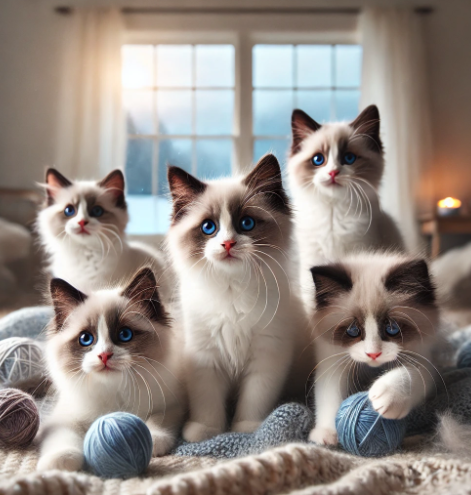
Snowshoe kittens are instantly recognizable due to their distinctive markings and athletic build. Key features include:
Coat and Color: They have short, smooth coats that are easy to maintain. Their coloration resembles Siamese cats, with darker points on their ears, face, tail, and paws. The white markings on their paws (resembling “snowshoes”) and their chest set them apart.
Eyes: Snowshoes have striking blue eyes that are almond-shaped, giving them an expressive and captivating appearance.
Build: They have a medium-sized, muscular build with a sleek yet sturdy frame.
Markings: Their unique markings include a white inverted “V” on their face, which adds to their charm.
No two Snowshoe kittens look exactly alike, as their markings can vary widely.
“The internet for Snowshoes insists: kittens are born solid white and it can take 1–3 weeks for the markings and additional colors to begin to develop.” – Hepper Blog
Temperament and Personality
Snowshoe kittens are adored not only for their beauty but also for their lovable nature. These kittens are:
Affectionate: They thrive on human interaction and form deep bonds with their families.
Social: Snowshoes enjoy the company of other pets and children, making them ideal for households with multiple members.
Intelligent: They are highly intelligent and curious, often finding clever ways to entertain themselves.
Vocal: While not as talkative as Siamese cats, Snowshoes cats are still quite vocal. They’ll let you know their thoughts with soft, melodic meows.
Playful: Their energetic and playful nature makes them entertaining companions.
Caring for Snowshoe Kittens
Taking care of Snowshoe kittens involves meeting their physical, emotional, and nutritional needs.
Diet and Nutrition
Feed Snowshoe kittens a balanced, high-quality diet appropriate for their age. Look for food rich in protein, vitamins, and minerals to support their growth. Avoid overfeeding, as their playful nature can sometimes make it hard to notice if they’re gaining excess weight. Hire a feline nutritionist if you need to address specific dietary issues with your cat.
Grooming
Snowshoes are low-maintenance when it comes to grooming. Their short coats require minimal brushing…once or twice a week…to keep them sleek and free of loose hair. Regular grooming also helps to strengthen the bond between you and your kitten.
Exercise and Enrichment
These kittens are playful and energetic, so they need daily physical and mental stimulation. Provide interactive toys, scratching posts, and climbing trees to keep them engaged. Spend time playing with them to satisfy their need for interaction.
Healthcare
Ensure regular vet check-ups, vaccinations, and parasite prevention treatments. Snowshoes are generally healthy, but they can inherit dental issues from Siamese cats, so dental care is crucial. Brush their teeth regularly and consider dental treats or special diets designed for oral health.
Training Snowshoe Kittens
Snowshoe kittens are highly trainable thanks to their intelligence and eagerness to please. Use positive reinforcement, such as treats and praise, to teach them tricks or commands. Litter training is usually easy, as they are naturally clean animals. Hire a session with a cat behaviorist if you need to address specific behavioral issues.
Socialization
Early socialization is essential for Snowshoe kittens to develop confidence and adaptability. Expose them to different environments, people, and pets while they’re young to prevent shyness or anxiety. Their social and affectionate nature makes them quick to adjust to new situations.
Common Health Concerns
While Snowshoes are generally healthy, they can inherit certain conditions from their Siamese lineage, including:
Dental Issues: Regular dental care is essential to prevent problems like gingivitis.
Obesity: Ensure they get enough exercise and don’t overeat.
Respiratory Infections: Keep up with vaccinations and provide a clean living environment to reduce the risk of infections.
Regular veterinary check-ups can help catch and address any health issues early.
Are you finding this article useful?Would you like 100% free access to more articles like these, and free access to over 5,000 vetted pet care service professionals throughout the United States? Sign up here for a free Petworks account, and we’ll email you a 10% discount code, good towards your first pet care services booking on Petworks!
Snowshoe Kittens and Family Life
Snowshoe kittens make wonderful family pets due to their affectionate and adaptable nature. They thrive in active households where they can get plenty of attention and playtime. Their gentle demeanor makes them great companions for children, and their sociable personality means they often get along well with other pets.
How to Find a Snowshoe Kitten
Due to their rarity, finding a Snowshoe kitten may require some patience. Look for reputable breeders who prioritize the health and well-being of their cats. Always ask for health records, and visit the breeder to ensure the kittens are raised in a clean, caring environment.
Snowshoe Kitten Breeders in the United States and Adoption Costs
Snowshoe kittens are a rare and sought-after breed known for their striking blue eyes, white “snowshoe” paws, and affectionate personalities. Breeders in the United States specialize in producing Snowshoe kittens with the breed’s signature markings and temperament. Reputable breeders prioritize responsible breeding practices, ensuring their kittens are healthy, well-socialized, and meet breed standards.
Snowshoe Kitten Breeders
When searching for a Snowshoe kitten breeder, it’s essential to choose one that provides health guarantees, genetic testing, and early socialization. Many breeders operate through small, home-based catteries, offering kittens that have been raised in a nurturing environment. These breeders often have waiting lists due to the breed’s rarity. Some of the most recognized Snowshoe breeders are found in states like California, Texas, Florida, and New York, where feline breeding programs are well-established.
The cost of adopting a Snowshoe kitten varies depending on factors such as breeder reputation, bloodline, location, and whether the kitten is intended as a pet or for breeding/show purposes. On average, the price for a pet-quality Snowshoe kitten ranges from $600 to $1,500. Kittens with show-quality markings or from champion bloodlines may cost between $1,500 and $3,000. Additional expenses such as vaccinations, microchipping, and spaying or neutering may be included in the adoption price or require an extra fee.
Some breeders also require a non-refundable deposit to reserve a kitten, which can range from $200 to $500. Beyond the initial cost, new owners should budget for essential supplies like high-quality food, litter, scratching posts, and veterinary care. Responsible breeders often provide initial vaccinations and deworming, but continued wellness checkups and potential genetic screenings are recommended.
For those looking to adopt rather than purchase from a breeder, Snowshoe cats occasionally appear in breed-specific rescues or shelters. Adoption fees for rescued Snowshoe cats are significantly lower, typically ranging from $100 to $400, depending on the organization. However, purebred Snowshoes are relatively rare in shelters, making breeders the most common source for those seeking a kitten.
Ultimately, adopting a Snowshoe kitten is a rewarding experience, offering a loving and intelligent companion. Taking the time to find a reputable breeder and budgeting for ongoing care ensures a happy and healthy life for this unique and affectionate breed.
Alternatively, consider adoption. While rare, Snowshoes occasionally appear in shelters or rescue groups. Adopting a kitten or adult cat can be a rewarding experience.
So When Do Snowshoe Kittens Develop Their Color?
Snowshoe kittens are born completely white, and their color develops gradually over the first few weeks of life. The colorpoint markings—on their ears, face, tail, and legs—start to appear as the kitten grows, usually becoming more defined around 6 to 8 weeks of age.
The exact timing and intensity of the color can vary depending on genetics and temperature. Cooler areas of the body (like paws and tail) tend to darken first, while warmer areas (like the body core) stay lighter. By 3–6 months, their markings are usually well established, though subtle changes can continue as they mature.
If you want, I can make a week-by-week color development timeline for Snowshoe kittens—it’s pretty fascinating!
Is a Snowshoe Kitten Right for You?
Before bringing a Snowshoe kitten home, consider whether you can meet their needs:
Time and Attention: Snowshoes crave companionship and may not do well if left alone for long periods.
Space: They enjoy climbing and exploring, so a home with room to play is ideal.
Commitment: Owning any cat requires a long-term commitment to their care and well-being.
If you’re ready to provide love, care, and plenty of attention, a Snowshoe kitten could be the perfect addition to your family.
FAQs About Snowshoe Kitten Color
Q: When do Snowshoe kittens start developing their color? A: Snowshoe kittens are born mostly white. Their characteristic points—ears, mask, tail, and paws—begin to darken at around 3–4 weeks of age.
Q: When is a Snowshoe kitten’s full coloring visible? A: Full color typically develops between 6–12 months, with the mask and points gradually darkening over time.
Q: Does temperature affect Snowshoe kitten coloring? A: Yes, cooler areas of the body often become darker, while warmer areas stay lighter.
Q: Can Snowshoe kittens’ colors change as adults? A: Slight changes may occur, but by 1 year, their coloring is usually set.
Q: Are Snowshoe kittens born with markings? A: No, markings develop gradually; newborns appear mostly white.
Snowshoe kittens are a delightful blend of beauty, intelligence, and affection. Their unique markings and charming personalities make them irresistible to cat lovers. With proper care, training, and attention, Snowshoes can become lifelong companions that bring joy and love to any home. Whether you’re drawn to their looks, their loving nature, or their playful energy, a Snowshoe kitten is sure to enrich your life in countless ways.
In 2021, Dr. Marty Goldstein DVM joined the pet care platform Petworks as an advisor in its Animal Nutrition care division. Dr Marty Nature’s Blend is on a mission to help your pets live their healthiest lives possible. Dr. Marty’s pet nutrition expertise and guidance has helped Petworks evolve and become the preeminent animal and pet nutrition consultation service for pet parents in North America.
In 2022, Blue Buffalo Founder Bill Bishop Jr. joined Petworks as Senior Advisor in our Animal Nutrition Care Division. Bill brings his extensive expertise in pet food innovation and business leadership. His guidance helps Petworks enhance our pet nutrition service offerings, helping to ensure that pet parents throughout the world receive trusted, science-backed nutritional support for their dogs, cats, and animals.
About The Author
Petworks Co-Founder Kevin Kinyon is a life-long animal lover who works tirelessly to improve the lives of pets and their parents. Human and animal qualities he values most are integrity, humor, and empathy.

 Caring for Snowshoe Kittens
 Alternatively, consider adoption. While rare, Snowshoes occasionally appear in shelters or rescue groups. Adopting a kitten or adult cat can be a rewarding experience.
 In 2021, Dr.
  In 2022,
  Petworks
 petworks tm