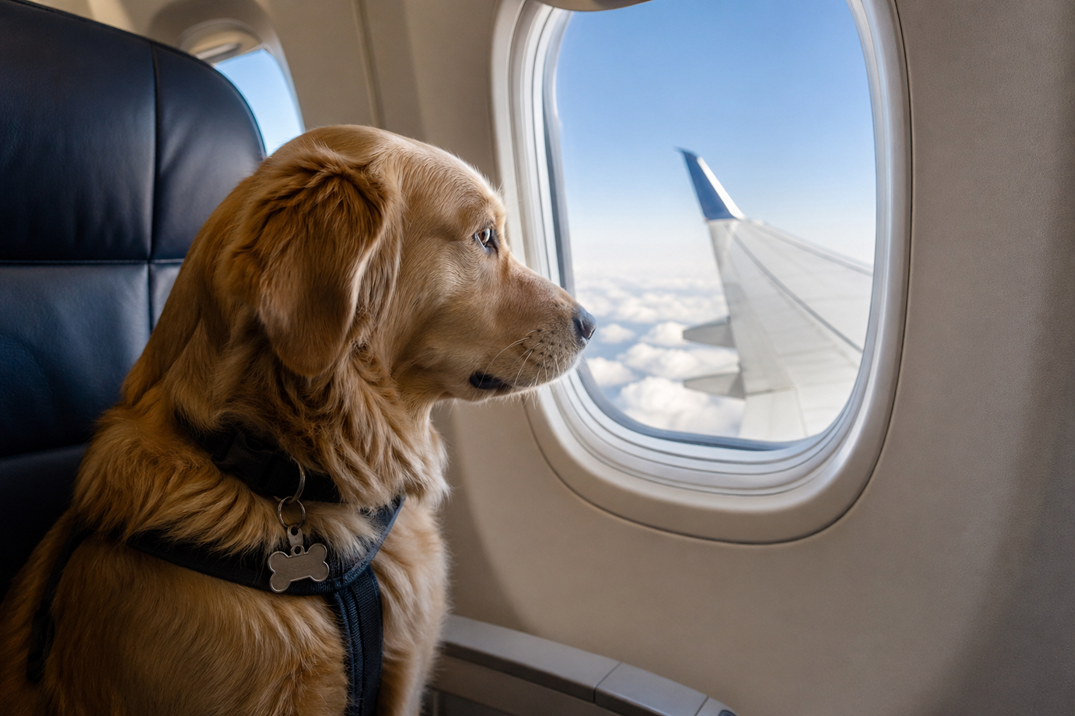
If you are planning a long-distance move, adopting a pet from across the country, or need a trusted professional to transport your dog or cat, one of your first questions is probably: how much is this going to cost? The honest answer is that pet transportation costs vary quite a bit. A short local trip can run as little as $75. A cross-country move with a large dog might cost $2,000 or more. The difference comes down to distance, pet size, mode of transport, and the level of professional care involved.
This guide breaks down real 2026 price ranges for every scenario so you can budget accurately and book with confidence. When you are ready to get a personalized number, PetWorks connects you with USDA-registered pet transportation professionals throughout the United States. You can request a free quote in minutes and compare vetted pet transport providers near you.
What Factors Affect Pet Transportation Cost?
Before diving into numbers, it helps to understand what actually drives the price. No two transport jobs are identical, and knowing these variables will help you evaluate quotes accurately.
- This is the biggest factor. A 50-mile local trip costs a fraction of a 2,000-mile cross-country haul. Fuel, time, and overnight accommodations for multi-day trips all add up.
- Pet size and weight. Larger dogs require more space, larger crates, and sometimes specialized vehicles. A 10-pound cat and a 90-pound Labrador are very different transport jobs.
- Number of pets. Many providers offer per-pet pricing on multi-pet transport. If you are moving two or three animals together, ask about combined rates. Read our guide on transporting multiple pets for more detail.
- Mode of transport. Ground transport (door-to-door driving) and air transport have different price structures, comfort levels, and logistics. More on this in the next section.
- Time of year. Peak moving season runs from May through August. Demand for pet transport services rises sharply during this window, and prices can reflect that. Booking early saves money and guarantees availability.
- Level of care and supervision. Some providers offer solo transport for your pet only. Others share vehicle space across multiple clients. Solo or dedicated transport costs more but provides a higher level of attention throughout the journey.
- Health certificate and documentation. Most professional pet transport requires a current Certificate of Veterinary Inspection (CVI) from your vet. This typically costs between $50 and $200 and is separate from the transport fee.
Pet Transportation Cost by Distance
Distance is the most reliable predictor of cost. As of 2026, here are the typical ranges you can expect for professional ground pet transport of one average-sized dog or cat.
| Distance | Estimated Cost Range | Typical Mode |
| Under 100 miles | $75 to $200 | Ground / Pet Taxi |
| 100 to 500 miles | $200 to $600 | Ground Transport |
| 500 to 1,500 miles | $500 to $1,200 | Ground Transport |
| 1,500 to 3,000 miles | $800 to $2,000 | Ground or Air |
| Cross-country (3,000+ miles) | $1,000 to $2,500+ | Ground or Air |
Important note: These ranges reflect professional ground transport. Air transport, international shipping, flight nanny services, and specialty services like puppy transportation are priced differently. See the sections and subcategory links below for those options.
Short Distance: Under 100 Miles
For local pet transport under 100 miles, costs typically fall between $75 and $200. This tier includes pet taxi services for vet appointments, grooming runs, and short in-state moves. If you need a reliable local pet taxi, PetWorks has vetted providers in most major metro areas.
Regional: 100 to 500 Miles
Regional transport covering 100 to 500 miles generally ranges from $200 to $600. This is a common range for moves between neighboring states or from a rural area to a major city. Most regional trips can be completed in a single day, keeping the logistics simple and the cost manageable.
Long Distance: 500 to 3,000 Miles
Long-distance transport in the $500 to $2,000 range is where most cross-state and cross-country moves fall. Multi-day ground trips require overnight accommodations for your pet and the transport professional, which is factored into the quote. PetWorks specializes in this category, offering door-to-door service with USDA-registered professionals.
Cross-Country: 3,000 Miles or More
Full coast-to-coast moves involving 3,000 or more miles typically run from $1,000 to $2,500 or more depending on specifics. At this distance, some pet parents also consider air transport options. For details on air-assisted options, see our flight nanny services page.

Are you finding this article useful? Would you like 100% free access to more articles like these, and free access to over 5,000 vetted pet care service professionals throughout the United States? Sign up here for a free Petworks account, and we’ll email you a 10% discount code, good towards your first pet care services booking on Petworks!
Ground vs. Air Pet Transport Cost
Transport On The Ground
Ground transport is the most popular choice for domestic pet moves in the USA. A professional transporter drives your pet from your current home directly to your new address, or to a designated drop-off point, with regular rest stops, feeding, and supervision throughout.
Ground transport tends to be less expensive than air transport for most domestic distances, and many pets handle car travel with far less stress than the noise and pressure changes of a commercial aircraft. It also avoids airline breed restrictions, which can be a significant barrier for brachycephalic breeds like French Bulldogs, Pugs, and Boston Terriers.
Typical price range for ground transport: $75 to $2,500+ depending on distance (see table above).
Air Transport
Air transport is faster and makes sense for very long distances or time-sensitive situations. Costs vary significantly depending on whether your pet travels as cargo, as checked baggage, or in-cabin with a human escort.
In-cabin air transport is generally limited to small pets under 20 pounds. Cargo transport is available for larger animals but comes with stricter regulations, seasonal restrictions, and a higher risk of stress-related health issues. For a safer air travel option, many pet parents choose a flight nanny, a professional who accompanies your pet on the plane as a carry-on passenger.
To get pricing and details on air-assisted pet transport, visit our flight nanny services page. For pets traveling internationally, see our international pet shipping services.
Additional Costs to Budget For
The transport fee is usually the largest line item, but it is not the only one. Here are the additional costs you should build into your budget.
- Veterinary health certificate: $50 to $200. Required for most professional pet transport, especially across state lines. Your vet must certify that your pet is healthy and fit to travel. The certificate is usually valid for 10 to 30 days.
- Crate or carrier: $30 to $200+. Most professional transporters require an IATA-approved hard-sided crate for dogs and cats. If you do not already own one, factor this into your budget. Some providers include crate use in their fee, so always ask.
- Microchipping: $25 to $75. If your pet is not already microchipped, now is an excellent time. It is required for international transport and strongly recommended for domestic moves in case your pet gets separated during transit.
- Travel insurance: Optional but worth considering for long or complex moves. Some pet transport providers include basic insurance in their quote. Ask what is covered and whether you need supplemental coverage.
- Gratuity: Not required but appreciated. If your transport professional provided excellent care over a multi-day journey, a tip of $20 to $50 is a kind acknowledgment of their work.
How to Get the Best Value on Pet Transportation
Professional pet transport is an investment in your animal’s safety and comfort. Here is how to get the most value for your money.
- Book early. Especially between May and August, quality transport professionals book up quickly. Locking in your dates 4 to 6 weeks in advance often gets you better availability and sometimes a better rate.
- Compare USDA-registered providers. Any professional transporting pets commercially in the USA should be registered with the USDA Animal and Plant Health Inspection Service (APHIS). Ask for their registration number and verify it. Unregistered transporters may be cheaper, but they are not held to federal animal welfare standards.
- Ask about per-pet pricing. If you are moving more than one pet, always ask whether the provider offers a reduced rate for additional animals on the same trip. Many do.
- Read reviews and communicate directly. Before booking, read reviews from other pet parents and have a direct conversation with your provider. How they communicate before the trip is a strong indicator of how they will care for your pet during it.
- Use a vetted marketplace. Booking through PetWorks means every provider has been reviewed and verified before they appear in your results. You compare options, read profiles, and request quotes all in one place without doing the research from scratch.
Why Professional Pet Transport Is Worth the Cost
It is natural to wonder whether you can save money by driving your pet yourself or by hiring an unverified driver from a classifieds site. Here is why professional transport is worth the premium for most pet parents.
- Continuous supervision. A professional transporter is with your pet for the entire journey. They know the signs of stress, dehydration, and illness, and they respond immediately if something is off.
- Reduced stress for your pet. Experienced transport professionals know how to make a journey comfortable. Regular breaks, proper feeding schedules, familiar smells in the crate, and calm handling all make a measurable difference in how well your pet tolerates travel.
- USDA compliance and accountability. USDA-registered transporters are required to follow federal Animal Welfare Act standards. If something goes wrong, there is a regulatory body and a professional record behind the transaction. Unverified drivers have neither.
- Peace of mind. Knowing your pet is in the hands of a credentialed professional while you manage the chaos of a move has real value that is hard to put a dollar figure on.
A Word From PetWorks:
“Choosing a USDA-registered, fully vetted pet transporter isn’t just a preference. It’s a responsibility every pet owner should take seriously. At Petworks, we only connect families with professionals who meet strict standards, including proper USDA registration, verified insurance, proven transport experience, and a track record of safe, compassionate animal care. If we wouldn’t trust them with our own pets, they don’t make it onto our platform.” – Kevin Kinyon, Co-Founder, PetWorks
Frequently Asked Questions About Pet Transportation Cost
How much does pet transportation cost?
Pet transportation costs typically range from $75 to $2,500 or more depending on distance, pet size, and mode of transport. Short local trips under 100 miles often cost between $75 and $200, while cross-country ground transport for one dog or cat generally runs from $800 to $2,000. The best way to get an accurate number is to request a free personalized quote from a vetted professional on PetWorks.
What is the cheapest way to transport a pet?
Ground transport is generally the most affordable professional option for pet transportation in the USA. For short distances, a local pet taxi service can cost as little as $75 to $150. For longer distances, door-to-door ground transport is usually less expensive than air travel and provides continuous care throughout the journey. Driving your pet yourself is the least expensive option but is not always practical for long distances or busy schedules.
How much does it cost to ship a dog cross country?
Shipping a dog cross country typically costs between $800 and $2,500 depending on the dog’s size, the specific route, the level of care provided, and whether ground or air transport is used. Larger dogs and longer routes will generally fall on the higher end of that range. Professional ground transport with door-to-door service is a popular choice for cross-country moves because it avoids the stress and restrictions of airline cargo.
How much does it cost to transport a cat long distance?
Long distance cat transport typically costs between $300 and $1,500 depending on distance and method. Cats are often better suited to ground transport than air travel due to their sensitivity to environmental changes. Professional ground transport services provide supervised, door-to-door care which reduces stress significantly compared to cargo air shipping. A health certificate from your vet is generally required and typically costs between $50 and $150 on top of the transport fee.
Are there extra fees I should know about when hiring a pet transporter?
Yes. In addition to the base transport fee, common additional costs include a veterinary health certificate (required for most transport, typically $50 to $200), crate or carrier fees if you do not already own an approved one, travel insurance, and gratuity for the transport professional. For interstate travel, some states require specific health documentation that may involve additional vet visits. Always ask for a detailed quote that itemizes all fees before booking.
Does PetWorks offer pet transportation services?
Yes. PetWworks connects pet parents with USDA-registered, vetted pet transportation professionals throughout the United States. You can request a free quote in minutes and compare providers for local, regional, and cross-country ground transport. PetWorks also offers specialized services including flight nanny, international pet shipping, pet taxi, and pet relocation.
Is it safe to use a professional pet transportation service?
Professional pet transportation through vetted, USDA-registered providers is considered one of the safest options for moving pets over long distances. USDA registration indicates the provider meets federal standards for animal handling. When booking through PetWorks, all listed professionals have been reviewed and verified. It is always recommended to check reviews, ask about experience with your specific pet type, and confirm the provider’s licensing before booking.
Ready to Get a Quote? Find a Vetted Pet Transporter on PetWorks
Now that you have a clear picture of what pet transportation costs in 2026, the next step is getting a number specific to your pet, your route, and your timeline.
PetWworks connects pet parents with USDA-registered, fully vetted pet transportation professionals across the United States. Whether you need a local pet taxi, a long-distance door-to-door ground transport, a flight nanny, or help coordinating an international move, PetWorks has a verified professional ready to help.
Browse our pet transportation pros, request your free quotes, and get a personalized price in minutes.
About PetWorks
 In 2021, Dr. Marty Goldstein DVM joined the pet care platform PetWorks as an advisor in its Animal Nutrition care division. Dr Marty Nature’s Blend is on a mission to help your pets live their healthiest lives possible. Dr. Marty’s pet nutrition expertise and guidance has helped PetWorks evolve and become the preeminent animal and pet nutrition consultation service for pet parents in North America.
 In 2022, Blue Buffalo Founder Bill Bishop Jr. joined PetWorks as Senior Advisor in our Animal Nutrition Care Division. Bill brings his extensive expertise in pet food innovation and business leadership. His guidance helps PetWorks enhance our pet nutrition service offerings, helping to ensure that pet parents throughout the world receive trusted, science-backed nutritional support for their dogs, cats, and animals.
About The Author
 PetWorks Co-Founder Kevin Kinyon is a life-long animal lover who works tirelessly to improve the lives of pets and their parents. Human and animal qualities he values most are integrity, humor, and empathy.

 petworks tm