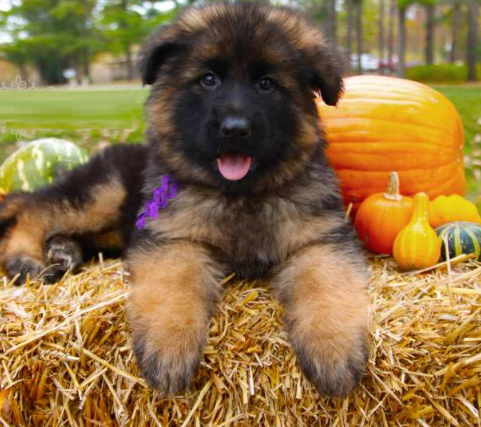
German Shepherds are one of the most loyal, intelligent, and capable dog breeds in the world. They bond deeply with their families, excel at learning, and thrive when given a job to do. But that same sensitivity and intelligence that makes them so exceptional can also make them prone to anxiety — and for many GSD owners, it’s one of the biggest challenges they face.
If your German Shepherd seems nervous, clingy, destructive, or reactive, you’re not alone. Anxiety is one of the most commonly reported behavioral concerns in the breed. The good news is that with the right understanding and the right support, it’s highly manageable.
This guide covers everything German Shepherd owners need to know: why anxiety develops, how to recognize it, and — most importantly — what you can do to help your dog feel safe and calm.
Why Are German Shepherds So Prone to Anxiety?
Not every dog is equally susceptible to anxiety, and German Shepherds have several breed-specific traits that make them more vulnerable than most.
They’re Built to Bond Deeply
German Shepherds were originally bred as herding and working dogs, spending virtually all their time alongside a human handler. That instinct to be close to and work with their person is still very much present today. When they’re separated — or when their environment feels unpredictable — it can trigger real distress. This is why German Shepherds are often called ‘velcro dogs’. They want to be wherever you are, at all times. While it’s endearing, that level of attachment is also what makes separation so difficult for them
Their Intelligence Works Against Them
A highly intelligent dog notices everything. Changes in routine, tension in the household, new people, unfamiliar sounds — a German Shepherd picks up on all of it. That attentiveness is wonderful when channeled into training or work, but it also means they can become overstimulated or alarmed more easily than a more laid-back breed.
They Need More Than Most Dogs
GSDs require significant physical exercise and mental stimulation every single day. When those needs aren’t met — even for a few days — anxiety, frustration, and destructive behavior can emerge. It’s not misbehavior. It’s a dog with an unfulfilled need trying to cope the only way they know how.
Genetics and Early Socialization Matter
Anxiety can have a genetic component, meaning some dogs are simply wired to be more anxious than others. But early socialization (or the lack of it) during puppyhood also plays a massive role. Dogs who weren’t exposed to a wide range of people, environments, sounds, and animals during their critical developmental window are far more likely to develop anxiety later in life.
Types of Anxiety Commonly Seen in German Shepherds
Separation Anxiety
This is by far the most common form of anxiety in GSDs. It occurs when a dog becomes distressed in the absence of their owner or the person they’re most bonded to. It can range from mild unease to full-blown panic, and it’s often misunderstood as “bad behavior” when it’s actually a genuine emotional disorder.
Noise Anxiety
Thunderstorms, fireworks, construction sounds, and even the hum of certain appliances can send some German Shepherds into a state of panic. Noise anxiety tends to worsen over time if not addressed, and it can be one of the most disruptive forms of anxiety for both dog and owner.
Social Anxiety and Fear of Strangers
German Shepherds who weren’t properly socialized as puppies often struggle with unfamiliar people or dogs. This can look like excessive barking, lunging, cowering, or stiff body language when meeting new individuals. While it may appear aggressive on the surface, the root emotion is often fear.
Generalized Anxiety
Some dogs seem anxious in a more pervasive way — always on edge, easily startled, never fully relaxed. Generalized anxiety can be hard to pin to a specific trigger and often requires professional support to manage effectively.
Signs Your German Shepherd May Have Anxiety
Anxiety in dogs doesn’t always look like shaking or hiding. German Shepherds in particular can express anxiety in ways that are easy to misinterpret. Here are the key signs to watch for:
- Destructive behavior when left alone (chewing furniture, doors, or their crate)
- Excessive barking, howling, or whining — especially when separated from you
- Pacing, restlessness, or an inability to settle even after exercise
- Following you from room to room and becoming distressed when they can’t
- Inappropriate elimination (urinating or defecating indoors) despite being house trained
- Excessive licking, chewing at paws, or other repetitive self-soothing behaviors
- Trembling, panting, or drooling in non-hot conditions
- Yawning, lip licking, or whale eye (seeing the whites of their eyes) — subtle stress signals
- Reactivity on leash: barking, lunging, or pulling toward or away from other dogs and people
- Sudden changes in appetite or sudden reluctance to eat in certain environments
 “German Shepherds don’t act out. They communicate. When an anxious GSD is being destructive or clingy, they’re telling you something is wrong. The owners who get the best outcomes are the ones who listen early and get the right professional support before the behavior becomes ingrained.” – Kevin Kinyon, Co-Founder, PetWorks
What NOT to Do When Your GSD Shows Anxiety
Before getting into solutions, it’s worth addressing a few common mistakes that can accidentally make anxiety worse.
Don’t punish anxious behavior. Yelling at or physically correcting a dog for anxiety-related behavior does not address the underlying emotion — it adds fear on top of fear. It often makes the problem significantly worse and can damage your dog’s trust in you.
Don’t “just let them work it out.” The idea that ignoring anxiety will cause a dog to overcome it on their own is a myth. Untreated anxiety tends to intensify over time.
Don’t over-reassure during a trigger. While it feels natural to comfort a scared dog with “it’s okay, it’s okay,” excessive reassurance during a fearful moment can inadvertently reinforce the anxious state. Stay calm and confident instead — your energy communicates more than your words.
Don’t skip the vet. Some anxiety-like symptoms have underlying medical causes. Pain, thyroid conditions, and neurological issues can all produce behavioral changes that look like anxiety. Always rule out a medical cause first.

Are you finding this article useful? Would you like 100% free access to more articles like these, and free access to over 5,000 vetted pet care service professionals throughout the United States? Sign up here for a free PetWorks account, and we’ll email you a 10% discount code, good towards your first pet care services booking on PetWorks!
How to Help a German Shepherd With Anxiety
1. Make Sure Their Core Needs Are Met First
Before exploring behavioral interventions, take an honest look at your dog’s daily life. German Shepherds typically need 1.5 to 2 hours of vigorous physical activity per day, plus mental stimulation. A GSD who is under-exercised and under-stimulated will almost always show some form of anxious or disruptive behavior — because they’re not being given the outlet they need.
Consider puzzle feeders, scent work, training sessions, and off-leash time in a secure space as part of a complete daily routine.
2. Build a Predictable Routine
German Shepherds are creatures of habit. A consistent daily schedule — feeding times, walk times, training sessions, and rest periods — goes a long way toward reducing baseline anxiety. Knowing what to expect is genuinely calming for a high-strung dog.
3. Work on Desensitization and Counter-Conditioning
This is one of the most effective approaches for anxiety, but it requires patience and consistency. The goal is to gradually expose your dog to their anxiety trigger at a very low level, pairing it with something positive (like high-value treats), and slowly increasing exposure over time.
For example, if your GSD is anxious around strangers, you’d start by having strangers at a great distance, rewarding calm behavior, and very slowly decreasing the distance over many sessions. Done correctly, this can fundamentally change how a dog feels about their trigger — not just how they behave around it.
This type of work is most effective when guided by a professional who can ensure you’re working at the right pace and not accidentally making the anxiety worse.
4. Create a Safe Space
Give your dog a designated “den” — a crate, a corner of a room, or a specific bed — where they can go when they feel overwhelmed. Cover the crate with a blanket to create a darker, more enclosed feel. Many anxious dogs find this deeply comforting. Importantly, this space should never be used as punishment.
5. Consider a Professional Dog Trainer or Behaviorist
If your German Shepherd’s anxiety is significantly affecting their quality of life — or yours — a professional is not a luxury, it’s a necessity. A qualified dog trainer who specializes in anxiety and fear-based behavior can assess your specific dog, identify the root causes, and build a customized behavior modification plan.
For more complex cases, a veterinary behaviorist (a veterinarian with a specialty in animal behavior) may be the right step. They can also discuss prescription medication options when behavioral interventions alone aren’t enough.
6. Explore Holistic and Supportive Options
Many owners find relief through complementary approaches used alongside training and behavioral work. These are not replacements for professional help, but they can meaningfully reduce baseline anxiety:
- Calming supplements containing L-theanine, melatonin, or valerian root
- Adaptil (DAP) diffusers or collars, which release synthetic dog-appeasing pheromones
- Pressure wraps like the ThunderShirt, which can reduce anxiety during acute events like storms
- Animal acupuncture, which some dogs respond remarkably well to for chronic stress and anxiety
- Canine massage therapy, which can reduce cortisol levels and help an anxious dog learn to relax in their body
7. For Separation Anxiety: Build Alone Time Slowly
If your dog is anxious specifically when left alone, work on building their tolerance for your absence in tiny increments. Start by leaving for just a few seconds, returning before any anxiety kicks in, and gradually extending the duration over days and weeks. Avoid long, drawn-out goodbyes and greetings — keep departures and arrivals calm and matter-of-fact.
For severe separation anxiety, this process can take months and is most effective with professional guidance. Video monitoring your dog while you’re away is an extremely useful tool for assessing what’s actually happening in your absence.
Frequently Asked Questions About German Shepherd Anxiety
Q: How do I know if my German Shepherd has separation anxiety or is just bored?
A: Both can look similar — chewing, barking, destructive behavior — but the key difference is timing. Separation anxiety behaviors happen specifically when you’re absent or about to leave (your dog may begin to show stress as you get your keys). Boredom tends to be more generalized and may occur even when you’re home. Setting up a camera to observe your dog when alone is the most reliable way to tell the difference.
Q: Can German Shepherd anxiety be cured?
A: “Cured” is a strong word, but anxiety absolutely can be reduced to the point where it no longer significantly affects your dog’s life. Many dogs with anxiety go on to become relaxed, confident companions with the right combination of training, routine, exercise, and in some cases, medical support. Think of it less as a cure and more as an ongoing management strategy.
Q: At what age does anxiety typically develop in German Shepherds?
A: Anxiety can emerge at any age, but there are a few common windows. The first is between 8 and 14 months, when many dogs go through a second fear period. The second is after a significant life change — a move, a new baby, the loss of another pet, or a change in the owner’s schedule. Some older dogs also develop anxiety as part of cognitive decline.
Q: Is it okay to use medication for my German Shepherd’s anxiety?
A: Yes — in appropriate cases. Medication is not a sign of failure. For dogs with moderate to severe anxiety, behavioral medication prescribed by a veterinarian can lower their baseline anxiety enough that training actually becomes effective. Medication and behavior modification together tend to produce much better outcomes than either approach alone.
Q: Can a dog trainer really help with anxiety, or do I need a veterinary behaviorist?
A: It depends on the severity. A certified professional dog trainer (CPDT-KA) who has experience with fear and anxiety can make a significant difference for mild to moderate cases. For severe anxiety, generalized anxiety disorder, or cases involving aggression rooted in fear, a veterinary behaviorist or a certified applied animal behaviorist (CAAB) is the more appropriate choice. Your vet can help guide you to the right level of support.
Q: Do German Shepherds grow out of anxiety?
A: Rarely, and not without help. While a puppy’s early fears may ease naturally with positive experiences, established anxiety — particularly separation anxiety — almost always requires active intervention to improve. Waiting and hoping it resolves on its own typically leads to the problem becoming more entrenched over time.
German Shepherd anxiety is real, it’s common, and it’s nothing to be ashamed of as an owner. The fact that you’re researching it means you’re already doing the right thing. These dogs give us everything — their loyalty, their intelligence, their whole heart — and when they’re struggling, they deserve our patience and our effort in return.
Start with the basics: exercise, routine, and a predictable environment. Layer in professional support if the anxiety is significant. And remember that there is no single fix — managing anxiety is a process, not an event. With consistency and the right help, the vast majority of anxious German Shepherds make remarkable progress.
If you’re ready to connect with a qualified dog trainer or animal behaviorist near you, PetWorks makes it easy to find vetted pet care professionals throughout the United States.
About PetWorks
 In 2021, Dr. Marty Goldstein DVM joined the pet care platform PetWorks as an advisor in its Animal Nutrition care division. Dr Marty Nature’s Blend is on a mission to help your pets live their healthiest lives possible. Dr. Marty’s pet nutrition expertise and guidance has helped PetWorks evolve and become the preeminent animal and pet nutrition consultation service for pet parents in North America.
 In 2022, Blue Buffalo Founder Bill Bishop Jr. joined PetWorks as Senior Advisor in our Animal Nutrition Care Division. Bill brings his extensive expertise in pet food innovation and business leadership. His guidance helps PetWorks enhance our pet nutrition service offerings, helping to ensure that pet parents throughout the world receive trusted, science-backed nutritional support for their dogs, cats, and animals.
About The Author
 PetWorks Co-Founder Kevin Kinyon is a life-long animal lover who works tirelessly to improve the lives of pets and their parents. Human and animal qualities he values most are integrity, humor, and empathy.

 petworks tm