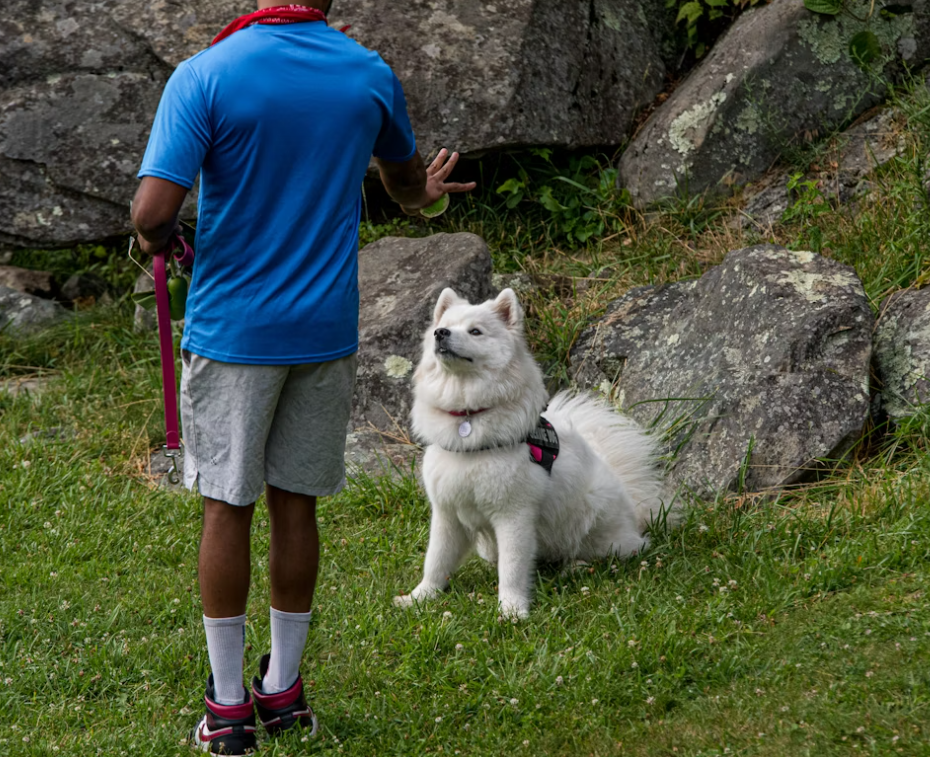
Dog training is one of the best investments you can make in your pet’s happiness and your own peace of mind. But many pet owners ask the same question after their first few sessions: “How can I get results faster?” While every dog learns at their own pace, there are proven ways to speed up progress without sacrificing quality, trust, or long-term success.
Whether you’re working with a professional trainer or training at home, these expert-backed strategies can help your dog learn more quickly—and more reliably.
Understand What “Fast” Really Means in Dog Training
Before diving in, it’s important to reset expectations. Faster results don’t mean instant obedience or skipping steps. Instead, fast training means:
-
Fewer setbacks
-
Noticeable improvement week over week
-
Skills that stick long-term
-
A dog that understands why they’re being rewarded
Rushing or cutting corners often leads to confusion, stress, and regression—slowing things down in the long run.
1. Choose the Right Training Method From the Start
One of the biggest reasons training stalls is mismatched methods.
Positive reinforcement training, which rewards desired behaviors, has been shown to produce faster and more reliable results than punishment-based approaches. Dogs learn quicker when they feel safe, motivated, and engaged.
Reward-based training:
-
Builds trust
-
Reduces anxiety and fear
-
Encourages dogs to offer behaviors willingly
-
Creates clearer communication
“A good trainer does not need to rely on physical punishment; motivation and positive reinforcement will get better results in far less time.” – Cesar Millan
2. Work With a Professional Trainer Early
Many owners wait until behaviors become severe before hiring help. In reality, early professional guidance saves time.
A certified dog trainer can:
-
Identify issues before they become habits
-
Tailor training to your dog’s breed, age, and temperament
-
Prevent common owner mistakes
-
Provide structure and accountability
Platforms like Petworks make it easy to find vetted trainers offering in-person or virtual sessions, allowing you to start sooner instead of struggling alone.

Are you finding this article useful? Would you like 100% free access to more articles like these, and free access to over 5,000 vetted pet care service professionals throughout the United States? Sign up here for a free Petworks account, and we’ll email you a 10% discount code, good towards your first pet care services booking on Petworks!
3. Train in Short, Focused Sessions
Long training sessions don’t equal faster learning. In fact, they often do the opposite.
Ideal session length:
-
Puppies: 3–5 minutes
-
Adult dogs: 5–10 minutes
-
Multiple sessions per day work better than one long session
Short sessions:
-
Prevent mental fatigue
-
Keep motivation high
-
Improve retention
-
Reduce frustration for both dog and owner
Consistency beats duration every time.
4. Practice Daily—Not Just During Lessons
One of the most overlooked keys to faster dog training is daily reinforcement outside formal sessions.
Training should happen:
-
During walks
-
At mealtimes
-
Before opening doors
-
When greeting people
-
During play
Dogs learn fastest when skills are practiced in real-life situations, not just during scheduled lessons.
5. Be Consistent With Cues and Rules
Nothing slows training more than mixed messages.
To speed things up:
-
Use the same verbal cues every time
-
Ensure everyone in the household follows the same rules
-
Reward behaviors consistently
-
Avoid accidentally reinforcing unwanted behaviors
For example, if jumping is sometimes allowed and sometimes punished, your dog will take longer to understand what’s expected.
6. Train in the Right Environment
Dogs don’t automatically generalize behaviors across environments.
A sit learned in the living room doesn’t instantly transfer to:
-
A busy park
-
A sidewalk
-
A friend’s house
Start in low-distraction environments, then gradually increase difficulty. This step-by-step progression prevents setbacks and accelerates overall learning.
7. Use High-Value Rewards Strategically
Not all rewards are equal. Faster results often come from using the right reward at the right time.
High-value rewards include:
-
Small pieces of cooked chicken
-
Cheese
-
Freeze-dried treats
-
Favorite toys
Use higher-value rewards when:
-
Teaching new behaviors
-
Training in distracting environments
-
Working through challenging behaviors
As behaviors improve, you can gradually fade treats and rely more on praise and life rewards.
8. Address Behavior Issues Early
Ignoring small issues can dramatically slow training later.
Behaviors like:
-
Jumping
-
Pulling on leash
-
Barking
-
Resource guarding
Bad habits become harder to fix once they’re ingrained. Early intervention keeps training efficient and prevents frustration down the line.
9. Stay Patient and Emotionally Neutral
Dogs are highly sensitive to human emotion. Frustration, impatience, or inconsistency can slow learning dramatically.
To keep progress moving:
-
Stay calm and neutral during mistakes
-
Reward effort, not just perfection
-
Take breaks when needed
-
Celebrate small wins
Training should feel like teamwork—not a test.
10. Choose the Right Trainer for Your Dog
Not all trainers specialize in the same areas. Choosing the right match accelerates results.
Consider:
-
Experience with your dog’s breed or age
-
Specialization (puppy training, behavior modification, reactivity)
-
Training philosophy
-
In-person vs. virtual options
Petworks allows pet owners to compare trainers, read verified reviews, and book sessions that match their goals—making it easier to get results faster.
How Long Does It Take to See Results?
While timelines vary, most owners notice:
-
Initial improvements within 1–2 weeks
-
Significant progress by weeks 4–6
-
Reliable behaviors with continued reinforcement
Consistency, quality instruction, and daily practice are the biggest accelerators.
Frequently Asked Questions
How often should I train my dog for faster results?
Short daily sessions (5–10 minutes) multiple times per day produce faster results than infrequent long sessions.
Does online dog training work as fast as in-person?
Virtual training can be just as effective—especially for obedience, behavior consultations, and owner education—when guided by an experienced professional.
Can older dogs still learn quickly?
Yes. While puppies may learn faster physically, adult and senior dogs are often more focused and capable of rapid progress with the right approach.
Should I stop training once my dog improves?
No. Ongoing reinforcement ensures behaviors remain reliable and prevents regression.
Faster dog training results don’t come from shortcuts—they come from clarity, consistency, and professional support. By choosing the right methods, practicing daily, and working with experienced trainers, you can help your dog succeed more quickly and confidently.
If you’re ready to accelerate your dog’s progress, Petworks connects you with trusted dog trainers offering personalized support to help you reach your goals faster.
About Petworks
 In 2021, Dr. Marty Goldstein DVM joined the pet care platform Petworks as an advisor in its Animal Nutrition care division. Dr Marty Nature’s Blend is on a mission to help your pets live their healthiest lives possible. Dr. Marty’s pet nutrition expertise and guidance has helped Petworks evolve and become the preeminent animal and pet nutrition consultation service for pet parents in North America.
 In 2022, Blue Buffalo Founder Bill Bishop Jr. joined Petworks as Senior Advisor in our Animal Nutrition Care Division. Bill brings his extensive expertise in pet food innovation and business leadership. His guidance helps Petworks enhance our pet nutrition service offerings, helping to ensure that pet parents throughout the world receive trusted, science-backed nutritional support for their dogs, cats, and animals.
About The Author
 Petworks Co-Founder Kevin Kinyon is a life-long animal lover who works tirelessly to improve the lives of pets and their parents. Human and animal qualities he values most are integrity, humor, and empathy.

 petworks tm