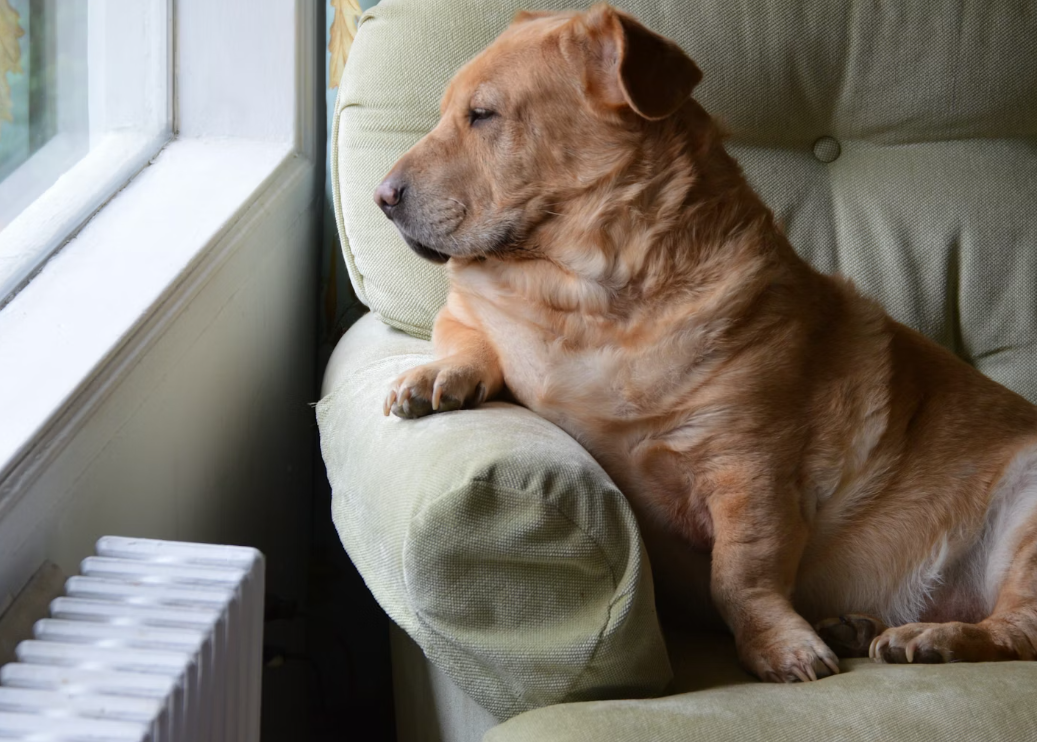
Most dogs experience stress at some point. But when your dog suddenly becomes anxious, starts acting fearful, or shows behaviors that are out of character, it’s alarming. Sudden anxiety in dogs can stem from health issues, environmental changes, emotional triggers, or past trauma resurfacing. Understanding what to look for, and when to involve a professional, can help your dog feel safe, supported, and stable again.
This guide covers the early signs of dog anxiety, the most common causes of sudden anxiety, how to help your dog at home, and when to call in an expert dog trainer or behaviorist.
Early Signs of Sudden Anxiety in Dogs
Dog anxiety rarely appears out of nowhere. It usually begins with small, subtle behavior changes that escalate over time. Watch for the following early anxiety symptoms:
Sudden Restlessness or Pacing
A dog that can’t settle, keeps moving around the home, or frequently shifts positions may be experiencing internal stress.
Excessive Panting
Panting when it’s not hot or following mild activity is often linked to fear, discomfort, or panic.
Shaking or Trembling
This can range from slight quivering to full-body shaking, especially during thunderstorms or loud noises.
Whining or Vocalizing
Sudden whining, barking, or howling, especially when you leave the room, may indicate separation anxiety or fear.
Hiding or Avoiding
A dog that normally seeks attention but suddenly hides under furniture or withdraws is signaling stress.
Following You Constantly
Clinginess is one of the most overlooked signs of developing anxiety.
Changes in Appetite
Refusing meals, eating less, or eating faster can all be stress-related behaviors.
Destructive Behaviors
Chewing, scratching doors, or tearing up household items often appears in dogs struggling to self-soothe.
What Causes Sudden Anxiety in Dogs?
Dogs thrive on routine and predictability. Anything that disrupts their world, even slightly, can trigger anxiety. The following are the most common causes of sudden anxiety in dogs.
1. Pain, Illness, or Underlying Medical Conditions
Health issues are one of the leading causes of sudden anxiety. Dogs often mask discomfort, so fear or agitation may show up before any physical symptoms.
Medical causes may include:
-
Ear infections
-
Dental pain
-
Arthritis or joint pain
-
Gastrointestinal discomfort
-
Hypothyroidism
-
Cognitive decline in senior dogs
 If the anxiety appears abruptly and without a clear environmental trigger, a vet exam is essential.
2. Noise Sensitivities or Sound Phobias
Dogs may suddenly become fearful of:
-
Thunderstorms
-
Fireworks
-
Loud vehicles
-
Beeping appliances
-
Construction noise
Noise phobias can worsen with age, turning occasional stress into chronic anxiety if untreated.
3. Separation Anxiety or Attachment Changes
Sudden separation anxiety can appear after:
-
A recent move
-
A schedule change
-
Returning to work after time at home
-
A new family member or pet
-
A stressful event
Dogs who were previously independent may suddenly panic when left alone.

Are you finding this article useful? Would you like 100% free access to more articles like these, and free access to over 5,000 vetted pet care service professionals throughout the United States? Sign up here for a free Petworks account, and we’ll email you a 10% discount code, good towards your first pet care services booking on Petworks!
4. Past Trauma Being Triggered
Rescue dogs or previously neglected animals sometimes develop delayed anxiety responses. A new smell, person, sound, or situation may trigger memories of past mistreatment.
5. Environmental or Household Changes
Dogs are highly sensitive to shifts in routine. Common triggers include:
-
Moving into a new home
-
Visitors staying over
-
New furniture or remodels
-
A baby arriving
-
A family member moving out
-
Changes in owner work hours
Even small changes, like rearranging a room, can impact certain dogs.
6. Lack of Socialization
Under-socialized dogs may suddenly react fearfully to:
-
New environments
-
Strangers
-
Other dogs
-
Unfamiliar sounds
-
Novel experiences
This often happens during adolescence when a “fear period” occurs.
7. Aging and Cognitive Decline
Senior dogs may show anxiety due to:
-
Confusion
-
Nighttime restlessness
-
Sensory decline
-
Pain
-
Canine cognitive dysfunction (similar to dementia)
This type of anxiety often appears gradually but can seem sudden to owners.
How to Help a Suddenly Anxious Dog at Home
Once you’ve identified the signs, the next step is providing immediate support. Here are evidence-based strategies to help calm your dog naturally.
Stay Calm and Offer Reassurance
Contrary to old myths, comforting a stressed dog does not “reinforce fear.” Your presence is grounding.
Remove or Reduce the Trigger
If the anxiety is noise-related, close blinds, play white noise, or move your dog to a quieter room.
Create a Safe Spot
Set up a calm area with:
-
Soft bedding
-
Their favorite toys
-
Low lighting
-
Familiar scents
A crate can be helpful for crate-trained dogs who see it as a den.
Use Enrichment to Lower Stress
Mental stimulation helps release feel-good hormones.
Try:
-
Snuffle mats
-
Food puzzles
-
Treat-dispensing toys
-
Short training sessions
-
Scent games
Stick to a Predictable Routine
Dogs find comfort in consistency. Regular walks, feeding times, and rest periods reduce uncertainty.
Try Calming Tools
These may include:
-
Calming chews (L-theanine, chamomile, melatonin)
-
Pheromone diffusers
-
Weighted blankets
-
Thunder-shirts or anxiety wraps
Track the Behavior
Note the time, duration, and scenario. Patterns help determine the cause and support a professional assessment.
When to Call a Professional Dog Trainer or Behaviorist
Some anxiety doesn’t resolve on its own. If your dog’s fear escalates or becomes disruptive, a professional dog trainer or certified animal behaviorist can help your dog feel safe again.
Here’s when to call a pro:
1. The Behavior Is Becoming More Frequent or More Intense
If your dog’s anxiety now happens daily or has worsened over time, early intervention is key.
2. Your Dog Shows Aggression or Defensive Behaviors
Lunging, growling, snapping, or guarding can be signs of fear-based anxiety that need structured behavior modification.
3. Your Dog Is Showing Separation Anxiety
If your dog:
-
Destroys items
-
Barks excessively
-
Panics when you leave
-
Follows you constantly
…a specialist can create a personalized training plan.
4. You Can’t Identify the Trigger
Professionals can spot subtle signals, patterns, and environmental influences owners may miss.
5. Anxiety Is Affecting Your Dog’s Daily Life
If eating, sleeping, or social interactions change significantly, it’s time for help.
What a Dog Behavior Professional Can Do
Trainers and behaviorists can help by:
-
Assessing your dog’s stress triggers
-
Teaching coping skills and confidence-building exercises
-
Creating structured behavior modification plans
-
Implementing desensitization and counterconditioning
-
Offering ongoing support for long-term improvement
If the case is severe, they may work alongside your veterinarian to discuss medication or supplements that support training.
Expert Insight
According to certified canine behavior consultant Lisa Radosta, DVM, DACVB,
“Sudden anxiety is your dog’s way of telling you that something is wrong, whether it’s medical, environmental, or emotional. Early intervention prevents fear from becoming a chronic behavior problem.”
Preventing Future Anxiety in Dogs
You can reduce the chance of anxiety returning by:
-
Providing regular exercise
-
Using consistent routines
-
Maintaining proper socialization
-
Keeping up with vet checkups
-
Offering mental enrichment daily
-
Managing stress during big life changes
-
Reinforcing confident behaviors
Dogs that feel safe, supported, and stimulated are far less likely to develop chronic anxiety issues.
When to See a Veterinarian
Always consult a vet if:
-
The anxiety began suddenly and severely
-
Your dog may be in pain
-
There are changes in appetite, thirst, or mobility
-
Your dog is a senior
-
No clear trigger exists
Medical conditions need to be ruled out before behavior training begins.
Final Thoughts: You Don’t Have to Handle This Alone
Sudden anxiety in dogs is stressful for both you and your pet—but with the right support, most dogs recover quickly. Understanding early signs, identifying triggers, and seeking help when needed makes a huge difference.
If your dog is struggling with fear, separation anxiety, or sudden behavioral changes, connecting with a certified dog trainer or canine behavior consultant can help restore calm and confidence.
About Petworks
 In 2021, Dr. Marty Goldstein DVM joined the pet care platform Petworks as an advisor in its Animal Nutrition care division. Dr Marty Nature’s Blend is on a mission to help your pets live their healthiest lives possible. Dr. Marty’s pet nutrition expertise and guidance has helped Petworks evolve and become the preeminent animal and pet nutrition consultation service for pet parents in North America.
 In 2022, Blue Buffalo Founder Bill Bishop Jr. joined Petworks as Senior Advisor in our Animal Nutrition Care Division. Bill brings his extensive expertise in pet food innovation and business leadership. His guidance helps Petworks enhance our pet nutrition service offerings, helping to ensure that pet parents throughout the world receive trusted, science-backed nutritional support for their dogs, cats, and animals.
About The Author
 Petworks Co-Founder Kevin Kinyon is a life-long animal lover who works tirelessly to improve the lives of pets and their parents. Human and animal qualities he values most are integrity, humor, and empathy.

 petworks tm