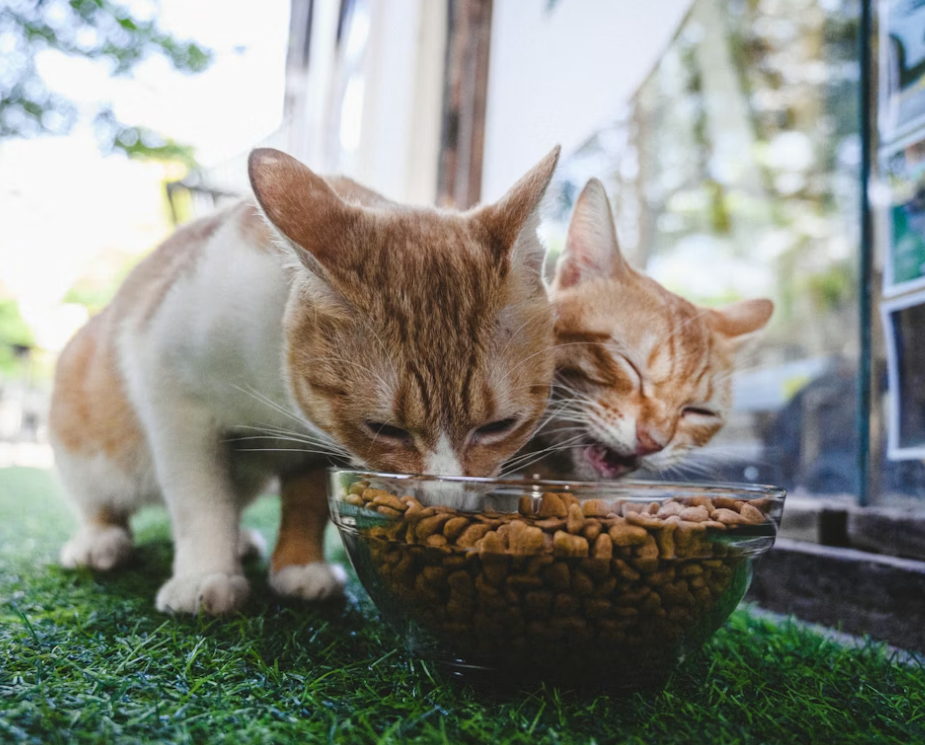
Feeding time in a household with multiple pets can feel like a battlefield. When you have four or more dogs and cats, mealtime isn’t just about nutrition. It’s about maintaining peace, preventing food aggression, and ensuring every pet gets the right portion. With careful planning, organization, and the right strategies, feeding multiple pets can become a smooth, stress-free routine.
Why Feeding Multiple Pets Can Be Challenging
Many pet owners underestimate the complexity of feeding a multi-pet household. Problems can arise from differences in size, breed, age, and personality. Common issues include:
-
Food aggression: Some pets guard their food or try to steal from others.
-
Overeating or undereating: Without careful portion control, some pets may gain weight while others remain undernourished.
-
Dietary restrictions: Dogs and cats have different nutritional needs, and certain pets may require specialized diets due to age, health, or allergies.
-
Stress and anxiety: Mealtime can become stressful for pets who feel threatened or crowded, leading to behavior problems.
 Understanding these challenges is the first step toward creating a calm, organized feeding routine.
What We’ll Cover In This Guide:
-
Strategies for preventing food aggression and ensuring each pet gets proper nutrition.
-
Feeding multiple pets, dog cat feeding tips, multi-pet nutrition
Step 1: Establish a Feeding Schedule
Consistency is key. Pets thrive on routine, and feeding multiple dogs and cats at the same time each day reduces anxiety and food-related conflicts.
-
Fixed meal times: Feed pets at the same time each morning and evening, rather than free-feeding throughout the day.
-
Separate portions: Pre-portion each pet’s food in separate bowls or containers before mealtime to minimize stress and prevent overeating.
-
Use timers if needed: For large households, automatic feeders can help maintain consistent meal times, especially for pets with medical diets.
Step 2: Create a Safe Feeding Space
Your pets need a calm environment to eat safely. Depending on your home and pets’ personalities, consider:
-
Separate rooms: Feed pets in different rooms if aggression or stealing is a concern.
-
Barriers or gates: Use baby gates or feeding stations to separate pets in the same room.
-
Elevated bowls for cats: Cats prefer elevated feeding spots and may feel safer eating away from dogs.
A well-organized feeding space reduces competition and helps pets feel secure.

Are you finding this article useful? Would you like 100% free access to more articles like these, and free access to over 5,000 vetted pet care service professionals throughout the United States? Sign up here for a free Petworks account, and we’ll email you a 10% discount code, good towards your first pet care services booking on Petworks!
Step 3: Use Appropriate Bowls and Feeding Tools
Investing in the right equipment makes feeding easier and safer:
-
Individual bowls: Each pet should have their own bowl. This prevents confusion and territorial disputes.
-
Slow feeders or puzzle feeders: Pets who eat too quickly can benefit from slow-feed bowls, which prevent choking and digestive issues.
-
Label bowls for special diets: Color-coded or labeled bowls help you remember which pet gets which food.
Step 4: Monitor Mealtime Behavior
Even with the best setup, some pets may need extra supervision.
-
Watch for food guarding: Signs include growling, stiff body posture, or snapping. Address these behaviors immediately with positive reinforcement and gradual desensitization.
-
Separate aggressive pets temporarily: If a pet repeatedly steals food or shows aggression, feed them in a different space until they learn proper behavior.
-
Reinforce calm behavior: Reward pets who eat quietly and stay in their spot, using treats or praise once the meal is finished.
From An Expert: “In multi‑pet homes, feeding time can quickly become a stress point, especially when there’s competition over food. Establishing consistent meal routines and physically separating feeding areas helps reduce anxiety and food guarding. Over time, pets learn that mealtime isn’t a threat. It’s a safe, predictable part of their day.” – Dr. Jeannine Berger, DVM, DACVB, veterinary behaviorist
Step 5: Consider Dietary Needs and Portion Control
Each pet has unique nutritional requirements. Feeding multiple pets safely requires careful attention to diet and portion sizes:
-
Dogs vs. cats: Cats need more protein and certain nutrients (like taurine) that dogs do not. Never feed a dog cat food as a substitute or vice versa.
-
Special diets: Pets with allergies, sensitivities, or health issues (e.g., kidney disease, obesity) need customized meals.
-
Measure portions: Use measuring cups or digital scales to ensure each pet gets the right amount for their age, size, and activity level.
Consult your veterinarian, meet virtually with a dog nutritionist, or book a remote session with a cat nutritionist if you are unsure about the correct diet or portion sizes for your pets.
Step 6: Minimize Food Stealing and Cross-Feeding
Food stealing can be a major problem in multi-pet households. Solutions include:
-
Feed pets simultaneously in separate areas: This prevents dominant pets from taking others’ food.
-
Use puzzle feeders: They slow down fast eaters and make meals more engaging.
-
Teach boundaries: Train pets to stay on their mat or in a designated space until you give the release command to start eating.
Consistency and training are key to preventing cross-feeding incidents.
Step 7: Clean Up Safely
A clean feeding area reduces stress and prevents health issues:
-
Wash bowls after each meal: Use pet-safe dish soap to remove bacteria and leftover food residue.
-
Remove uneaten food: Leftover food can attract pests and cause upset stomachs.
-
Sanitize feeding areas regularly: Sweep and mop around bowls, especially if pets are messy eaters.
A clean, organized environment contributes to a calmer, healthier multi-pet household.
Step 8: Make Feeding Time a Positive Experience
Feeding time can be stressful, but it can also be a bonding opportunity:
-
Praise and reward calm behavior: Positive reinforcement encourages pets to eat properly and respect boundaries.
-
Rotate feeding locations occasionally: This prevents boredom and helps pets feel comfortable in different parts of the home.
-
Maintain a calm demeanor: Pets pick up on your mood—approach feeding time with patience and a relaxed attitude.
Step 9: When to Seek Professional Help
Even with the best planning, some pets may develop food-related animal behavioral problems. Professional guidance can help:
-
Veterinarian: For nutritional advice, weight management, or health issues affecting appetite.
-
Certified animal behaviorist or trainer: For aggression, anxiety, or extreme food guarding.
-
Boarding or multi-pet care experts: For guidance on managing larger groups of pets safely.
Don’t wait for problems to escalate; early intervention is key to preventing serious conflicts.
Step 10: Tips From Multi-Pet Households
Here are real-world strategies from pet owners who successfully feed four or more dogs and cats:
-
Label everything: Bowls, food containers, and even feeding mats help reduce mistakes.
-
Stagger feeding times if needed: Some households feed dominant or aggressive pets first, then let others eat in a calmer environment.
-
Use elevated or separate feeding stations for cats: Cats feel safer and eat more peacefully away from dogs.
-
Stay consistent: Pets thrive on routine, so keeping meal times and locations consistent reduces stress.
Feeding multiple dogs and cats doesn’t have to be chaotic. With the right planning, equipment, and strategies, you can create a safe, organized feeding routine that ensures every pet gets the nutrition they need while maintaining harmony in your home. Establish clear boundaries, monitor behavior, and make mealtime a positive experience—your pets (and your sanity) will thank you.
Remember, each pet is unique, and what works for one household may need adjustments in another. Consistency, patience, and attention to individual needs are the keys to turning feeding time from chaos into calm.
About Petworks
 In 2021, Dr. Marty Goldstein DVM joined the pet care platform Petworks as an advisor in its Animal Nutrition care division. Dr Marty Nature’s Blend is on a mission to help your pets live their healthiest lives possible. Dr. Marty’s pet nutrition expertise and guidance has helped Petworks evolve and become the preeminent animal and pet nutrition consultation service for pet parents in North America.
 In 2022, Blue Buffalo Founder Bill Bishop Jr. joined Petworks as Senior Advisor in our Animal Nutrition Care Division. Bill brings his extensive expertise in pet food innovation and business leadership. His guidance helps Petworks enhance our pet nutrition service offerings, helping to ensure that pet parents throughout the world receive trusted, science-backed nutritional support for their dogs, cats, and animals.
About The Author
 Petworks Co-Founder Kevin Kinyon is a life-long animal lover who works tirelessly to improve the lives of pets and their parents. Human and animal qualities he values most are integrity, humor, and empathy.

 petworks tm