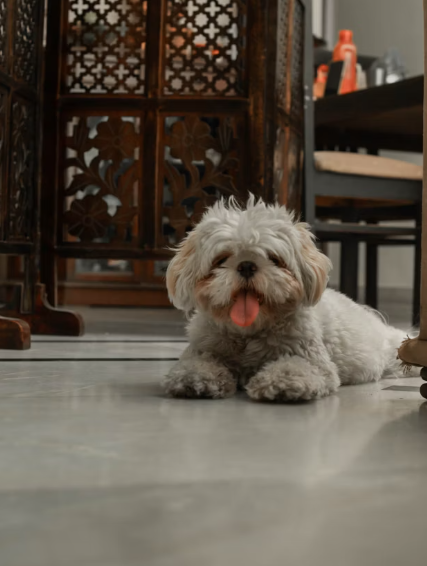
Bringing home a new puppy is exciting, joyful, and honestly… a little overwhelming. Those first few days set the foundation for your puppy’s confidence, routine, and bond with you. Knowing what to expect ahead of time makes the transition smoother for everyone. The first 72 hours with your puppy are an adjustment period. Similar to a baby coming home.
Your new companion is learning brand-new places, smells, people, and expectations. Your job is to guide gently, create a sense of safety, and introduce routines that help them feel secure. This guide breaks down what happens during the first three days and how to help your puppy settle in calmly and happily.
Puppy First Day Home – Before Your Puppy Arrives
A little preparation goes a long way. Before your puppy steps paw into your home, have these items ready:
-
Crate or puppy-safe sleep space
-
Food your puppy is already used to
-
Bowl for water + food
-
Training treats (soft and easy to chew)
-
A few safe chew toys
-
Puppy pads or designated potty spot setup
-
A baby gate or play pen
-
Leash + harness
 Set up one primary “puppy zone” – a cozy, small area where your puppy will sleep, eat, and relax. This prevents overwhelm and allows your puppy to explore gradually.
Day 1: The First Day Home
Expect Your Puppy To Be Nervous
Even confident puppies are unsure on their first day. They just left their mother, littermates, or foster home. They’re in a brand-new world.
Common behaviors:
-
Shyness or hiding
-
Whining or whimpering
-
Following you everywhere
-
Overexcitement or zoomies
-
Sleepiness from stress
It’s all normal.
Your approach: Stay calm, keep voices soft, and let your puppy explore at their own pace.
Introduce the Home Slowly
Don’t give access to the whole house yet. Start with just the puppy zone. Too much space can feel scary and lead to potty accidents.
After a nap or meal, invite your puppy to explore one small area at a time.
Establish the Potty Routine Immediately
Take your puppy:
-
Out first thing in the morning
-
After play
-
After naps
-
After meals
-
Before bedtime
-
Every 1–2 hours in general
Use a consistent phrase like:
“Let’s go potty.”
When they go in the right place, quietly praise and reward. This simple routine prevents frustration later.
First Night Sleep
Expect crying or whining on the first night. This is normal, not misbehavior.
Place their crate or bed in your bedroom or just outside the door. They need to know they’re not alone.
Never yell or bang the crate. It breaks trust. Comfort with your voice, your scent (like a worn t-shirt), and gentle reassurance.

Are you finding this article useful? Would you like 100% free access to more articles like these, and free access to over 5,000 vetted pet care service professionals throughout the United States? Sign up here for a free Petworks account, and we’ll email you a 10% discount code, good towards your first pet care services booking on Petworks!
Day 2: Building Comfort and Routine
By the second day, your puppy is starting to learn:
-
Who you are
-
Where food happens
-
Where sleep happens
-
Where bathroom happens
Now is the time to build consistency.
Create a Daily Rhythm
Not a strict schedule. Just a predictable flow:
-
Potty
-
Breakfast
-
Short play
-
Potty
-
Nap
Repeat in cycles.
Puppies sleep a lot…often 16 to 20 hours per day. Over-tired puppies become nippy, wild, and overstimulated. Rest is part of development.
Gentle Crate Introduction
The crate should feel like a safe den, not a punishment.
-
Give treats in the crate
-
Feed meals near or inside the crate
-
Place soft bedding and a chew toy inside
-
Keep the crate door open when hanging out nearby
Never use the crate for discipline.
“The most important thing in the first 72 hours with a puppy is helping them feel safe. Your job is to show them that their needs will be met consistently. That’s what builds trust and prevents anxiety later.”
– Sarah Fraser, CPDT-KA, Certified Professional Dog Trainer
Start Name Recognition
Say your puppy’s name in a cheerful tone → reward when they look at you. That’s it.
Simple, gentle, bonding.
 Petworks – first_72_hours_puppy_checklist
Day 3: Beginning Basic Training Foundations
By day three, your puppy has had time to settle a bit. Now you can introduce your first tiny training routines—kept very short and playful.
Start With Micro-Skills
Training sessions should last 30–90 seconds at first.
Try:
-
Sit (use a treat motion, don’t push)
-
Come when called (reward immediately)
-
Trade game (swap what’s in their mouth for a treat)
Keep training light and fun—not strict or formal.
Socialization Begins
Socialization does not mean meeting every dog and every person yet.
It means gentle, positive exposure to:
-
New sounds (vacuum, doorbell)
-
New textures (grass, carpet, tile)
-
Being handled (ears, paws, collar touches)
This builds confidence and prevents fearful behaviors later.
Watch for Stress Signals
Puppies communicate a lot before they whine or growl.
Signs your puppy needs a break:
-
Turning head away
-
Yawning when not tired
-
Freezing or becoming still
-
Tucking tail
If you see these: stop, slow down, and let your puppy rest.
What Not to Worry About
It’s normal during the first 72 hours for puppies to:
-
Eat less or skip a meal
-
Have accidents in the house
-
Cry at night
-
Want to follow you everywhere
-
Seem unsure around new things
These behaviors usually resolve as your puppy settles and gains confidence.
Common Mistakes New Puppy Parents Make
Avoiding these from the beginning prevents frustration later:
| Mistake | Why It Causes Problems |
|---|---|
| Giving the puppy full house freedom too soon | Leads to potty accidents and overwhelm |
| Expecting long playtime | Puppies get overtired and overstimulated |
| Yelling or scolding for accidents | Creates anxiety and delays training |
| Too much excitement and visitors immediately | Overwhelms the puppy |
| Free-feeding food | Disrupts potty schedule and training |
Your puppy needs gentle structure, not constant entertainment.
Your Puppy’s Emotional Needs
Yes, your puppy needs food, water, sleep, and potty breaks—but just as importantly, they need:
-
Safety
-
Predictability
-
Connection
Simply sitting on the floor nearby while your puppy explores creates more trust than hours of active play.
Your calm presence matters more than toys, gadgets, or fancy treats.
When to Reach Out for Guidance
If your puppy shows signs like:
-
Persistent diarrhea or vomiting
-
Not eating for more than 24 hours
-
Constant extreme fear or extreme lethargy
Contact a veterinarian if you see:
-
Continuous biting that feels aggressive
-
Trouble calming down
-
Difficulty crate training
Reach out to a positive reinforcement dog trainer early…before habits solidify.
Petworks makes connecting with trusted puppy trainers and animal behavior professionals easy.
Puppy First Day Home. Frequently Asked Questions: The First 72 Hours With a New Puppy
How long does it take for a puppy to adjust to a new home?
Most puppies begin to feel more comfortable within 3–7 days, though full adjustment can take a few weeks. The key is consistency—predictable routines help your puppy feel safe faster.
Should I let my puppy sleep in my bed right away?
It’s best to start your puppy in a crate or designated sleep space at first. This supports potty training, reduces separation distress later, and helps your puppy develop independent sleep habits.
How often should I take my puppy out to potty?
A good rule is every 1–2 hours, plus:
-
First thing in the morning
-
After meals
-
After play
-
After naps
-
Before bedtime
-
Frequent trips prevent accidents and build good habits early.
My puppy cries at night. What should I do?
Night crying is normal the first night or two. Keep the crate near your bed so your puppy knows you’re close. Reassure softly, let them out for quick potty breaks, and avoid prolonged soothing that encourages more crying.
When should I start training?
Training begins right away, but in short, gentle sessions. Reward your puppy for simple behaviors. Coming when called, sitting, and responding to their name. Keep sessions under a minute at first.
What if my puppy isn’t eating much the first day?
It’s common for puppies to eat less due to stress and new surroundings. As long as your puppy is drinking water and eating something within 24 hours, this is usually normal. If appetite remains very low, contact your veterinarian and an expert puppy nutritionist.
Puppy First Day Home Final Thoughts: You’re Building a Relationship
The first 72 hours with your new puppy are not about perfection. They’re about building safety, trust, and routine.
You don’t need to be a perfect trainer. You just need to be consistent, gentle, and patient.
Your puppy doesn’t care if your house is messy.
Your pup doesn’t care if your schedule is busy.
Your puppy cares that you show up with softness and steadiness.
This is where the bond begins.
About Petworks
 In 2021, Dr. Marty Goldstein DVM joined the pet care platform Petworks as an advisor in its Animal Nutrition care division. Dr Marty Nature’s Blend is on a mission to help your pets live their healthiest lives possible. Dr. Marty’s pet nutrition expertise and guidance has helped Petworks evolve and become the preeminent animal and pet nutrition consultation service for pet parents in North America.
 In 2022, Blue Buffalo Founder Bill Bishop Jr. joined Petworks as Senior Advisor in our Animal Nutrition Care Division. Bill brings his extensive expertise in pet food innovation and business leadership. His guidance helps Petworks enhance our pet nutrition service offerings, helping to ensure that pet parents throughout the world receive trusted, science-backed nutritional support for their dogs, cats, and animals.
About The Author
 Petworks Co-Founder Kevin Kinyon is a life-long animal lover who works tirelessly to improve the lives of pets and their parents. Human and animal qualities he values most are integrity, humor, and empathy.

 petworks tm