What Do I Need to Become a USDA‑Certified Pet Transporter? If you’re reading this, you’re likely exploring how to launch a business in the growing field of pet relocation, specifically around USDAcertified pet transport. Whether you aim to move dogs, cats (or other animals) domestically across U.S. states or internationally, becoming compliant and operating professionally will be key. This article explains what you need to know to become a transporter under the umbrella of the Animal and Plant Health Inspection Service (APHIS) of the USDA, uses of terms like “USDA certified pet transport,” and actionable steps for launching a business.
Why “USDA Certified Pet Transport” Matters
The phrase USDA certified pet transport signals to customers that you’re operating in compliance with federal standards for animal welfare and transportation. Many pet owners relocating their animals want assurance that their pets will be handled safely, legally, and professionally.
Operating without the right registration or license can expose you to regulatory issues and may undermine trust from clients. According to the AWA, “any person with a commercial business that moves animals from one location to another must obtain a Class T registration from the USDA.”
Understanding the Legal & Regulatory Framework
AWA & Transporter Registration
Under the AWA, the USDA regulates animal dealers, exhibitors, carriers, and transporters. For pet transport (commercially moving animals for hire) you are considered a transporter and must register or hold a license, depending on the nature of your business.
The USDA’s Animal Care public search tool lists licensees and registrants.
What “Certification” Means
Technically, there is no “USDA certification” specific to pet transport services beyond registration under the AWA for transporters. Many business owners use the shorthand “USDA certified pet transport” to mean they are in compliance with USDA/APHIS rules when transporting pets commercially. It’s key to understand you’re looking for registration/licensing rather than a formal “certificate.”
Federal vs. State vs. International
For moving pets domestically within the U.S., the USDA doesn’t regulate interstate movement of pets by their owners, but commercial transporters still must follow state health requirements and federal carrier standards.
For moving pets internationally, the process gets more complex: you must coordinate with a USDA‑accredited veterinarian, endorse health certificates, follow destination country rules, and work with the USDA’s export process.
Step 1: Determine Your Transport Scope & Business Model
Before diving into paperwork, clarify your business model:
Will you transport pets within one state, interstate, or internationally?
Are you offering ground transport, air transport, or both?
Will you transport dogs and cats only, or other animals/exotics?
Are you going to offer door‑to‑door service, crate supply, vet coordination, etc.?
Each model has different levels of complexity, costs, liability, and regulatory issues. Industry pros often emphasize that clarity upfront helps you build a business that can scale.
Are you finding this article useful?Would you like 100% free access to more articles like these, and free access to over 5,000 vetted pet care service professionals throughout the United States? Sign up here for a free Petworks account, and we’ll email you a 10% discount code, good towards your first pet care services booking on Petworks!
Step 2: Register with the USDA / APHIS for Transporter Status
To legally offer pet transport under the AWA, you must register as a transporter (or hold the appropriate license). Here’s how:
Visit the USDA Animal Care – Apply for a Registration or License page. You can apply online.
Select “Transporters” (Class T Registration) if you’re moving animals commercially.
Complete the application: Provide information about your vehicle(s), transport operations, species moved, routes, care/handling procedures, etc.
Wait for approval: Once approved, you will be listed publicly and have to comply with inspection and record‑keeping requirements.
Maintain compliance: Keep your records, ensure your vehicles and crates meet standards, and be ready for possible USDA inspections.
Registration is important not just for legality but also to market yourself as a trustworthy transporter of pets.
Step 3: Build Your Transport Infrastructure & Standards
Having the right infrastructure distinguishes you in the marketplace of “USDA certified pet transport” providers. Key areas to focus on:
Crates & Vehicles
Ensure crates meet airline or commercial carriage requirements (if using air) and are appropriately sized and ventilated for the species.
Vehicles must be clean, climate‑controlled, secure, and well maintained for ground transport.
Follow welfare guidelines under the AWA — e.g., space, ventilation, watering, rest stops.
Animal Welfare & Handling
Understand stress triggers for pets during travel: temperature, noise, motion, unfamiliar surroundings.
Prioritize feeding schedules, hydration, potty breaks, and rest.
Maintain records of each transport: species, route, rest stops, any incidents.
Training on handling anxious pets is also a differentiator.
Health Certificates & Documentation
For any interstate or international move, coordinate with a USDA‑accredited veterinarian who can issue and endorse health certificates.
Keep in mind the process overview for exporting pets: destination country requirements, microchip, vaccinations, tests.
Insurance and Liability
Since you’re moving live animals, consider insurance: coverage for injury or illness in transit, vehicle liability, etc. Clients will look to you for assurance.
Explain clearly that you are USDA‑registered (or will be) and how that benefits the pet and owner.
Publish an explanation of the transport standards you follow, referencing the USDA/APHIS guidelines for animal transport.
Offer blog articles or FAQs on topics like “What you need to know before moving your pet across state lines” or “How to prepare your pet for international relocation.”
Use customer testimonials (if available) that reference your compliance and expertise.
Create a service page with keywords like “USDA‑compliant pet transport services.”
Trust Indicators
Show your USDA registration number (if applicable) or mention you are “registered as a Class T transporter under USDA/APHIS.”
Mention you adhere to the Animal Welfare Act transport standards.
Show your crates, vehicles, and processes (photos/videos) so pet owners can visualise how their animal will travel.
Step 5: Launching & Operating the Business
Setting Prices
Research industry rates for ground transport vs. air/shipping.
Factor in vehicle costs, drivers/handlers, crate cost amortisation, fuel, rest stops, vet visits, paperwork.
Consider tiered pricing: domestic U.S. vs. international.
Getting Clients
Target pet owners relocating for job transfers, military PCS, breeders needing shipping, rescue organizations.
Partner with veterinarians—they often refer clients needing transport.
Attend pet‑relocation trade groups or join associations (like International Pet and Animal Transportation Association — IPATA) if you go international.
Compliance & Record‑keeping
Maintain transport logs (species, number of animals, origin/destination, vehicle used, rest stops, crate ID).
Retain veterinary certificates, microchip scans (if applicable), route and stop records.
Be audit‑ready for USDA inspection under the AWA.
Risk Management
Have backup plans for vehicle breakdowns, weather delays, pet illness in transit.
Vet the pets before travel—confirm they are fit for transport.
Crate‑train pets before long trips.
Clearly communicate with clients about what you do (and what they must provide—health certificate, up‑to‑date vaccinations, correct crate size).
Step 6: Scaling and Differentiation
Once your business is running, consider how you can scale and set yourself apart in the “USDA certified pet transport” niche:
Offer value‑added services such as door‑to‑door pet nanny, acclimation training, post‑arrival pet settling.
Specialize in niche segments: large breed dogs, international relocation, exotic animals (with extra licensing).
Highlight your safety and welfare standards with case studies and real‑life transport stories.
Build a referral program with vets, breeders, rescue organizations.
Stay updated on international regulations and destination country changes (important for moving pets overseas).
Invest in marketing: content, SEO, video tours of your transport vehicles/crates, social proof.
“Effective communication is key to a successful pet relocation. Choose a specialist who is responsive, transparent, and available to answer your questions throughout the process.” – Team at Continental Pet Relocation
Compliance, client communication and customized processes set apart high‑end pet transport services.
Common Mistakes to Avoid
Operating without USDA/APHIS registration and mis‑representing your business as “USDA certified” when you’re not.
Under‑estimating the welfare needs of the pets in transit (crate size, rest stops, climate control).
Relying solely on paperwork—ignoring the physical and emotional needs of animals during travel.
Not building in contingency plans for delays, health issues, or transport disruptions.
Poor communication with clients—pet owners expect updates, transparency, and professionalism.
Neglecting state‑by‑state or international import/export rules beyond the USDA.
The Bottom Line
Becoming a transporter offering USDA certified pet transport is absolutely possible—as long as you understand and follow the following:
Register under the USDA/APHIS as a commercial animal transporter (Class T) so you’re legal and compliant.
Build proper infrastructure (vehicles, crates, welfare protocols) and show you meet the transport standards under the AWA.
Clearly market yourself around “USDA compliant pet transport” or “USDA registered pet transporter” (rather than misleading clients).
Build a business model with clear services, pricing, communication and records—you’re moving live animals, so safety and trust matter.
Stay up to date on changes (state, national, international pet travel requirements) and continuously differentiate on service quality.
If you do these things, you’ll position your business as a trusted pet transporter and stand out in the niche of USDA‑compliant pet transport.
FAQ: Frequently Asked Questions About USDA Certification
Q1: Do I need a special “USDA certificate” to offer pet transport services? A1: There isn’t a separate “certificate” for pet transport; you need to register as a transporter under the AWA with the USDA/APHIS (Class T registration) if you’re moving animals commercially for hire.
Q2: Does “USDA certified pet transport” mean the same as being registered with the USDA? A2: In marketing terms, yes—but technically it means you are registered/licensed under the USDA/APHIS for transporting animals commercially and you comply with relevant standards.
Q3: Are interstate pet transports regulated by the USDA? A3: For pet owners transporting their own animals across states, USDA doesn’t regulate that; however if you are transporting pets commercially, you must follow USDA/APHIS transporter registration plus relevant state health requirements.
Q4: What specific health certificates and documents are needed for international pet transport? A4: You’ll need a health certificate issued by a USDA‑accredited veterinarian, endorsement by the USDA for export, and you must meet the destination country’s requirements (vaccines, tests, microchip, etc.).
Q5: What are the main welfare standards I must follow when transporting pets commercially? A5: Under the AWA, you must ensure humane treatment during transportation: adequate space, ventilation, rest, protection from extreme weather, and minimal distress.
Q6: How long and complex is the application process for registration? A6: The USDA says you can complete the online registration in about 10 minutes, but full readiness (infrastructure, systems, compliance) will take time.
Q7: Can I market myself as “USDA certified pet transport” before I’m approved? A7: It’s best to wait until you’re fully registered and compliant. Misleading marketing could lead to regulatory or reputational issues.
Q8: What helps me stand out from other pet transporters? A8: High‑quality communication, transparent processes, proof of compliance, specialised services (e.g., exotic pets, cross‑country ground transport), excellent welfare standards, and visible trust indicators (registration, insurance, references).
Becoming a USDA‑compliant Pet Transporter
Embarking on the path to becoming a trusted “usda certified pet transport” provider is both an exciting business opportunity and a serious responsibility. If you follow the steps, build your standards, and treat the pets and their owners with care, you’ll be positioning yourself for success in this specialist service. Let me know if you’d like a checklist or template application to get started!
In 2021, Dr. Marty Goldstein DVM joined the pet care platform Petworks as an advisor in its Animal Nutrition care division. Dr Marty Nature’s Blend is on a mission to help your pets live their healthiest lives possible. Dr. Marty’s pet nutrition expertise and guidance has helped Petworks evolve and become the preeminent animal and pet nutrition consultation service for pet parents in North America.
In 2022, Blue Buffalo Founder Bill Bishop Jr. joined Petworks as Senior Advisor in our Animal Nutrition Care Division. Bill brings his extensive expertise in pet food innovation and business leadership. His guidance helps Petworks enhance our pet nutrition service offerings, helping to ensure that pet parents throughout the world receive trusted, science-backed nutritional support for their dogs, cats, and animals.
About The Author
Petworks Co-Founder Kevin Kinyon is a life-long animal lover who works tirelessly to improve the lives of pets and their parents. Human and animal qualities he values most are integrity, humor, and empathy.

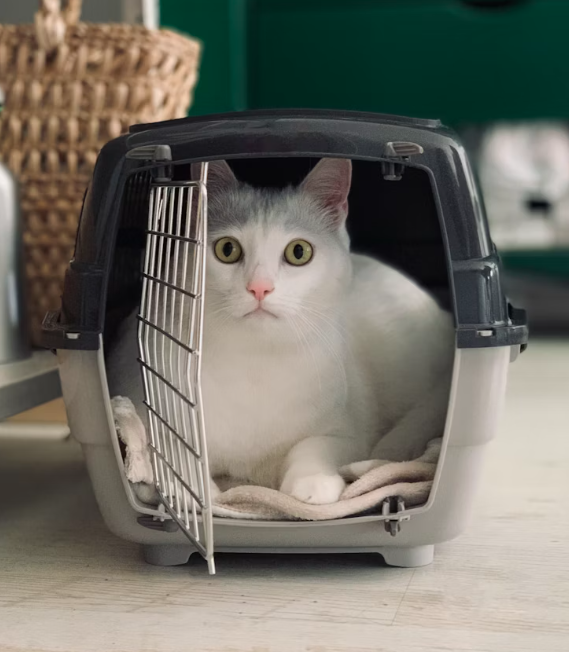
 Operating without the right registration or license can expose you to regulatory issues and may undermine trust from clients. According to the AWA, “any person with a commercial business that moves animals from one location to another must obtain a Class T registration from the USDA.”
 In 2021, Dr.
  In 2022,
  Petworks
 petworks tm