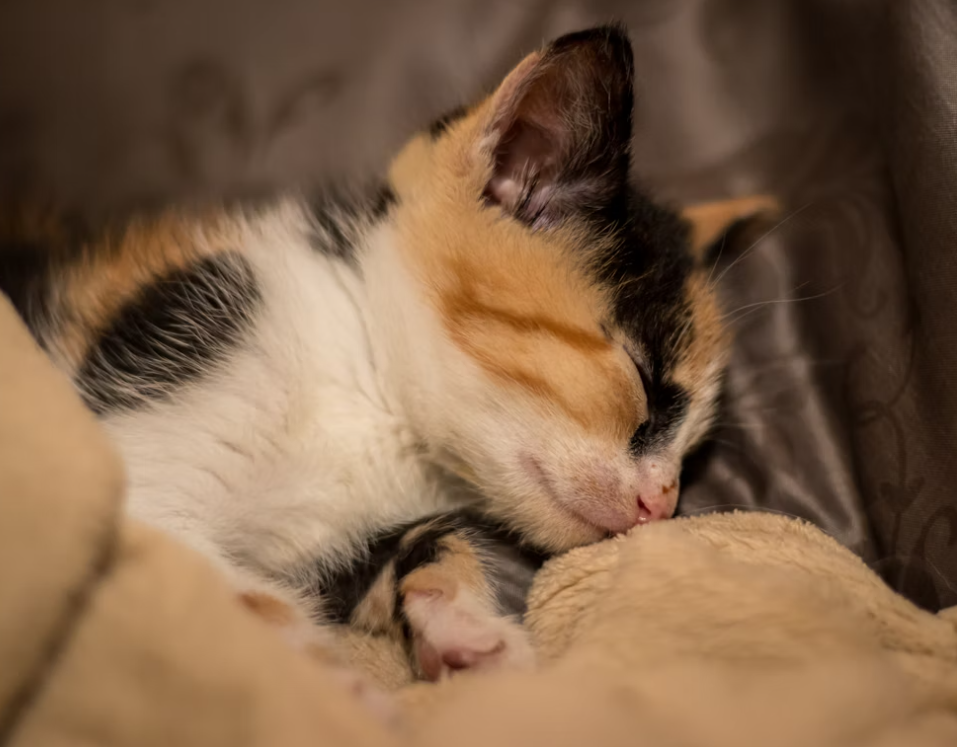
Your kitten is active all night. Is that normal? Understanding feline nighttime behavior. If you’ve ever been woken up by your kitten leaping across your bed or zooming down the hallway at midnight, you’re not alone. One of the most common questions new cat parents ask is: “Is it normal for my kitten to be active all night?”
The answer is yes, it’s completely normal. Kittens are naturally crepuscular, meaning they’re most active during dawn and dusk. This behavior is hardwired into their instincts. In the wild, these are the prime hunting hours for cats, when prey like small rodents are active. Even though your kitten may be a pampered house cat, those instincts are still alive and well.
Your kitten’s nighttime energy is often a mix of natural instincts, pent-up playfulness, and developmental energy. Just like toddlers, kittens have growing bodies, curious minds, and bursts of zoomies they need to express.
How Much Sleep Do Kittens Need?
A healthy kitten sleeps 16 to 20 hours a day, but their sleep pattern looks very different from ours. Instead of one long nighttime rest, kittens nap in short cycles throughout the day and night.
When they’re awake, they’re very awake — running, pouncing, climbing, and exploring. This alternating pattern of rest and activity is normal during the first 6–12 months of life. Over time, your kitten will naturally start syncing up more with your household’s routine.
However, it’s also possible to gently train your kitten to sleep more during the night with consistent habits and positive routines.

Are you finding this article useful? Would you like 100% free access to more articles like these, and free access to over 5,000 vetted pet care service professionals throughout the United States? Sign up here for a free Petworks account, and we’ll email you a 10% discount code, good towards your first pet care services booking on Petworks!
Why Kittens Get “The Zoomies” at 3 A.M.
You’ve probably witnessed it. Your kitten tears through the living room, skids across the floor, and launches off the couch like a furry missile. This phenomenon, affectionately known as the midnight zoomies, happens because kittens store up energy throughout the day and need to release it.
Here’s what’s likely causing those nighttime sprints:
-
Pent-up Energy: If your kitten spends most of the day napping without enough playtime, they’ll have plenty of energy to burn at night.
-
Instinctive Hunting Behavior: Nighttime is prime “hunting time” in feline biology, so kittens naturally want to stalk and pounce after dark.
-
Lack of Stimulation: Indoor kittens especially need more opportunities for physical and mental exercise.
-
Attention Seeking: Some kittens meow or jump on their owners at night simply because they’re bored or want companionship.
How to Encourage Your Kitten to Sleep at Night
While you can’t completely change a kitten’s natural instincts, you can help them adapt to your schedule. It just takes patience and consistent daily habits.
1. Tire Them Out Before Bed
Give your kitten a solid 15–30 minutes of active play before bedtime. Use interactive toys that mimic prey…like feather wands, laser pointers, or small plush mice. Finish with a calm game or gentle petting to help your kitten wind down.
 Cat Expert Tip:
“Cats are evolutionarily nocturnal. When they’re in your home, you ask them to live according to your daytime schedules. However, this can go against what feels natural to them.” – veterinarian Dr. Sarah Nold.
2. Feed a Small Meal at Night
Cats often sleep after eating. Giving your kitten a small, protein-rich meal right before you go to bed can encourage a longer, deeper sleep. Try offering a bit of wet food after their evening play session. It reinforces the natural pattern of hunt → eat → sleep.
3. Create a Cozy, Calm Sleeping Environment
Make sure your kitten has a safe, comfortable spot to rest at night. This could be a soft cat bed in a quiet corner or even a blanket-lined crate if they’re still adjusting to a new home. Avoid sudden noises or bright lights in their sleeping area.
If your kitten feels secure, they’re more likely to sleep for longer stretches.
4. Establish a Consistent Routine
Cats thrive on routine. Try to feed, play, and rest at the same times every day. Over time, your kitten will start predicting bedtime and adjusting their energy cycle around it.
If your schedule changes often, keep at least the feeding and play routines consistent — those are the strongest signals for your kitten’s internal clock.
5. Ignore Attention-Seeking Behavior (Gently)
If your kitten meows or jumps on you at 3 A.M., it’s tempting to respond, but that can reinforce the behavior. Cats learn quickly that noise equals attention.
Instead, make sure all their needs (food, water, litter box, play) are met before bed. Then, quietly ignore nighttime antics until they calm down. Avoid punishment. It creates fear and can make your kitten more anxious or vocal.
6. Offer Nighttime Enrichment
If your kitten simply has too much energy to sleep straight through the night, give them safe ways to entertain themselves while you rest.
Try:
-
Puzzle feeders with small portions of dry food.
-
Cat trees near a window so they can watch outside.
-
Quiet toys they can bat around without waking you up.
Cat Expert Quote:
“Cats are evolutionarily nocturnal. When they’re in your home, you ask them to live according to your daytime schedules. However, this can go against what feels natural to them.” – Dr. Lisa Radosta, DVM, DACVB, Veterinary Behaviorist
When Will My Kitten’s Sleep Pattern Settle Down?
Most kittens begin to settle into a more predictable sleep schedule around 6 to 12 months of age. As they grow, they’ll take fewer naps and sleep longer stretches at night — especially if their environment encourages it.
Adult cats still have crepuscular tendencies, but they usually adapt well to their owners’ routines, often sleeping alongside them for much of the night.
If your kitten’s nighttime activity continues beyond a year, or they seem restless, vocal, or disruptive, it might be worth discussing with your vet. Occasionally, nighttime wakefulness can be linked to health or anxiety issues.
Is My Kitten’s Nighttime Activity Ever a Sign of a Problem?
While most nighttime playfulness is perfectly healthy, there are times when it might signal something else. You should consult your veterinarian and a cat behaviorist if:
-
Your kitten suddenly becomes hyperactive after a change in diet or environment.
-
They’re meowing loudly or seem disoriented at night.
-
They have trouble settling down even after ample play and feeding.
-
You notice other symptoms like weight loss, loss of appetite, or excessive grooming.
These could point to an underlying health or behavioral issue that needs professional attention.
Practical Nighttime Tips for New Cat Parents
-
Use blackout curtains to reduce distractions from outside lights or moving shadows.
-
Avoid late-night meals unless part of a structured routine.
-
Try a white noise machine to mask sounds that might wake or excite your kitten.
-
Keep toys and scratching posts available so they can safely expend energy without damaging furniture.
-
Be patient. Kitten sleep cycles take time to stabilize — just like human babies.
Bottom Line: Yes, It’s Normal!
Your kitten’s nighttime activity isn’t misbehavior — it’s instinct. With consistent playtime, a stable routine, and plenty of enrichment, your kitten will gradually learn that nighttime is for rest.
Until then, embrace their boundless curiosity and energy — these early months are when your bond with your kitten begins to grow the most.
FAQ Highlights
Do kittens sleep through the night?
Not at first! Kittens sleep in short bursts and may stay awake several times through the night. As they age, they sleep longer stretches.
What’s the best bedtime routine for kittens?
Play → Feed → Calm cuddles → Lights out. This mimics natural feline behavior and encourages restful sleep.
Can I train my kitten to sleep at night?
Yes! Through consistency. Maintain set feeding and play times, and gently discourage nighttime play.
Understanding that your kitten’s nighttime energy is normal can help you approach these early months with patience and confidence. By providing consistent play, a calming bedtime routine, and plenty of enrichment during the day, you can gradually guide your kitten toward a healthier sleep schedule that aligns more closely with your own. Remember, these bursts of nighttime activity are a natural part of their development and a sign of a curious, healthy, and playful young cat. With time, love, and gentle guidance, both you and your kitten can enjoy peaceful nights and a stronger bond that will last for years to come.
About Petworks
 In 2021, Dr. Marty Goldstein DVM joined the pet care platform Petworks as an advisor in its Animal Nutrition care division. Dr Marty Nature’s Blend is on a mission to help your pets live their healthiest lives possible. Dr. Marty’s pet nutrition expertise and guidance has helped Petworks evolve and become the preeminent animal and pet nutrition consultation service for pet parents in North America.
 In 2022, Blue Buffalo Founder Bill Bishop Jr. joined Petworks as Senior Advisor in our Animal Nutrition Care Division. Bill brings his extensive expertise in pet food innovation and business leadership. His guidance helps Petworks enhance our pet nutrition service offerings, helping to ensure that pet parents throughout the world receive trusted, science-backed nutritional support for their dogs, cats, and animals.
About The Author
 Petworks Co-Founder Kevin Kinyon is a life-long animal lover who works tirelessly to improve the lives of pets and their parents. Human and animal qualities he values most are integrity, humor, and empathy.

 petworks tm