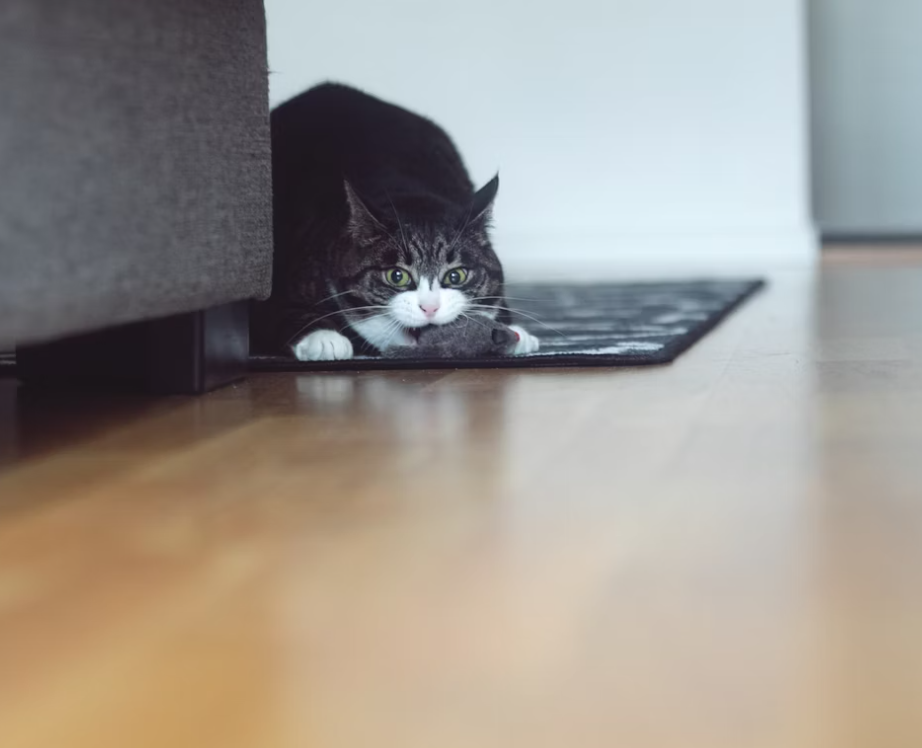
If you’re a cat owner, you may have experienced this strange, and sometimes shocking behavior: your beloved feline drops a dead mouse, insect, or other “gift” at your feet. While it might seem gross or even alarming, this is actually a natural part of your cat’s behavior. Understanding why cats bring “gifts” can help you appreciate their instincts and deepen your bond with your furry companion. In this article, we’ll explore why cats bring dead animals or insects to their owners, the connection between this behavior and their natural hunting instincts, and what you can do as a pet owner to manage it.
Understanding Cat Hunting Instincts
Cats are natural hunters, even domesticated ones. While your indoor cat may not need to hunt for food, the instincts remain. In the wild, cats spend a lot of time practicing their hunting skills, often stalking, pouncing, and capturing prey like mice, birds, or insects.
This instinct is a leftover from their evolutionary history as predators. The “cat and mouse” dynamic is at the core of feline behavior. Even if your cat doesn’t need to hunt for survival, the act of hunting fulfills a natural urge to stalk and capture small moving creatures.
Many cat owners are surprised when their indoor cat suddenly pounces on a toy or a bug with the same intensity as a wild cat hunting a mouse. These behaviors demonstrate how strong the hunting instinct is, even in domestic cats.
 “Cats have a natural instinct to hunt, and even domesticated cats continue to enjoy hunting and chasing. When cats bring home dead animals, it’s often an act of showing off their catch or attempting to provide for their family as part of their pack behavior.” – Amy Shojai, certified animal behavior consultant.
“Well, in one week, she brought me four deceased baby bunnies, and after that, I brought her in way before dusk so the bunnies weren’t out yet.” – Jackson Galaxy, well-known cat behaviorist.
Why Cats Bring “Gifts” to Their Owners
When your cat leaves a dead mouse or bug for you, it might feel like an unpleasant surprise. But this behavior is actually rooted in feline instincts and social behaviors:
1. Sharing Their “Catch”
In the wild, mother cats teach their kittens how to hunt by bringing dead or injured prey to them. This is a way to show their offspring how to eat and survive. When your cat brings you a “gift,” it’s possible they see you as part of their family and are trying to share the catch with you.
2. Seeking Approval or Praise
Cats are smart observers of human behavior. Some experts believe that bringing a “gift” is a way for your cat to get your attention or approval. While it may not always be your favorite surprise, your cat might be hoping for a reward, or at least some acknowledgment, for their hunting skills.
3. Instinctual Play
The “cat and mouse” game isn’t just literal; it’s also instinctual play. Cats often catch insects or small animals as a form of practice. Bringing the prey to you could be an extension of this play behavior, blending hunting instinct with social interaction.
Indoor Cats and “Gifts”
Even indoor cats sometimes bring gifts, though these are usually insects or small toys rather than mice or birds. The reason is simple: the hunting instinct doesn’t go away just because food is provided.
Providing toys that mimic prey, such as wand toys or small balls, allows your cat to channel their natural hunting behavior in a safe and controlled way. This helps satisfy their instinctual needs and reduces the likelihood of bringing real “gifts” into your home.

Are you finding this article useful? Would you like 100% free access to more articles like these, and free access to over 5,000 vetted pet care service professionals throughout the United States? Sign up here for a free Petworks account, and we’ll email you a 10% discount code, good towards your first pet care services booking on Petworks!
Is It Normal for Cats to Bring Dead Prey?
Yes. While it may be unpleasant for humans, this is entirely normal feline behavior. Cats are opportunistic hunters, meaning they will catch anything small that moves. Bringing the prey to you is a sign of trust and recognition—they see you as part of their social group.
Some cats bring dead prey because they are unsure what to do with it. In the wild, a mother cat might need to teach her kittens how to eat. Domestic cats may have a similar instinctual urge to “teach” you, even if you already know how to eat!
How to Handle “Gifts”
If your cat brings you a dead mouse or insect, you may be wondering how to respond. Here are some tips:
1. Stay Calm
Cats are very sensitive to human reactions. Screaming or punishing your cat may confuse them. Instead, calmly pick up the prey using gloves or a paper towel and dispose of it.
2. Provide Alternatives
Offer your cat toys that simulate hunting behavior. Wand toys, laser pointers, or small soft toys can satisfy their hunting instincts without involving real animals.
3. Reward Indoor Hunting
If your cat catches a toy, reward them with a treat or affection. This reinforces safe hunting behavior and encourages them to focus on toys rather than real prey.
4. Keep the Environment Safe
For outdoor cats, consider supervised playtime or a catio (an enclosed outdoor space) to reduce the chances of bringing in dead animals. This keeps your cat safe from predators and protects local wildlife.
The Emotional Side of “Gift Giving”
It may surprise some cat owners, but this behavior often carries a positive social message. Your cat sees you as part of their family and wants to share their success. In other words, a dead mouse is, in feline terms, a sign of affection.
Some cat behaviorists describe this as a combination of instinct, play, and social bonding. When you receive such a “gift,” it’s a reminder of the deep connection between humans and cats—a bond built on trust, care, and shared experiences.
When to Be Concerned
While gift-giving is usually normal, there are a few cases where it could signal a problem:
-
Excessive hunting or aggression: If your cat becomes overly aggressive with toys, humans, or other pets, consult a veterinarian or animal behaviorist.
-
Health issues: Sudden increases in hunting behavior or unusual activity could be a sign of health problems. Always monitor your cat’s overall behavior and wellbeing.
-
Exposure to dangerous prey: Some animals can carry diseases or parasites. Always handle caught prey carefully to avoid potential infections.
Key Takeaways
Understanding why cats bring “gifts” like dead mice or insects helps you see this behavior in a new light. Here’s what to remember:
-
It’s instinctual – Cats retain strong hunting instincts, even domesticated ones.
-
It’s social – Bringing prey may be a way of sharing, teaching, or bonding.
-
It can be managed – Toys and indoor hunting alternatives can reduce unwanted gifts.
-
It’s normal – While surprising or unpleasant to humans, it’s a natural part of feline behavior.
By recognizing the underlying instincts and social cues behind this cat behavior, you can respond appropriately and strengthen your bond with your cat. After all, in the world of cats, a dead mouse is a token of affection—a sign that you are part of their “family.”
Frequently Asked Questions
Q: Why does my indoor cat bring me insects instead of mice?
A: Indoor cats still have hunting instincts. Insects are easy prey and provide practice for their natural “cat and mouse” instincts.
Q: Should I punish my cat for bringing dead animals?
A: No. This behavior is instinctual. Punishing your cat can confuse them and damage your bond. Instead, calmly remove the prey and provide toys or alternatives.
Q: How can I prevent my cat from hunting outside?
A: Provide interactive toys, engage in play sessions, or consider a secure outdoor enclosure (catio). These give your cat hunting outlets without harming wildlife.
While receiving a dead mouse as a “gift” can be startling, it’s important to remember that this behavior is a testament to your cat’s instincts and affection. By understanding the reasons behind this action, you can better appreciate your feline friend’s unique ways of expressing care and connection.
About Petworks
 In 2021, Dr. Marty Goldstein DVM joined the pet care platform Petworks as an advisor in its Animal Nutrition care division. Dr Marty Nature’s Blend is on a mission to help your pets live their healthiest lives possible. Dr. Marty’s pet nutrition expertise and guidance has helped Petworks evolve and become the preeminent animal and pet nutrition consultation service for pet parents in North America.
 In 2022, Blue Buffalo Founder Bill Bishop Jr. joined Petworks as Senior Advisor in our Animal Nutrition Care Division. Bill brings his extensive expertise in pet food innovation and business leadership. His guidance helps Petworks enhance our pet nutrition service offerings, helping to ensure that pet parents throughout the world receive trusted, science-backed nutritional support for their dogs, cats, and animals.
About The Author
 Petworks Co-Founder Kevin Kinyon is a life-long animal lover who works tirelessly to improve the lives of pets and their parents. Human and animal qualities he values most are integrity, humor, and empathy.

 petworks tm