
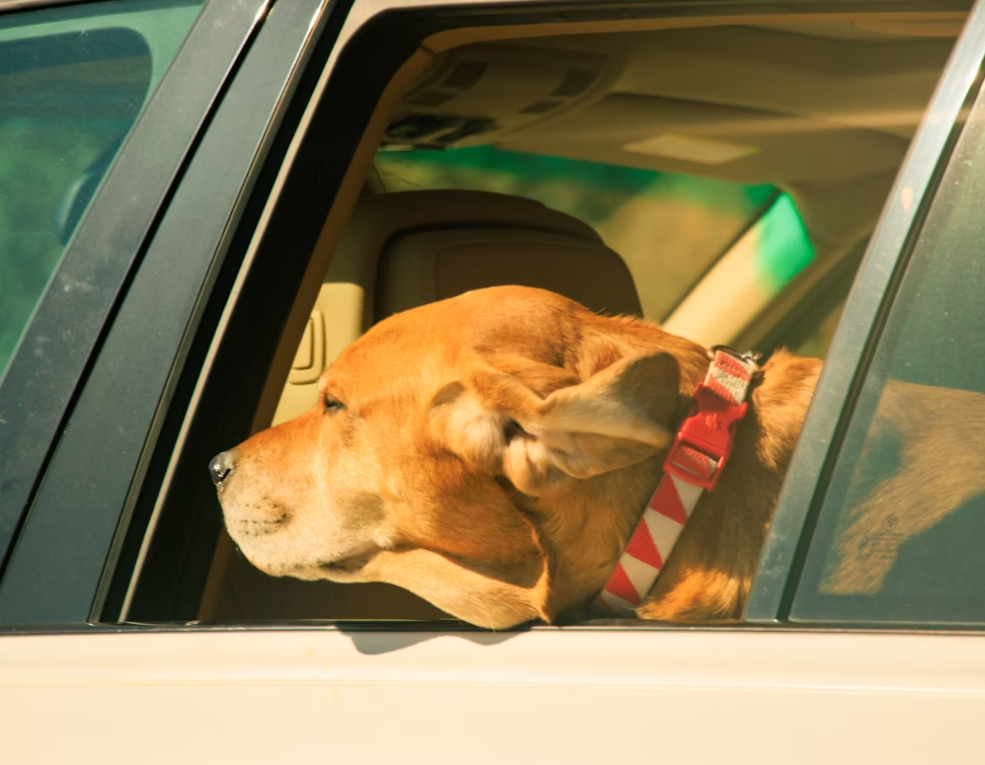
Humans aren’t the only ones who can get queasy on the road. Dogs can suffer from motion sickness, too. Dog motion sickness is common and can be distressing for both pups and their parents. The good news? There are simple, effective ways to manage and prevent it. Here’s what you need to know about dog car sickness. From symptoms and causes to treatments and prevention tips.
What Is Dog Motion Sickness?
Dog motion sickness happens when your dog feels nauseated during travel — usually in a moving car, but it can also occur on planes, boats, or trains.
The root cause lies in the inner ear’s vestibular system, which controls balance. When your dog’s body is still inside the car but the scenery is moving rapidly, their brain receives conflicting signals. This confusion can trigger nausea, dizziness, and even vomiting.
Puppies are especially prone to motion sickness because their balance system isn’t fully developed yet. Most outgrow it, but some adult dogs continue to experience it — especially breeds like Boxers, Border Collies, and Dachshunds.
Common Causes of Car Sickness in Dogs
Dog motion sickness can have physical or psychological causes:
-
Physical causes: Problems with the inner ear, such as infections or vestibular disease, can make dogs more sensitive to motion.
-
Psychological causes: Anxiety, fear, or negative past experiences can cause nausea, even without inner ear issues.
-
Lack of exposure: Dogs who weren’t accustomed to car rides as puppies may feel anxious or disoriented in vehicles, leading to motion sickness.
Symptoms of Motion Sickness in Dogs
Signs that your dog may be experiencing motion sickness include:
-
Nausea and vomiting
-
Drooling or lip licking
-
Whining, whimpering, or restlessness
-
Excessive panting or yawning
-
Inactivity or lethargy
-
Loss of appetite
-
Diarrhea (in severe cases)
The key difference between regular nausea and motion sickness is timing — motion sickness only occurs during travel and usually resolves once the vehicle stops.

Are you finding this article useful? Would you like 100% free access to more articles like these, and free access to over 5,000 vetted pet care service professionals throughout the United States? Sign up here for a free Petworks account, and we’ll email you a 10% discount code, good towards your first pet care services booking on Petworks!
When to See a Veterinarian
Mild motion sickness is common and often manageable at home, but you should contact your vet if:
-
Your dog’s symptoms are frequent or severe
-
They seem unusually tired or dehydrated after vomiting
-
The problem worsens despite behavioral training or medication
 “Dogs with severe motion sickness can easily become dehydrated due to vomiting and (in some cases) diarrhea. Dog dehydration can escalate quickly and impact organ function. So it should always be treated promptly by a veterinarian.” – Dr. JoAnna Pendergrass, DVM.
Your vet will perform a full exam, focusing on your dog’s ears, and may recommend bloodwork or fluids if dehydration is suspected.
Medications for Dog Motion Sickness
If your dog’s motion sickness is moderate or severe, your vet may suggest medication such as:
-
Cerenia (maropitant): Prescription anti-nausea medication that helps prevent vomiting.
-
Dramamine: Over-the-counter nausea relief (can cause drowsiness; only use under vet guidance).
-
Benadryl: Can reduce drooling and nausea, but dosage must be approved by your vet.
-
Anti-anxiety medications (e.g., Xanax): For dogs whose sickness is triggered by stress or fear.
-
Sedatives (e.g., Diazepam): Sometimes prescribed for anxious dogs who struggle to relax during travel.
⚠️ Always consult your veterinarian before giving your dog any medication.
At-Home and Natural Remedies
For mild cases, simple at-home steps can make a big difference. Always confirm with your vet before starting any treatment.
-
Offer a bland diet after an episode of motion sickness to help settle your dog’s stomach.
-
Use natural calming aids (like Anxitane or Composure chews) if anxiety is a trigger.
-
Try counterconditioning — gradually expose your dog to the car in positive, low-stress ways. Start with short sessions in a parked car, then short drives, slowly increasing over time. Consult with an expert animal behaviorist to help you create an easement plan your beloved pup.
With consistency and patience, many dogs learn to associate car rides with comfort rather than nausea.
How to Prevent Dog Motion Sickness
Prevention is all about managing your dog’s comfort, environment, and emotional state. Try these proven tips:
-
Bring a familiar blanket or toy to comfort your dog.
-
Keep the car cool and well-ventilated.
-
Play calming music (classical tunes work well).
-
Avoid feeding your dog for 6–8 hours before travel.
-
Provide fresh water during long trips.
-
Use a secure carrier or car harness to keep your dog stable and limit visual motion.
-
If approved by your vet, give preventive medication like Cerenia before a trip.
Expert Insights: What Veterinarians Say
“Many adult dogs become anxious or even nauseous during travel due to a lack of conditioning … Dogs that travel only once or twice a year … often associate the car ride with the stressful experience that follows.” – Dr. Courtney Barnes, DVM, VCA Animal Hospitals.
“Some dogs benefit from sedatives, such as diazepam, to reduce anxiety related to traveling that may contribute to motion sickness.” – Dr. Brittany Kleszynski, DVM.
These perspectives highlight the dual nature of motion sickness — both physical and psychological — and reinforce that managing anxiety can be as important as managing nausea.
FAQ: Dog Motion Sickness
Q: Do dogs always outgrow motion sickness as they age?
A: Not always. Many puppies improve as their balance system matures, but some adult dogs continue to experience motion sickness. Anxiety and conditioning significantly influence whether symptoms persist.
Q: How quickly do symptoms resolve once the movement stops?
A: In most cases, nausea and drooling abate fairly soon after the vehicle stops. However, severe cases may require extra time for recovery.
Q: Can I use human motion sickness drugs (like Dramamine) for my dog?
A: Some human medications can be used under strict veterinary guidance, but they often have side effects. Never administer human drugs without your vet’s approval and correct dosing.
Q: What’s the difference between motion sickness and travel anxiety in dogs?
A: Motion sickness is primarily physical (inner-ear/vestibular confusion), while travel anxiety is psychological (fear, stress). But they frequently overlap in dogs, making diagnosis and treatment more complex.
Q: Are there natural remedies that work?
A: Some owners try pheromone sprays, calming supplements, or mild herbal supports. These may help with anxiety but are usually adjuncts rather than standalone therapies. Always consult your vet before use.
Q: Is it safe to travel with a dog who is prone to motion sickness?
A: Yes — in many cases, with preventive measures (medication, acclimation, comfort strategies), dogs can travel safely and more comfortably.
With the right preparation and a calm environment, most dogs can learn to travel comfortably — and maybe even enjoy the ride!
The Bottom Line
Dog motion sickness is unpleasant but manageable. By recognizing the signs, consulting your vet, and using a mix of behavioral training, environment adjustments, and possibly medication, you can make car rides much smoother for both you and your pup.
With a little patience, planning, and compassion, your dog can go from car-sick to car-happy in no time.
About Petworks
 In 2021, Dr. Marty Goldstein DVM joined the pet care platform Petworks as an advisor in its Animal Nutrition care division. Dr Marty Nature’s Blend is on a mission to help your pets live their healthiest lives possible. Dr. Marty’s pet nutrition expertise and guidance has helped Petworks evolve and become the preeminent animal and pet nutrition consultation service for pet parents in North America.
 In 2022, Blue Buffalo Founder Bill Bishop Jr. joined Petworks as Senior Advisor in our Animal Nutrition Care Division. Bill brings his extensive expertise in pet food innovation and business leadership. His guidance helps Petworks enhance our pet nutrition service offerings, helping to ensure that pet parents throughout the world receive trusted, science-backed nutritional support for their dogs, cats, and animals.
About The Author
 Petworks Co-Founder Kevin Kinyon is a life-long animal lover who works tirelessly to improve the lives of pets and their parents. Human and animal qualities he values most are integrity, humor, and empathy.

 petworks tm









Thank you for this very informative and practical article! It’s great to see such a clear breakdown of the signals and solutions for our furry friends. I have a question regarding the medications you mentioned, specifically Cerenia (maropitant). I was recently reading a comparative analysis on human motion sickness medications, and it got me thinking about the mechanisms and efficacy for dogs. Many thanks!
you’re welcome, Tiffany. Thank you for sharing your comments.