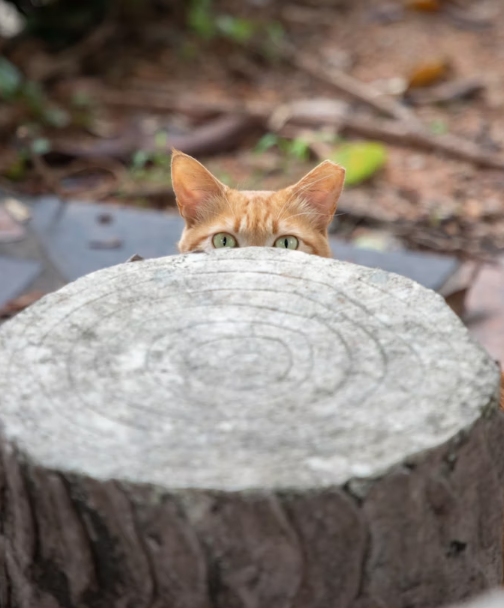
Cats are often seen as independent, mysterious, and sometimes aloof pets. While many cats are naturally outgoing and affectionate, some cats are born or become shy, timid, or socially anxious. If you’re a cat owner struggling with a shy feline, you might wonder: Can a shy cat ever become confident and social? The good news is yes — with patience, understanding, and the right strategies, most shy cats can gain confidence and form strong bonds with their humans and even other pets.
Understanding Shyness in Cats
Before trying to change your cat’s behavior, it’s essential to understand why your cat may be shy. Shyness in cats can be influenced by several factors:
-
Genetics – Some breeds, such as Russian Blues and Scottish Folds, are naturally more reserved. Individual personality also plays a role; just like humans, some cats are naturally cautious.
-
Early Socialization – Kittens that are not properly socialized between 2–7 weeks of age may become more wary of humans and new environments later in life.
-
Past Experiences – Cats who have experienced trauma, neglect, or abandonment may develop fear-based behaviors.
-
Environmental Stressors – Loud noises, unfamiliar people or pets, and chaotic living environments can exacerbate shyness.
 According to Dr. Debbie Martin, DVM, a feline behavior expert, “Shyness in cats is not a flaw—it’s a personality trait. But with consistent care and positive experiences, even the most timid cat can learn to trust and engage with people.”
Signs Your Cat Is Shy or Anxious
Recognizing shyness is the first step toward helping your cat. Common signs include:
-
Hiding frequently under furniture or in secluded areas
-
Avoiding eye contact or running away from people
-
Flattened ears, dilated pupils, or twitching tails when approached
-
Low levels of play or exploration in new spaces
-
Hesitation or refusal to interact with other pets
It’s important to note that shy cats may appear aloof but still crave connection—they just need gentle encouragement.
Steps to Help a Shy Cat Gain Confidence
1. Create a Safe and Predictable Environment
Shy cats thrive in stable, low-stress environments. Provide:
-
Safe hiding spots like boxes, cat trees with enclosed areas, or covered beds
-
Vertical space such as shelves or perches where your cat can observe without feeling threatened
-
Consistent routines for feeding, playtime, and interactions
According to feline behaviorist Pam Johnson-Bennett, “Consistency and predictability reduce stress. A shy cat needs to know their environment is safe to explore.”
2. Move at Your Cat’s Pace
Never force interaction. Allow your cat to approach you on their terms:
-
Sit quietly in the same room while reading or working on a laptop
-
Speak softly and move slowly when near your cat
-
Offer treats or toys as positive reinforcement
Small, positive experiences build trust and help a shy cat associate humans with safety and comfort.

Are you finding this article useful? Would you like 100% free access to more articles like these, and free access to over 5,000 vetted pet care service professionals throughout the United States? Sign up here for a free Petworks account, and we’ll email you a 10% discount code, good towards your first pet care services booking on Petworks!
3. Use Positive Reinforcement
Reward-based methods are highly effective in building confidence:
-
Treats: Give small, tasty treats when your cat approaches you or engages in playful behavior
-
Toys: Encourage play with interactive toys like feather wands or laser pointers
-
Praise: Gentle verbal affirmation can help your cat feel safe and appreciated
Avoid punishment or scolding, which can worsen fear and stress.
4. Engage in Gentle Socialization
Slow, intentional socialization can help a shy cat gradually become more confident:
-
Introduce new people slowly, one at a time
-
Allow your cat to sniff and investigate strangers without forcing contact
-
Use interactive play sessions to strengthen the bond
“Your Wallflower can be empowered to own territory and to feel secure and confident in their world. It’s not a life sentence!” – Jackson Galaxy, Cat Behaviorist and Host of My Cat from Hell
5. Enrichment and Mental Stimulation
Confidence comes from curiosity. Providing enrichment encourages exploration and reduces anxiety:
-
Puzzle feeders stimulate problem-solving and reward exploration
-
Window perches let your cat watch birds and outdoor activity safely
-
Varied toys help develop confidence through successful play and hunting simulations
Enrichment not only builds confidence but also reduces stress-related behaviors such as excessive hiding or scratching.
6. Consider Feline Companions
In some cases, having a well-adjusted, social cat in the home can encourage a shy cat to engage. However, introductions must be slow and carefully managed:
-
Keep initial interactions short and supervised
-
Offer separate resources like litter boxes, food, and water to prevent competition
-
Allow gradual shared space access while monitoring stress levels
A confident, calm feline companion can model social behavior and help a shy cat feel safer.
7. Seek Professional Guidance if Needed
Some cats may struggle despite your best efforts, especially if they have deep-seated fear or anxiety. Professional help can include:
-
Certified cat behaviorists who provide personalized behavior modification plans
-
Veterinarians who can rule out medical causes for anxiety
-
Calming aids like pheromone diffusers, supplements, or, in extreme cases, prescription anxiety medications
Dr. Debbie Martin notes, “There’s no shame in seeking help. For some shy cats, professional guidance can be the difference between a stressed life and a happy, confident one.”
How Long Does It Take for a Shy Cat to Become Social?
Patience is key. Every cat is different:
-
Some kittens or young cats may open up within weeks
-
Adult cats with a history of trauma or neglect may take months or even years
-
Progress is often gradual, measured in small milestones such as approaching you voluntarily or playing with a toy in your presence
Celebrate small wins. Every approach, sniff, or playful interaction is a step toward confidence.
Success Stories: Shy Cats Becoming Social
Many cat owners have experienced remarkable transformations:
-
A shelter cat who hid for months finally learned to sit on her owner’s lap during evening TV time
-
An adopted adult cat initially terrified of new people eventually greeted guests at the door and participated in play sessions
-
A formerly aggressive stray became affectionate and confident after a slow, treat-based socialization plan
These stories show that patience, consistency, and love can change a cat’s world.
Key Takeaways
-
Shyness is a personality trait, not a permanent limitation. With the right care, most shy cats can gain confidence.
-
Create a safe, predictable environment. Stability reduces stress and encourages exploration.
-
Move at the cat’s pace. Allow voluntary interaction and never force contact.
-
Use positive reinforcement and enrichment. Treats, toys, and engaging activities build trust and confidence.
-
Socialization is gradual. Slowly introduce new people, pets, and experiences.
-
Professional help is always an option. Behaviorists and veterinarians can offer guidance when needed.
-
Celebrate small wins. Every sign of curiosity or trust is progress.
FAQs: Can a Shy Cat Become Confident and Social?
Q1: Why is my cat shy or scared around people?
A: Shyness in cats can result from genetics, lack of early socialization, past trauma, or environmental stressors. Even shy cats can become confident with patience and positive experiences.
Q2: How can I tell if my cat is shy or stressed?
A: Shy cats often hide, avoid eye contact, flatten their ears, or show dilated pupils. Stress may also cause decreased appetite, excessive grooming, or avoidance behaviors.
Q3: Can a shy adult cat become social?
A: Yes. While kittens may adapt faster, adult cats can also gain confidence through consistent routines, gentle socialization, and enrichment activities. Progress may be gradual.
Q4: How long does it take for a shy cat to become confident?
A: Every cat is different. Some may show progress in weeks, while others take months or even years. Celebrate small milestones like voluntary approaches or play.
More about shy cats becoming confident and social…
Q5: How do I help a shy cat trust me?
A: Move at your cat’s pace, avoid forcing contact, offer treats and toys, speak softly, and maintain a consistent routine. Positive reinforcement builds trust over time.
Q6: Are hiding spots important for shy cats?
A: Absolutely. Safe hiding spots like boxes, covered beds, or cat trees give shy cats a sense of security, allowing them to explore their environment on their terms.
Q7: Can play help a shy or stressed cat?
A: Yes. Interactive toys, puzzle feeders, and gentle play sessions encourage confidence, reduce anxiety, and strengthen the bond between you and your cat.
Q8: Should I get a companion cat to help a shy cat become social?
A: A confident, calm cat can sometimes encourage a shy cat, but introductions must be slow and carefully managed to avoid stress. Separate resources like litter boxes and food are essential.
Q9: Are there products that help calm shy cats?
A: Pheromone diffusers, calming sprays, and certain natural supplements can reduce anxiety. Consult your veterinarian before using supplements or medications.
Q10: When should I seek professional help for a shy cat?
A: If your cat shows extreme fear, aggressive behavior, or stress that doesn’t improve with enrichment and positive reinforcement, consult a veterinarian or certified feline behaviorist.
Cat Shyness
The journey from shyness to confidence in cats is possible, but it requires understanding, patience, and compassion. Shy cats are not broken—they are simply more cautious observers of the world. With time, positive experiences, and gentle encouragement, even the most timid cat can learn to enjoy human companionship, interact with other pets, and live a happy, fulfilling life.
Remember, every shy cat is unique, and the pace of socialization will vary. Celebrate progress, provide a safe environment, and cherish the small victories. Over time, your once-timid feline may surprise you with curiosity, playfulness, and affection you never thought possible.
About Petworks
 In 2021, Dr. Marty Goldstein DVM joined the pet care platform Petworks as an advisor in its Animal Nutrition care division. Dr Marty Nature’s Blend is on a mission to help your pets live their healthiest lives possible. Dr. Marty’s pet nutrition expertise and guidance has helped Petworks evolve and become the preeminent animal and pet nutrition consultation service for pet parents in North America.
 In 2022, Blue Buffalo Founder Bill Bishop Jr. joined Petworks as Senior Advisor in our Animal Nutrition Care Division. Bill brings his extensive expertise in pet food innovation and business leadership. His guidance helps Petworks enhance our pet nutrition service offerings, helping to ensure that pet parents throughout the world receive trusted, science-backed nutritional support for their dogs, cats, and animals.
About The Author
 Petworks Co-Founder Kevin Kinyon is a life-long animal lover who works tirelessly to improve the lives of pets and their parents. Human and animal qualities he values most are integrity, humor, and empathy.

 petworks tm