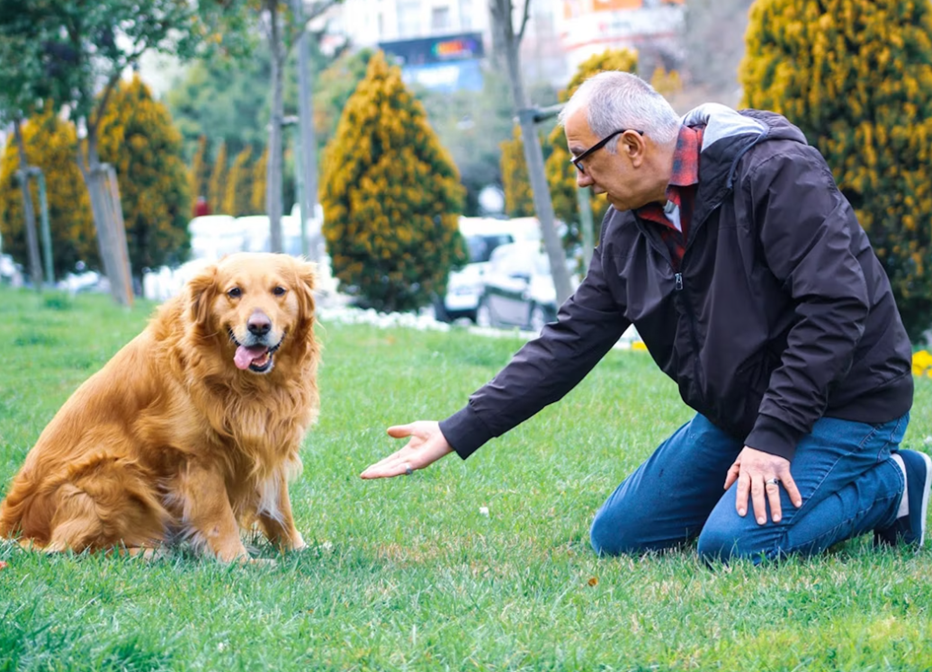
Training your dog is one of the most rewarding responsibilities of pet parenthood. A well-trained dog is not only easier to live with but also happier and safer in everyday life. However, the most effective dog training techniques don’t rely solely on knowledge or tools—they depend heavily on consistency. Without consistency, even the best efforts can unravel, leaving both pet parents and pups feeling frustrated.
In this guide, we’ll explore why consistency matters so much in dog training, highlight common mistakes pet parents make, and share practical tips to help you succeed. Whether you’re working with a brand-new puppy or refining the behavior of an adult dog, consistency will be the foundation of lasting results.
Why Consistency is the Key to Dog Training Success
Dogs thrive on routine, predictability, and clear communication. Unlike humans, they don’t understand language in complex ways, but they do recognize patterns of behavior, tone, and repetition. Consistency helps bridge the gap between what you want and what your dog understands.
When training is inconsistent—such as using multiple commands for the same behavior or rewarding sometimes but not others—dogs can become confused. This confusion slows progress and may even lead to unwanted behaviors.
For example, if you sometimes let your dog jump on guests but scold them at other times, your dog won’t know what to expect. By keeping the rules consistent, your dog quickly learns the boundaries and expectations of their environment.
 “Consistency in your interactions with your dog, the rules you establish and enforce, and the routines you implement are a way to clearly communicate with your dog. You are teaching them what to expect at given times and in given situations. Over time, this builds their confidence and teaches your dog that they are safe with you and can trust you.” – Rachel Lane, M.Sc., CPDT-KA, CBCC-KA
The Science Behind Consistency in Training
Consistency in dog training is backed by behavioral science. Dogs learn through a process called classical conditioning (associating one thing with another) and operant conditioning (learning through consequences). Both rely on repetition and reliability.
- Classical Conditioning Example: Every time you clip on the leash, you go for a walk. Your dog begins to associate the sound of the leash with the excitement of going outside.
- Operant Conditioning Example: Every time your dog sits when asked, they receive a treat. They quickly learn that sitting leads to rewards.
In both cases, inconsistency undermines the learning process. If rewards, corrections, or cues are applied sporadically, your dog cannot form strong behavioral associations.

Are you finding this article useful? Would you like 100% free access to more articles like these, and free access to over 5,000 vetted pet care service professionals throughout the United States? Sign up here for a free Petworks account, and we’ll email you a 10% discount code, good towards your first pet care services booking on Petworks!
Dog Training Techniques That Rely on Consistency
- Positive Reinforcement
Rewarding desired behaviors consistently with treats, praise, or play helps reinforce good habits. If reinforcement is inconsistent, your dog may lose motivation. - Clicker Training
A clicker provides a consistent sound marker, signaling the exact behavior you want to encourage. Using it regularly and at the right time builds strong, clear communication. - Leash Training
Consistently stopping when your dog pulls and rewarding them when they walk politely teaches leash manners over time. - House Training
Taking your puppy outside at the same times each day and rewarding them immediately for going potty in the right spot is a consistency-driven training technique.
“When you stop relying on aversive controls such as threats, intimidation, and punishment, and when you know how to use reinforcement to get not just the same but better results, your perception of the world undergoes a shift. … You lose nothing of yourself. You just see things you didn’t see before.” – Karen Pryor, behavioral biologist, author, and founder of the Karen Pryor Academy
Common Mistakes Pet Parents Make
Even the most loving pet parents sometimes fall into traps that weaken consistency:
- Using multiple commands for the same behavior. Saying “down” one day and “lie down” the next can confuse your dog.
- Inconsistent rewards. Sometimes giving treats for good behavior and other times ignoring it dilutes learning.
- Letting rules slide. Allowing your dog on the couch occasionally but scolding them the next day sends mixed signals.
- Changing training approaches too often. Switching from positive reinforcement to punishment techniques disrupts learning.
The key is to pick a method, set rules, and stick to them.
Practical Tips for Pet Parents
- Set Clear Commands
Decide on the exact words you’ll use for each behavior and ensure all family members use the same ones. - Reward Quickly and Consistently
Timing matters. Reward within seconds of the behavior so your dog makes the connection. - Stay Patient and Persistent
Training takes time, and consistency means repeating lessons daily until they stick. - Involve the Whole Household
Everyone in the family must follow the same rules, or your dog will get mixed signals. - Create a Routine
Dogs thrive on predictability. Feeding, potty breaks, and training sessions should happen on a regular schedule. - Track Progress
Keep a training journal to note successes and setbacks. This helps you identify patterns and maintain consistency.
Real-Life Example: Consistency with Recall Training
Recall, or teaching your dog to come when called, is one of the most vital skills for safety. Without consistency, this command is nearly impossible to master.
Imagine calling your dog at the park. If you only sometimes reward them for coming—or worse, if coming when called occasionally leads to punishment like the end of playtime—your dog may choose to ignore you. But if every recall is followed by a reward, your dog learns that coming to you is always worthwhile.
This is a perfect example of how consistency creates reliability, which in turn creates trust.
How Consistency Builds Trust Between You and Your Dog
Beyond obedience, consistency strengthens your bond with your dog. Dogs feel more secure when they know what to expect from their environment and their human companions. Predictable rules and consistent communication reduce anxiety and encourage your dog to look to you for guidance.
Trust is built when your dog understands that good behavior is always rewarded and undesirable behavior always has the same consequence. This trust makes your training efforts more effective and your relationship more rewarding.
When to Seek Professional Help
Sometimes, despite your best efforts, training challenges persist. This is when consulting a professional dog trainer or animal behaviorist can make all the difference. Trainers are skilled at spotting where inconsistency may be happening and can guide you with structured programs tailored to your dog’s needs.
Online platforms like Petworks make it easy to connect with certified trainers who can offer support, whether you need help with puppy basics or advanced behavioral issues.
Consistency isn’t just a tip for dog training—it’s the backbone of every effective dog training technique. Dogs thrive on clear rules, reliable communication, and predictable outcomes. By committing to consistency in your words, actions, and rewards, you’re setting your dog up for long-term success and building a stronger, more trusting bond.
Whether you’re house-training a puppy, teaching advanced tricks, or addressing behavior problems, remember this: every command, every reward, and every boundary matters. Consistency turns training from a struggle into a lifelong partnership built on trust and understanding.
About Petworks
 In 2021, Dr. Marty Goldstein DVM joined the pet care platform Petworks as an advisor in its Animal Nutrition care division. Dr Marty Nature’s Blend is on a mission to help your pets live their healthiest lives possible. Dr. Marty’s pet nutrition expertise and guidance has helped Petworks evolve and become the preeminent animal and pet nutrition consultation service for pet parents in North America.
 In 2022, Blue Buffalo Founder Bill Bishop Jr. joined Petworks as Senior Advisor in our Animal Nutrition Care Division. Bill brings his extensive expertise in pet food innovation and business leadership. His guidance helps Petworks enhance our pet nutrition service offerings, helping to ensure that pet parents throughout the world receive trusted, science-backed nutritional support for their dogs, cats, and animals.
About The Author
 Petworks Co-Founder Kevin Kinyon is a life-long animal lover who works tirelessly to improve the lives of pets and their parents. Human and animal qualities he values most are integrity, humor, and empathy.

 petworks tm