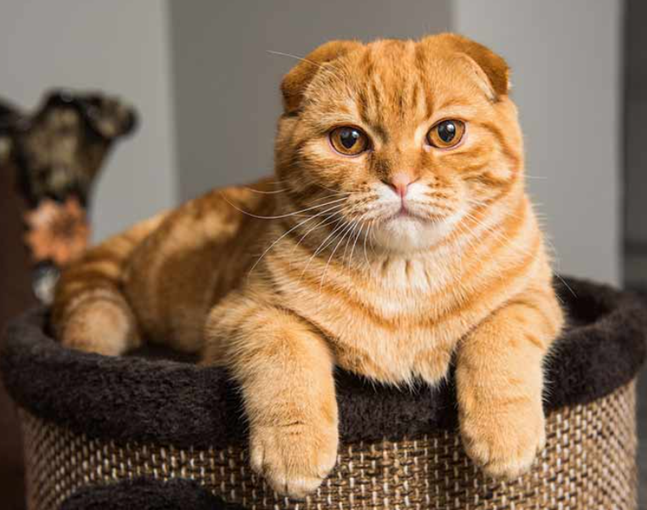
The question of whether Scottish Fold cats should be banned is a complex and ethically charged one, primarily due to health concerns related to their unique genetics. Their signature folded ears, a trait that many find adorable, are the result of a genetic mutation that also causes a painful and incurable degenerative joint disease, known as osteochondrodysplasia, which affects cartilage and bone throughout their bodies. This painful condition is the central argument for those advocating for a ban on the breed.
Why Some Believe Scottish Folds Should Be Banned:
-
Genetic Scottish Fold Health Issues:
All Scottish Fold cats carry a genetic mutation (in the TRPV4 gene) responsible for their signature folded ears. Unfortunately, this same mutation can also cause osteochondrodysplasia, a painful, degenerative joint disease that affects cartilage and bone development. This often leads to arthritis and mobility issues at a young age. -
Animal Welfare Concerns:
Veterinarians and animal welfare advocates argue that breeding a cat for a cosmetic trait (folded ears) that is directly tied to chronic pain and suffering is unethical. The British Veterinary Association, for example, has called for a ban on breeding Scottish Folds. -
Legislative Actions in Some Countries:
Countries such as Scotland (ironically), the Netherlands, and parts of Australia have placed restrictions or outright bans on breeding Scottish Folds for these reasons.
Arguments Against A Scottish Fold Ban:
-
Responsible Breeding:
Some breeders argue that by carefully selecting for heterozygous Folds (one copy of the gene rather than two), and not breeding Fold-to-Fold, they can reduce the severity of health issues. -
Individual Variability:
Not every Scottish Fold cat will develop severe health problems. Some may live relatively pain-free lives, especially with proper veterinary care and monitoring. -
Owner Choice:
Some believe that with transparent education, potential cat owners should be allowed to make informed choices rather than face a ban.
While not universally banned, the ethical concerns are significant, and many experts advocate for restrictions or a full ban on breeding Scottish Folds. If you’re considering one, it’s important to understand the long-term medical implications and commit to providing the necessary veterinary care.
“The mutation that causes the Scottish Fold’s ears to fold also affects cartilage development throughout the body, leading to osteochondrodysplasia. This results in painful arthritis and deformities in the joints, which can severely affect the cat’s quality of life.” – Dr. Justine Lee, DVM, DACVIM (Small Animal Internal Medicine)
Scottish Fold Health Issues
The core health issues faced by Scottish Fold cats are intrinsically linked to the very trait that defines them. All cats with the folded-ear phenotype carry a dominant mutation in the TRPV4 gene. While this mutation is responsible for their distinctive appearance, it also triggers a devastating and incurable condition known as osteochondrodysplasia. This degenerative disease causes abnormal development of cartilage and bone throughout the cat’s body, not just in their ears. It leads to a range of painful and debilitating symptoms, including misshapen toes, thickened and inflexible tails, and, most significantly, severe arthritis and joint fusion. Cats with this condition often experience chronic pain, a “stilted” gait, and a reluctance to move, jump, or play…behaviors that are sometimes mistakenly interpreted as a calm and docile temperament. The severity of the condition varies, but even cats with a single copy of the mutated gene can develop progressive arthritis, while those with two copies are prone to crippling deformities and a much earlier onset of severe symptoms.

Are you finding this article useful? Would you like 100% free access to more articles like these, and free access to over 5,000 vetted pet care service professionals throughout the United States? Sign up here for a free Petworks account, and we’ll email you a personal 10% discount code. Then take 10% off your first booking on us!
Here are some healthier alternative cat breeds that share either the gentle temperament or unique appearance of Scottish Folds, without the associated health risks of the folded ear gene:
🐾 Healthier Cat Breeds Similar in Temperament or Look
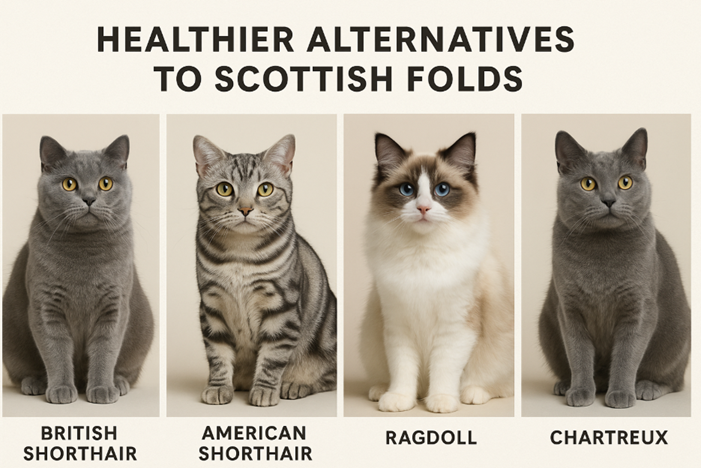
1. British Shorthair
-
Temperament: Calm, affectionate, easygoing, very similar to the Scottish Fold.
-
Appearance: Round face, dense plush coat, and large eyes; similar body type to Scottish Folds (minus the folded ears).
-
Why it’s a good alternative: Robust health, sweet nature, and still has that adorable “teddy bear” look.
2. American Shorthair
-
Temperament: Friendly, adaptable, independent yet affectionate.
-
Appearance: Stocky build, rounded face, wide eyes, another classic, cuddly look.
-
Why it’s a good alternative: Known for its strong health and longevity.
3. Ragdoll
-
Temperament: Gentle, laid-back, very people-oriented (often likened to a dog in behavior).
-
Appearance: Large, soft-coated, with big blue eyes and semi-long hair.
-
Why it’s a good alternative: Great for families and low aggression tendencies.
4. Chartreux
-
Temperament: Quiet, affectionate, intelligent, loyal.
-
Appearance: Blue-gray coat, copper/gold eyes, muscular but compact build.
-
Why it’s a good alternative: Often described as a smiling cat with an easygoing personality.
5. Selkirk Rex
-
Temperament: Calm, patient, tolerant.
-
Appearance: Curly coat, round face, stocky body; resembles the Scottish Fold’s “soft” appearance.
-
Why it’s a good alternative: Shares similar looks but without the cartilage mutation.
✨ Choosing the Right Breed
When choosing a breed, always:
-
Ask about health screenings (especially for orthopedic and cardiac issues).
-
Avoid cosmetic trait breeding that sacrifices health for appearance.
-
Adopt if possible. Many purebred or similar-mix cats are available through rescue groups.
If you do parent a Scottish Fold…a bit about Scottish Fold Nutrition
Scottish Folds have unique dietary needs to support their distinctive cartilage and overall health. A balanced diet rich in high-quality protein is essential to maintain their muscle tone and energy levels. Since they can be prone to joint issues due to their folded ears and cartilage genetics, including supplements or foods rich in omega-3 fatty acids can help support joint health.
Avoid excessive carbs and fillers…opt for grain-free or limited-ingredient formulas if possible. Ensure hydration with fresh water and consider wet food to maintain urinary tract health, as Scottish Folds can be susceptible to kidney and bladder problems.
Regularly monitor their weight, as Scottish Folds tend to be less active and can gain weight easily. Consulting a vet for or a clinical cat nutritionist for tailored nutrition advice is always a good idea.
About Petworks
 In 2021, Dr. Marty Goldstein DVM joined the pet care platform Petworks as an advisor in its Animal Nutrition care division. Dr Marty Nature’s Blend is on a mission to help your pets live their healthiest lives possible. Dr. Marty’s pet nutrition expertise and guidance has helped Petworks evolve and become the preeminent animal and pet nutrition consultation service for pet parents in North America.
 In 2022, Blue Buffalo Founder Bill Bishop Jr. joined Petworks as Senior Advisor in our Animal Nutrition Care Division. Bill brings his extensive expertise in pet food innovation and business leadership. His guidance helps Petworks enhance our pet nutrition service offerings, helping to ensure that pet parents throughout the world receive trusted, science-backed nutritional support for their dogs, cats, and animals.
About The Author
 Petworks Co-Founder Kevin Kinyon is a life-long animal lover who works tirelessly to improve the lives of pets and their parents. Human and animal qualities he values most are integrity, humor, and empathy.

 petworks tm