
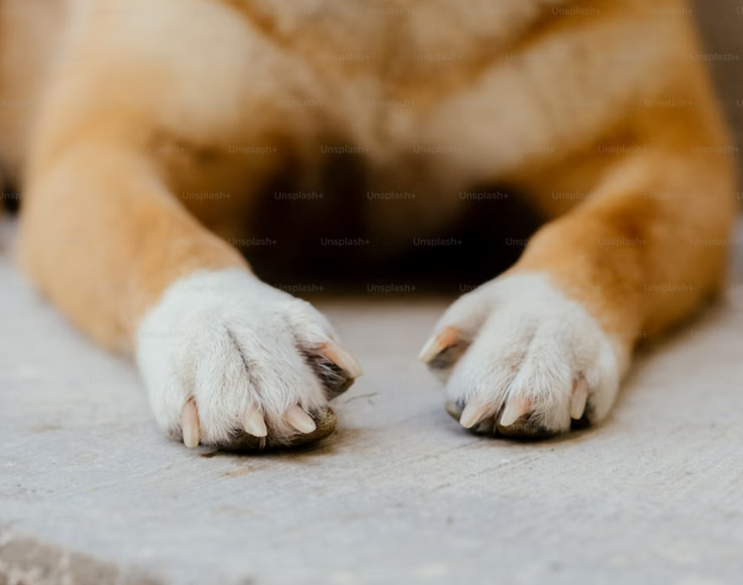
Why Is My Dog Chewing His Paws? If your dog has been obsessively chewing, licking, or biting his paws, you’re not alone. This is one of the most common complaints among dog owners. But what drives this behavior, and when does it become a medical concern? Let’s explore the top causes and solutions with insights from real DVMs and canine behaviorists.
1. Allergies Aren’t Just for Humans
One of the most frequent culprits is allergies, whether seasonal, environmental, or food-related.
-
Seasonal & environmental allergies are often to blame. A veterinary dermatologist tells Country Living, “Allergies can cause severe itching of the feet, with redness and swelling possible… Environmental allergies to things like grass, mold, pollen, dust mites and mildew may be the culprit.”
-
Food allergies, although less common, can significantly irritate the paws. Odie Pet Insurance explains how a 12-week elimination diet may be necessary to isolate the trigger.
 Veterinary guidance is critical here. PetMD’s Dr. Valentina Henao says, “a dog licking and chewing their paws could be doing so for many reasons, ranging from common issues like fleas or allergies to paw injuries,” urging owners to look deeper when the behavior becomes excessive.
2. Injury or Pain
Sometimes paw chewing is a direct response to pain or discomfort:
-
Physical trauma like bee stings, cuts, burns from hot sidewalks, or torn nails can trigger immediate licking and chewing. PetMD notes that aggressive licking may indicate a paw injury requiring veterinary attention.
-
Foreign objects: thorns, burs, or broken nails, can lodge between toes and irritate the paw.
3. Infections: Bacterial & Fungal
Excessive chewing can make small irritations worse by creating moist wounds that attract bacteria or yeast.
-
Yeast (Malassezia) and bacterial overgrowth are often secondary to allergies or injuries. Country Living quotes Dr. Fiona Lee: “Cytology slides… can help diagnose secondary bacterial (Staph) or yeast… infection. Dogs walking through grass and pollens… cause contact allergies” and often need veterinarian oversight to identify and treat infections using antibiotics or antifungals.”

Are you finding this article useful? Would you like 100% free access to more articles like these, and free access to over 5,000 vetted pet care service professionals throughout the United States? Sign up here for a free PetWorks account, and we’ll email you a 10% discount code, good towards your first pet care services booking on PetWorks!
4. Behavioral & Psychological Factors
When physical causes are ruled out, psychological factors may be at play.
-
Stress and anxiety can lead to obsessive chewing. Wag! reports, “Stress and anxiety may lead your dog to develop an obsessive compulsive paw licking and chewing behavior.”
-
Boredom-induced chewing is common. Lack of enrichment can cause dogs to self-soothe through paw licking, leading to wounds or lick granulomas. Airvet explains that frantic chewing is often a sign of distress, not grooming.
-
Separation anxiety may also manifest through self-harm behaviors including paw chewing. Wikipedia notes that destructive chewing, licking, and scratching are classic symptoms of separation-related distress.
Animal behavior experts like Patricia McConnell, Ph.D., emphasize understanding the root of stress rather than applying quick fixes. Positive reinforcement and enrichment, such as puzzle toys, physical exercise, and consistent routines, can reduce compulsive chewing behaviors.
5. Less Common But Important: Orthopedic, Neurological & Skin Conditions
Though rarer, some medical conditions may trigger paw chewing:
-
Orthopedic pain or arthritis may lead a dog to chew paws if pressing on inflamed joints. Country Living notes that dogs with uneven gait or orthopedic issues may chew paw pads or fronds.
-
Neurological issues, autoimmune conditions, cysts, and hormonal imbalances can cause discomfort, leading to nibbling paw behavior. VeterinaryFormula outlines multiple potential medical triggers like parasites, injuries, and systemic diseases.
What to Do If Your Dog Chews Their Paws
✅ Step 1: Thorough home inspection
Check for visible injuries, irritants, swelling, foreign bodies, or redness. Clean the paws gently with mild, dog-safe shampoo.
✅ Step 2: Evaluate environmental factors
Consider recent changes (new cleaners, lawns, or food), and paw cleansing after walks.
✅ Step 3: Visit your veterinarian
A vet may perform:
-
Physical exam and medical history review
-
Cytology, cultures, allergy testing, or imaging when needed
-
Blood work or skin biopsy for chronic or complex cases Wag!
✅ Step 4: Treatment Path
-
Allergy management: antihistamines, immunotherapy, hypoallergenic diets, omega supplements
-
Infection control: topical or oral antibiotics/antifungals
-
Pain relief: pain meds for injuries or joint issues
-
Behavioral modification: enrichment, training, possibly medication (e.g., SSRIs like clomipramine for OCD or anxiety) WikipediaAirvet
✅ Step 5: Prevent recurrence
-
Follow vet recommendations precisely
-
Maintain paw care: trim nails, clean pads, avoid irritants like hot pavement or harsh chemicals
-
Increase mental and physical stimulation
-
Use protective booties or bandages if needed
When to Worry: Red Flags
Seek immediate veterinary attention if your dog shows:
-
Intense chewing resulting in bleeding or blistering
-
Sudden limping or favoring a paw
-
Signs of systemic illness (fever, appetite loss, lethargy)
-
Spreading redness, swelling, foul odor or discharge
-
Compulsive behavior causing self-injury (e.g., lick granulomas)
Why is my dog chewing his paws? The answer lies in a mix of:
| Cause Type | Indicators |
|---|---|
| Health Issues | Allergies, infection, injury |
| Pain & Physical | Trauma, joint pain, foreign bodies |
| Behavioral & Emotional | Anxiety, stress, boredom, OCD |
| Medical Conditions | Parasites, neurological, systemic |
Focus first on ruling out medical causes by visiting your vet. Once health issues are addressed, behavioral solutions, enrichment, routines, dog training, can reduce compulsive chewing by getting to the root cause.
Paw chewing in dogs is common, but not always normal. When occasional, it may just indicate grooming or mild irritation. When it becomes obsessive or destructive, it’s time to dig deeper. A proper diagnosis and combined approach: medical treatment + behavioral adjustment, are key to helping your dog heal and thrive.
About PetWorks
 In 2021, Dr. Marty Goldstein DVM joined the pet care platform PetWorks as an advisor in its Animal Nutrition care division. Dr Marty Nature’s Blend is on a mission to help your pets live their healthiest lives possible. Dr. Marty’s pet nutrition expertise and guidance has helped PetWorks evolve and become the preeminent animal and pet nutrition consultation service for pet parents in North America.
 In 2022, Blue Buffalo Founder Bill Bishop Jr. joined PetWorks as Senior Advisor in our Animal Nutrition Care Division. Bill brings his extensive expertise in pet food innovation and business leadership. His guidance helps PetWorks enhance our pet nutrition service offerings, helping to ensure that pet parents throughout the world receive trusted, science-backed nutritional support for their dogs, cats, and animals.
About The Author
 PetWorks Co-Founder Kevin Kinyon is a life-long animal lover who works tirelessly to improve the lives of pets and their parents. Human and animal qualities he values most are integrity, humor, and empathy.

 petworks tm









Over the past 2 weeks, my dog Kathy has exhibited severe, persistent anxiety that significantly impacted his quality of life. Despite consistent veterinary care and the use of prescribed anti-anxiety medications, his distress remained constant and, in some cases, appeared to intensify. This is a very heart breaking situation for me, humane euthanasia is all i can think of right now.
Please email us directly. We can help you!
Very helpful again, Petworks!