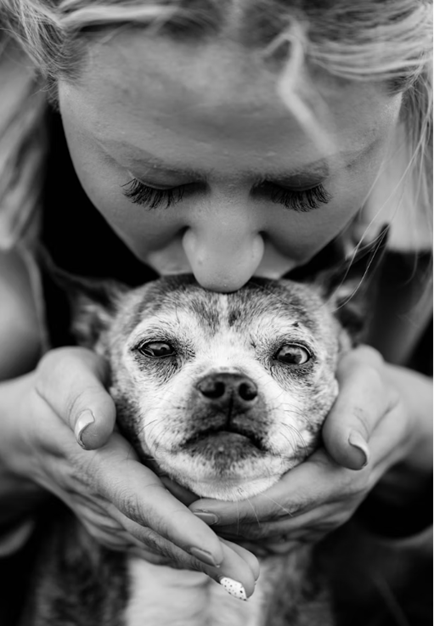
As our beloved canine companions age, just like humans, they can experience a decline in cognitive function. What was once dismissed as “just old age” is now increasingly recognized as Canine Cognitive Dysfunction (CCD), a progressive neurodegenerative disorder akin to Alzheimer’s disease in humans. Understanding CCD and implementing supportive strategies can significantly enhance your aging dog’s quality of life, allowing you both to cherish their golden years.
Recognizing the Early Signs: Is It Just Aging or Something More?
 It’s important for pet parents to be observant and differentiate between normal aging changes and the more concerning signs of CCD. While some slowing down is natural, persistent and worsening behavioral changes warrant a veterinary consultation. Veterinarians often use the acronym “DISHA” to help owners identify potential signs:
- D – Disorientation: Your dog may seem lost in familiar environments, stare blankly at walls, or struggle to navigate around furniture. They might forget where their food bowl is or have trouble finding the door to go outside.
- I – Interactions altered: Changes in social interactions are common. An affectionate dog might become withdrawn or irritable, while a previously independent dog might become clingy. They might not greet family members as enthusiastically or seem confused by familiar faces.
- S – Sleep-wake cycle changes: Dogs with CCD often reverse their sleep cycles, sleeping more during the day and becoming restless, pacing, or vocalizing at night. This nocturnal activity can be particularly disruptive for both dog and owner.
- H – House-soiling: Previously house-trained dogs may start having accidents indoors, even immediately after being outside. This isn’t usually due to defiance but rather a loss of learned habits or an inability to remember where to go.
- A – Activity level changes: This can manifest as either a decrease in activity (less interest in walks, play, or toys) or an increase in aimless activity like pacing, circling, or repetitive behaviors. They might seem less motivated to engage.
General Cognitive Decline
Other signs can include decreased responsiveness to commands, reduced appetite or changes in eating habits, increased anxiety, or a general decline in overall awareness of their surroundings. If you notice any of these signs, even subtle ones, it’s important to consult your veterinarian and consider seeking help from a professional animal behaviorist. Early diagnosis allows for earlier intervention, which can help slow the progression of the disease and improve your dog’s comfort.
Emerging Research: Unraveling Canine Dementia
Research into CCD is rapidly advancing, mirroring the efforts to understand Alzheimer’s in humans. Scientists are exploring various aspects, from the genetic predispositions to the accumulation of amyloid-beta plaques in the brain, similar to those found in Alzheimer’s patients. Neuroimaging techniques are being used to identify structural changes in the brains of affected dogs, and studies are investigating biomarkers that could lead to earlier and more accurate diagnosis.
This emerging research is vital because it not only deepens our understanding of CCD but also opens doors for new therapeutic interventions. Many of the strategies recommended today are backed by scientific studies demonstrating their positive impact on cognitive function and quality of life in aging dogs.
Strategies for Supporting Your Aging Dog’s Mind
While there’s no cure for CCD, a multi-faceted approach focusing on environmental enrichment, targeted nutrition, and appropriate supplementation can significantly support your dog’s cognitive health and well-being.
1. Environmental Enrichment: Keeping Their World Engaging
A stimulating environment is crucial for maintaining cognitive function.
- Consistent Routine: Dogs thrive on routine. Maintain a predictable schedule for feeding, walks, and bedtime. This familiarity can reduce anxiety and disorientation.
- Familiar Surroundings: Avoid rearranging furniture or making drastic changes to your home environment. If changes are necessary, introduce them gradually.
- Safe Spaces: Ensure your dog has a comfortable, easily accessible “safe space” where they can retreat and feel secure.
- Gentle Exercise: Continue with regular, gentle walks. Even short, frequent strolls can provide mental stimulation through new smells and sights, as well as physical benefits.
- Interactive Toys & Puzzles: Introduce puzzle feeders that require your dog to problem-solve for their food. Snuffle mats, KONGs filled with treats, and simple hide-and-seek games can provide mental exercise.
- Sensory Stimulation: Play soft music, offer different textures for them to lie on, and provide opportunities for gentle scent work (e.g., hiding treats around the house).
- Short Training Sessions: Continue practicing simple, familiar commands. Short, positive training sessions can reinforce learned behaviors and provide mental engagement. Keep them fun and reward-based to avoid frustration.
- Night Lights: For dogs experiencing nocturnal disorientation, night lights can help them navigate familiar spaces and reduce anxiety.
2. Dietary Strategies: Fueling the Brain
What your dog eats can have a profound impact on their cognitive health.
- Brain-Boosting Diets: Several prescription veterinary diets are specifically formulated for cognitive support. These diets often contain enhanced levels of antioxidants (like Vitamin E and C), omega-3 fatty acids (DHA and EPA), and medium-chain triglycerides (MCTs). MCTs, derived from coconut oil, can provide an alternative energy source for the brain when glucose metabolism is impaired, a common issue in cognitive decline.
- Antioxidants: These combat oxidative stress, which contributes to brain aging. Foods rich in fruits and vegetables (safe for dogs, like blueberries, carrots, and spinach) can provide natural antioxidants.
- Omega-3 Fatty Acids (DHA & EPA): Found in fish oil, these are crucial for brain health and have anti-inflammatory properties. Ensure any supplement or food source is high-quality and tested for purity.
Always discuss dietary changes with your veterinarian or animal nutrition expert to ensure they are appropriate for your dog’s overall health needs.
3. Supplements: Targeted Support
A range of supplements can complement dietary and environmental strategies.
- Antioxidants (e.g., S-Adenosylmethionine (SAMe), L-Carnitine, Alpha-lipoic acid): These work to reduce oxidative damage and support mitochondrial function in brain cells. SAMe, in particular, has shown promise in improving cognitive function and mood.
- Omega-3 Fatty Acids (DHA & EPA): As mentioned, these are vital. If your dog’s diet isn’t providing enough, a high-quality fish oil supplement can be beneficial.
- Medium-Chain Triglycerides (MCTs): Available as an oil, MCTs can be added to food to provide an alternative energy source for the brain. Start with small amounts to avoid digestive upset.
- Ginkgo Biloba: This herbal supplement is thought to improve blood flow to the brain and has antioxidant properties.
- Phosphatidylserine: A phospholipid that plays a role in cell membrane function, particularly in the brain. It may help improve memory and learning.
- B Vitamins: Essential for nerve function and overall brain health.
It is critical to consult your veterinarian before starting any supplements. They can recommend appropriate dosages, check for potential interactions with existing medications, and ensure the supplements are safe for your dog’s specific health profile.

Are you finding this article useful? Would you like 100% free access to more articles like these, and free access to over 5,000 vetted pet care service professionals throughout the United States? Sign up here for a free PetWorks account, and we’ll email you a 10% discount code, good towards your first pet care services booking on PetWorks!
Working with Your Veterinarian
Your veterinarian is your most important partner in managing CCD. They can:
- Confirm Diagnosis: Rule out other medical conditions that might mimic CCD symptoms (e.g., arthritis, thyroid issues, vision or hearing loss, urinary tract infections).
- Prescribe Medications: In some cases, medications like selegiline (Anipryl) may be prescribed. This drug can help improve brain chemical balance and reduce some CCD symptoms.
- Monitor Progress: Regular check-ups allow your vet to monitor your dog’s response to interventions and adjust strategies as needed.
- Provide Resources: They can offer guidance on local support groups, specialized trainers, or veterinary neurologists if needed.
Coping with canine cognitive decline can be challenging, both emotionally and practically. There will be good days and bad days. Patience, compassion, and consistency are key. By understanding the signs, staying informed about emerging research, and implementing a holistic approach that includes environmental enrichment, appropriate diet, and targeted supplements, you can provide your aging dog with the best possible support, helping them live their golden years with dignity and comfort. The bond you share is precious, and nurturing their mind is an extension of the love you’ve always given.
About PetWorks
 In 2021, Dr. Marty Goldstein DVM joined the pet care platform PetWorks as an advisor in its Animal Nutrition care division. Dr Marty Nature’s Blend is on a mission to help your pets live their healthiest lives possible. Dr. Marty’s pet nutrition expertise and guidance has helped PetWorks evolve and become the preeminent animal and pet nutrition consultation service for pet parents in North America.
 In 2022, Blue Buffalo Founder Bill Bishop Jr. joined PetWorks as Senior Advisor in our Animal Nutrition Care Division. Bill brings his extensive expertise in pet food innovation and business leadership. His guidance helps PetWorks enhance our pet nutrition service offerings, helping to ensure that pet parents throughout the world receive trusted, science-backed nutritional support for their dogs, cats, and animals.
About The Author
 PetWorks Co-Founder Kevin Kinyon is a life-long animal lover who works tirelessly to improve the lives of pets and their parents. Human and animal qualities he values most are integrity, humor, and empathy.

 petworks tm