
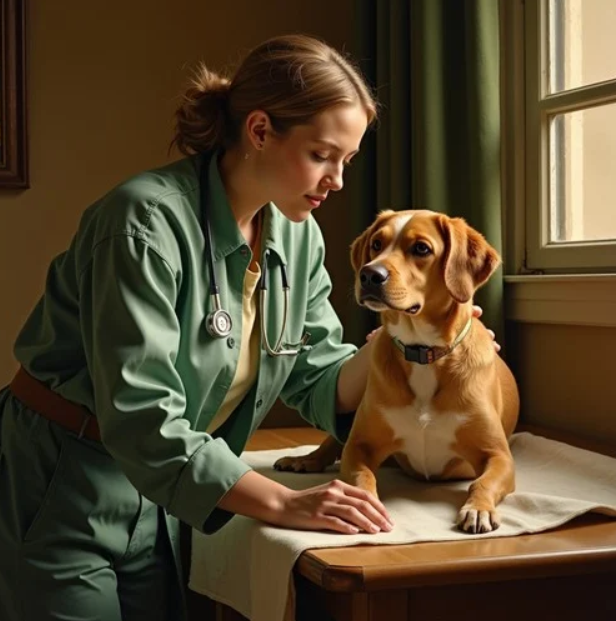
How to Give a Dog Liquid Medicine: A Step-by-Step Guide for Pet Parents. Administering medication to your dog can be a daunting task, especially when it’s in liquid form. Dogs are known for their ability to detect unfamiliar tastes and textures, making it tricky to ensure they get the full dose of medicine they need. Whether your vet prescribed an antibiotic, pain reliever, or other liquid remedy, learning how to give a dog liquid medicine properly can make a huge difference in your dog’s recovery and your peace of mind.
Why Liquid Medicine?
Liquid medicine is often prescribed when a precise dosage is required, especially for puppies, small breeds, or dogs who have trouble swallowing pills. Liquid medications can be flavored to appeal to your dog or unflavored for mixing with food or treats. They are commonly used for:
-
Antibiotics for infections
-
Pain relief
-
Anti-nausea or anti-diarrheal medications
-
Supplements or appetite stimulants
 Learning how to properly administer liquid medicine to your dog ensures they get the full benefit of the treatment.
Supplies You’ll Need
Before attempting to give your dog liquid medicine, gather everything you’ll need to make the process smooth and efficient:
-
Oral syringe or dropper (usually provided by your vet or pharmacist)
-
Towel or blanket (to keep your dog calm and steady)
-
Treats (as a reward afterward)
-
Helper (optional, but helpful for larger or wriggly dogs)
-
Liquid medication, shaken if required
-
Clean cloth or tissue, in case of spills
Being prepared will save you time and reduce stress for both you and your dog.
How to Give a Dog Liquid Medicine: Step-by-Step Instructions
Step 1: Check the Dosage and Instructions
Before administering any medication, read the label and confirm the correct dosage and timing. Some medications must be given with food, while others should be taken on an empty stomach. Shake the bottle if the label advises it.
If you’re unsure about anything, call your veterinarian for clarification. Never guess or assume the correct dosage.
“Administering liquid medicine to dogs requires more than just a steady hand. It takes patience, technique, and compassion. When done correctly, it builds trust and ensures your dog gets the full benefit of their treatment.” – Kevin Kinyon, Co-Founder, Petworks.
Step 2: Create a Calm Environment
Choose a quiet, distraction-free area in your home where your dog feels comfortable. Speak to your dog in a soothing voice. Nervous dogs may benefit from gentle petting or calming sprays beforehand.
Small dogs can be placed on a counter or table with a non-slip surface. Large dogs can sit on the floor next to you or between your legs to keep them steady.
Step 3: Hold Your Dog Securely
Wrap a towel or blanket around your dog’s body if they tend to squirm. This helps keep them secure and prevents accidental spills or injury.
You may want a second person to help gently hold your dog’s head and body, especially for larger or anxious dogs. If you’re alone, gently hold the dog’s muzzle with one hand while holding the syringe with the other.
Step 4: Insert the Syringe
Draw the prescribed amount of medicine into the syringe. Then, with your dog facing slightly away from you, place the syringe into the side of their mouth, just behind the canine tooth and in front of the molars. This gap leads directly into the cheek pouch.
Avoid sticking the syringe straight down the throat, as this can cause gagging or choking. Aim to deposit the medicine into the cheek pocket slowly.
Step 5: Slowly Dispense the Medication
Slowly press the syringe plunger to release the medication. Do it gradually to give your dog time to swallow. Rushing the process can result in the dog spitting it out or aspirating the liquid.
After dispensing, gently hold your dog’s mouth closed for a few seconds and stroke their throat or blow on their nose to encourage swallowing.
Step 6: Offer Praise and Treats
Immediately after giving the medication, praise your dog with an enthusiastic voice and offer a high-value treat or a small spoonful of peanut butter or soft food (as long as it doesn’t interfere with the medication). Consult with a canine nutritionist for guidance on post-medicine dietary changes.
This positive reinforcement helps your dog associate the experience with rewards and may make future doses easier to administer.
Tips for Success
1. Use a Flavored Medication
Ask your vet if the medicine can be flavored. Many pharmacies can add dog-friendly flavors like beef, chicken, or peanut butter to liquid medications.
2. Mix With Food (If Allowed)
Some liquid medications can be mixed with a small amount of food, such as wet dog food or broth. However, this only works if your dog eats the entire portion. Always check with your vet first.
3. Practice Makes Perfect
You may not get it right the first time, and that’s okay. Stay calm, be patient, and keep practicing. Dogs can sense frustration, which may make them more anxious.
4. Clean Up Spills
If your dog spits out part of the medicine, contact your vet to find out if you need to re-administer a partial dose. Never give an extra dose without confirmation.
What If Your Dog Resists?
Some dogs are especially resistant to being medicated. Here’s what you can try:
-
Use a pill gun designed for liquids, which helps place the medicine deeper into the mouth.
-
Enlist help from a vet tech or groomer if your dog becomes aggressive or extremely anxious.
-
Consider compounding the medication into a chewable form through your vet.
-
Schedule doses when your dog is relaxed, such as after a walk or meal.
Remember, never force or scold your dog during the process. Stay calm, and keep trying different strategies until you find one that works for both of you.
When to Call Your Veterinarian
Contact your vet if:
-
Your dog vomits after taking the medication
-
Your dog consistently refuses the medication
-
You miss a dose and aren’t sure how to proceed
-
Your dog has an allergic reaction (swelling, hives, trouble breathing)
Your veterinarian can guide you through alternative methods or forms of the medication, like chewables, powders, or injectables.

Did you find this article useful? Would you like 100% free access to more articles like these, and free access to over 5,000 vetted pet care service professionals throughout the United States? Sign up here for a free Petworks account, and take 10% off your first booking, on us!
Consistency and Compassion Matter
Now that you know how to give a dog liquid medicine, you’re better prepared to help your pup stay healthy and recover faster. With consistency, compassion, and a few helpful tools, this process can become a manageable part of your pet care routine.
Above all, be patient. Your dog may resist at first, but with positive reinforcement and gentle handling, they’ll learn to tolerate, if not quite enjoy, the process. Always follow your veterinarian’s instructions and never hesitate to ask for guidance if you’re struggling.
About Petworks
 In 2021, Dr. Marty Goldstein DVM joined the pet care platform Petworks as an advisor in its Animal Nutrition care division. Dr Marty Nature’s Blend is on a mission to help your pets live their healthiest lives possible. Dr. Marty’s pet nutrition expertise and guidance has helped Petworks evolve and become the preeminent animal and pet nutrition consultation service for pet parents in North America.
 In 2022, Blue Buffalo Founder Bill Bishop Jr. joined Petworks as Senior Advisor in our Animal Nutrition Care Division. Bill brings his extensive expertise in pet food innovation and business leadership. His guidance helps Petworks enhance our pet nutrition service offerings, helping to ensure that pet parents throughout the world receive trusted, science-backed nutritional support for their dogs, cats, and animals.
About The Author
 Petworks Co-Founder Kevin Kinyon is a life-long animal lover who works tirelessly to improve the lives of pets and their parents. Human and animal qualities he values most are integrity, humor, and empathy.

 petworks tm








Not always the easiest thing to do!
My brother recommended I may like this website. He was totally right!
Petworks, this post is helpful. Thank you.
Great useful help in this article!
Petworks always has great articles!