
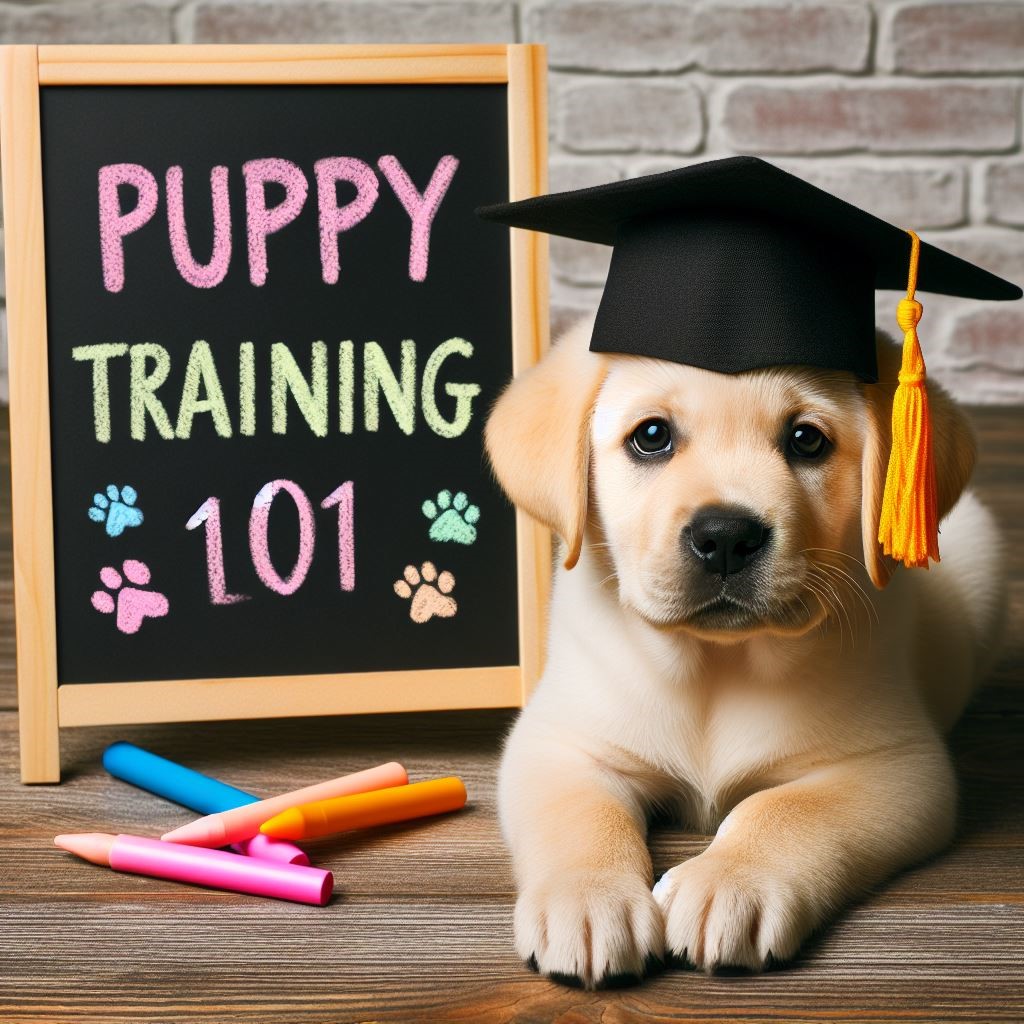
Dog Potty Training: A Complete Guide for Pet Parents. Potty training your dog is one of the most essential parts of dog ownership. It not only keeps your home clean and hygienic but also fosters a strong foundation of discipline and routine for your furry companion. Whether you’re training a young puppy or retraining an adult rescue, this comprehensive guide to dog potty training will walk you through the steps to success. With the right techniques, consistency, and patience, you can help your dog develop proper bathroom habits that last a lifetime.
Why Dog Potty Training Is Important
Dog potty training is more than just a convenience. It’s a key part of creating a peaceful and healthy home. Untrained dogs may urinate or defecate indoors, leading to messes, damage to carpets and floors, and the risk of bacteria or parasites spreading in your living environment. Housebreaking your dog builds trust and allows your pet to understand your expectations. A well-trained dog is more confident, and a pet parent who doesn’t have to constantly clean up accidents is a much happier one.
 When to Start Potty Training a Dog
The best time to start potty training a puppy is between 12 and 16 weeks of age. At this point, most puppies have enough control over their bladder and bowel movements to begin learning where it’s appropriate to relieve themselves. However, it’s never too late to start potty training a dog. With consistent training and positive reinforcement, even adult dogs can be successfully housebroken.
Key Tips for Successful Dog Potty Training
Here are the core steps to ensure your dog potty training efforts are effective:
1. Create a Consistent Schedule
Dogs thrive on routine. Take your dog outside:
-
First thing in the morning
-
After eating or drinking
-
After naps
-
Before bedtime
-
Every 2–3 hours for puppies
Sticking to a regular schedule helps your dog learn when and where they’re expected to go.
2. Pick a Designated Potty Spot
Choose a specific outdoor location for your dog to do their business. This creates a scent association and encourages consistency. Take your dog to the same spot each time and give them a verbal cue like “go potty.”
3. Reward Immediately
As soon as your dog goes potty in the correct location, reward them with enthusiastic praise and a small treat. Immediate positive reinforcement helps your dog connect the act of going in the right place with a positive outcome.
4. Use a Crate for Training
Crate training is a helpful method during dog potty training. Dogs naturally avoid soiling their sleeping areas, so a properly-sized crate encourages bladder control. Never use a crate as punishment, and always give your dog regular bathroom breaks while crate training.
5. Supervise Indoors
Closely monitor your dog when they’re indoors, especially in the early stages. Watch for signs they need to go, such as sniffing, circling, whining, or heading to the door. If you can’t supervise, consider using baby gates to keep them in a controlled space.

Are you finding this article useful? Would you like 100% free access to more articles like these, and free access to over 5,000 vetted pet care service professionals throughout the United States? Sign up here for a free PetWorks account, and we’ll email you a 10% discount code, good towards your first pet care services booking on PetWorks!
Common Potty Training Mistakes to Avoid
Even with the best intentions, pet parents sometimes make mistakes during dog potty training. Here’s what to avoid:
Punishing Accidents
Never yell or punish your dog for accidents. Dogs don’t connect punishment with something that happened minutes, or even seconds earlier. Instead, calmly clean up the mess and refocus on better supervision and schedule consistency.
Inconsistent Routine
A scattered schedule can confuse your dog and delay progress. Stick to the same feeding and potty times daily. Consistency builds habits.
Not Cleaning Accidents Properly
Use an enzymatic cleaner to thoroughly remove pet odors. Dogs have sensitive noses and may return to the same spot if traces of urine or feces remain.
How Long Does Dog Potty Training Take?
The length of time needed for dog potty training varies based on your dog’s age, breed, previous experiences, and your consistency. Most puppies take 4–6 months to be fully house trained, though some may take up to a year. Adult dogs can learn faster but may need time to overcome past habits.
Small breeds sometimes take longer to train due to smaller bladders, while larger breeds may progress more quickly. Be patient—each dog learns at their own pace.
Signs That Potty Training Is Working
You’ll know your dog is getting the hang of potty training when:
-
They signal you before needing to go outside
-
Accidents become less frequent
-
They go quickly once you take them to the potty spot
-
They wait to be taken out even if the door is closed
Celebrate these milestones. They’re signs of progress!
Potty Training Tools That Help
Certain tools can make dog potty training easier:
-
Puppy Pads: Ideal for apartments or in between outdoor trips. Transition to outdoor pottying over time.
-
Dog Crates: Encourage control and help with supervision.
-
Pet Enzyme Cleaner: Neutralizes odors after accidents.
-
Bells or Buttons: Train your dog to use them to signal when they need to go out.
What If My Dog Isn’t Getting It?
If your dog continues to have frequent accidents despite your best efforts, consider these possible issues:
-
Medical problems: Urinary tract infections or gastrointestinal issues can cause accidents. Always rule out health issues with a vet.
-
Anxiety or fear: Loud noises or changes in the home can cause regressions.
-
Incomplete training: Revisit the basics and stay consistent.
Professional dog trainers and behaviorists can help with tough cases. They offer one-on-one coaching and personalized solutions to get your dog back on track.
Dog Potty Training Grand Finale
Successfully potty training your dog requires time, love, and a commitment to consistency. Set realistic expectations, stick to a schedule, use positive reinforcement, and never lose patience. Whether you’re house training a new puppy or retraining a rescue, your effort will pay off in a well-mannered dog and a clean, happy home.
FAQ: How often should I take my puppy outside to potty?
Young puppies usually need potty breaks every 2 to 3 hours during the day. Puppies also need to go outside after eating, drinking, waking up from naps, playing, and before bedtime. Consistency helps puppies learn faster and reduces indoor accidents. Check out some Dog Training Advice articles here.
FAQ: What is the fastest way to potty train a dog?
The fastest way to potty train a dog is through consistency, supervision, positive reinforcement, and a predictable daily routine. Dogs learn faster when pet parents reward successful potty trips immediately and avoid punishment after accidents.
FAQ: Should I use puppy pads while potty training?
Puppy pads can help apartment dwellers, senior pet parents, or people with limited outdoor access. However, some trainers believe puppy pads may delay full outdoor potty training because they teach dogs that indoor elimination is sometimes acceptable.
FAQ: Why does my dog keep peeing in the house after being potty trained?
Regression in potty training can happen because of stress, medical issues, schedule changes, anxiety, aging, or inconsistent routines. Dogs experiencing urinary tract infections or digestive issues should be evaluated by a veterinarian.
FAQ: Can older rescue dogs be potty trained?
Yes. Adult rescue dogs can absolutely learn proper potty habits. Some rescue dogs may need additional patience because of previous neglect, inconsistent routines, or anxiety, but positive reinforcement and structure are highly effective.
FAQ: What smells stop dogs from peeing in the same spot?
Enzymatic cleaners are the best option because they fully break down odor molecules that dogs can still smell, even after traditional cleaning products are used.
FAQ: How long can puppies hold their bladder?
A common guideline is that puppies can hold their bladder for approximately one hour per month of age. For example:
- 2 months old = about 2 hours
- 4 months old = about 4 hours
Most puppies still need overnight bathroom breaks until they mature further.
FAQ: Is crate training good for potty training?
Yes. Proper crate training can speed up potty training because dogs naturally avoid soiling their sleeping area. The crate should never be used for punishment and should always be appropriately sized.
About PetWorks
 In 2021, Dr. Marty Goldstein DVM joined the pet care platform PetWorks as an advisor in its Animal Nutrition care division. Dr Marty Nature’s Blend is on a mission to help your pets live their healthiest lives possible. Dr. Marty’s pet nutrition expertise and guidance has helped PetWorks evolve and become the preeminent animal and pet nutrition consultation service for pet parents in North America.
 In 2022, Blue Buffalo Founder Bill Bishop Jr. joined PetWorks as Senior Advisor in our Animal Nutrition Care Division. Bill brings his extensive expertise in pet food innovation and business leadership. His guidance helps PetWorks enhance our pet nutrition service offerings, helping to ensure that pet parents throughout the world receive trusted, science-backed nutritional support for their dogs, cats, and animals.
About The Author
 PetWorks Co-Founder Kevin Kinyon is a life-long animal lover who works tirelessly to improve the lives of pets and their parents. Human and animal qualities he values most are integrity, humor, and empathy.

 petworks tm









Going through this right now with our pup!
Thanks Petworks!
you’re very welcome!
helpful content here!
Petworks, this is great. So much better than Rover and Wag.