Hire the Right Certified Dog Trainer in New York City, NY
-
-
 Chelsea Kronick
- Sundog Pet Care - Mobile Dog Training - Brooklyn, NY
-
 INSTANT
CHECKOUT
INSTANT
CHECKOUT
 SCHEDULING
ENABLED
SCHEDULING
ENABLED
 CERTIFIED
CPDT-KA
CERTIFIED
CPDT-KA
- Brooklyn, NY - At Sundog, we've been passionately serving pets since December 2021, providing expert pet training and behavior modification services with a focus on creating richer, more rewarding relationships...
-
 (2 reviews)
 -
- Certified
- Insured
- Online Sessions
-
- Melissa Halloran
- Private Dog Training in New York's Capital Region - New York, NY
-
 RED CROSS
CERTIFIED
RED CROSS
CERTIFIED
 AKC CGC
EVALUATOR
AKC CGC
EVALUATOR
- New York, NY - Are you welcoming a new furry family member into your home? I understand that the excitement can sometimes come with challenges, like dealing with a pup...
-
-
- Certified
-
- Emily van den Blink
- Van Den Dogs - Certified Dog Trainer - Jersey City, NJ
-
CERTIFIED
CPDT-KA
- Jersey City, NJ - Emily is a highly qualified pet professional with a passion for animal behavior and training. She holds a B.S. in Animal Science from Cornell University and...
-
(5 reviews)
-
- Licensed
- Certified
-
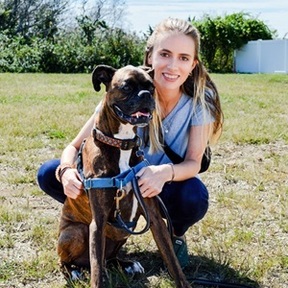
- Kelsey Mayr
- WonderPups University- Certifed Dog Trainer - Jersey City, NJ
-
 RAPID
RESPONDER
CERTIFIED
CPDT-KA
RAPID
RESPONDER
CERTIFIED
CPDT-KA
- Jersey City, NJ - At WonderPups University, we pride ourselves on providing expert positive reinforcement dog training in the Jersey City area. With certifications such as Certified Professional Dog Trainer...
-
-
- Certified
- Online Sessions
-
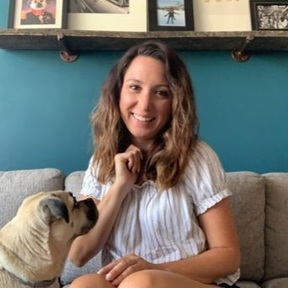
- Aubrey Bettencourt
- Private In Home Dog Training Session - New York, NY
-
CERTIFIED
CPDT-KA
- New York, NY - I’ve been a professional dog trainer in New York City, since 2012, and I primarily do in-home private dog training sessions for all types of dogs....
-
-
- Certified
- Online Sessions
-
- Denise Herman
- Empire of the Dog - Private Virtual Dog Training - New York, NY
- New York, NY - At Empire of the Dog, we are dedicated to transforming the way you and your pet communicate and bond. With over two decades of full-time experience...
-
-
- Certified
- Online Sessions
-
 5BOOKINGS
 -
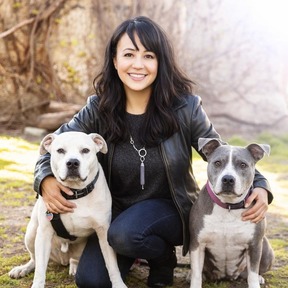
Mari Fetzer
- Mari Fetzer : Regulation-First, Certified Dog Trainer - New York, NY
-
INSTANT
CHECKOUT
SCHEDULING
ENABLED
RAPID
RESPONDER
- New York, NY - As a dedicated dog trainer with a focus on Regulation-First Dog Training, I help pet parents transform their dogs from "stubborn," "reactive," or "dominant" to calm...
-
(2 reviews)
-
- Licensed
- Certified
- Insured
- Online Sessions
-
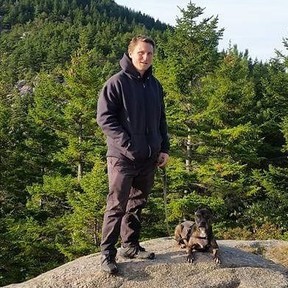
- Michael Preis
- Mike Preis Private Dog Training - Brooklyn, NY
- Brooklyn, NY - Michael Preis is a seasoned CPDT-KA certified dog trainer who has been transforming the lives of pets and their owners across the United States since 2012. With...
-
-
- Online Sessions
-
-
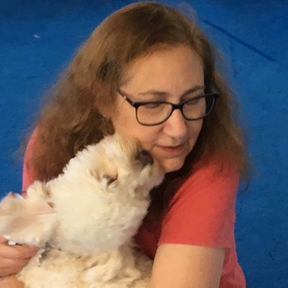
Nancy Field
- Harmony Dog Training - New York, NY
-
CERTIFIED
CPDT-KA
AKC CGC
EVALUATOR
- New York, NY - Harmony Dog Training provides quality education for puppies and adult dogs, and the people who love them. Force-Free, Reward-Based Approach. In person training in New York...
-
(3 reviews)
-
- Certified
- Online Sessions
-
- Cally Liu
- Trick-N-Treat In Home Private Dog Training - Long Island City, NY
-
CERTIFIED
CPDT-KA
- Long Island City, NY - Cally Liu, a dedicated and highly qualified professional, offers exceptional in-home private dog training under the Trick-N-Treat In Home Private Dog Training banner. With a...
-
-
- Certified
-
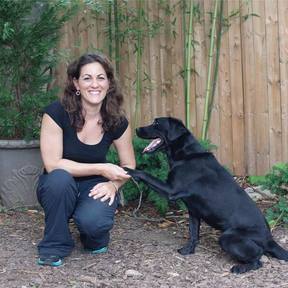
- Dani Santanella
- Urban K-9 - Private In Home Dog Training - Brooklyn, NY
- Brooklyn, NY - Welcome to Urban K-9, where I, Dani Santanella, CPDT-KSA, have been passionately helping pets and their owners for over 15 years. As a certified dog trainer specializing...
-
-
-
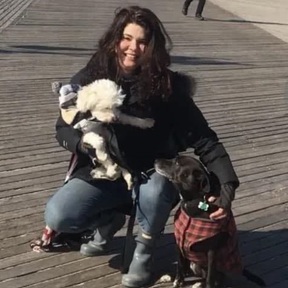
- Michelle Holland
- Prevo Private Dog Training - Brooklyn, NY
-
CERTIFIED
CPDT-KA
- Brooklyn, NY - Michelle Holland brings over two decades of expertise to the world of dog training, having served pets and their families since 2002 in South Brooklyn and surrounding...
-
-
- Certified
- Insured
- Online Sessions
-

- Amy Sternberg
- Doggone Special - CCPDT Certified Dog Trainer - New York, NY
-
CERTIFIED
CPDT-KA
- New York, NY - Since 2018, Amy Sternberg, a Certified Professional Dog Trainer (CPDT-KA), has been transforming the lives of dogs and their owners with her compassionate, positive reinforcement training....
-
-
- Certified
- Online Sessions
-
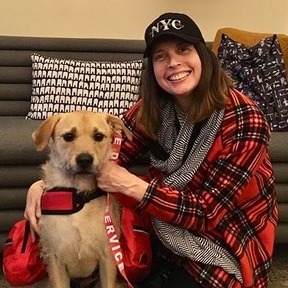
- Anney Yates
- Cousin Anne’s Dog Academy - Dog Training - New York, NY
- New York, NY - Based in Yorkville, Manhattan, Cousin Anne is a certified professional dog trainer with years of experience. - Insured & Bonded: Pet Sitters Association - American Red...
-
-
- Online Sessions
-
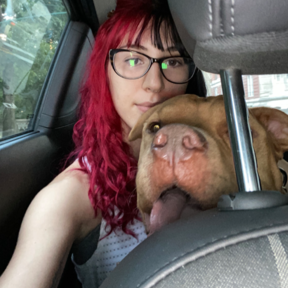
- Genevieve Matos
- Dog Training, Puppy Training, Pet sitting & Boarding - New York, NY
- New York, NY - Basic obedience training. Puppy Training. Puppy Socialization class/exercise. Happy pups = Happy paw-rents! I also offer Pet sits and Boarding. I truly love what I do!...
-
-
-
-
Amanda Ferris
- Mighty Mutt Dog Training Services - Brooklyn, NY
- Brooklyn, NY - My name is Amanda, and as the proud owner of Mighty Mutt Dog Walking & Dog Training, I bring over eight years of dedicated experience to the...
-
(1 review)
-
- Certified
-
- Pepe Hernandez
- NYC Dog Trainer Force Free | Reactivity Specialist - New York, NY
-
CERTIFIED
CPDT-KA
- New York, NY - PJH Dog Training provides personalized, force-free dog training in New York City for dogs and puppies who need real-world support, not one-size-fits-all solutions. From puppy socialization...
-
-
- Certified
- Online Sessions
-
- Peter Hartmann
- Fido Fidelis Professional Private Dog Training - Rutherford, NJ
-
RED CROSS
CERTIFIED
AKC CGC
EVALUATOR
- Rutherford, NJ - Peter Hartmann, a seasoned professional dog trainer, has been transforming the lives of dogs and their owners since 2013. Serving North and Central New Jersey and Southern...
-
-
- Licensed
- Certified
- Insured
-
- Canine Sports & Activity Center
- Canine Sports & Activity Center - Dog Training Services - Wallington, NJ
-
CERTIFIED
CPDT-KA
 ABCDT
CERTIFIED
ABCDT
CERTIFIED
- Wallington, NJ - Hi, welcome to Canine Sports & Activity Center located in Wallington, New Jersey. We believe that training is an integral part of owning a dog and that...
-
-
- Certified
- Insured
-
- Lizz Molloy
- Keyrak Dog Club - Private Dog Training Service - Staten Island, NY
-
CERTIFIED
CPDT-KA
- Staten Island, NY - Very many years ago, my Dad brought home a Bulldog puppy that was the cutest puppy in the world and that immediately started destroying the house!...
-
-
- Certified
- Online Sessions
other categories
more info
🦔 Dog Training in New York City, New York. What You Need to Know
New York City is the most demanding dog training environment in the country - and one of the best cities in the world to live in with a well-trained dog. The density, the constant stimulation, the proximity of strangers and other dogs on every sidewalk, the elevator rides, the narrow lobbies, the long hours owners spend at work, the summer humidity, and the sheer volume of daily encounters add up to a set of challenges that no other American city quite replicates. A dog who can handle all of it confidently and calmly is a genuine daily joy in New York. A dog who can't makes the whole city feel harder than it needs to be. PetWorks connects you with certified, vetted dog trainers across all five boroughs and the greater New York metro who understand exactly what raising a city dog here actually requires.
❤️ There's a particular version of city dog life that every New Yorker with a reactive or anxious dog knows: the crossed street to avoid a trigger, the skipped walk on a busy Saturday afternoon, the apology to the neighbor whose dog got lunged at in the elevator lobby, the way the morning walk — which should be a simple pleasure — becomes a thing you brace for. The right trainer doesn't just change your dog's behavior. They change what the city feels like to live in.
Average Cost of Dog Training in New York City in 2026
Private dog training in New York City typically ranges from $150–$250 per hour, reflecting the city's cost of living, the premium market for credentialed trainers, and the genuine complexity of training dogs in high-density urban settings. Multi-session packages — the most effective structure for lasting behavior change — commonly run $700–$1,400 for four to six sessions. Board-and-train programs with NYC-based trainers generally range from $2,500–$5,000 or more depending on duration, scope, and the trainer's credentials. Virtual sessions are often available at $85–$150 per session for ongoing support, maintenance training, or consultations between in-person work.
Training Methods That Work in New York City
The overwhelming majority of credentialed NYC trainers use positive, reward-based methods — building desired behaviors through reinforcement rather than punishment or physical correction. In a city where dogs are under near-constant stimulation, where the training environment is almost never controlled or quiet, and where anxiety and reactivity are extremely common, low-stress science-based methods produce genuinely better outcomes. Dogs trained through positive reinforcement in high-distraction environments learn to make choices, not just comply under pressure — and that's what holds up when a cyclist goes by at speed on the Hudson River Greenway or a stranger reaches out to pet your dog in a crowded subway station entrance.
Certifications to Look For in a New York City Dog Trainer
New York State does not license or regulate dog trainers, making credentials your most important quality signal when evaluating trainers in the city's crowded market. Look for CPDT-KA (Certified Professional Dog Trainer – Knowledge Assessed), CPDT-KSA (Knowledge and Skills Assessed), KPA-CTP (Karen Pryor Academy Certified Training Partner), CDBC (Certified Dog Behavior Consultant, IAABC), or CSAT (Certified Separation Anxiety Trainer). These designations require formal education, independent examination, and ongoing continuing education — they indicate a trainer who is serious about the science and ethics of the work, not just someone who trained their own dog and started a business.
The Specific Challenges of Training a Dog in New York City
NYC creates training demands that are genuinely different in kind, not just degree, from most other American cities.
Leash reactivity is the single most common training request across all five boroughs — and it's easy to understand why. Dogs in New York encounter more dogs, more strangers, more cyclists, more skateboards, more food smells, more sudden noises, and more unpredictable movement in a single morning walk than dogs in most cities encounter in a week. For dogs who are already sensitive or under-socialized, the city itself becomes a constant trigger. Loose-leash walking in a city where there is genuinely no quiet sidewalk to practice on, where garbage trucks appear without warning, and where another dog is always fifteen feet ahead is a real skill that takes real work to build.
Elevator and building manners are a daily necessity in New York in a way that's hard to fully appreciate if you haven't lived it. A dog who can't hold a calm, neutral posture while waiting for and riding an elevator in a building with other dogs, small children, deliveries, and strangers is not just an inconvenience — it's a source of daily conflict with neighbors, building management, and your own household. Many NYC trainers spend significant session time in building common areas for exactly this reason.
Separation anxiety is epidemic in New York City. Dogs in small apartments who have bonded tightly with owners who are then absent for eight to twelve hours a day in demanding jobs — often in buildings where neighbors are immediately affected by barking — represent one of the highest-volume behavior challenges in the metro. Trainers with CSAT certification (Certified Separation Anxiety Trainer) have dedicated specialized training specifically to this problem, and the demand for that credential in New York is higher than almost anywhere else in the country.
Socialization and noise sensitivity are foundational challenges for puppies raised in the city. The good news is that NYC provides unmatched socialization opportunities — dogs who are raised well in this environment develop a resilience and neutrality that's remarkable. The challenge is that the volume of exposure can tip from beneficial to overwhelming very quickly, and undirected "exposure" without thoughtful guidance can sensitize rather than habituate.
Training Differences Across the Five Boroughs
Manhattan's Upper West Side, Upper East Side, and downtown neighborhoods — Chelsea, the West Village, Tribeca, SoHo, the East Village — are the densest training environments, where the sidewalk challenge is most acute and where apartment sizes are smallest. Brooklyn's Park Slope, Prospect Heights, Carroll Gardens, Cobble Hill, Williamsburg, and Greenpoint neighborhoods have somewhat more space — brownstone blocks with stoops and tree pits, Prospect Park's extensive off-leash hours — but equally high dog density and significant leash reactivity prevalence. Long Island City, Astoria, and Jackson Heights in Queens bring their own residential density and neighbor dynamics. The Bronx's Riverdale and Fordham neighborhoods offer more park access. Staten Island's more suburban street grid is the most forgiving training environment of the five boroughs, but residents there who need serious behavior work still benefit from certified professional guidance.
NYC's Off-Leash Hours & Dog Parks
New York City's approach to off-leash dog access is unique among major American cities: rather than designated off-leash dog parks throughout, the city allows off-leash use in most parks during early morning hours (before 9am) and evening hours (after 9pm). Central Park's meadows and the North Meadow during off-leash hours are the most iconic training environments in the city — enormous stimulation, extraordinary dog density, and a genuinely useful proofing environment for dogs who are developing recall, focus, and calm greetings. Prospect Park in Brooklyn has equivalent off-leash hours and is similarly well-used. Riverside Park along the Hudson offers more linear, leash-friendly terrain during the day. Dedicated dog runs are available throughout the boroughs — Carl Schurz Park on the Upper East Side, Fort Tryon Park in Washington Heights, J.J. Byrne Memorial Playground in Park Slope, and many smaller neighborhood runs. All parks require current NYC dog licensing and up-to-date vaccinations for off-leash access.
Dog-Friendly Spots in New York City
New York's outdoor dining and dog-welcoming culture is rich and expanding. Many restaurants, cafés, and bars across the city welcome well-behaved dogs at outdoor seating — the West Village, Park Slope, Astoria, and the East Village have notable concentrations of dog-welcoming patios. The High Line is one of the best urban dog-walking experiences in the country — a long, linear elevated park through Chelsea and Hudson Yards that offers structured leash practice with incredible distraction proofing potential, consistent crowds, cyclists, and other dogs on a defined path. The Brooklyn Bridge Park waterfront, the Hudson River Greenway, and Governors Island (dog-friendly by ferry) are other exceptional real-world training environments. Industry City in Sunset Park and the outdoor spaces of Dumbo and DUMBO's waterfront parks are popular with Brooklyn dog owners building public manners.
New York City Dog Laws & Regulations
New York State does not license dog trainers. New York City requires all dogs four months and older to be licensed through the NYC Department of Health and Mental Hygiene, and licensing must be renewed annually. Proof of current rabies vaccination is required for licensing. Dogs must be on a leash not exceeding six feet in all public areas of New York City outside designated off-leash zones and during off-leash hours. NYC leash law is enforced by NYC Parks Enforcement and NYPD. Building-specific rules imposed by co-op boards, condo associations, and landlords in NYC often add additional restrictions beyond city ordinances — weight limits, breed restrictions, and elevator etiquette policies are common in Manhattan and Brooklyn residential buildings and are worth knowing before you adopt.
Road Salt & Seasonal Training Considerations
New York winters bring road salt, ice melt, and slush that can damage paw pads — the same concern as Boston and Chicago. The Hudson River waterfront and parks along the FDR Drive are some of the most heavily salted areas in winter. Paw balm or dog booties before outdoor sessions in January and February are a practical recommendation from most NYC trainers. Summer in New York City is hot and humid, and the urban heat island effect means pavement temperatures in Manhattan's street canyons can be significantly higher than the ambient temperature — the seven-second pavement test applies here too, and late morning through early evening walks in July and August require genuine heat management.
Most Requested Dog Training in New York City
Leash reactivity and loose-leash walking on crowded sidewalks, elevator and lobby manners, separation anxiety management, apartment and building condo manners, recall and off-leash reliability during park off-leash hours, puppy socialization and city habituation, and noise sensitivity and confidence work.
Neighborhoods & Areas Served
PetWorks connects dog owners across all five boroughs and the greater New York metro, including Manhattan (Upper West Side, Upper East Side, Midtown, Chelsea, West Village, Greenwich Village, SoHo, Tribeca, TriBeCa, East Village, Lower East Side, Harlem, Washington Heights, Inwood), Brooklyn (Park Slope, Prospect Heights, Williamsburg, Greenpoint, Carroll Gardens, Cobble Hill, Crown Heights, Flatbush, Bay Ridge, Sunset Park), Queens (Long Island City, Astoria, Jackson Heights, Forest Hills, Flushing, Jamaica), the Bronx, Staten Island, and nearby metros including Jersey City, Hoboken, Newark, and Westchester County.
How Booking a Dog Trainer on PetWorks Works
Browse verified trainer profiles, compare credentials and reviews, then use Send Message, Get Custom Quote, or Book Now to connect with a trainer about your dog's specific needs. Your trainer can send a personalized quote through the PetWorks inbox. You'll only pay when you book, and payment is handled securely — Visa, Mastercard, American Express, Discover, Apple Pay, Google Pay, Affirm, Link, or Klarna. Care Coverage at checkout gives you access to PetWorks' live Concierge team, full refunds if a booking is canceled through no fault of yours, and help resolving any booking issues — so you can focus on what matters most: your dog.
Dog Training FAQs for New York City, New York
Why should I hire a professional dog trainer in New York City? New York City's density, constant stimulation, apartment living, and the sheer volume of daily dog encounters create training challenges that most dogs need real professional guidance to navigate. For dogs with reactivity, separation anxiety, fear, or aggression, a qualified trainer can make a measurable and lasting difference in daily quality of life — and in your relationship with your neighbors.
What dog training services are available in New York City? PetWorks trainers in NYC offer private in-home sessions, mobile training, and on-site work covering leash reactivity, loose-leash walking, apartment and building manners, separation anxiety, puppy socialization, noise habituation, and more — tailored to your specific dog and your borough's specific challenges.
How much does dog training cost in New York City? Private sessions typically run $150–$250 per hour. Multi-session packages commonly cost $700–$1,400. Board-and-train programs range from $2,500–$5,000 or more. Virtual sessions are typically available at $85–$150 per session.
What certifications should I look for in an NYC dog trainer? Look for CPDT-KA, CPDT-KSA, KPA-CTP, CDBC, or CSAT credentials. New York State has no trainer licensing requirement, making independent certification your most reliable quality signal. For separation anxiety specifically, CSAT-certified trainers have dedicated specialized training for that particular challenge.
Are there dog-friendly outdoor spaces in NYC good for training practice? Yes — many. The High Line, Central Park during off-leash hours, Prospect Park, Riverside Park, the Hudson River Greenway, and Brooklyn Bridge Park are all excellent real-world training environments. Reinforcing skills in these environments, under realistic distraction conditions, is how city dogs genuinely generalize their training beyond the apartment.
Serving all five boroughs of New York City — Manhattan, Brooklyn, Queens, the Bronx, and Staten Island — plus Jersey City, Hoboken, Newark, and communities throughout the greater New York metropolitan area, NY.

 petworks tm