Hire the Right Certified Dog Trainer in Charleston, South Carolina
-
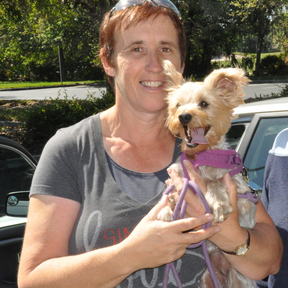
- Heather Szasz
- Private In Home Dog Training - Charleston, SC
-
-
 RED CROSS
CERTIFIED
RED CROSS
CERTIFIED
 ABCDT
CERTIFIED
ABCDT
CERTIFIED
- Charleston, SC - With over 8 years of dedicated experience in dog training, I understand that the most crucial element of effective training is the owner’s approach. Certified as an...
-
- Licensed
- Certified
- Insured
- Mobile Services
-
- Owen Kokinda
- Elite Private Dog Training and Rehabilitation - Charleston, SC
-
- Charleston, SC - At K-9 Control Training, we are dedicated to providing exceptional dog training services for canines of all sizes and breeds in Charleston, SC. With over six years...
-
- Licensed
- Certified
- Insured
-
- Christine Baker
- Bright Mind Canine Services - Dog Training - Charleston, SC
-
-
RED CROSS
CERTIFIED
 AKC CGC
EVALUATOR
AKC CGC
EVALUATOR
 IAABC
CERTIFIED
IAABC
CERTIFIED
- Charleston, SC - Is your Fido acting like Cujo? Let me help you to remember why we call them “man’s best friend!” Using proven, evidence-based methods, I teach owners to...
-
- Licensed
- Certified
- Online Sessions
- Mobile Services
-

- Susan Marett
-
Purely Positive Dog Training - Certified Dog Trainers - Mt Pleasant, SC
(10 miles from Charleston)
-
-
 CERTIFIED
CPDT-KA
CERTIFIED
CPDT-KA
- Mt Pleasant, SC - For over two decades, Susan Marett has been transforming the lives of pets and their owners across the Southeastern region with her expertise in dog behavior...
-
- Certified
- Online Sessions
-
- Dog Training Elite Lowcountry
-
Dog Training Elite Lowcountry - Private Dog Training - Summerville, SC
(22 miles from Charleston)
-
-
AKC CGC
EVALUATOR
- Summerville, SC - Dog Training Elite Lowcountry offers unparalleled private dog training services in the Charleston, SC metro area. With over 40 years of experience, they are a family-owned business...
-
- Licensed
- Certified
- Insured
- Mobile Services
-
- Lauren Fins
-
Fins Animal Training - Certified Dog Trainers - Savannah, GA
(89 miles from Charleston)
-
-
AKC CGC
EVALUATOR
ABCDT
CERTIFIED
- Savannah, GA - Are you dreaming of a well-behaved dog who sits calmly instead of jumping, waits patiently at the door, and always comes when called? As an Animal Behavior...
-
- Licensed
- Certified
- Insured
- Mobile Services
-
- Rip Reinhold
-
Rip's Dog Training - In Home and Private K9 Trainer - Conway, SC
(89 miles from Charleston)
-
-
AKC CGC
EVALUATOR
- Conway, SC - As a dedicated pet professional, I have been passionately serving the needs of pet parents since December 2017, bringing a wealth of knowledge and experience to each...
-
- Certified
- Insured
- Mobile Services
-
- Don White
-
Tru Mission K9s - Private Dog Training - Conway, SC
(89 miles from Charleston)
-
- Conway, SC - Don White, a dedicated professional in the field of dog training, has been transforming the lives of pets and their owners since 2004. With certifications in Pet...
-
- Licensed
- Certified
- Mobile Services
-
- Maria Huntoon
-
Maria G Huntoon Canine Consulting Services - Pooler, GA
(89 miles from Charleston)
-
- Pooler, GA - As a dedicated pet behavior expert with over 20 years of hands-on experience, I am passionate about fostering harmony and understanding between you and your beloved four-legged...
-
- Licensed
- Certified
- Insured
- Online Sessions
-
- Camy Thumwood
-
Pet Emergency Info Kit - Protecing All Your Pets - Richmond Hill, GA
(99 miles from Charleston)
-
- Richmond Hill, GA - The Pet Emergency Info Kit is your ultimate tool for ensuring the safety of your cherished animals in any situation. Developed by Camy Thumwood, a renowned...
-
-

- Dana Brigman
- Dog Behaviorist North Myrtle Beach - North Myrtle Beach, SC
-
(4 reviews)
- North Myrtle Beach, SC - Dana Brigman, Canine Behaviorist | Holistic Pet Health Coach | Canine Nutritionist I’m Dana Brigman, a dedicated canine behaviorist and holistic pet health coach with...
-
- Certified
- Online Sessions
-
- Julie Davis
- Private Dog Training In Your Home - Columbia, SC
-
-
RED CROSS
CERTIFIED
 BBB
ACCREDITED
BBB
ACCREDITED
- Columbia, SC - Julie Davis offers expertise in private dog training right in the comfort of your home, ensuring each session is both personal and convenient. With over 20 years...
-
- Certified
- Insured
- BBB Accredited
- Mobile Services
-
- Kimberly Mercy-Wagner
- Professional Paws - In Home Private Dog Training Service - Lexington, SC
-
-
RAPID RESPONDER
- Lexington, SC - With over 16 years of experience as a dedicated dog trainer, pet sitter, and passionate pet owner, I bring my extensive knowledge in positive obedience and behavior...
-
- Mobile Services
-
- Cherish Danforth
- Graced Kennels - Dog Training Services - Augusta, GA
-
-
RED CROSS
CERTIFIED
AKC CGC
EVALUATOR
BBB
ACCREDITED
ABCDT
CERTIFIED
- Augusta, GA - I'm Cherish Danforth, and I have a had a passion for animals since before I can remember. Some of my of earliest memories were helping heal injured...
-
- Licensed
- Certified
- Bonded
- Insured
- BBB Accredited
- Mobile Services
-
- Kate Johnson
- Rain or Shine Canine - CBCC-KA, CPDT-KA, FDM - St Simons Island, GA
-
-
CERTIFIED
CPDT-KA
- St Simons Island, GA - Kate Johnson, a distinguished dog trainer based in St. Simons Island, GA, brings a wealth of expertise to every session. Holding prestigious certifications such as...
-
- Licensed
- Certified
- Bonded
- Insured
- BBB Accredited
- Online Sessions
- Mobile Services
-
- Jacob Weaver
- Altamaha Canine Consulting - Private Dog Trainers - Screven, GA
-
-
AKC CGC
EVALUATOR
IAABC
CERTIFIED
- Screven, GA - With over two decades of experience since 2000, Jacob Weaver has been a trusted name in the dog training industry, offering a comprehensive in-board training program at...
-
- Licensed
- Certified
- Insured
-

- Joel Bobstein
- Joel's Professional Pet Services - Dog Obedience Training - Lake Park, NC
-
-
INSTANT CHECKOUT
- Lake Park, NC - As a certified dog trainer with specialized training in dog obedience and behavior modification, I am committed to helping pets and their parents build a harmonious...
-
- Certified
-
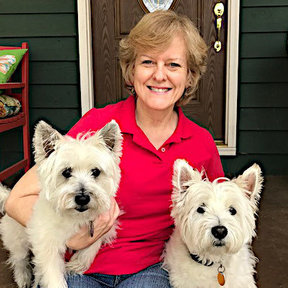
- Kim Spyridon
- Two Tails Up - Certified In Home Private Dog Trainers - Tega Cay, SC
-
-
 PSI
CERTIFIED
BBB
ACCREDITED
PSI
CERTIFIED
BBB
ACCREDITED
- Tega Cay, SC - Picking the right dog trainer is an important decision and there are many dog training options out there. I am an experienced dog trainer and would...
-
- Licensed
- Certified
- Bonded
- Insured
- BBB Accredited
- Mobile Services
-
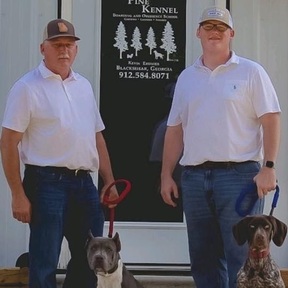
- Kevin Erdmier
- Southern Pine Dog Kennels and Canine Training - Blackshear, GA
-
- Blackshear, GA - Nestled on 85 sprawling acres in Blackshear, Georgia, Southern Pine Dog Kennels and Canine Training is a premier destination for comprehensive dog care and training. Led by...
-
- Licensed
- Certified
- Insured
other categories
more info
🦔 Dog Training in Charleston, South Carolina — What You Need to Know
Charleston is one of the most beautiful and livable small cities in America — a place where dogs are genuinely woven into the daily fabric of life, from the cobblestone streets of the historic peninsula to the marsh-edge neighborhoods of James Island and Johns Island, the beach communities of Folly Beach and Sullivan's Island, and the planned neighborhoods of Mount Pleasant and Daniel Island. It's also a city with some of the most demanding environmental conditions for dog ownership in the country: extreme heat and humidity from May through September, a thriving wildlife ecosystem that puts dogs in regular proximity to alligators, snakes, and marsh fauna, and a tourism-driven peninsula culture where dogs navigate crowded sidewalks, horse-drawn carriage traffic, and dense foot traffic through historic neighborhoods year-round. Training a dog well in Charleston means preparing them for the full Lowcountry life — and PetWorks connects you with certified, vetted trainers across the Charleston metro and surrounding Lowcountry who understand exactly what that requires.
❤️ There's a version of Charleston dog life that every owner here knows is possible — the morning walk along the Battery with a dog who moves calmly beside you, the Sunday afternoon at Edmund's Oast where your dog settles under the table without needing management, the Folly Beach visit where your dog actually comes when you call. The right trainer doesn't just improve your dog's behavior. They give you your Charleston back.
Average Cost of Dog Training in Charleston in 2026
Private dog training in Charleston typically ranges from $95–$155 per hour, reflecting the metro's growing cost of living, the concentration of credentialed trainers in the Lowcountry market, and the genuine complexity of training dogs in a hot, wildlife-rich, tourism-dense environment. Multi-session packages — the most effective structure for lasting behavior change — commonly run $450–$750 for four to five sessions. Board-and-train programs in the Charleston area generally range from $1,800–$3,500 depending on duration and training goals. Virtual sessions are often available at $55–$90 per session for ongoing support or skills maintenance.
Training Methods That Work in Charleston
Credentialed Charleston trainers rely on positive, reward-based methods — building desired behaviors through reinforcement rather than correction or punishment. In a city where the heat itself creates significant physiological stress for dogs for five months of the year, where wildlife encounters require conditioned safety responses, and where the social demands of a tourism-active historic city are genuinely high, low-stress science-based methods produce the most durable results. A dog trained through positive reinforcement in Charleston's real-world environments develops the genuine confidence and focus that holds up when a horse-drawn carriage passes on Church Street or a pelican lands near the water bowl at a King Street patio.
Certifications to Look For in a Charleston Dog Trainer
South Carolina does not require licensure for dog trainers, making credentials your most reliable quality indicator. Look for CPDT-KA (Certified Professional Dog Trainer – Knowledge Assessed), KPA-CTP (Karen Pryor Academy Certified Training Partner), CBCC-KA (Certified Behavior Consultant Canine, IAABC), or Fear Free Certified designations. These reflect formal education, independent assessment, and a commitment to humane, evidence-based practice. Several Charleston-area trainers hold multiple credentials, indicating genuine depth in specific behavioral specialties.
The Heat — Charleston's Most Important Training Factor
From late May through September, Charleston's combination of high temperatures and extreme humidity makes the Lowcountry one of the most heat-demanding dog training environments in the country. Heat index values regularly exceed 100°F during summer afternoons, and ground-level asphalt temperatures on Charleston's sun-exposed streets and parking areas can reach dangerous levels by mid-morning. The seven-second pavement test is especially critical here — press the back of your hand to the surface; if you can't hold it for seven seconds, your dog should not be walking on it. In Charleston summers, this test fails on most exposed surfaces from roughly 9am through 8pm. The practical result is that outdoor training in Charleston is primarily a dawn-and-dusk activity from June through August, with most experienced trainers scheduling sessions before 8:30am or after 7pm during peak summer months. Hydration is non-negotiable in the Lowcountry heat, and signs of heat stress in dogs — excessive panting, slowing down, seeking shade, reluctance to move — require immediate response. Many Charleston trainers offer indoor in-home sessions as the practical alternative during the hottest months, keeping training consistent through the summer without compromising safety.
Lowcountry Wildlife — The Safety Training Imperative
Charleston's marsh-edge neighborhoods, tidal creeks, retention ponds, and natural areas create wildlife encounters that are genuinely serious and require specific training preparation. Alligators are present in virtually every freshwater body in the Lowcountry — neighborhood retention ponds in West Ashley, James Island, and Johns Island, the lagoons of Daniel Island and Mount Pleasant's planned communities, and the tidal marsh edges throughout the metro. Dogs that approach water edges without a reliable recall or "leave it" command face real danger. This is not an abstract risk: alligator incidents involving dogs are a documented and recurring reality in coastal South Carolina. A solid recall and a reliable "leave it" cued at water edges are genuine safety skills for any Charleston dog that spends time outdoors. Venomous snakes — cottonmouths, copperheads, and Eastern diamondback rattlesnakes — are present throughout the region's marsh, forest, and suburban edges, and the same training principles apply. Tick exposure is also significant in Charleston's warm, humid environment, with year-round activity rather than the seasonal window seen in northern states.
Charleston's Unique Training Environment — The Peninsula
The historic Charleston peninsula creates a training environment unlike any other Southern city. King Street, Meeting Street, East Bay Street, and the surrounding historic district are heavily trafficked by tourists, cyclists, horse-drawn carriages, food delivery drivers, and other dogs year-round, making the peninsula's sidewalks some of the most demanding leash-manners environments in the Southeast. The narrow cobblestone and brick streets of the French Quarter and south of Broad are beautiful and genuinely challenging for dogs — uneven surfaces, echoing sounds, tight passages, and sudden encounters with cyclists and other pedestrians in confined spaces. Dogs living or spending time on the peninsula need solid loose-leash walking, calm neutral behavior around tourists, and the ability to navigate high-stimulation environments without reactivity. The high concentration of outdoor dining on the peninsula — particularly along King Street and in the Cannonborough-Elliotborough and Wagener Terrace neighborhoods — makes patio settle and public manners daily-life skills for Charleston dogs.
Beach Culture & Recall
Charleston's beach communities — Folly Beach, Sullivan's Island, and Isle of Palms — are central to the Lowcountry lifestyle and create specific training demands around recall and off-leash reliability. Folly Beach permits dogs on the beach during certain hours with leash requirements; Sullivan's Island has its own rules and is known for a strong local dog culture. Isle of Palms County Park has specific pet policies. Regardless of the specific rules at any given beach, the fundamental training demand is the same: a reliable recall that holds up in high-distraction, high-arousal outdoor environments near water is a genuine safety and access skill for Charleston beach dogs. Dogs who can't be reliably called off the surf, away from other dogs, or back from a wildlife encounter at the water's edge are dogs whose beach access is genuinely limited.
Neighborhood Character & Training Demands by Area
Downtown Charleston and the peninsula require the highest urban manners work — tourism density, narrow sidewalks, historic street surfaces, horse-drawn carriage noise, and heavy patio culture. Mount Pleasant, across the Ravenel Bridge, is the most populous suburb and has high dog density in its planned neighborhoods, with retention ponds and wildlife corridors that make the recall-and-leave-it safety training especially relevant. James Island and West Ashley are more residential, with marsh-edge neighborhoods and access to James Island County Park — one of the best dog park facilities in the Charleston metro, with a well-maintained off-leash area that serves as the primary dog park for the south side of the city. Daniel Island, with its carefully planned community structure, parks, and trails, is an excellent training environment for building reliable on-leash manners on busy shared paths. Johns Island — more rural and low-density, bordering the ACE Basin — is the most wildlife-rich training environment in the metro, where alligators, snakes, and other fauna are genuinely part of the landscape.
Dog-Friendly Spots in Charleston
Charleston's patio and outdoor dining culture is exceptional and genuinely dog-welcoming across the metro. Edmund's Oast Brewing Co. in the North Morrison neighborhood is one of the most popular dog-welcoming outdoor spots in the city — a large, relaxed outdoor space well-suited for patio settle practice in a real-world social environment. Kudu Coffee & Craft Beer on Vanderhorst Street in the Cannonborough-Elliotborough neighborhood has a beloved outdoor area that welcomes dogs. The Daily, with multiple Charleston locations, has dog-welcoming outdoor seating. Park & Grove in Hampton Park Terrace is popular with the north-peninsula dog community. The outdoor market and park spaces of Marion Square, adjacent to the historic center, are outstanding distraction-proofing environments — weekend farmers market days in particular bring crowds, food smells, other dogs, and children into close proximity in a setting that rewards well-trained dogs generously.
Dog Parks & Outdoor Training
James Island County Park has one of the best off-leash dog parks in the Charleston area — well-maintained, spacious, and separated by dog size, with good terrain variety. Wannamaker County Park in North Charleston has a large, popular off-leash dog area that serves the North Charleston and Summerville communities. Hampton Park, adjacent to the Citadel on the upper peninsula, permits leashed dogs and provides a pleasant urban green space for on-leash training work. The West Ashley Greenway and the James Island Connector shared-use paths offer miles of on-leash training corridor that are popular for leash manners work and building calm behavior around cyclists and runners.
Most Requested Dog Training in Charleston
Heat-adapted training schedules and safety protocols, alligator and snake "leave it" conditioning, recall and off-leash reliability for beach access, leash reactivity on the historic peninsula's sidewalks, patio settle and public manners for Charleston's outdoor dining culture, separation anxiety support, puppy socialization and Lowcountry-specific confidence building, and behavior modification for fear, reactivity, and aggression.
Charleston Dog Laws & Regulations
South Carolina does not license dog trainers. Charleston County requires dogs to be licensed and current on rabies vaccination. Dogs must be on a leash in all public areas of Charleston unless in a designated off-leash area — the city leash ordinance is enforced by Charleston Animal Society and local animal control. Individual beach communities (Folly Beach, Sullivan's Island, Isle of Palms) have their own specific ordinances governing dogs on beaches, including seasonal hour restrictions and leash requirements, and these vary by location and are worth confirming before visiting. State parks in the area have their own pet policies.
Neighborhoods & Areas Served
PetWorks connects dog owners across the Charleston metro and Lowcountry, including Downtown Charleston, Mount Pleasant, James Island, West Ashley, North Charleston, Daniel Island, Johns Island, Summerville, Folly Beach, Sullivan's Island, Isle of Palms, Kiawah Island, and surrounding communities throughout Charleston County.
How Booking a Dog Trainer on PetWorks Works
Browse verified trainer profiles, compare credentials and reviews, then use Send Message, Get Custom Quote, or Book Now to connect with a trainer about your dog's specific needs. Your trainer can send a personalized quote through the PetWorks inbox. You'll only pay when you book, and payment is handled securely — Visa, Mastercard, American Express, Discover, Apple Pay, Google Pay, Affirm, Link, or Klarna. Care Coverage at checkout gives you access to PetWorks' live Concierge team, full refunds if a booking is canceled through no fault of yours, and help resolving any booking issues — so you can focus on what matters most: your dog.
Dog Training FAQs for Charleston, South Carolina
Why should I hire a professional dog trainer in Charleston? Charleston's extreme summer heat, Lowcountry wildlife, historic peninsula density, beach culture, and year-round outdoor lifestyle create a specific and layered set of training demands. For dogs with reactivity, anxiety, poor recall, or behavior problems, a qualified trainer makes the difference between a dog who can participate in the full Charleston life and one who can't — and in a city where alligators are a real neighborhood presence, reliable safety behaviors like recall and leave-it carry genuine stakes.
What dog training services are available in Charleston? PetWorks trainers offer private in-home sessions, mobile training, and on-site lessons covering obedience, leash training, behavior modification, wildlife safety conditioning, beach recall, patio manners, separation anxiety, and more — tailored to your dog's temperament and your neighborhood's specific character.
How much does dog training cost in Charleston? Private sessions typically run $95–$155 per hour. Multi-session packages commonly cost $450–$750. Board-and-train programs range from $1,800–$3,500 depending on duration and goals. Virtual sessions are typically available at $55–$90 per session.
What certifications should I look for? Look for CPDT-KA, KPA-CTP, CBCC-KA, or Fear Free Certified credentials. South Carolina has no trainer licensing requirement, making independent certification from recognized organizations your most reliable quality signal.
How do I safely train my dog during Charleston summers? Schedule outdoor sessions before 8:30am or after 7pm from late May through September. Always test pavement temperature before walks — if you can't hold the back of your hand on the surface for seven seconds, it's too hot for paw pads. Bring water, keep sessions shorter than you would in cooler months, and monitor for heat stress. Many Charleston trainers offer indoor in-home sessions as a practical summer alternative that keeps training progress consistent without the heat risk.
Serving Charleston, Charleston County, and surrounding Lowcountry areas including Mount Pleasant, James Island, West Ashley, Daniel Island, North Charleston, Johns Island, Summerville, Folly Beach, Sullivan's Island, Isle of Palms, Kiawah Island, and communities throughout coastal South Carolina, SC.

 petworks tm