
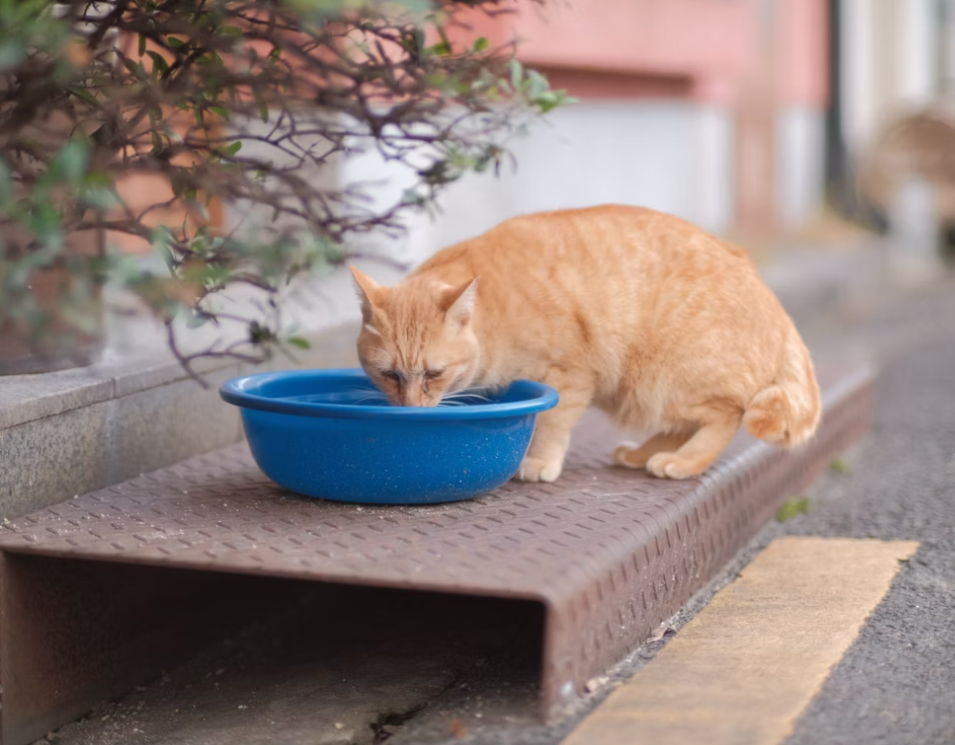
Senior Cat Nutrition: What Should Older Cats Really Eat? As cats age, their nutritional needs begin to change. A senior cat’s body processes food differently, muscle mass can decline, and appetite may shift. While you may not notice dramatic changes overnight, the diet you choose can significantly affect your older cat’s comfort, mobility, and long-term health. Understanding how to feed your senior cat well is one of the most caring things you can do for them.
When Is a Cat Considered a Senior?
Most veterinarians classify cats as senior at around 11 years old.
By 14+, they are considered geriatric.
Even if your older cat seems healthy, subtle changes in metabolism, joint health, kidney function, and digestion usually begin around this time—and nutrition becomes more important than ever.
Do Senior Cats Need a Special Senior Cat Diet?
Not always. But they do need the right balance of nutrients, especially when it comes to:
| Nutrient | Why It Matters in Senior Cats |
|---|---|
| High-Quality Protein | Maintains muscle mass and strength |
| Moderate Fat | Helps with palatability and calorie needs |
| Controlled Phosphorus | Important for kidney health |
| Omega-3 Fatty Acids | Reduces inflammation and supports mobility |
| Moisture / Hydration | Essential for kidney and urinary health |
One key difference is that senior cats actually need more high-quality protein, not less. A common misconception is that older cats should be on low-protein diets—this is usually only recommended for cats with late-stage kidney disease and should be guided by a veterinarian.
 “There is no one diet that’s ideal for all older cats. Some senior cats need more calories, while others need fewer. Some need more protein, others need less. The best diet for an older cat depends on their individual health status.” – Lisa M. Freeman, DVM, PhD, DACVIM (Nutrition) & Professor of Clinical Nutrition, Cummings School of Veterinary Medicine at Tufts University ; Source: Freeman L. “Petfoodology: Nutrition for Aging Pets,” Tufts University, Cummings School of Veterinary Medicine.
Wet vs. Dry Food for Senior Cats
Both can have a place in your cat’s diet. But wet food becomes more beneficial as cats age.
Benefits of Wet Food for Older Cats
-
Higher moisture content (supports kidneys and bladder health)
-
Easier to chew for cats with dental issues
-
Often more appealing for picky eaters
Dry Food May Still Be Useful
-
Convenient to leave out for grazers
-
Some formulas support dental health (though this effect is small)
-
Can help maintain calorie intake for underweight seniors
Best approach for most older cats:
A wet-food–based diet with dry available as needed.

Are you finding this article useful? Would you like 100% free access to more articles like these, and free access to over 5,000 vetted pet care service professionals throughout the United States? Sign up here for a free Petworks account, and we’ll email you a 10% discount code, good towards your first pet care services booking on Petworks!
How Much Should I Feed My Senior Cat?
Older cats may:
-
Lose muscle and appear thinner
-
Gain weight due to lower activity
-
Experience appetite loss due to dental pain or illness
So feeding is individual—but a good starting place is:
-
Small, frequent meals throughout the day
-
Monitor weight and body condition every 2–4 weeks
Ideal Body Clues
Your cat should:
-
Have ribs you can feel but not see
-
Maintain a visible waist when viewed from above
-
Keep strong hind-leg muscle tone
If your older cat is losing weight without trying → call your vet, as this can signal thyroid disease, diabetes, or kidney changes.
Senior Cats and Hydration
Older cats are prone to dehydration, especially if they eat mostly dry kibble.
Easy Ways to Increase Hydration
-
Offer wet food daily
-
Add a spoonful of warm water or broth (no onion/garlic) to meals
-
Provide a cat water fountain to encourage drinking
What About Cats With Kidney Disease?
Chronic kidney disease (CKD) is extremely common in senior cats.
Cats with CKD usually benefit from:
-
Lower phosphorus levels
-
Moderate to lower protein, depending on severity
-
Wet food or added fluids to prevent dehydration
But it’s important to get guidance from your veterinarian and an expert cat nutritionist before switching to a kidney diet, because early-stage kidney cats can lose vital muscle mass on the wrong food.
Healthy Supplements for Senior Cats (When Approved by a Vet)
| Supplement | Benefit |
|---|---|
| Omega-3s (Fish Oil) | Reduces inflammation and supports joints and kidneys |
| Joint Support (Glucosamine / Chondroitin) | Helps mobility and stiffness |
| Probiotics | Supports digestion and immune function |
| Vitamin B-Complex | Helps energy and appetite in many senior cats |
Avoid guessing on supplements—ask your vet which ones are appropriate.
How to Encourage a Picky Senior Cat to Eat
Loss of appetite is very common—and stressful for pet parents.
Try:
-
Warming food to enhance aroma
-
Switching to pâté or mousse textures
-
Serving food in a shallow dish to reduce whisker discomfort
-
Offering frequent smaller meals
If your cat suddenly stops eating for 24+ hours, contact your vet—older cats can develop liver complications quickly when not eating.
Frequently Asked Questions About Senior Cat Diet Nutrition
1. Do senior cats need a special diet?
Not always, but older cats benefit from high-quality protein, moderate fat, controlled phosphorus, and plenty of moisture. Special “senior formulas” can help if your cat is losing weight or showing early health issues.
2. Should I feed wet food or dry food to my senior cat?
Wet food is generally better for hydration, easier chewing, and palatability. Dry food can still be used, but wet food should make up most of the diet for senior cats.
3. How often should I feed my older cat?
Smaller, more frequent meals (2–4 times a day) are ideal. Monitor your cat’s appetite, weight, and energy levels to adjust portions.
4. What if my senior cat has kidney disease?
Cats with chronic kidney disease often need lower phosphorus and controlled protein diets, plus extra fluids. Always consult your veterinarian before changing diets for a cat with kidney disease.
5. Are supplements necessary for older cats?
Supplements like omega-3 fatty acids, joint support, and probiotics can be beneficial but should only be given under veterinary guidance. Not every cat needs supplements.
6. How can I encourage a picky senior cat to eat?
Try warming their food, offering soft textures like pâté, feeding in shallow dishes, or providing smaller, more frequent meals. Sudden loss of appetite should be evaluated by a vet.
7. How do I know if my senior cat is at a healthy weight?
Your cat should have ribs you can feel but not see, a visible waist when viewed from above, and maintain muscle on their hind legs. Weight loss or gain in senior cats warrants a vet check.
8. Can I switch my cat to a “grain-free” diet?
Grain-free diets are not necessary for most cats. What matters most is high-quality animal protein, appropriate nutrients, and calorie balance.
The Bottom Line About A Senior Cat Diet
Every senior cat is unique—but most older cats thrive on:
-
High-quality, animal-based protein
-
Wet food to support hydration
-
Regular weight and appetite monitoring
-
Veterinary checkups at least twice a year
Feeding your senior cat well is not just about nutrition. It’s about helping them stay comfortable, active, and joyful during their golden years.
About Petworks
 In 2021, Dr. Marty Goldstein DVM joined the pet care platform Petworks as an advisor in its Animal Nutrition care division. Dr Marty Nature’s Blend is on a mission to help your pets live their healthiest lives possible. Dr. Marty’s pet nutrition expertise and guidance has helped Petworks evolve and become the preeminent animal and pet nutrition consultation service for pet parents in North America.
 In 2022, Blue Buffalo Founder Bill Bishop Jr. joined Petworks as Senior Advisor in our Animal Nutrition Care Division. Bill brings his extensive expertise in pet food innovation and business leadership. His guidance helps Petworks enhance our pet nutrition service offerings, helping to ensure that pet parents throughout the world receive trusted, science-backed nutritional support for their dogs, cats, and animals.
About The Author
 Petworks Co-Founder Kevin Kinyon is a life-long animal lover who works tirelessly to improve the lives of pets and their parents. Human and animal qualities he values most are integrity, humor, and empathy.

 petworks tm








Cool blog.
Thank you for your kind words Vivienne!
Cool blog.
Thank you so much!
Great Post.
Thank You Bradley!
Great Post.
Thank you!
Cool Post.
Great Post.
thank you!
Nice blog.
thank you!