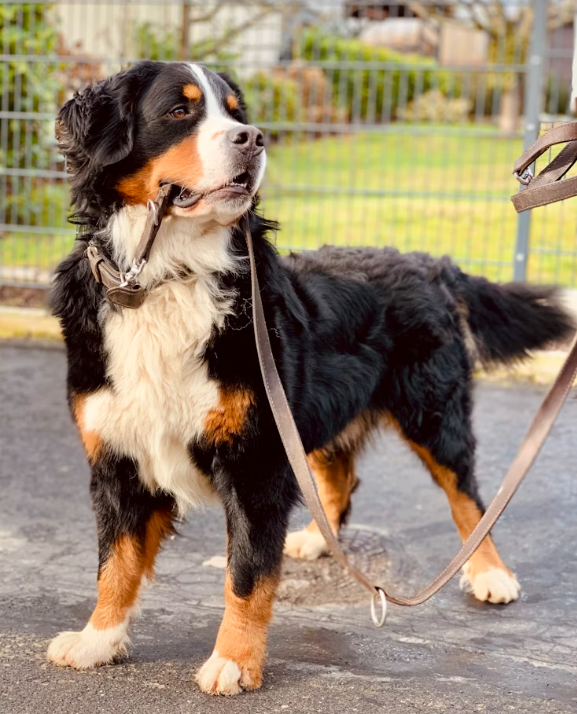
Walking your dog should be a pleasant bonding experience, but for many pet parents, it turns into a tug-of-war. If your dog is constantly pulling on the leash, it can be stressful and even dangerous. Fortunately, with the right training techniques, equipment, and consistency, you can teach your dog to walk politely by your side. This article explains why dogs pull, what you can do about it, and the best methods to turn walks into peaceful adventures.
Why Dogs Pull on the Leash
Before you fix the problem, it helps to understand why it happens. Dogs naturally walk faster than humans, and the world outside is full of exciting smells, sights, and sounds. Pulling gets them closer to what they want — whether that’s sniffing a tree, greeting another dog, or chasing a squirrel.
Other reasons for leash pulling include:
-
Lack of leash training: Puppies and even adult rescues often have never been taught proper walking etiquette.
-
High energy levels: A dog with pent-up energy is more likely to surge ahead.
-
Reinforcement of bad habits: If pulling gets them where they want to go, it reinforces the behavior.
Understanding these causes is the first step toward changing the behavior.
Choose the Right Equipment
 Using the right gear can make a big difference in controlling your dog and making training more effective.
-
Front-clip harness: A no-pull harness with a front clip gently redirects your dog when they pull, discouraging the behavior.
-
Standard 4–6 foot leash: Avoid retractable leashes — they encourage pulling by constantly keeping tension on the line.
-
Comfortable collar: If you use a collar, make sure it’s well-fitted and not too tight.
While equipment alone won’t solve the problem, it gives you more control and sets the stage for successful leash training.
Teach Loose-Leash Walking
Loose-leash walking means your dog walks by your side with the leash relaxed. Here’s a simple step-by-step process to teach it:
-
Start indoors or in a low-distraction area.
Practice where your dog won’t be overwhelmed by smells or sounds. -
Reward position, not pulling.
Hold treats in your hand or a pouch. Every time your dog walks beside you or looks up at you, reward them with praise and a treat. -
Stop moving when they pull.
If the leash gets tight, stand still. Wait until your dog returns to you or the leash slackens, then start walking again. This teaches them that pulling stops the fun. -
Use a cue word.
Say “Let’s go!” or another cue when you start walking. Over time, your dog will learn this means it’s time to move together. -
Gradually add distractions.
Once your dog masters this indoors, practice outside, first in quiet areas, then in busier environments.
Consistency is key. The more consistent you are about rewarding a loose leash and stopping for pulling, the faster your dog will catch on.

Are you finding this article useful? Would you like 100% free access to more articles like these, and free access to over 5,000 vetted pet care service professionals throughout the United States? Sign up here for a free Petworks account, and we’ll email you a 10% discount code, good towards your first pet care services booking on Petworks!
Try the “Change Direction” Technique
One of the simplest ways to teach your dog that you are in charge of the walk is to change direction whenever they pull.
-
When the leash tightens, turn and walk the other way.
-
Praise and reward your dog when they follow you.
This teaches them to pay attention to you instead of charging ahead. It may feel like you’re zigzagging at first, but over time, your dog will start watching your movements and staying closer.
“Dogs pull on their leash for a lot of reasons. Sometimes it’s from excitement, sometimes an excess of energy, and sometimes because of an inappropriate environment or equipment choice. Sometimes it’s the mismatch between human and dog tendencies. … Dogs pull because it gets them where they want to go … If pulling gets them something desirable, they’ll pull more.” – Jill Hassevoort, certified training partner through the Karen Pryor Academy
Provide Physical and Mental Exercise
Sometimes leash pulling is a sign of excess energy. A tired dog is a better-behaved dog.
-
Exercise before the walk: Play fetch or tug for a few minutes to burn off energy.
-
Use sniffing breaks: Let your dog sniff as a reward for walking nicely — sniffing is mentally stimulating and calming.
-
Incorporate training games: Practice “sit,” “stay,” and “heel” during walks to engage your dog’s brain.
Meeting your dog’s physical and mental needs will make leash training much easier.
Avoid Punishment-Based Methods
Some people turn to choke chains, prong collars, or leash-jerking techniques to stop pulling. While these may suppress pulling temporarily, they can cause pain, fear, and long-term behavior issues. Positive reinforcement training is safer and builds a stronger bond between you and your dog.
Be Patient and Consistent
Leash training doesn’t happen overnight. Some dogs catch on quickly, while others take weeks or even months. Stay patient, use consistent cues, and celebrate small improvements. Short, frequent training sessions work better than long, frustrating walks.
When to Seek Professional Help
If your dog’s pulling is extreme, or if you feel unsafe on walks, consider working with a certified dog trainer or behaviorist. They can observe your dog’s behavior in person and tailor a training plan to your situation.
Look for a trainer who uses positive reinforcement techniques and has credentials from organizations like:
-
CPDT-KA (Certified Professional Dog Trainer – Knowledge Assessed)
-
IAABC (International Association of Animal Behavior Consultants)
-
Fear Free Certified Professional
Professional guidance can make the process faster and less stressful for both you and your dog.
The Benefits of Teaching Loose-Leash Walking
When you stop your dog from pulling on the leash, you’ll notice big improvements in your daily life:
-
Safer walks: Less risk of injury from sudden lunges.
-
Better bonding: Walks become a shared experience instead of a battle.
-
Increased freedom: Your dog will be welcome in more public spaces if they have good manners.
-
Less stress: You’ll look forward to walks instead of dreading them.
Teaching leash manners is one of the best investments you can make in your dog’s overall wellness.
Stopping your dog from pulling on the leash takes time, but it’s worth the effort. By choosing the right equipment, using positive reinforcement, and being patient, you can turn chaotic walks into calm, enjoyable outings. Remember, your dog isn’t pulling to be stubborn, they’re just excited. With consistent training and plenty of rewards, they’ll learn that walking politely is just as fun.
About Petworks
 In 2021, Dr. Marty Goldstein DVM joined the pet care platform Petworks as an advisor in its Animal Nutrition care division. Dr Marty Nature’s Blend is on a mission to help your pets live their healthiest lives possible. Dr. Marty’s pet nutrition expertise and guidance has helped Petworks evolve and become the preeminent animal and pet nutrition consultation service for pet parents in North America.
 In 2022, Blue Buffalo Founder Bill Bishop Jr. joined Petworks as Senior Advisor in our Animal Nutrition Care Division. Bill brings his extensive expertise in pet food innovation and business leadership. His guidance helps Petworks enhance our pet nutrition service offerings, helping to ensure that pet parents throughout the world receive trusted, science-backed nutritional support for their dogs, cats, and animals.
About The Author
 Petworks Co-Founder Kevin Kinyon is a life-long animal lover who works tirelessly to improve the lives of pets and their parents. Human and animal qualities he values most are integrity, humor, and empathy.

 petworks tm