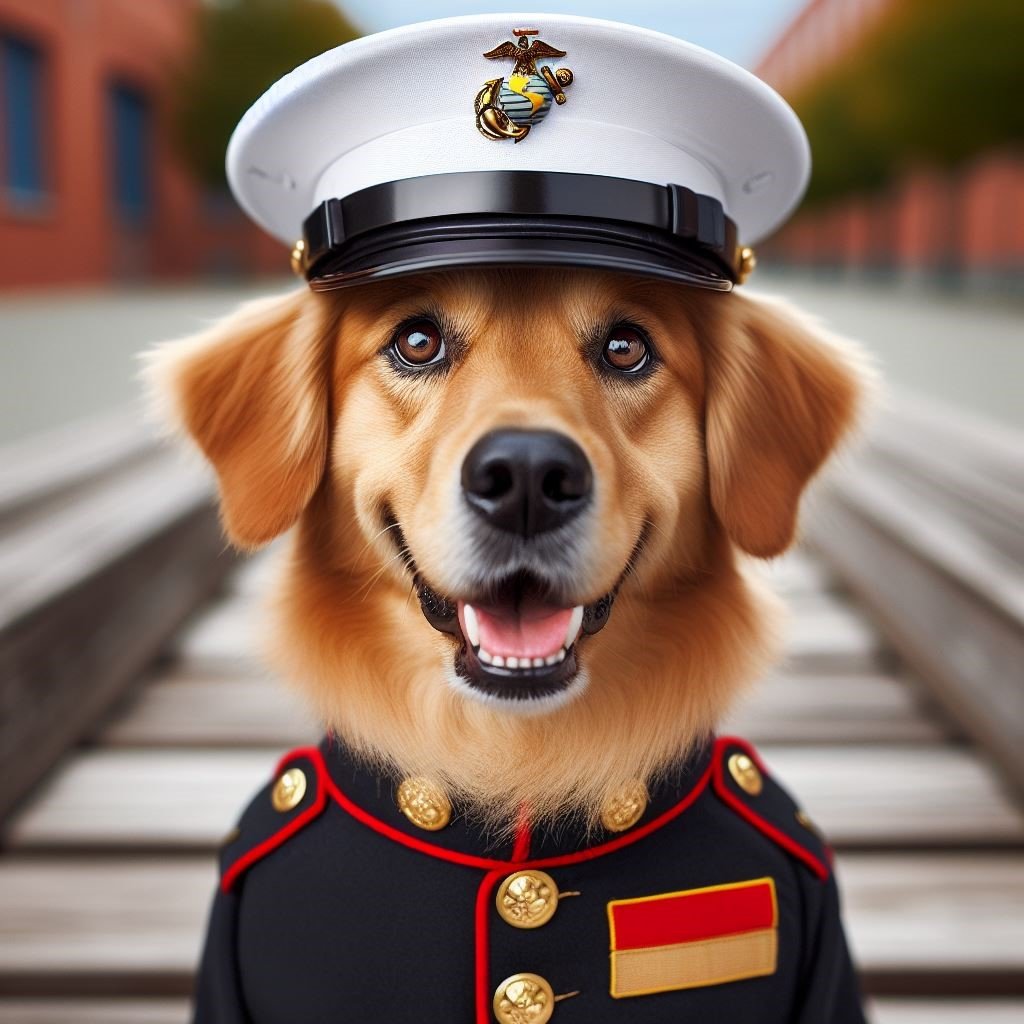
For military families, frequent relocations are a part of life. Each Permanent Change of Station (PCS) move presents unique challenges, especially when pets are part of the family. In this article, I provide a comprehensive overview of what military families need to know about traveling with pets, and how to best ensure a smooth and stress-free transition for both pet parents and their furry companions. Military Travel With Pets: A Comprehensive Guide.
Understanding the Basics of PCS Moves
 A PCS move involves a military service member’s relocation to a new duty station, often accompanied by their family. These moves can be domestic or international, and each type requires careful planning. Pets add another layer of complexity, necessitating early preparation and attention to detail.
Preparing for the Move
Research and Planning
- Early Start: Begin planning as soon as you receive PCS orders. Early planning is crucial, particularly if the destination has specific requirements for pets.
- Destination Requirements: Research the pet import regulations for your new duty station. Countries and even states have varying requirements for vaccinations, quarantine, and paperwork.
- Military Resources: Utilize military resources such as the Transportation Management Office (TMO) and the Relocation Assistance Program. These resources provide valuable information and assistance.
Veterinary Visits
- Health Check: Schedule a comprehensive health check for your pet. Ensure all vaccinations are up to date and obtain a health certificate from your veterinarian.
- Microchipping: If your pet isn’t already microchipped, consider having this done. It is often required for international travel and provides an extra layer of security.
- Medications: Ensure you have enough of any necessary medications to last through the move and initial settling-in period.
Transportation Options
Air Travel
- Commercial Airlines: Many military families opt to fly their pets on commercial airlines. Research airlines to find one with pet-friendly policies and book flights well in advance.
- Military Flights: Space-Available (Space-A) flights can be an option, but availability for pets is limited. Check with your local military installation for specifics.
- Pet Carriers: Invest in an airline-approved pet carrier. Your pet should be comfortable and able to stand, turn around, and lie down inside the carrier.
Ground Transportation
- Driving: If you are driving to your new duty station, plan pet-friendly stops and overnight accommodations. Ensure your pet is comfortable with car travel and use a secure pet carrier or restraint system.
- Pet Transport Services: Consider professional pet transport services if driving isn’t feasible. These services can handle logistics and ensure safe transportation for your pet.
Documentation and Legal Requirements
Health Certificates
Most destinations require a health certificate issued by a licensed veterinarian within a certain time frame before travel. This certificate confirms that your pet is healthy and free of contagious diseases.
Vaccination Records
Keep detailed vaccination records, as these are often required at both departure and arrival points. Rabies vaccinations are particularly important and may need to be administered within a specific period before travel.
Import Permits
Some countries require import permits for pets. These permits must be obtained in advance and presented upon arrival. Check with the embassy or consulate of your destination country for specific requirements.
Quarantine Regulations
Certain destinations impose quarantine periods on incoming pets. The duration and conditions of quarantine can vary, so understanding these requirements ahead of time is crucial. Some locations offer quarantine at home under specific conditions.
On the Day of Travel
Final Preparations
- Feeding: Avoid feeding your pet large meals right before travel. A light meal a few hours before departure is best to prevent motion sickness.
- Exercise: Give your pet plenty of exercise before traveling to help them relax during the journey.
- Identification: Ensure your pet has a collar with an ID tag, and their microchip information is up to date.
At the Airport
- Arrive Early: Arrive at the airport early to allow time for pet check-in procedures. Each airline has different requirements for when pets need to be checked in.
- Security Screening: Be prepared for your pet’s carrier to be inspected at security checkpoints. Have a leash handy for when you need to remove your pet from the carrier.
During the Flight
- In-Cabin Travel: If your pet is small enough to travel in the cabin, ensure they remain in their carrier under the seat in front of you throughout the flight.
- Cargo Travel: For larger pets traveling in the cargo hold, confirm with the airline that the cargo area is climate-controlled. Ensure your pet’s carrier is labeled with your contact information and destination details.
Arrival and Settling In
Post-Travel Veterinary Check
Upon arrival, schedule a veterinary appointment to confirm your pet’s health and address any potential travel-related stress or issues.
Acclimating to a New Environment
- Familiar Items: Help your pet adjust by surrounding them with familiar items such as their bed, toys, and blankets.
- Routine: Establish a new routine as quickly as possible to provide your pet with a sense of stability.
- Exploration: Allow your pet to explore their new environment at their own pace, and supervise outdoor time until they are comfortable and safe.
Addressing Behavioral Changes
Pets can exhibit stress-related behaviors after a move. Monitor your pet for signs of anxiety or discomfort, and consult a veterinarian or a pet behaviorist if needed.
Utilizing Military Support Services
- Veterinary Treatment Facilities: Many military installations have veterinary clinics that provide care for pets. These facilities can be a valuable resource for ongoing health care needs.
- Family Support Programs: Various programs are available to assist with the challenges of moving, including those related to pets. The Army’s Family and Morale, Welfare, and Recreation (MWR) program and similar services in other branches can offer support.

Are you finding this article useful? Would you like 100% free access to more articles like these, and free access to over 5,000 vetted pet care service professionals throughout the United States? Sign up here for a free Petworks account, and we’ll email you a 10% discount code, good towards your first pet care services booking on Petworks!
Military travel with pets requires thorough preparation and a clear understanding of the logistical and legal requirements. By starting the process early, utilizing available resources, and prioritizing the well-being of your pet, you can ensure a successful transition to your new duty station. Remember, while the process can be complex, the joy and comfort your pet provides make the effort worthwhile.
About Petworks
 In 2021, Dr. Marty Goldstein DVM joined the pet care platform Petworks as an advisor in its Animal Nutrition care division. Dr Marty Nature’s Blend is on a mission to help your pets live their healthiest lives possible. Dr. Marty’s pet nutrition expertise and guidance has helped Petworks evolve and become the preeminent animal and pet nutrition consultation service for pet parents in North America.
 In 2022, Blue Buffalo Founder Bill Bishop Jr. joined Petworks as Senior Advisor in our Animal Nutrition Care Division. Bill brings his extensive expertise in pet food innovation and business leadership. His guidance helps Petworks enhance our pet nutrition service offerings, helping to ensure that pet parents throughout the world receive trusted, science-backed nutritional support for their dogs, cats, and animals.
About The Author
 Petworks Co-Founder Kevin Kinyon is a life-long animal lover who works tirelessly to improve the lives of pets and their parents. Human and animal qualities he values most are integrity, humor, and empathy.

 petworks tm