
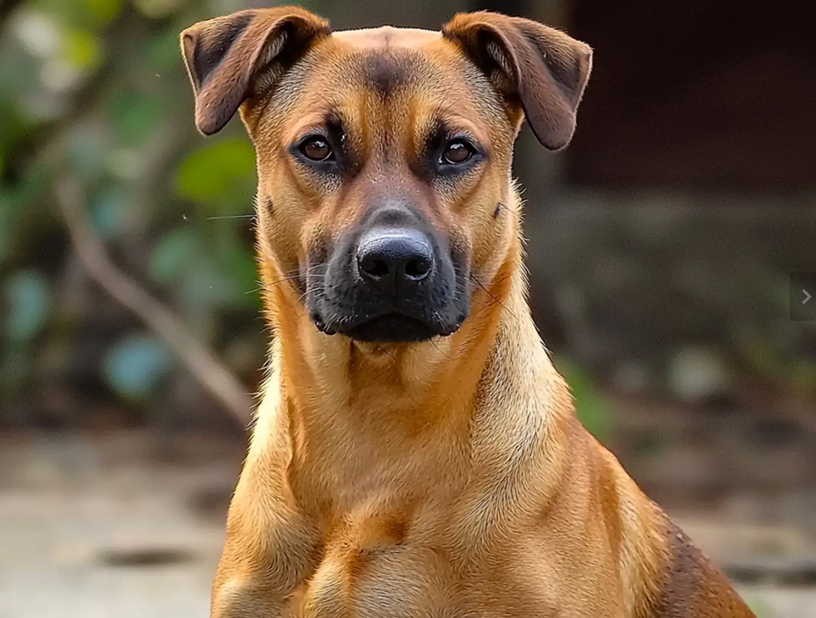
Introduction to the Kombai Dog Breed. Health Care, Nutrition, Wellness, and Training. The Kombai dog, also known as the Indian Bore Hound, is a rare and ancient breed that originates from Tamil Nadu, India. Known for their strength, loyalty, and natural hunting instincts, these dogs have been used for centuries as guard dogs and hunting companions. Unlike many other Indian breeds, the Kombai has retained its pure lineage and continues to be a preferred choice among traditional dog lovers. With their muscular build, deep-set eyes, and strong jaws, Kombais are both agile and powerful. This article explores their health care, nutrition, and training to ensure optimal well-being for this remarkable breed.
 Origin and History
The Maravars, an ancient Tamil warrior community, developed the Kombai breed in the 15th century to hunt wild boars, deer, and other large prey in the forests of South India. They also trained Kombais as war dogs to protect fortresses and assist in military operations. Their resilience to harsh climates and their fearless temperament made them invaluable to Tamil warriors and kings. Despite the growing popularity of foreign breeds, the Kombai has maintained its presence in rural Indian households as an exceptional guard dog.
Physical Characteristics and Temperament
Kombai dogs are medium-sized, with a compact and muscular build. They typically weigh between 35-50 pounds (16-23 kg) and stand about 20-25 inches (51-64 cm) tall. They have short, dense coats that are typically reddish-brown with a black muzzle. Their ears are semi-erect, and their tails are slightly curved.
Kombais are known for their intelligence, loyalty, and fierce protective nature. They are naturally territorial and make excellent watchdogs. While they can be affectionate toward their family, they tend to be wary of strangers, making early socialization crucial. Unlike some other breeds, the Kombai is not overly friendly or playful but is highly devoted to its owner.
Health Care and Common Health Concerns
Kombai dogs are generally healthy and have a strong immune system due to their genetic adaptation to the Indian climate. However, like all breeds, they are susceptible to certain health issues:
Hip Dysplasia – As an active breed, Kombais can develop hip dysplasia, a condition where the hip joint does not fit properly into the socket. Regular exercise and maintaining a healthy weight can help prevent this.
Skin Infections – Due to their short coats, Kombais are prone to skin infections, especially in humid climates. Regular grooming and hygiene can help prevent skin conditions.
Parasites and Ticks – Living in rural or outdoor environments exposes Kombais to ticks and fleas. Routine veterinary checkups and preventive treatments are essential.
Bloat (Gastric Torsion) – This breed, like many deep-chested dogs, can be prone to bloat, a serious condition where the stomach fills with gas and twists.
Routine veterinary care, vaccinations, and preventive treatments are essential to maintaining a Kombai’s health.
 Best Nutrition for Kombai Dogs
Proper canine nutrition is vital for the Kombai’s energy levels, muscle development, and overall well-being. Their diet should consist of high-quality protein, healthy fats, and essential vitamins and minerals.
Protein-Rich Diet – Since Kombais are highly active, they require a diet rich in animal protein, such as chicken, fish, and lamb. Homemade meals with fresh meat, rice, and vegetables are often preferred.
Essential Fats – Healthy fats from fish oil, coconut oil, and flaxseeds contribute to their coat health and joint function.
Carbohydrates – Moderate amounts of carbohydrates like brown rice, sweet potatoes, and millet can provide energy.
Calcium and Joint Supplements – Since Kombais are prone to joint issues, calcium supplements or natural sources like eggshell powder and yogurt are beneficial.
Hydration – Fresh water should always be available, especially in hot climates.
Avoid processed foods, excessive grains, and artificial additives, as these can cause digestive issues and allergies.
“If they love you, they’ll protect you with their life.” – Reddit User
Training a Kombai Dog
Kombais are intelligent but independent thinkers, making training a challenging yet rewarding experience. They respond well to firm and consistent training methods.
Early Socialization – Start socializing your Kombai puppy with different people, pets, and environments from an early age. This reduces aggression and territorial behavior.
Positive Reinforcement – Reward-based canine training with treats, praise, and toys works best. Harsh training methods should be avoided, as they can lead to fear-based aggression.
Obedience Training – Basic commands like ‘Sit,’ ‘Stay,’ and ‘Come’ should be taught early. Due to their strong hunting instincts, leash training is crucial.
Guard Dog Training – Kombais naturally excel in guarding, but proper training ensures they do not become overly aggressive. Controlled exposure to strangers helps them distinguish between threats and non-threats.
Exercise and Mental Stimulation – Daily exercise, running, and agility activities help manage their energy levels and prevent destructive behavior.

Are you finding this article useful? Would you like 100% free access to more articles like these, and free access to over 5,000 vetted pet care service professionals throughout the United States? Sign up here for a free Petworks account, and we’ll email you a 10% discount code, good towards your first pet care services booking on Petworks!
Grooming and Overall Wellness
Kombais require minimal grooming due to their short coats. However, maintaining their hygiene is essential:
Brushing – Weekly brushing helps remove loose hair and prevents skin infections.
Bathing – Bathe them once a month or when necessary. Overbathing can strip natural oils from their skin.
Dental Care – Regular brushing of their teeth prevents gum diseases.
Ear Cleaning – Checking and cleaning their ears prevents infections, especially if they are active outdoors.
Nail Trimming – Their nails should be trimmed regularly to prevent overgrowth and injuries.
Socialization
Kombai dogs are naturally protective and alert, which makes them excellent guard dogs, but it also means they tend to be wary of strangers.
-
With proper socialization from a young age, they can learn to tolerate unfamiliar people without being overly aggressive.
-
Without early socialization, they may be suspicious or defensive toward anyone outside their family.
-
They usually bond strongly with their owners and may show loyalty and affection to family members, but always stay cautious around newcomers.
Additional Kombai Dog Breed Wellness Tips
Kombai dogs are active, intelligent, and loyal, requiring holistic wellness care that goes beyond basic nutrition and grooming.
Mental Stimulation and Enrichment
Keep your Kombai mentally sharp with interactive toys, puzzle feeders, scent games, and obedience training. Regular enrichment prevents boredom, reduces stress, and supports healthy behavior.
Socialization and Emotional Health
Early and consistent socialization helps Kombais manage their natural guarding instincts. Introduce them to new people, pets, and environments to build confidence and reduce fear or aggression.
Preventive Health Care
Ensure your Kombai stays healthy with:
-
Routine vaccinations, deworming, and parasite prevention
-
Dental care through brushing, chews, and vet checkups
-
Safe living conditions, including secure fencing, shelter, and temperature protection
Life-Stage Care
Adjust care as your Kombai grows: structured training for puppies, regular exercise and enrichment for adults, and joint support plus health screenings for seniors. Monitoring weight, mobility, and nutrition promotes long-term wellness.
Behavioral and Emergency Preparedness
Use positive reinforcement, controlled social exposure, and relaxation training to manage protective instincts. Be prepared for emergencies, knowing signs of bloat, heat stress, or injury, and keep a first-aid kit handy.
Breed-Specific Considerations
Kombais may need extra care in cold or dry climates. Provide warm bedding, adequate hydration, and work with responsible breeders to minimize hereditary issues like hip dysplasia or skin problems.
Why Choose a Kombai Dog?
Kombais are perfect for experienced dog owners who need a loyal and protective companion. They are best suited for spacious environments where they can freely roam and guard. Their low-maintenance grooming, strong immunity, and natural guarding abilities make them an excellent choice for those seeking a reliable watchdog.
However, they may not be suitable for first-time dog owners or those looking for a highly social and playful breed. They require firm training, early socialization, and a dedicated owner who understands their independent nature.
India Dogs
The Kombai is a robust and intelligent breed with a rich history rooted in South India. With proper health care, a balanced diet, and consistent training, they can live a long and healthy life, providing protection and companionship to their owners. If you are looking for a fearless and devoted guard dog with a strong territorial instinct, the Kombai may be the ideal breed for you.
About Petworks
 In 2021, Dr. Marty Goldstein DVM joined the pet care platform Petworks as an advisor in its Animal Nutrition care division. Dr Marty Nature’s Blend is on a mission to help your pets live their healthiest lives possible. Dr. Marty’s pet nutrition expertise and guidance has helped Petworks evolve and become the preeminent animal and pet nutrition consultation service for pet parents in North America.
 In 2022, Blue Buffalo Founder Bill Bishop Jr. joined Petworks as Senior Advisor in our Animal Nutrition Care Division. Bill brings his extensive expertise in pet food innovation and business leadership. His guidance helps Petworks enhance our pet nutrition service offerings, helping to ensure that pet parents throughout the world receive trusted, science-backed nutritional support for their dogs, cats, and animals.
About The Author
 Petworks Co-Founder Kevin Kinyon is a life-long animal lover who works tirelessly to improve the lives of pets and their parents. Human and animal qualities he values most are integrity, humor, and empathy.

 petworks tm









Thanks for posting!