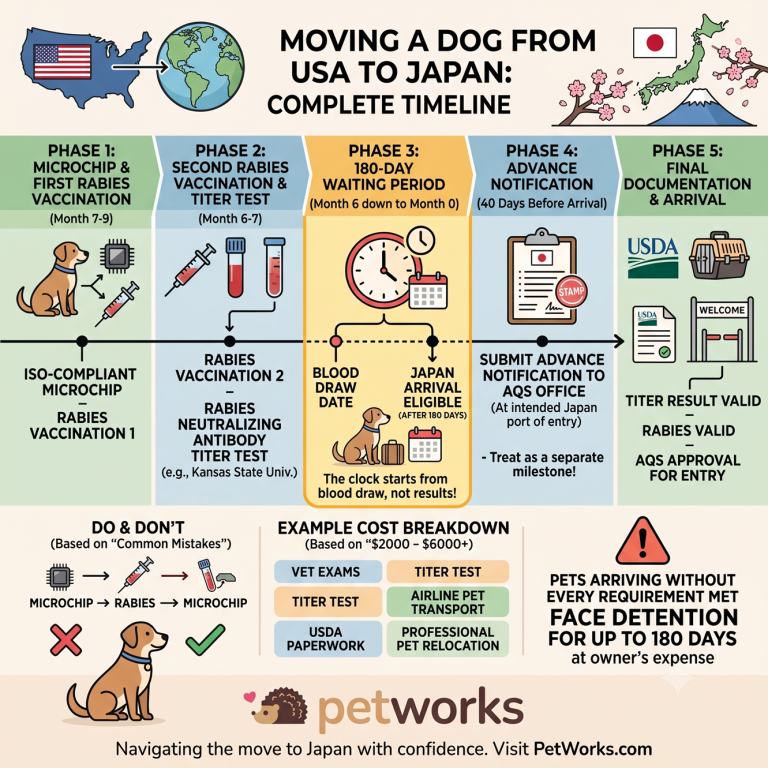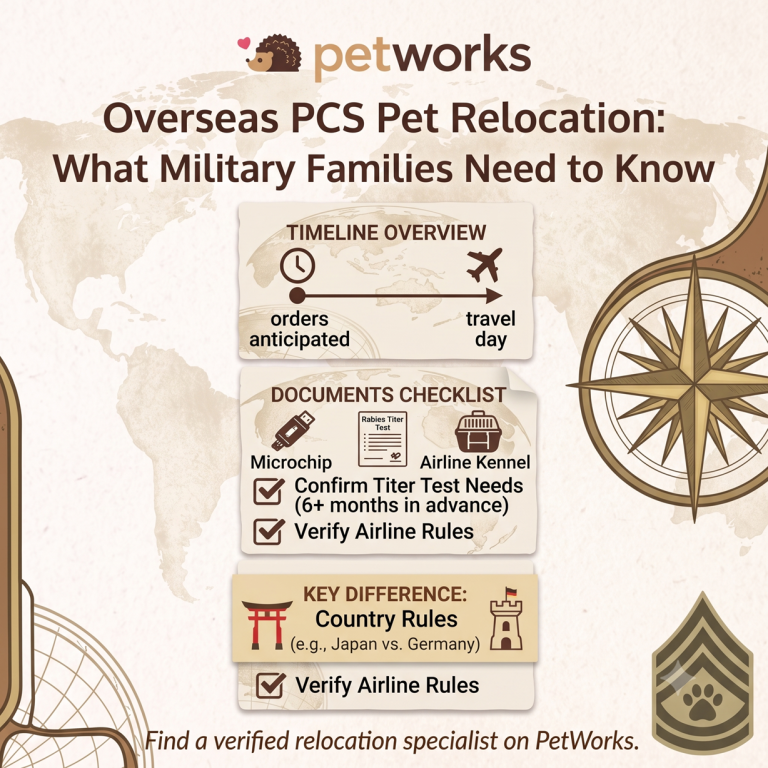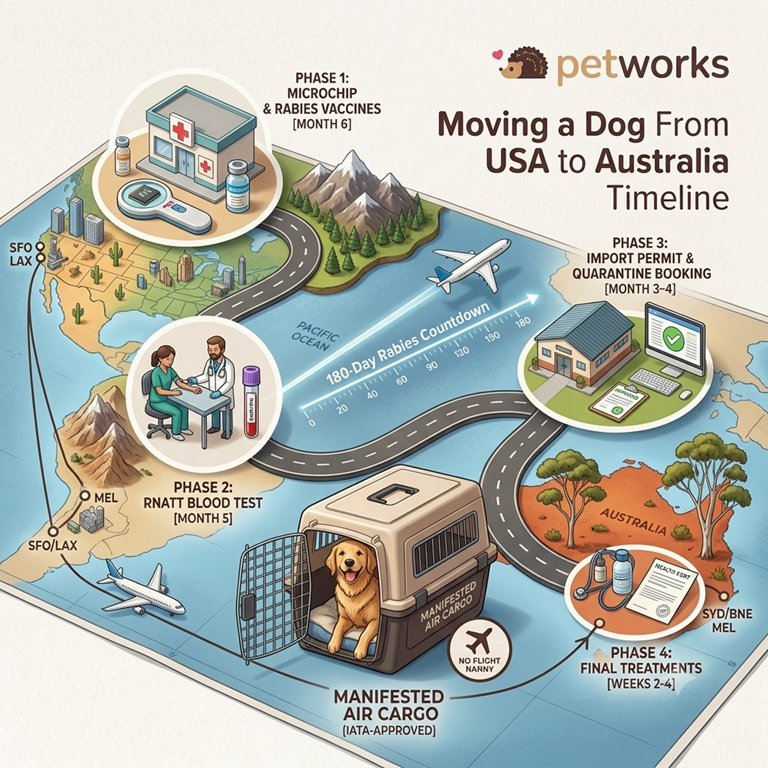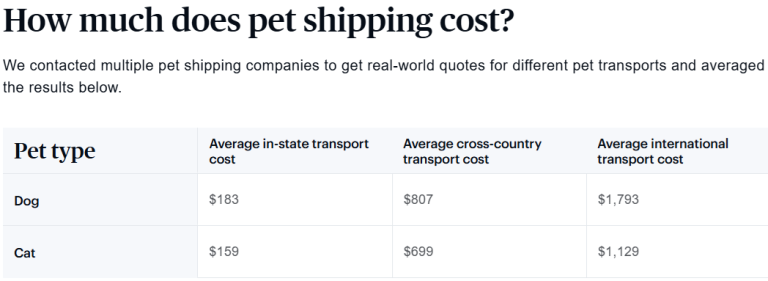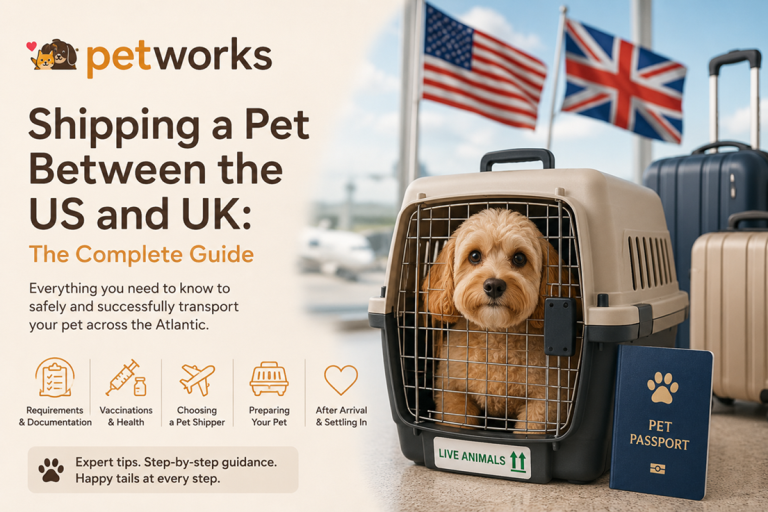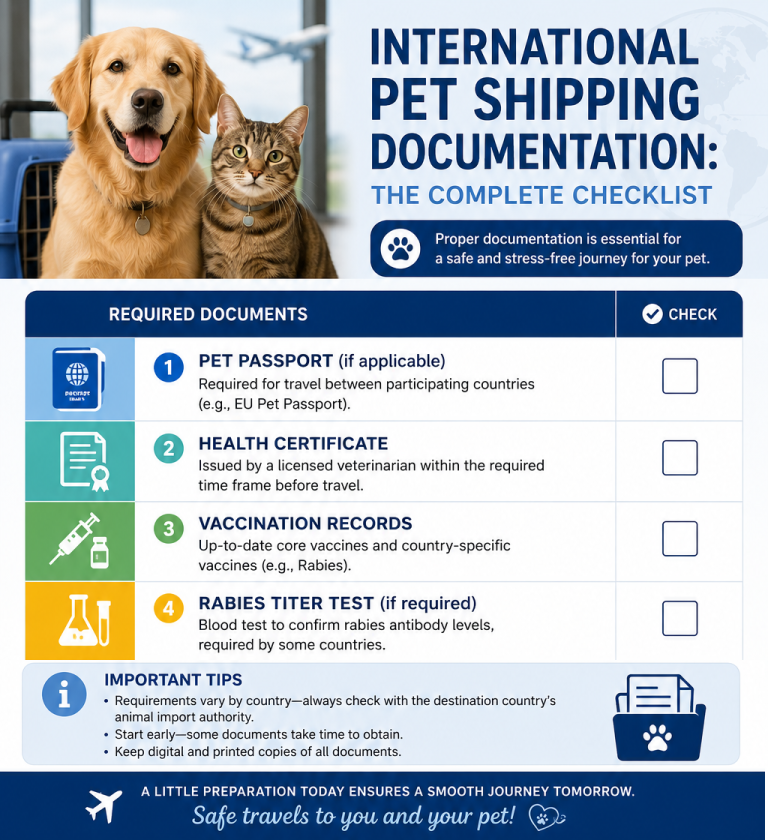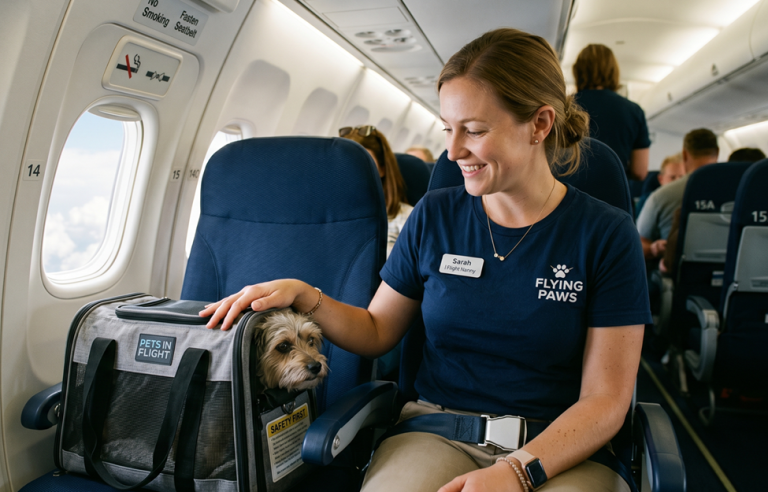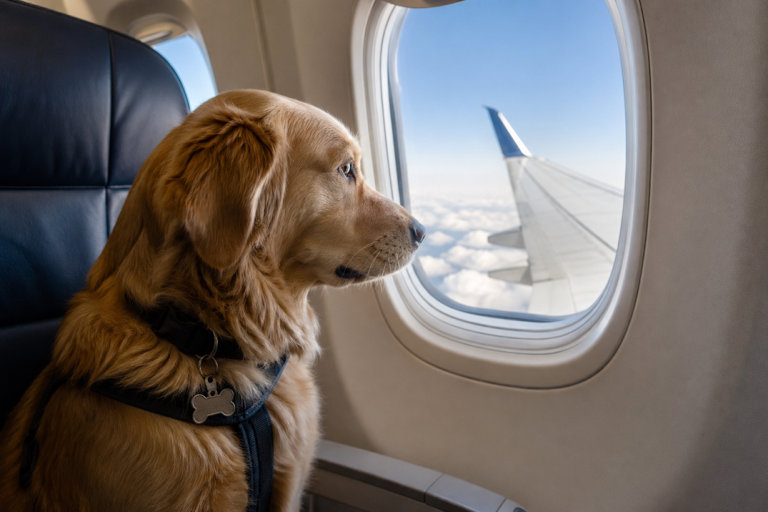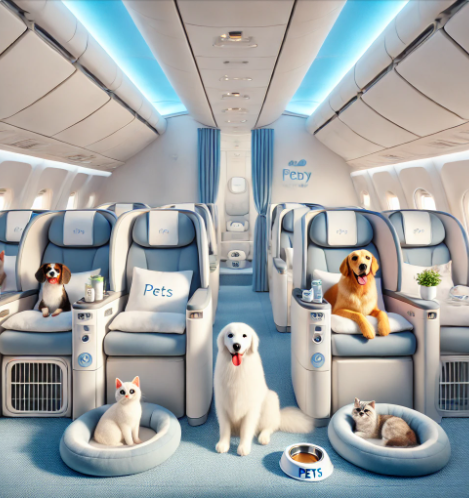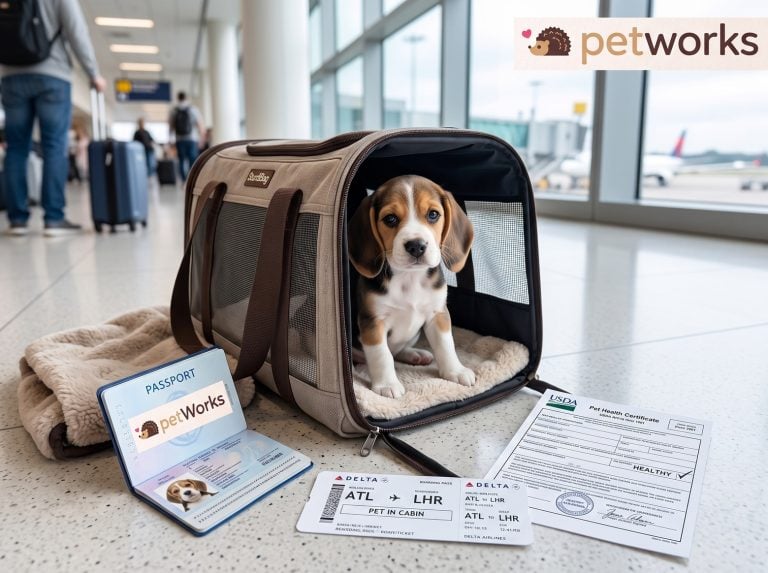
The Iran conflict’s travel costs for pets are enormous. The war that erupted in late February 2026 — when joint U.S.-Israeli airstrikes targeted Iranian leadership and military infrastructure — sent shockwaves far beyond the Middle East. Oil markets spiked. Airspace closed across the region. Thousands of commercial flights were cancelled or rerouted overnight. And while most news coverage has understandably focused on human travelers and global economics, there’s a quieter ripple effect that pet owners and pet transport professionals are now contending with: the rising cost of moving animals safely by air. (more…)
Category: International Pet Shippers Guide

Ensure safe and affordable international travel for all your family members, including pets, with a trusted international pet shipping service. USDA-registered and IPATA-accredited shippers uphold the highest standards in pet travel. USDA registration ensures compliance with U.S. animal welfare laws, while IPATA membership reflects adherence to global best practices in pet transport. These credentials guarantee a reliable, safe, and compassionate approach to international pet relocation. With numerous reputable companies available, relocating your pet to or from the United States is easier than ever.
When hiring an international pet shipper, pet parents should prioritize the safety and comfort of their pets. Research the company’s reputation, ensuring they have experience with international regulations and animal handling. Verify that they provide proper documentation, veterinary care, and a secure, climate-controlled environment during transit. Clear communication, transparency about costs, and contingency plans for delays or emergencies are essential. Choosing a company with positive reviews and accredited by relevant authorities ensures a stress-free experience for both pets and their parents.
International pet shipping is indeed expensive due to a variety of specialized services and regulations designed to ensure the safe and smooth transport of animals. Here are the key reasons why pet shipping costs are so high:
Handling and Care
Shipping live animals requires professional care, training, and equipment. Pet shipping companies must have trained staff, proper facilities, and specific handling processes to keep pets safe and comfortable throughout the journey. This need for specialized care and resources raises the overall cost.
Documentation and Paperwork
Shipping pets internationally requires preparing health certificates, permits, and customs paperwork. These legal documents must be prepared accurately to meet the requirements of both the sending and receiving countries. This administrative process can be complex, time-consuming, and expensive, often requiring professional assistance to avoid mistakes.
Transportation Logistics
Booking flights and coordinating ground transport for pets can be complex. Ensuring that pets are transported safely, with the proper schedules, while adhering to airline regulations and customs procedures requires extensive planning. Ground transportation between airports, quarantine facilities, and homes adds further logistical costs.
Veterinary Services and Vaccinations
Pets traveling internationally often need vaccinations, medical examinations, blood tests, and treatments to meet the health standards of the destination country. The cost of these veterinary services, which must be done prior to travel, contributes significantly to the overall expense.
Safety Measures and Regulations
Pet shipping companies must comply with strict safety regulations regarding containers, crates, ventilation, and temperature control. These regulations are in place to ensure the well-being of pets during long flights or transport periods, and meeting these requirements often requires investing in high-quality, approved carriers, further increasing costs.
Insurance Coverage
Many pet shipping companies offer insurance to cover potential risks during the transportation process, including delays, health issues, or loss. This insurance helps mitigate risks but adds to the total cost.
The overall expense of international pet shipping reflects the specialized nature of the service and the multiple factors involved in ensuring pets are transported safely and legally.
Book a licensed, timely, and affordable international pet shipping company on Petworks today.
Which Airline Is Actually The Most Pet-Friendly Overall?
The Most Pet Friendly Airlines in 2026. If you’re planning to fly with your pet, you might wonder which airlines are the most pet-friendly. Here’s a list of top airlines for pet travel, including those commonly referred to by PetWorks, along with some general pet policies to keep in mind.
Choosing the Right Airline
Selecting an airline depends on factors like your destination, the weather, your pet’s size, and its breed. Many airlines have tightened their pet policies, and some no longer accept pets. Be sure to understand both the airline’s requirements and the pet import rules for your destination before booking.
Most Pet-Friendly Airlines 2026
- Alaska Airlines
- Frontier
- American Airlines
- British Airways
- Hawaiian Airlines
- KLM
- Lufthansa
- Qantas Airways
- Air New Zealand
Top Rated & “Best” Airlines in 2026
-
“Which airline is actually the most pet-friendly overall?” * The Consensus: Alaska Airlines consistently ranks #1 due to its low fees ($100), generous allowance (up to 2 pets per passenger with an extra seat), and transparent policies.
-
The Runner Up: Frontier is frequently cited for allowing the widest variety of pets (rabbits, guinea pigs, and hamsters) in the cabin.
-
Key Considerations
Pet Travel Options
Airlines may allow pets to travel in the cabin, as checked baggage, or as cargo. Not all airlines offer all options, and availability depends on factors like the aircraft, destination, and your pet’s size. Note that not every flight can accommodate animals, so your pet may need to fly separately.
Breed Restrictions
Brachycephalic (snub-nosed) breeds, like Bulldogs or Persians, often face restrictions due to their sensitivity to temperature changes and stress. These rules prioritize safety but can be frustrating. Discuss your plans with a vet if your pet is a snub-nosed breed.
Some airlines also restrict certain strong-jawed or “dangerous” dog breeds. These breeds may require reinforced kennels or face additional conditions.
Expert Insight: Prioritizing Your Pet’s Wellness
“I recommend scheduling a pre-trip checkup with your veterinarian to confirm your pet’s health and vaccinations. Following airline and travel safety guidelines is critical to protecting your furry companion every step of the way—it’s about ensuring their physical and emotional comfort from takeoff to landing.” – Dr. Carol McConnell, DVM, MBA
Weather Restrictions
Airlines enforce weather-related rules to protect pets from extreme heat or cold. Travel may be prohibited if temperatures exceed 85°F or drop below 45°F along your pet’s route. Some airlines allow travel in colder weather (as low as 20°F) with a vet’s acclimation certificate.
Sedation Policies
Most airlines, along with the American Veterinary Medical Association, strongly discourage sedating pets before flying. Sedation increases the risk of disorientation, anxiety, or medical complications, especially at high altitudes. Reputable pet transport companies, like Petworks, won’t accept sedated animals.

Are you finding this article useful? Would you like 100% free access to more articles like these, and free access to over 5,000 vetted pet care service professionals throughout the United States? Sign up here for a free PetWorks account, and we’ll email you a 10% discount code, good towards your first pet care services booking on PetWorks!
Common Airline Policies
- Service Animals: Special accommodations are made for verified service animals, but rules vary by airline.
- In-Cabin Pets: Pets must travel in carriers that fit under the seat and are large enough for them to stand and lie down comfortably. Seat dimensions differ by airline and aircraft.
- Checked Baggage or Cargo: Kennels must meet strict International Air Transport Association (IATA) standards for safety and comfort.
- Advance Reservations: Book early, as airlines limit the number of pets on flights. Cargo bookings typically open 10–30 days before departure.
Work with Professionals
Consult a professional pet transport company as soon as possible if your pet needs to fly. Whether it’s a short trip or an international pet shipping journey, experts can help navigate airline policies and recommend the best flights for your pet’s comfort and safety.
Peace of mind is key when flying with your four-legged family member. Understanding the rules and working with professionals ensures a smoother journey for both you and your pet.
Frequently Asked Questions About Flying With Pets
Which airline is the best for flying with a dog or cat? While “best” depends on your destination, Alaska Airlines is widely considered the most pet-friendly carrier due to its low fees ($100), high safety ratings, and flexible policies that allow up to two pets per passenger with the purchase of an adjacent seat. Frontier Airlines is another top choice for those traveling with unique pets like rabbits or guinea pigs.
How much does it cost to fly with a pet in 2026? Most major U.S. airlines charge between $95 and $150 each way for a pet in the cabin. Currently, Delta and Alaska offer some of the lowest rates (around $95–$100), while United and American Airlines have fees closer to $125–$150. International pet travel fees are significantly higher and vary by route.
Can I buy a separate seat for my dog? Yes, some airlines like Alaska Airlines and JSX allow you to purchase an extra seat for your pet. However, on most commercial flights, even with an extra seat, your pet must remain in an airline-approved carrier under the seat in front of you for the duration of the flight.
What are the size requirements for a pet carrier on a plane? Every airline has slightly different dimensions, but a general rule is 18″ x 11″ x 11″. The carrier must be leak-proof and well-ventilated, and your pet must be able to stand up and turn around comfortably inside. Soft-sided carriers are recommended as they “squish” more easily to fit under different aircraft seat types.
Do airlines allow “Snub-Nosed” (Brachycephalic) breeds to fly? Many airlines have restricted snub-nosed breeds (like Pugs, Bulldogs, and Persian cats) from traveling in the cargo hold due to respiratory risks. However, most airlines still allow these breeds to travel in the cabin as long as they fit in an approved carrier. Always check the specific “Breed Restriction” list for your airline before booking.
What documents do I need to fly with my pet? At a minimum, you will need a Veterinary Health Certificate issued within 10 days of your travel date and proof of rabies vaccination. For international travel, you may need an EU Pet Passport or USDA-endorsed paperwork. Digital copies are becoming more common, but we recommend carrying physical copies at all times.
Do emotional support animals (ESAs) fly for free? No. As of 2021, the U.S. Department of Transportation no longer requires airlines to treat ESAs as service animals. Most airlines now categorize ESAs as standard pets, meaning you must pay the applicable pet fee and follow all carrier size restrictions. Only Psychiatric Service Dogs (PSDs) and task-trained service dogs are exempt from these fees.
About PetWorks
In 2021, Dr. Marty Goldstein DVM joined the pet care platform PetWorks as an advisor in its Animal Nutrition care division. Dr Marty Nature’s Blend is on a mission to help your pets live their healthiest lives possible. Dr. Marty’s pet nutrition expertise and guidance has helped PetWorks evolve and become the preeminent animal and pet nutrition consultation service for pet parents in North America.
In 2022, Blue Buffalo Founder Bill Bishop Jr. joined PetWorks as Senior Advisor in our Animal Nutrition Care Division. Bill brings his extensive expertise in pet food innovation and business leadership. His guidance helps PetWorks enhance our pet nutrition service offerings, helping to ensure that pet parents throughout the world receive trusted, science-backed nutritional support for their dogs, cats, and animals.
About The Author
PetWorks Co-Founder Kevin Kinyon is a life-long animal lover who works tirelessly to improve the lives of pets and their parents. Human and animal qualities he values most are integrity, humor, and empathy.
What Is The Safest Way To Travel Internationally With A Pet?
Let’s discuss airpets international. Flying with your pets internationally is a significant undertaking that requires thorough preparation, understanding of regulations, and a commitment to ensuring your pet’s safety and comfort. For pet parents planning an international trip, it’s essential to be informed about the steps involved, potential challenges, and resources available to streamline the process. This guide covers everything you need to know before traveling abroad with dogs and cats, highlighting the invaluable assistance provided by Petworks’ USDA-registered international pet shippers.
Understanding International Pet Travel Regulations
The first step in planning international travel with your pet is understanding the destination country’s pet import regulations. These rules vary widely by country and may include:
- Vaccination Requirements: Most countries require pets to be vaccinated against rabies, often within a specific timeframe before travel. Some nations may also require additional vaccines.
- Health Certificates: A health certificate issued by a licensed veterinarian is typically required. This document confirms your pet is healthy and fit for travel.
- Microchipping: Many countries mandate that pets be microchipped with an ISO-compliant chip for identification purposes.
- Quarantine Rules: Some destinations enforce quarantine periods ranging from a few days to several weeks. It’s important to research this beforehand.
Failing to meet these requirements can lead to delays, fines, or even refusal of entry for your pet. Working with an expert who understands these regulations, such as Petworks’ international pet shippers, can alleviate the stress and ensure compliance.

Choosing the Right Travel Carrier
Selecting an appropriate travel carrier is critical for your pet’s safety and comfort during the journey. The carrier should meet airline and International Air Transport Association (IATA) standards, which typically include:
- Adequate Size: Your pet should be able to stand, turn around, and lie down comfortably in the carrier.
- Ventilation: Ensure the carrier has sufficient ventilation for airflow.
- Secure Fastenings: The carrier must be securely fastened to prevent accidental openings.
- Absorbent Materials: Place absorbent bedding inside to keep your pet dry during the trip.
If your pet is not accustomed to being in a carrier, start the acclimation process weeks before the journey to reduce anxiety.
Preparing for the Flight
Before the travel date, there are several steps you can take to ensure your pet is ready for the flight:
- Visit the Veterinarian: Schedule a vet check-up to confirm your pet’s health status and obtain necessary vaccinations and certificates.
- Hydration and Feeding: Avoid feeding your pet a heavy meal right before the flight to prevent discomfort. Ensure they are well-hydrated but not overly full.
- Exercise: Allow your pet to exercise before heading to the airport to help them relax.
- Comfort Items: Place familiar items, such as a favorite blanket or toy, in the carrier to provide a sense of security.
Booking Flights for Pets
Not all airlines have the same policies for pet travel, so it’s essential to research and choose an airline that prioritizes pet safety. Some airlines allow small pets to travel in the cabin, while others require pets to be transported in the cargo hold.
Key considerations when booking flights include:
- Non-Stop Flights: Opt for direct flights to minimize stress and reduce the risk of mishandling during transfers.
- Climate Control: Ensure the airline offers climate-controlled cargo holds for pets traveling as cargo.
- Advance Booking: Reserve your pet’s spot well in advance, as airlines often have limited space for pet travelers.
Understanding the Role of International Pet Shippers
Navigating international pet travel logistics can be overwhelming, especially for first-time travelers. Professional international pet shippers, such as those available on Petworks, offer invaluable support to pet parents. These USDA-registered experts specialize in:
- Document Preparation: Ensuring all required paperwork, including health certificates and import permits, is complete and accurate.
- Logistics Coordination: Managing flight bookings, airport handling, and customs clearance.
- Pet Safety: Providing top-tier care during transit to ensure your pet’s comfort and safety.
Benefits of Choosing Petworks’ Pet Shippers
Petworks connects pet parents with trustworthy, safe, and affordable USDA-registered international pet shippers. Here’s why these professionals are an excellent choice:
- Expertise: Petworks’ shippers and pet transportation services are well-versed in global pet travel regulations, ensuring a smooth process.
- Reliability: These shippers have a proven track record of successful international pet relocations.
- Personalized Service: They tailor their services to meet the unique needs of each pet, from choosing the best travel routes to providing updates during transit.
- Affordability: Competitive pricing ensures high-quality services remain accessible to pet parents.

Are you finding this article useful? Would you like 100% free access to more articles like these, and free access to over 5,000 vetted pet care service professionals throughout the United States? Sign up here for a free Petworks account, and we’ll email you a 10% discount code, good towards your first pet care services booking on Petworks!
Post-Arrival Considerations
Once you’ve arrived at your destination, take steps to help your pet adjust to their new environment:
- Decompression Time: Allow your pet time to relax and recover from the journey.
- Routine Establishment: Reintroduce familiar routines for feeding, exercise, and play.
- Veterinary Follow-Up: Schedule a vet visit to ensure your pet’s health remains in good condition.
FAQs Flying Pets Internationally & Airpets International
1. What is the best way to fly my pet internationally?
Using a combination of preparation, proper documentation, and an airline-approved crate is key. Consider hiring an IPATA-certified pet relocation service for door-to-door handling.
2. Which pets can fly internationally?
Most airlines allow dogs and cats. Some also accept rabbits, birds, and small exotic animals, but rules vary by airline and destination country.
3. What documents do I need to fly my pet internationally?
Typically:
-
Veterinary health certificate issued within 10 days of travel
-
Vaccination records (especially rabies)
-
Microchip ID (ISO standard)
-
Import permit if required by the destination country
4. How far in advance should I prepare my pet for an international flight?
Start 8–12 weeks before travel to allow time for vaccinations, microchipping, crate training, and permit approvals.
5. Should my pet fly in the cabin or as cargo?
-
Cabin: Small pets (usually <8–10 lbs / 3.6–4.5 kg) in a carrier under the seat.
-
Cargo: Larger pets travel in climate-controlled cargo compartments.
“We’ve learned that every journey for a pet is as unique as the pet itself. Planning must cover the animal’s welfare, the crate, the routing, documentation and the human anxiety tied to the move. When you get those details right, you’re not transporting cargo, you’re reuniting a family.” – Simon Jackson, Founder & CEO of Execupet International, global pet travel solutions provider.
6. What crate is required for international pet flights?
The crate must be IATA-approved, well-ventilated, secure, and large enough for the pet to stand, turn, and lie down comfortably.
7. Can I accompany my pet in the cargo hold?
No, only cabin pets can travel with you. Cargo pets are monitored by airline staff.
8. How do I prevent stress and anxiety for my pet during the flight?
-
Place a familiar blanket or toy in the crate
-
Avoid feeding immediately before travel
-
Consult a vet for possible anxiety management solutions
9. Are there quarantine requirements for pets flying internationally?
Some countries require quarantine from a few days to several weeks. Always verify destination-specific rules.
10. How much does it cost to fly a pet internationally?
Costs depend on size, route, and services:
-
Cabin: $100–$500 USD
-
Cargo: $500–$5,000+ USD
-
Additional costs: crates, health certificates, permits, quarantine, pet relocation services
11. Can I use a pet relocation company for international flights?
Yes. Services like Airpets International and other IPATA-certified movers can manage permits, flights, crate selection, and customs clearance.
12. How do customs work when flying pets internationally?
Pets must be cleared through airport customs, where documentation and microchip info may be verified. Some countries require pre-approval or import permits.
13. What are common mistakes to avoid when flying pets internationally?
-
Booking last-minute flights
-
Using the wrong crate size
-
Missing vaccinations or documentation
-
Ignoring quarantine requirements
14. Are certain breeds restricted from international flights?
Yes. Brachycephalic breeds (short-nosed dogs/cats) may face restrictions due to breathing risks, especially in cargo.
15. What vaccinations are required for international pet travel?
-
Rabies vaccination is almost always required
-
Other vaccines may depend on species and country (e.g., distemper, feline viral rhinotracheitis)
16. Can exotic pets fly internationally?
Some exotic pets can travel with proper permits and airline approval, but restrictions are strict. Examples: birds, reptiles, small mammals.
17. How do I handle connecting flights with pets?
Plan sufficient layover time to allow pet care and crate transfer. Some services provide pet lounges or climate-controlled layovers.
18. Is sedation recommended for pets on international flights?
Generally not recommended, as sedation can increase health risks in air travel. Always consult your veterinarian.
19. What happens if my flight is delayed?
Ensure the airline or pet relocation service can provide climate-controlled holding areas and monitoring during delays.
20. Can I ship multiple pets on the same international flight?
Yes, but each pet requires its own crate and proper documentation. Airlines have space limits, so book early.
21. How do I handle import/export regulations?
Check both origin and destination country rules, including: health certificates, microchip, vaccination, and permits. Pet relocation services often assist.
22. Are there size or weight limits for pets traveling internationally?
Yes. Small pets can go in the cabin; larger pets must travel in cargo. Airlines have specific weight and crate size limits.
23. Can my pet fly with me in the cabin internationally?
Yes, if the airline allows and your pet meets size and weight restrictions. Carrier must fit under the seat.
24. How can I ensure my pet’s safety and comfort during international flights?
-
Proper crate size and ventilation
-
Pre-flight familiarization with the crate
-
Monitoring travel temperature and conditions
-
Using a pet relocation service for logistics
25. How do I book an international pet flight?
-
Contact your airline or IPATA-certified relocation service
-
Provide pet details, origin/destination, preferred dates
-
Prepare all required documentation and crate arrangements
What is Airpets International?
Airpets International is a U.S.‑based pet relocation and transportation specialist dedicated to helping pet owners move their beloved animals safely and comfortably, both domestically and internationally. As a long‑standing member of the International Pet and Animal Transportation Association (IPATA), the company coordinates comprehensive travel arrangements, including airline bookings, documentation, customs clearance, and ground transport. All with a strong emphasis on animal welfare and stress‑free journeys. Airpets International partners with trusted airlines and highly trained handlers to ensure every pet receives first‑class care throughout the relocation process, giving pet parents peace of mind from start to finish.
PetWorks Moves Pets Internationally and Domestically in the Air
Traveling internationally with pets requires meticulous planning, but the experience can be rewarding when done correctly. By understanding the regulations, preparing your pet adequately, and utilizing professional services like those offered by PetWorks, you can ensure a safe and stress-free journey for your furry companion. With USDA-registered international pet shippers, Petworks provides the expertise and reliability needed to make international pet travel a seamless and enjoyable experience.
About Petworks
In 2021, Dr. Marty Goldstein DVM joined the pet care platform Petworks as an advisor in its Animal Nutrition care division. Dr Marty Nature’s Blend is on a mission to help your pets live their healthiest lives possible. Dr. Marty’s pet nutrition expertise and guidance has helped Petworks evolve and become the preeminent animal and pet nutrition consultation service for pet parents in North America.
In 2022, Blue Buffalo Founder Bill Bishop Jr. joined Petworks as Senior Advisor in our Animal Nutrition Care Division. Bill brings his extensive expertise in pet food innovation and business leadership. His guidance helps Petworks enhance our pet nutrition service offerings, helping to ensure that pet parents throughout the world receive trusted, science-backed nutritional support for their dogs, cats, and animals.
About The Author
Petworks Co-Founder Kevin Kinyon is a life-long animal lover who works tirelessly to improve the lives of pets and their parents. Human and animal qualities he values most are integrity, humor, and empathy.
National Pet Travel Safety Day
Celebrate National Pet Travel Safety Day: Ensuring Safe Journeys for Your Furry Friends. National Pet Travel Safety Day is observed every year on January 2nd. It reminds pet parents to prioritize their furry companions’ safety during travel. Whether it’s a short road trip, a cross-country move, or an international journey, your pet’s safety and comfort should always come first. In this regard, Petworks has emerged as a trusted platform for connecting pet parents with USDA-registered pet transporters who offer reliable local, regional, national, pet flight nannies, and international pet shipping services.
How Safe And Comfortable Is A Flight For My Dog?
A Comprehensive Guide to Transporting Dogs via Airplane. Air travel with dogs can be a daunting task, but with the right planning and resources, it becomes a manageable and safe process. Whether you’re relocating, going on vacation, or sending your dog to a new home, understanding the options available…including flight nannies, pet transport services, and compliance with regulations for both domestic and international travel…is important to ensuring a smooth journey for your furry companion.
Domestic Air Travel for Dogs
Domestic air travel is generally more straightforward than international travel, but it still requires careful planning. Airlines in the United States have specific rules for transporting pets, depending on the dog’s size and breed.
- Cabin Travel: Small dogs, typically weighing under 20 pounds, can often travel in the cabin with their owners. They must be placed in an airline-approved carrier that fits under the seat in front of you.
- Cargo Travel: Larger dogs must travel in the cargo hold in a secured, ventilated crate that meets International Air Transport Association (IATA) standards. While cargo holds are temperature-controlled, certain breeds—like brachycephalic dogs…may not be allowed due to health risks.
Before booking, check your airline’s pet policy and ensure your dog meets all requirements. Additionally, book your pet’s travel well in advance, as airlines often have limited space for pets on flights.
International Air Travel for Dogs
International travel adds layers of complexity due to varying regulations across countries.
- Health Certificates: Most countries require a health certificate issued by a USDA-accredited veterinarian. This document verifies your dog is healthy and vaccinated, particularly against rabies.
- Microchipping: Many countries mandate that dogs be microchipped with an ISO-compliant microchip.
- Quarantine Requirements: Some destinations, such as Australia and New Zealand, have strict quarantine rules. Research the destination’s requirements well in advance to avoid surprises.
- Pet Passports: In regions like the European Union, pet passports simplify travel by consolidating health and vaccination records into one document.
Planning for international pet travel often involves consulting with a pet transport service or an animal relocation expert to navigate the regulations and paperwork.
Let’s Hear From Vet Experts:
“Flying with your dog can be safe if you take the right precautions. It’s essential to consult your veterinarian before travel to ensure your pet is healthy enough for the journey. Acclimating your dog to their carrier, choosing direct flights, and avoiding sedation unless prescribed are key steps to minimize stress and risks.” – Dr. Jennifer Coates, DVM
“While air travel can be stressful for dogs, it’s not inherently dangerous. The cargo hold is pressurized and climate-controlled, but it’s still preferable to have your pet travel in the cabin with you. If cargo is necessary, ensure the carrier is IATA-compliant and acclimate your dog to it well in advance.” – Dr. Sarah Wooten, DVM
Role of Flight Nannies
Flight nannies are professionals who accompany pets on flights, ensuring their safety and comfort throughout the journey. This service is particularly beneficial for puppies or dogs that might experience stress during travel.
- In-Cabin Transport: Flight nannies typically fly in the cabin with the dog, ensuring close supervision.
- Custom Itineraries: They manage logistics, including layovers, ensuring the dog is cared for at all times.
- Specialized Care: Flight nannies are trained to handle unexpected situations, such as delays or health emergencies.
To hire a flight nanny, look for reputable companies or freelance nannies with positive reviews. Ensure they are familiar with airline policies and the specific needs of your dog.
Pet Transport Services
Professional pet transport services handle the logistics of shipping pets, including booking flights, obtaining necessary documentation, and ensuring compliance with airline and country-specific regulations. Many services offer door-to-door options, where they pick up your pet from your home and deliver them to the destination.
USDA Pet Travel
The United States Department of Agriculture (USDA) plays a crucial role in regulating pet travel, particularly for international and interstate transportation. Its primary focus is to ensure the safety, health, and welfare of pets, while preventing the spread of diseases across borders. For international pet travel, the USDA oversees the certification of health documents, ensuring pets meet the import requirements of destination countries. Accredited veterinarians prepare health certificates, which must then be endorsed by the USDA for compliance. The USDA also sets standards for airline-approved pet carriers, ensuring the safety and comfort of animals during transit. For interstate travel, especially involving livestock or exotic pets, USDA regulations safeguard animal health by requiring specific documentation and quarantine measures. By collaborating with airlines, veterinarians, and pet owners, the USDA facilitates smooth travel while prioritizing biosecurity, public health, and animal welfare. Its regulations help pet parents navigate complex logistics confidently and responsibly.

Are you finding this article useful? Would you like 100% free access to more articles like these, and free access to over 5,000 vetted pet care service professionals throughout the United States? Sign up here for a free Petworks account, and we’ll email you a 10% discount code, good towards your first pet care services booking on Petworks!
Special Considerations for Air Travel
Breed Restrictions
Some airlines and countries impose restrictions on specific breeds. For example, brachycephalic breeds may not be allowed in the cargo hold due to their higher risk of respiratory distress. Always confirm breed policies before booking.
Age Requirements
Most airlines require dogs to be at least 8-10 weeks old to travel. Puppies may need additional vaccinations depending on the destination.
Weather Restrictions
Extreme temperatures can affect pet travel, particularly in the cargo hold. Airlines often have seasonal restrictions to protect pets during hot summers and cold winters.
Tips for a Smooth Journey:
- Visit the Vet: Schedule a pre-travel checkup to ensure your dog is healthy enough to fly.
- Update Microchip Information: Ensure your dog’s microchip is registered with current contact details.
- Pack a Travel Kit: Include food, water, waste bags, and a comfort item like a blanket or toy.
- Exercise Before the Flight: A tired dog is less likely to experience anxiety during travel.
So…How Comfortable and Safe Is A Flight For My Dog?
Many pet owners worry about the safety and comfort of their dog during air travel, and these concerns are valid. A dog’s experience in the air depends on multiple factors, including their size, breed, temperament, and whether they travel in the cabin or cargo. Small dogs traveling in the cabin often experience less stress, as they remain close to their owners in a familiar environment. Airlines require that in-cabin pets stay in approved carriers that fit under the seat, providing a cozy, secure space for the dog throughout the flight.
For larger dogs that must travel in the cargo hold, safety and comfort are more complex issues. Airlines maintain climate-controlled, pressurized cargo areas and follow strict protocols to handle pets carefully. Still, pets can experience anxiety due to unfamiliar noises, vibrations, and separation from their owner. Choosing direct flights whenever possible reduces travel time and limits handling stress.
Preparation is key to keeping your dog comfortable. Gradually acclimate your dog to their travel crate at home and ensure they get plenty of exercise before the flight to make a big difference. Feeding should be light before travel to prevent nausea, and always provide access to water. Some airlines also offer specific kennel requirements to maximize comfort, such as padding and ventilation.
Breed Matters
Certain breeds, particularly brachycephalic (short-nosed) dogs, are at higher risk of breathing difficulties and heat stress during flights. Pet owners should consult their veterinarian to assess travel readiness and discuss strategies to minimize risk. Veterinarians generally discourage sedating pets because it can interfere with their natural breathing and stress responses
Ultimately, while flying with a dog involves some risks, careful planning, the right carrier, and adherence to airline guidelines can make air travel a safe and comfortable experience for most dogs. Understanding your dog’s specific needs and preparing accordingly ensures a smoother journey for both pet and owner.
Frequently Asked Questions (FAQs) About Flying With Dogs
1. Can my dog fly in the cabin with me?
Small dogs may fly in the cabin if they fit in an airline-approved carrier that goes under the seat. Larger dogs usually travel in the cargo hold. Always check the airline’s specific policies.
2. What documentation does my dog need to fly?
Domestic flights typically require a health certificate from your veterinarian. International flights often require additional paperwork, vaccinations, and sometimes microchipping.
3. How can I make my dog comfortable during the flight?
Gradually crate-train your dog, provide exercise before the flight, feed a light meal, ensure proper hydration, and choose direct flights when possible.
4. Are there breeds that should avoid flying?
Brachycephalic breeds (short-nosed dogs) like Bulldogs and Pugs are at higher risk for breathing problems, especially in cargo. Consult a vet before travel.
5. Should I sedate my dog for the flight?
Sedation is generally discouraged because it can interfere with breathing and stress responses. Always consult your veterinarian for advice.
6. How much does it cost to fly with a dog?
Costs vary depending on airline, travel distance, and whether your dog flies in the cabin or cargo. Cabin fees are usually lower, while cargo transport is more expensive.
7. What safety measures do airlines take for pets?
Airlines use climate-controlled, pressurized cargo areas and follow handling protocols to ensure safety. Direct flights and proper crate selection further reduce risk.
8. How early should I prepare for a dog flight?
Preparation should begin weeks in advance for crate training, vet checkups, and gathering required documentation. Early booking is also essential, as airlines limit the number of pets per flight.
9. Can my dog get stressed during a flight, and how can I help?
Yes, dogs can get stressed from noises, turbulence, and separation. Familiar blankets or toys in the carrier, short practice trips, and staying calm yourself can help reduce anxiety.
10. What should I do if my dog has special medical needs?
Consult your veterinarian well in advance. Some airlines allow medical oxygen, medications, or other accommodations, but these must be arranged ahead of time.
11. Is it better to fly during the day or night?
Daytime flights are often preferred for dogs because airlines have more staff available and it’s easier to monitor temperature-sensitive cargo. Early morning or late evening can also help avoid extreme temperatures.
Preparing for Post-Travel
After your dog’s flight, give them time to adjust and recover. Provide water immediately upon arrival and monitor for signs of stress or dehydration. If traveling internationally, comply with any required quarantine periods.
About Petworks
In 2021, Dr. Marty Goldstein DVM joined the pet care platform Petworks as an advisor in its Animal Nutrition care division. Dr Marty Nature’s Blend is on a mission to help your pets live their healthiest lives possible. Dr. Marty’s pet nutrition expertise and guidance has helped Petworks evolve and become the preeminent animal and pet nutrition consultation service for pet parents in North America.
In 2022, Blue Buffalo Founder Bill Bishop Jr. joined Petworks as Senior Advisor in our Animal Nutrition Care Division. Bill brings his extensive expertise in pet food innovation and business leadership. His guidance helps Petworks enhance our pet nutrition service offerings, helping to ensure that pet parents throughout the world receive trusted, science-backed nutritional support for their dogs, cats, and animals.
About The Author
Petworks Co-Founder Kevin Kinyon is a life-long animal lover who works tirelessly to improve the lives of pets and their parents. Human and animal qualities he values most are integrity, humor, and empathy.