The Canine Grip of Commander Creates Demand in the Hiring of Certified Dog Trainers.
In late 2021, as a birthday gift to President Biden, The White House welcomed a new furry resident, who is named…
(more…)

Dog training advice. When hiring a dog trainer, it’s important to consider several key factors to ensure a successful experience for both you and your dog. First, look for a trainer with proper credentials and experience, ideally certified by a recognized organization like the Association of Professional Dog Trainers (APDT) or the International Association of Canine Professionals (IACP). Their training philosophy is also important. Positive reinforcement techniques are widely recommended as they encourage good behavior through rewards rather than punishment.
Consider the trainer’s experience with your dog’s specific breed or behavioral issues. Communication is vital, so choose someone who is patient, listens to your concerns, and explains training techniques clearly. It’s also helpful to observe a session or ask for references to gauge the trainer’s effectiveness and approach. Remember that training is a partnership; the trainer should involve you in the process, teaching you how to reinforce good behavior at home. Ensure that the dog training environment is safe and conducive to learning, whether it’s in a group setting or private sessions. By thoroughly evaluating these aspects, you can hire a dog trainer who will help your pet develop good habits, improve behavior, and strengthen your bond.

The Canine Grip of Commander Creates Demand in the Hiring of Certified Dog Trainers.
In late 2021, as a birthday gift to President Biden, The White House welcomed a new furry resident, who is named…
(more…)

by Missy John, certified professional dog trainer and owner of Nerdy K9 Academy
One of the toughest times for new dogs is the first two weeks. Imagine moving away from home, by yourself, to a place that doesn’t speak your language. You will be nervous or maybe terrified. You may start out observing and quiet but then start to act out because you are scared. (more…)
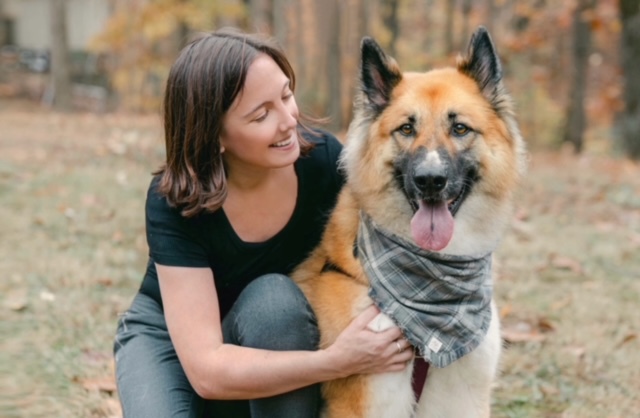
by Missy John, owner of Nerdy K9 Academy in Sioux Falls, SD
A lot of us have an idea of what type of dog we like. My heart breed is German Shepherds. Although I find all sorts of dog breeds appealing, a German Shepherd suckers me in every time. I like their drive, train-ability, energy level, and intelligence. We as pet parents need to be real about what we want and what type of home we are capable of giving to a dog.
Breed Considerations- Find a breed or a mix that will match with you
-Are you very active? Do you run, hike, like to explore new places? Not “do you want to be active in the future”, but are you active now? A colleague once said, “You need to pick the dog for the lifestyle you have now, not the one you want to have.” Such a true statement!
-Are you lightly active? Do you like to walk every day and maybe once a week go to a park?
-Are you a social butterfly? Do you like to go downtown and mingle? Do you have friends and family at your house every week?
-Are you a recluse? Do you like to stay at home and hang out? Do you have a yard gnome with a middle finger up that says go away?
Age Considerations
-Puppies are adorable. They have to be because of the nightmares wrapped in fur that they are. They teeth which means they are going to chew on your stuff. They bark because they are uncertain. They poop and pee… A LOT. Training is critical during young ages and clean ups are inevitable.
-Adults have a history. Sometimes good, sometimes bad, sometimes neutral. Although you may skip the natural destruction phase, you may have some other behaviors to work through.
-Special needs. This may include physically handicapped or managed disease. They may be hospice dogs or dogs with behavior issues that have specific home requirements. Are you prepared financially, emotionally, and truly understand the limitations these dogs may have?
Adopt? Shop?
You have narrowed down some breeds/types and age range. Do you adopt from a rescue? Do you go to a breeder? Are all rescues and all breeders the same?
YOU are responsible to research where to get a dog. If you purchase from a breeder that provides junk care or an abusive environment, you are supporting that effort. If you purchase a dog from a rescue that provides junk care or an abusive environment, you are supporting that effort. No place is going to tell you they are junk. You have to do your due diligence to ensure you are ethically adding a dog to your home.
-If it is a facility, ask to tour. If it’s an in home based program ask for photos or FaceTime.
-Ask for their vet references.
-What is the criteria for a dog to be in their breeding program?
-Breeders that sell more breeds than Wal-Mart offers beer should be a red flag.
-Breeders that have tons of litters but very few adult dogs are likely over breeding.
-What are the parents of the dogs like? Temperament, health issues, etc can be sourced from genetics.
-What health protocols do rescues have in place?
-Rescues that don’t do a home visit or ask for references, including your vet, should be a red flag.
-What do their reviews look like? Everyone has an opinion. Form your own with education and research from reputable sources
 My name is Missy and I am a certified professional dog trainer (CPDT-KA) and also a certified Canine Good Citizen Evaluator. I have been training dogs for well over a decade. I started by being thrown into the amazing world of K9 Search and Rescue. This is where I discovered my appreciation for what a well trained dog could accomplish. Life then led me into the path of animal welfare. I have been blessed to work with dogs that were a challenge to say the least. Fearful, abused, neglected, and experiences that will bring you to tears at times. These dogs are the reason I started my company. I enjoy working with dogs but my passion is using training to save their lives.

by Claire Robertson, CPDT-KA, AD, owner of Candid Canines
When the term “nose work” is brought up, oftentimes we think of police dogs or search and rescue dogs, sniffing the trail of a lost person or looking for illegal substances in a car. But nose work can be applied to regular pet dogs as well. (more…)

In the third article in our summer series of extraordinary pet professions, we’re going to explore “pet law”– and why it’s important to remember your animals when going over your legal docs.
*DISCLAIMER*: This article is NOT meant to serve as legal advice and should be used for informational purposes only. Please consult an attorney before making any legal decisions.
by Caroline Wilson, owner/head editor & writer of /redpen
Any pet parent’s worst nightmare is the neglect of their family – whether they’re furry, feathered, scale-y or spiky. However, it is often our animals that are forgotten in legal affairs–namely, in the writing of a will.
 Though it’s difficult to think about, we have to face the fact that we one day won’t be around to feed, walk and play with our animals. The heaviness of this topic often leads to neglect of the conversation and as a result, confusion when it comes to a pet’s well-being. “(Some pet owners) just assume some well-meaning friend or family member will take over care without even the briefest conversations about the topic.” says Christopher Parrucci, Esq., an attorney for Pet and People in NYC. One of his focuses is pet law, a field that used to be considered a joke in the legal world. Within the past years, this field has grown to be incredibly popular.
Pet law is far more than estate planning and pet trusts (a legal document that places your pet in someone else’s care–we’ll talk about that soon). It also involves governmental protections regarding various animal rights. Topics within the animal rights law realm include puppy mills, roadside zoos and even farms. While there are some legal protections of animals (the most notable of which is the Animal Welfare Act, first enacted in the mid-Sixties), there are still leaps and bounds to be made in the safeguarding of animal rights. Thankfully, household pets have now secured a place in the legal world.
Back to owner-pet law: pet trusts are becoming more and more common than putting animals in wills–in fact, every state in America has a law addressing them. What’s the hype around pet trusts, and what makes them better than the traditional will?
Traditionally, animals have been seen as property in the eyes of the law. This makes the money left in a will for a pet or its caretaker far less secured. Courts cannot control how the person left to care for the animal will spend the money. Our furry family can get lost in the shuffle and be subjected to inadequate care. By creating a pet trust, this becomes preventable. This legally binding document provides care and maintenance for animals, as well as funds to do it, in the case of the owner’s passing. Caretaker(s) and Trustee(s) (those who care for pets and distribute the funds for doing so, respectively) are held far more accountable for the animals and money left in their hands.
Though these services are increasingly in demand, they are not popular enough. Christopher says that the biggest challenge–and most important aspect–of his work is educating the public. “Most of my clients are coming to me specifically because they know I love animals and will be welcoming and encouraging of their choices to include their companion animals in their estates. But there are still so many people out there that can learn that this is an option.” Though it’s a tough subject to broach, it’s one that can be made accessible to everyone through awareness and education.
For those of you interested in creating a pet trust, there are a few things to consider. Arguably the most important consideration is who the future caretakers and trustees of your animal(s) will be. Christopher, along with other industry experts, says that you should start by talking to your family and loved ones, particularly those who already know your pets. Similarly to traditional estate planning, designating substitute caretakers and successor trustees is essential. If you don’t have anyone to name a caretaker, many animal care and shelter organizations will place pets in homes through foster-care programs. These programs typically require contributions and advanced enrollment. Another consideration is the amount of money you’d leave for the care of your furry friend. This truly depends on your pet. A good start to this step is to keep track of how much money you spend on pet care in the course of a year, in order to help you determine the cost of care for your pet over its lifetime.
Like anything regarding your pet’s health and wellbeing, consult a professional if you’re unsure–don’t make serious legal decisions based off of information you found online. Many attorneys will even do initial consulting for free so you can get a feel for their service. Finding the right lawyer or attorney means finding someone who cares deeply about the well-being of their clients, whether furry, hairy, scale-y or otherwise!
In our next (and final) article of this series, we’ll be discussing dog trainers and the importance they have on your furry family’s manners.
About our professional:
 Christopher Parrucci, Esq., is an attorney in New York City. He specializes in estate planning for everyone–including pets. Starting his career as a high school social studies teacher, he originally began studying law to better himself as an educator. In doing so, he discovered that animal rights were underprotected by the law. This, combined with his desire to make estate planning services accessible to people other than the wealthy, made him create his practice. He lives in the city with his wife and 14-year old rescue cat, AnaCapri.

 petworks tm