
AI Pet Care. As artificial intelligence continues to evolve at a rapid pace, its influence has expanded far beyond industrial applications and into more personal aspects of everyday life, including pet care. For millions of pet parents around the world, ensuring their furry, feathered, or scaly companions are safe, healthy, and happy is a top priority.
Integrating AI with traditional human pet care is reshaping how we feed, monitor, train, and even emotionally connect with our animals. This powerful combination of technology and compassion is creating smarter, more responsive care for pets and peace of mind for their owners.
Understanding the Role of AI in Pet Care
AI in pet care refers to the use of intelligent systems, such as machine learning, natural language processing, and computer vision, to perform tasks that typically require human judgment or assistance. These tasks range from automated feeding and health monitoring to training aids and behavioral analysis. When combined with the intuition and empathy of human caregivers, AI can significantly enhance the quality of life for pets while also reducing the emotional and logistical burdens on pet parents.
Smart Devices for Daily Pet Management
 AI-powered devices are becoming household staples for many pet owners. Automated feeders, like PetSafe Smart Feed or WOPET, use AI algorithms to dispense food based on a preset schedule and the pet’s dietary needs. These devices can be synced with smartphone apps, allowing pet parents to adjust feeding times, receive alerts, and monitor consumption remotely.
Similarly, smart litter boxes and waste management systems for cats, such as Litter-Robot, use sensors and AI to track elimination patterns. These devices help detect early signs of health issues, like urinary tract infections or constipation, by identifying anomalies in frequency and behavior. For dog parents, AI-integrated collars and GPS trackers like Fi and Whistle provide real-time updates on location, activity levels, and even changes in behavior that may signal illness or stress.
AI and Veterinary Diagnostics
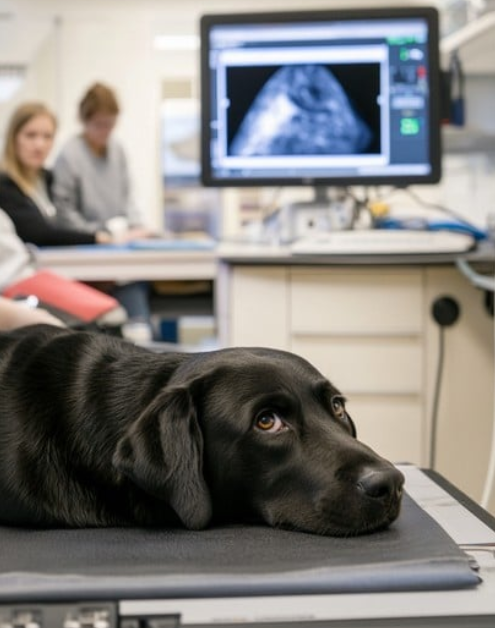
Veterinary AI tools are transforming pet diagnostics. Startups and veterinary platforms now offer AI-driven software that helps veterinarians analyze X-rays, ultrasound images, and lab results faster and with greater accuracy. These tools compare a pet’s diagnostics to vast databases of similar cases to identify possible health conditions and recommend treatments.
Moreover, platforms like Petriage and Vet-AI offer telehealth services enhanced by AI symptom checkers. Pet parents input symptoms, and the AI suggests the level of urgency, whether it’s a minor issue that can be monitored at home or a case that needs immediate veterinary attention. This saves time, reduces unnecessary emergency visits, and empowers pet parents to make more informed decisions.

Are you finding this article useful? Would you like 100% free access to more articles like these, and free access to over 5,000 vetted pet care service professionals throughout the United States? Sign up here for a free Petworks account, and we’ll email you a personal 10% discount code. Then take 10% off your first booking on us!
Behavioral Monitoring and Training
Understanding animal behavior is critical for effective training and overall well-being. AI-powered cameras and wearable tech are helping bridge the communication gap between humans and their pets. Devices such as Furbo and Petcube use computer vision to recognize barking, destructive behavior, or signs of anxiety and alert owners in real-time.
AI also assists in training. Some systems use reinforcement learning to dispense treats when pets perform desired behaviors, while others analyze voice commands and pet responses to suggest better training techniques. For instance, Clicker Training apps now integrate AI to refine timing and consistency, two critical components of successful behavioral training.
In more advanced setups, AI can even detect early signs of aggression or distress in dogs by analyzing body language, tail movement, and vocalizations. This can be invaluable for shelters, trainers, and behaviorists who need to evaluate animals quickly and accurately.
Emotional and Social Support
One of the most heartwarming aspects of AI in pet care is its potential to address loneliness and separation anxiety, for both pets and people. AI robots like Tombot, designed to look and behave like real dogs, are being used to comfort elderly individuals or those in assisted living who may not be able to care for a live animal. These robotic companions can simulate pet interactions, provide emotional support, and reduce anxiety.
For real pets, AI-driven interactive toys help combat boredom and loneliness during a pet parent’s absence. These toys respond to motion, offer treats, and can even initiate games. Voice assistants like Alexa and Google Home can be programmed to play music, call out a pet’s name, or turn on interactive devices at certain times, creating a routine that pets can rely on.
AI-Powered Nutrition and Wellness Plans
AI is making waves in the area of pet nutrition. Personalized pet food services like Nom Nom and Ollie use AI to tailor diets based on breed, weight, age, activity level, and health conditions. These companies collect data over time and adjust recipes as a pet’s needs change, optimizing for weight control, energy levels, and allergy management.
Pet care services platforms like Petworks offer certified animal nutritionists for virtual consultations with pet parents. Petworks uses AI to help best match individual nutritionists with each parents’ specific needs.
Some AI tools even integrate with DNA testing services like Embark or Wisdom Panel, which analyze a pet’s genetic background and provide recommendations for nutrition, exercise, and potential health risks. Combined with human guidance from veterinary nutritionists, AI-enhanced meal planning helps pet parents provide optimal, science-backed diets.
Enhancing Human Roles Through AI
Far from replacing human caregivers, AI supports and augments their capabilities. Pet care professionals: dog trainers, cat behaviorists, pet sitters, mobile groomers, and veterinarians, use AI tools to better understand and track the pets in their care. For example, a dog trainer might use behavior-tracking data from an AI collar to adjust training plans, while a groomer could use AI-powered appointment software to manage scheduling and reminders.
Veterinary professionals benefit from time-saving diagnostics and recordkeeping powered by AI, enabling them to focus more on patient care and less on administrative tasks. Meanwhile, pet sitters and walkers can use AI apps to log visits, track walks, and send updates, improving communication with clients.
Ethical Considerations and Limitations
Despite its advantages, AI integration in pet care also presents ethical and technical challenges. One concern is the risk of over-reliance on technology. AI can provide guidance, but it should never replace the judgment of a trained veterinary professional or the emotional connection between pets and their humans. There’s also the issue of data privacy; devices collecting health and behavior data must ensure that sensitive information is protected.
AI systems can sometimes misinterpret pet behavior, especially when dealing with less-studied species or mixed signals. Context is crucial in animal care, and while AI is advancing rapidly, it still lacks the emotional intelligence and situational awareness of human caregivers. Therefore, successful integration requires a careful balance of automation and empathy.
“A major difference between veterinary and human medicine is that veterinarians have the ability to euthanize patients … so the stakes of diagnoses provided by AI algorithms are very high… AI is being marketed as a replacement or as having similar value to a radiologist interpretation … The best use of AI going forward … is with what is called a radiologist in the loop… AI is used in conjunction with a radiologist, not in lieu of one.” – Eli Cohen, Associate Clinical Professor of Radiology, NC State College of Veterinary Medicine.
The Future of AI and Human Collaboration in Pet Care
As AI continues to evolve, its role in pet care will become more seamless and deeply embedded. Future innovations may include AI-enabled translation tools that better interpret animal sounds and behaviors, robotic vet assistants for remote diagnostics, and fully automated pet care ecosystems that integrate feeding, exercise, health monitoring, and emotional support.
Augmented reality (AR) and AI could also merge to assist pet training and veterinary procedures, allowing pet parents to practice handling techniques or understand diagnoses in more interactive and informative ways.
Ultimately, the future of pet care lies in collaboration, between cutting-edge AI tools and the enduring compassion of human caregivers. Together, they will redefine what it means to care for animals, making pet care more proactive, personalized, and enriching for all species involved.
“As we look ahead to 2026 and beyond, the pet care industry will evolve rapidly through the integration of artificial intelligence and human expertise. AI will empower pet parents with smarter tools. From predictive health monitoring and personalized nutrition plans to virtual behavioral consultations. Making high-quality care more accessible and proactive. But what we’re seeing is that technology alone isn’t enough. Pet parents aren’t just seeking convenience. They’re looking for trusted guidance, emotional support, and expert insights that only human professionals can provide. The future belongs to platforms that combine the best of both worlds: the speed and intelligence of AI with the empathy and wisdom of certified pet care providers. At Petworks, we believe that real innovation comes from strengthening the human-animal bond through tech-enhanced, compassionate care.” – Kevin Kinyon, Co-Founder of Petworks.
AI Pet Care and Human Pet Care on One Team
The integration of AI and human pet care is not about replacing the warmth, intuition, and love that define the human-animal bond. Instead, it’s about enhancing our ability to understand and meet the needs of our pets with greater precision, consistency, and insight. Whether it’s through smart feeders, behavioral trackers, AI-driven health platforms, or emotionally responsive devices, the marriage of technology and empathy is ushering in a new era of pet care, one where no tail wag, purr, or chirp goes unnoticed or misunderstood.
About Petworks
 In 2021, Dr. Marty Goldstein DVM joined the pet care platform Petworks as an advisor in its Animal Nutrition care division. Dr Marty Nature’s Blend is on a mission to help your pets live their healthiest lives possible. Dr. Marty’s pet nutrition expertise and guidance has helped Petworks evolve and become the preeminent animal and pet nutrition consultation service for pet parents in North America.
 In 2022, Blue Buffalo Founder Bill Bishop Jr. joined Petworks as Senior Advisor in our Animal Nutrition Care Division. Bill brings his extensive expertise in pet food innovation and business leadership. His guidance helps Petworks enhance our pet nutrition service offerings, helping to ensure that pet parents throughout the world receive trusted, science-backed nutritional support for their dogs, cats, and animals.
About The Author
 Petworks Co-Founder Kevin Kinyon is a life-long animal lover who works tirelessly to improve the lives of pets and their parents. Human and animal qualities he values most are integrity, humor, and empathy.




 petworks tm