
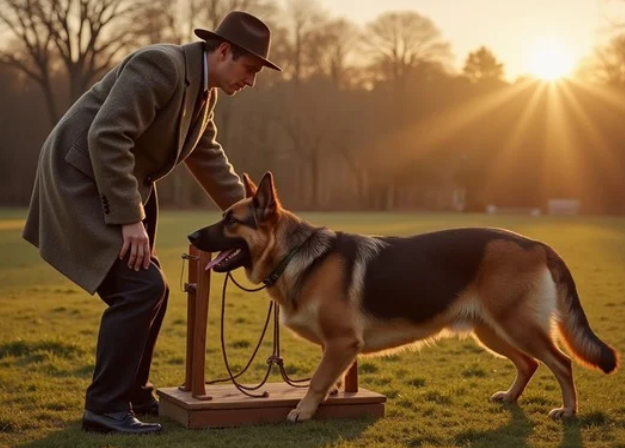
Canine Agility Training: How to Get Started and Boost Your Dog’s Fitness and Focus. Canine agility training is one of the most exciting and effective ways to improve your dog’s physical health, sharpen their mental focus, and strengthen the bond you share. If you’re searching for ways to keep your dog active, mentally stimulated, and well-behaved, canine agility training may be the perfect solution. Whether you’re interested in competing or simply want to give your dog a new challenge, agility offers a fun, fast-paced activity that’s accessible to all breeds and experience levels.
 In this guide, we’ll explain what canine agility training is, its benefits, how to get started, and how to find reputable agility trainers near you.
What Is Canine Agility Training?
Canine agility training is a dog sport that involves guiding your dog through a timed obstacle course that may include jumps, tunnels, weave poles, seesaws, and A-frames. Dogs must complete the course quickly and accurately, responding to cues from their handler without the use of leashes, treats, or toys during competition.
While agility is a competitive sport for some, it’s also an excellent recreational activity for dogs of all ages and sizes. Agility training improves obedience, builds confidence, and helps release excess energy.
Benefits of Canine Agility Training
1. Improves Physical Health
Agility dog training provides full-body exercise. It improves cardiovascular health, builds muscle, increases flexibility, and helps dogs maintain a healthy weight. It’s especially beneficial for high-energy breeds like Border Collies, Australian Shepherds, and Jack Russell Terriers.
2. Sharpens Mental Focus
Navigating obstacles requires your dog to listen, think, and respond quickly. This mental challenge reduces boredom and can help curb destructive behaviors caused by under-stimulation.
3. Enhances Communication
Agility strengthens the bond between dog and handler through teamwork and non-verbal communication. Dogs learn to trust their handlers, while owners learn to give clearer commands.
4. Builds Confidence
Overcoming obstacles one by one builds a dog’s confidence, especially for shy or anxious dogs. The structured setting of agility training helps them become more comfortable with new environments and challenges.
5. Encourages Socialization
Many agility classes are group-based, giving dogs the chance to interact with others in a controlled, positive environment. This helps develop better social skills with other dogs and people.
Getting Started With Canine Agility Training
If you’re new to the world of agility, here’s a step-by-step guide to help you and your dog begin this exciting journey.
Step 1: Evaluate Your Dog’s Health
Before beginning any new physical activity, schedule a vet check-up. Dogs need strong joints, good vision, and general health to participate safely. Puppies under 12 months should avoid jumping or high-impact obstacles until their bones are fully developed.
Step 2: Begin Basic Obedience Training
Dogs don’t need to be perfect at obedience before starting agility, but they should have a solid understanding of basic commands like sit, stay, come, and heel. Reliable recall is especially important in off-leash environments.
Step 3: Find a Local Canine Agility Training Class
Search online for “canine agility training near me” or browse platforms like Petworks, where you can find certified dog agility trainers across the U.S. Look for trainers who use positive reinforcement techniques and tailor training to your dog’s breed, age, and skill level.
Step 4: Start With Beginner-Friendly Obstacles
Agility training begins with basic obstacles and ground-level equipment to help dogs get used to the course. Common beginner obstacles include:
-
Tunnels: Encourages confidence and fun
-
Pause Tables: Reinforces control and obedience
-
Low Jumps: Builds strength and coordination
-
Weave Poles: Teaches precision and flexibility
Trainers guide you through how to safely introduce each obstacle and use verbal cues and body language to direct your dog.
“Canine agility training is more than just a sport. It’s a powerful way to strengthen the bond between dogs and their humans, while enhancing a dog’s focus, confidence, and overall well-being.” – Kevin Kinyon, Co-Founder, Petworks.
Step 5: Practice at Home
You don’t need expensive equipment to practice agility at home. You can use household items like broomsticks for jumps or blankets over chairs for tunnels. Practicing at home reinforces what your dog learns in class and keeps them mentally and physically active between sessions.
How Long Does It Take to Train a Dog in Agility?
The time it takes to train a dog for agility depends on your dog’s age, temperament, physical health, and consistency of practice. Most dogs begin to show solid skills within 8 to 12 weeks of weekly classes, though competitive agility training can take several months or more.
 Training should always be positive and stress-free. Keep sessions short. Around 15 to 20 minutes, and always end on a positive note.
How to Choose the Right Canine Agility Trainer
A qualified agility trainer will help your dog learn in a safe, structured, and enjoyable way. Here are a few things to look for when choosing a canine agility trainer:
-
Experience: Ask how long they’ve been teaching agility and if they’ve worked with your dog’s breed.
-
Positive Reinforcement: Ensure the trainer uses reward-based training methods.
-
Safety Standards: Equipment should be in excellent condition, and dogs should be grouped appropriately by size and skill level.
-
Accreditations: Look for certifications from organizations like the American Kennel Club (AKC), United States Dog Agility Association (USDAA), or International Association of Canine Professionals (IACP).
On platforms like Petworks, you can read reviews, view trainer profiles, and book virtual consultations to find the perfect fit for your dog.

Did you find this article useful? Would you like 100% free access to more articles like these, and free access to over 5,000 vetted pet care service professionals throughout the United States? Sign up here for a free Petworks account, and take 10% off your first booking, on us!
Is Canine Agility Training Right for Every Dog?
Most dogs can enjoy agility training, but it’s important to tailor the experience to their physical and mental ability. While high-energy breeds often thrive, older dogs or dogs with joint issues may require modifications. Small breeds can participate too, and agility can be scaled for senior dogs with slower-paced activities.
Puppies under a year old should stick to foundation skills and low-impact movements to avoid stress on developing joints.
Canine agility training is more than just a sport. It’s a rewarding and stimulating way to improve your dog’s life. From physical exercise and mental enrichment to increased confidence and communication, agility has lasting benefits for both dog and owner.
Whether you plan to compete or just want to have fun in your backyard, agility is a wonderful way to keep your dog healthy, engaged, and happy. Start small, stay consistent, and consider working with a certified trainer to guide you on your agility journey.
About Petworks
 In 2021, Dr. Marty Goldstein DVM joined the pet care platform Petworks as an advisor in its Animal Nutrition care division. Dr Marty Nature’s Blend is on a mission to help your pets live their healthiest lives possible. Dr. Marty’s pet nutrition expertise and guidance has helped Petworks evolve and become the preeminent animal and pet nutrition consultation service for pet parents in North America.
 In 2022, Blue Buffalo Founder Bill Bishop Jr. joined Petworks as Senior Advisor in our Animal Nutrition Care Division. Bill brings his extensive expertise in pet food innovation and business leadership. His guidance helps Petworks enhance our pet nutrition service offerings, helping to ensure that pet parents throughout the world receive trusted, science-backed nutritional support for their dogs, cats, and animals.
About The Author

Petworks Co-Founder Kevin Kinyon is a life-long animal lover who works tirelessly to improve the lives of pets and their parents. Human and animal qualities he values most are integrity, humor, and empathy.

 petworks tm









great stuff in this post…
Thank you, I’ve recently been searching for information about this subject for ages and yours is the greatest I’ve discovered so far!
Very cool!
Great job.
Great stuff Petworks!
Thank you Petworks!