
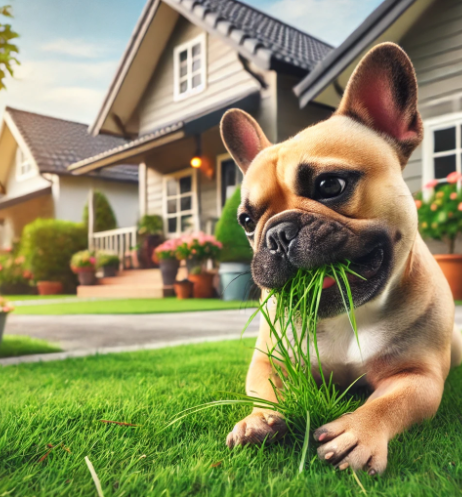
Why Do Dogs Eat Grass and How to Lessen or Stop It. Dogs are curious creatures, often surprising their owners with peculiar behaviors. One of the most common and perplexing habits is their tendency to eat grass. While this behavior is generally harmless, it can sometimes signal underlying issues. Understanding why dogs eat grass and learning how to manage or prevent it can enhance your dog’s overall well-being.
Why Do Dogs Eat Grass?
1. Instinctual Behavior
Dogs are descendants of wolves, which are known to consume plant matter as part of their diet. Grass-eating might be an instinctual behavior inherited from their wild ancestors, who ingested plants for fiber or as part of consuming prey.
2. Nutritional Deficiencies
Some experts believe dogs eat grass to address a nutritional gap, such as a lack of fiber, vitamins, or minerals. Grass contains certain nutrients that might appeal to dogs who aren’t receiving a balanced diet.
3. Digestive Aid
Grass is often associated with aiding digestion. Many dogs vomit shortly after eating grass, leading some to speculate they use it to relieve gastrointestinal discomfort, such as bloating or nausea.
4. Boredom or Anxiety
A bored or anxious dog might turn to grass-eating as a form of entertainment or self-soothing. Dogs lacking mental stimulation or sufficient exercise may exhibit this behavior more frequently.
5. Taste or Enjoyment
Some dogs might simply enjoy the taste or texture of grass. Fresh grass can be aromatic and appealing, especially in the morning when it’s covered in dew.
6. Attention-Seeking Behavior
If eating grass garners a strong reaction from their owner, some dogs might repeat the behavior to gain attention.
 “The bottom line is that the majority of grass eating dogs are not sick beforehand and do not vomit afterwards.” – Malcolm Weir, DVM, eterinarian with a background in veterinary medicine, public health, and science. He has contributed to various veterinary resources, including VCA Animal Hospitals’ “Know Your Pet” articles and other veterinary publications.
When Should You Be Concerned?
While occasional grass-eating is generally harmless, there are situations when it could indicate a problem:
- Frequent Vomiting: If your dog vomits every time they eat grass, it might signal an underlying digestive issue that needs veterinary attention.
- Excessive Grass Consumption: Constant or compulsive grass-eating may suggest boredom, anxiety, or dietary deficiencies.
- Ingestion of Treated Grass: Grass treated with pesticides, herbicides, or fertilizers can be toxic to dogs, causing severe health problems.
- Presence of Parasites: Consuming grass can expose your dog to parasites or harmful bacteria.

Are you finding this article useful? Would you like 100% free access to more articles like these, and free access to over 5,000 vetted pet care service professionals throughout the United States? Sign up here for a free Petworks account, and we’ll email you a 10% discount code, good towards your first pet care services booking on Petworks!
How to Stop A Dog From Grass Eating
Provide a Balanced Diet
Ensure your dog’s diet is well-rounded and meets their nutritional needs. High-quality commercial dog foods often provide adequate nutrients, but you can consult a veterinarian or pet nutritionist to tailor your dog’s diet. Adding fiber-rich foods like pumpkin or green beans can also help if a deficiency is suspected.
Increase Mental and Physical Stimulation
A bored dog is more likely to engage in unusual behaviors like grass-eating. To reduce boredom:
- Exercise Regularly: Take your dog for daily walks or runs to expend energy.
- Interactive Toys: Use puzzle toys or treat-dispensing toys to keep their mind engaged.
- Training Sessions: Teach your dog new tricks or reinforce existing commands to mentally stimulate them.
Address Anxiety or Stress
If your dog’s grass-eating is linked to anxiety, consider the following:
- Create a Calm Environment: Minimize loud noises or chaotic situations at home.
- Comfort Items: Provide toys, blankets, or chews that soothe your dog.
- Professional Help: Consult a canine behaviorist or trainer if anxiety persists.
Redirect the Behavior
When you notice your dog eating grass, gently redirect their attention. Use commands like “leave it” or call them away from the grass. Reward them with a treat or toy for following your cue. Consistent redirection can discourage the habit over time.
Provide Safe Alternatives
Offering safe, dog-friendly plants or greens can satisfy your dog’s craving for grass. Options include:
- Dog Grass Trays: These are specially grown patches of grass designed for pets.
- Edible Greens: Offer small amounts of spinach, lettuce, or parsley as treats.
6. Limit Access to Grass
If the behavior becomes problematic, restrict your dog’s access to grassy areas by:
- Leash Walking: Keep your dog on a leash during walks to control their movements.
- Fenced Areas: Use fencing to block off grassy spots in your yard.
7. Regular Veterinary Check-Ups
Schedule routine veterinary visits to rule out health issues that might contribute to grass-eating. Your vet can perform tests to identify any deficiencies or digestive problems. Also, after the vet visit, you should keep an eye on your dog while they’re outside to prevent harmful ingestion.
Understanding Individual Differences
Each dog is unique, and the reasons behind their grass-eating habits can vary. By observing your dog’s behavior and consulting with professionals, you can better understand their specific needs and address any concerns.
 When to Seek Professional Help
If your dog’s grass-eating behavior is accompanied by symptoms like vomiting, diarrhea, lethargy, or appetite loss, consult a veterinarian immediately. These signs could indicate serious health issues requiring prompt attention.
Book a session with a certified animal behaviorist
Book a session with a clinical canine nutritionist
Grass-eating is a common behavior in dogs that often stems from instinct, curiosity, or minor dietary needs. While it’s usually harmless, it’s essential to monitor the behavior and take steps to ensure your dog’s safety. By providing a balanced diet, adequate stimulation, and safe alternatives, you can minimize or eliminate grass-eating. Always consult a veterinarian if you’re unsure about the cause or impact of your dog’s behavior. With the right approach, you can keep your furry friend healthy, happy, and free of any harmful habits.
About Petworks
 In 2021, Dr. Marty Goldstein DVM joined the pet care platform Petworks as an advisor in its Animal Nutrition care division. Dr Marty Nature’s Blend is on a mission to help your pets live their healthiest lives possible. Dr. Marty’s pet nutrition expertise and guidance has helped Petworks evolve and become the preeminent animal and pet nutrition consultation service for pet parents in North America.
 In 2022, Blue Buffalo Founder Bill Bishop Jr. joined Petworks as Senior Advisor in our Animal Nutrition Care Division. Bill brings his extensive expertise in pet food innovation and business leadership. His guidance helps Petworks enhance our pet nutrition service offerings, helping to ensure that pet parents throughout the world receive trusted, science-backed nutritional support for their dogs, cats, and animals.
About The Author
 Petworks Co-Founder Kevin Kinyon is a life-long animal lover who works tirelessly to improve the lives of pets and their parents. Human and animal qualities he values most are integrity, humor, and empathy.

 petworks tm









I appreciate, cause I found exactly what I was looking for. You have ended my 4 day long hunt for why is my dog eating grass! God Bless you man. Have a great day. Bye
You’re most welcome!