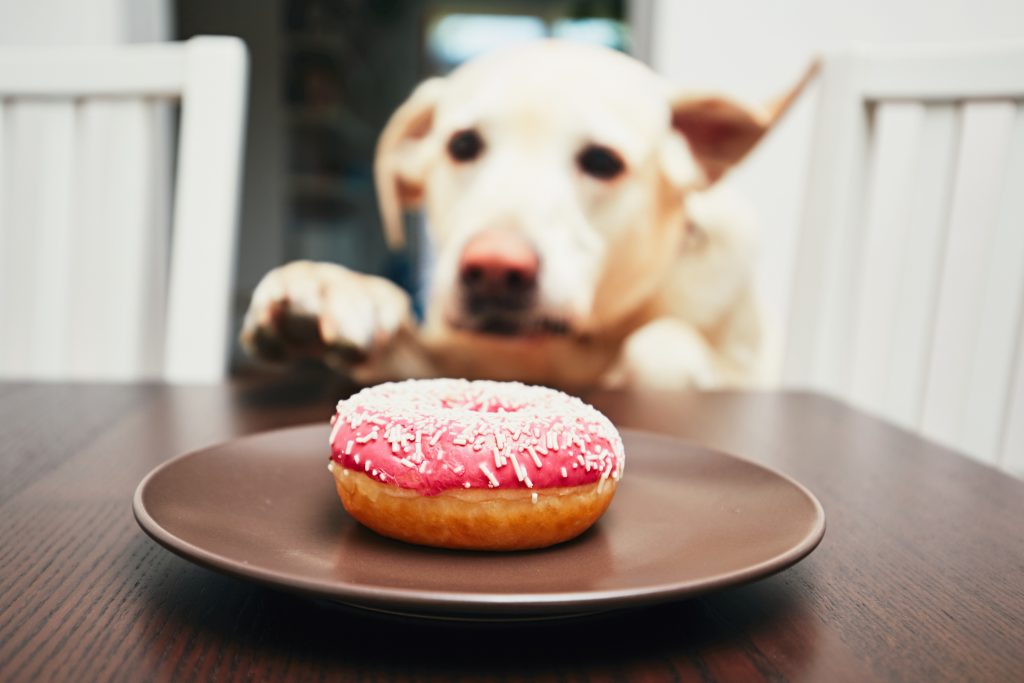
Valentine’s Day Pet Treats. Valentine’s Day is the perfect time to express love to our furry companions, and what better way to do so than with delightful treats? While homemade treats are a heartfelt gesture, there are also safe and healthy commercial options available. In this article, we’ll explore tips and tricks for creating Valentine’s treats using safe ingredients. Additionally, we’ll discuss how to pick a safe commercial treat for your pets, including information on what bones would make a delightful surprise.
Safe Food Ingredients:
If you search the internet for Valentine’s day treats for pets you will be overwhelmed with different recipes for homemade dog treats. So how do you know which treats are safe and healthy for your pets? Here are some pet-friendly ingredient options that are found in many different recipes online:
- Peanut Butter: Dogs, in particular, adore the taste of peanut butter. It’s a good source of protein and healthy fats. Make sure to choose unsalted and unsweetened varieties without any artificial sweeteners, such as xylitol, which can be toxic to pets.
- Honey: A natural sweetener, honey can be a delightful addition to your pet treats. It provides a touch of sweetness without the concerns associated with refined sugars. However, use it in moderation due to its high sugar content.
- Pumpkin: Rich in fiber and low in calories, pumpkin is a healthy addition to pet treats. It can aid in digestion and provides essential nutrients. Ensure you use plain, canned pumpkin without added sugars or spices.
- Fruit: Adding small amounts of pet-safe fruits like apples, blueberries, or strawberries can introduce natural sweetness and provide additional vitamins and antioxidants to your pet’s treats. Ensure the fruits are cut into bite-sized pieces and free from seeds or pits, as these can be harmful to pets.
- Yogurt: Plain, unsweetened yogurt is a creamy and nutritious addition to your pet’s treats. It contains probiotics that can contribute to a healthy digestive system. However, be mindful of lactose intolerance in some pets, and choose lactose-free yogurt if needed. Moderation is key due to the natural sugar content in yogurt.
- Oats: Oats are a great source of fiber and can be included in treats for both dogs and cats. They provide a hearty texture and are gentle on your pet’s digestive system.
- Lean Proteins: If you’re looking for savory over sweet, incorporate lean proteins like chicken or turkey into treats for cats and dogs. These proteins are essential for muscle maintenance and overall health.
Chew Bones for Dental Health:
In addition to treats, providing your pets with chew bones can contribute to their dental health. Chewing on bones helps reduce plaque and tartar buildup, promoting healthier gums and fresher breath. However, it’s crucial to choose the right type of bones:
1. Natural Bones: Opt for natural bones, such as rawhide or dental chews, that are specifically designed for pets. Avoid cooked bones, as they can splinter and cause harm. If choosing a rawhide make sure it is made with easily digestible collagen and monitor how much they ingest at a time. Rawhide does break down in a dog’s stomach but it is a slow process and too much too fast can cause digestive issues.
2. Size Matters: Select bones that are appropriate for your pet’s size. Too small, and the bone can be a choking hazard; too large, and it may cause jaw discomfort or difficulty in chewing.
3. Supervise Chewing: Always supervise your pets while they’re chewing on bones. This ensures their safety and allows you to intervene if any issues arise.
How to Pick a Safe Commercial Treat:
1. Check Ingredients: Look for treats with simple, recognizable ingredients. Avoid those with artificial additives, preservatives, and excessive fillers. High-quality ingredients contribute to your pet’s overall well-being.
2. Consider Allergies and Sensitivities: If your pet has specific allergies or sensitivities, opt for treats that are free from common allergens such as wheat, soy, and corn. Some commercial treats are specifically designed for pets with dietary restrictions.
3. Look for Products with a Seal of Approval: Choose treats from reputable brands that meet industry standards for quality and safety. Look for products with certifications from organizations such as the Association of American Feed Control Officials (AAFCO).
4. Consider Your Pet’s Health Needs: Some commercial treats are formulated to address specific health concerns, such as dental health or joint support. Consult with your veterinarian to determine if these types of treats are suitable for your pet.
Valentine’s Day Pet Treats
Whether you choose to create homemade treats, offer chew bones, or opt for a safe commercial option, Valentine’s Day is an excellent opportunity to pamper your pets. By incorporating pet-friendly ingredients and being mindful of your pet’s individual needs, you can celebrate this special occasion in a way that is both enjoyable and beneficial for your furry friends. Remember to consult with your veterinarian or a clinical pet nutrition consultant if you have any concerns about your pet’s diet or if you’re unsure about the suitability of specific treats or chew bones. With these tips and tricks, you can make this Valentine’s Day a memorable and safe celebration for your pets.

Article Author: Animal Nutritionist Jessica Otten – North Star Animal Nutrition

 petworks tm