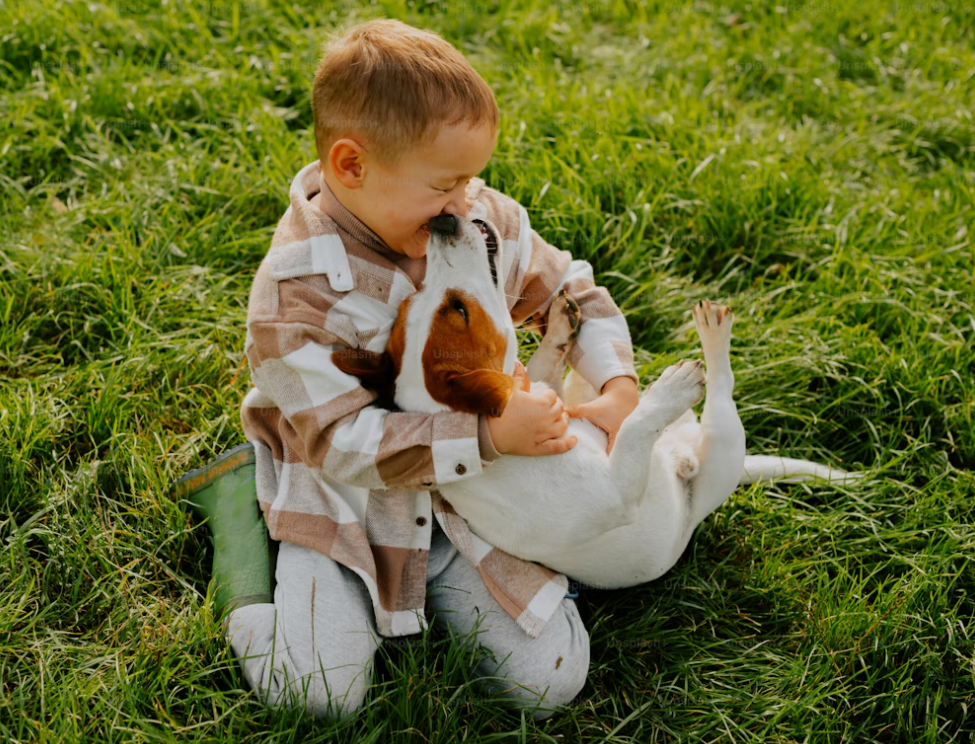
How to take care of a puppy. Welcoming a puppy into your home is an exciting and joyful experience. But it also comes with questions, concerns, and a fair share of challenges. To help first-time puppy owners and seasoned dog lovers alike, we asked veterinarians and pet care experts to answer the top questions about raising a happy, healthy puppy. From nutrition and vaccinations to behavior and socialization, here’s what you need to know.
1. How Often Should I Take My Puppy to the Vet?
Veterinarians recommend that puppies visit the vet for wellness checks every 3–4 weeks during their first few months of life. These visits are crucial for:
-
Administering vaccinations
-
Checking growth and development
-
Screening for parasites or congenital conditions
-
Providing guidance on nutrition and training
 “Early vet visits set the foundation for a puppy’s long-term health.” – Dr. Sarah Wooten
2. What Vaccinations Does My Puppy Need?
A typical puppy vaccination schedule includes core vaccines such as:
-
Distemper, Hepatitis, Parvovirus, and Parainfluenza (DHPP) – usually given in a series from 6 to 16 weeks
-
Rabies vaccine – generally administered at 12–16 weeks, depending on local regulations
Non-core vaccines, such as Bordetella (kennel cough) or Lyme disease, may be recommended based on lifestyle and geographic location.
Tip: Keep a detailed vaccination record and discuss booster timing with your vet.
3. How Should I Feed My Puppy?
Nutrition is one of the most important factors in a puppy’s development. Puppies need food formulated specifically for growth, as adult dog food lacks sufficient nutrients. Puppy nutrition is just so, so important.
-
Feed high-quality commercial puppy food with balanced protein, fats, and essential vitamins
-
Portion control is key to prevent obesity
-
Gradually transition from one food to another to avoid digestive upset
“Feeding a puppy a balanced, species-appropriate diet supports healthy growth, strong immunity, and proper development. High-quality puppy food makes a big difference.” – Dr. Cailin Heinze, VMD, MS, DACVIM
4. How Do I Train My Puppy?
Training should begin as soon as you bring your puppy home. Early puppy training focuses on:
-
Housebreaking – teaching your puppy where to go potty
-
Basic commands – such as sit, stay, come, and leave it
-
Leash training – getting your puppy comfortable with walks
Consistency, patience, and positive reinforcement (like treats and praise) are key. Avoid harsh punishments, as these can create fear and anxiety.
Pro Tip: Enrolling in a puppy socialization or training class can be highly beneficial for both puppies and owners.
“Rather than scolding or punishing your pet for natural behaviors … offer a safe and healthy outlet. When your puppy behaves to earn rewards, a treat, a scratch behind the ears, or even a ‘good boy’, all help teach the puppy how to behave.” – Dr. Marty Becker, DVM
5. What Are Common Puppy Health Issues?
While puppies are resilient, they are also vulnerable to certain conditions, including:
-
Intestinal parasites (worms, giardia)
-
Skin conditions (allergies, fleas, ticks)
-
Ear infections
-
Teething discomfort
Early veterinary care, preventive medications, and good hygiene can help minimize these risks.

Are you finding this article useful? Would you like 100% free access to more articles like these, and free access to over 5,000 vetted pet care service professionals throughout the United States? Sign up here for a free Petworks account, and we’ll email you a 10% discount code, good towards your first pet care services booking on Petworks!
6. How Can I Socialize My Puppy?
Socialization is essential to raising a confident and well-adjusted dog. Introduce your puppy gradually to:
-
Other dogs and animals
-
Different people (children, adults, elderly)
-
New environments and experiences
“When introducing your puppy to new situations, allow him to investigate and observe at his own pace. Do not force a fearful puppy to confront its fears.” – the late Dr. Sophia Yin, DVM
7. How Much Exercise Does My Puppy Need?
Puppies are energetic, but exercise should be age-appropriate:
-
Short play sessions multiple times a day
-
Avoid long runs or high-impact exercise, which can harm developing joints
-
Mental stimulation (puzzle toys, training games) is just as important as physical activity
Tip: Tailor exercise to your puppy’s breed, size, and energy level.
8. When Should I Spay or Neuter My Puppy?
The timing of spaying or neutering depends on breed, size, and veterinary guidance. Most veterinarians recommend:
-
Small breeds: around 6–9 months
-
Large breeds: sometimes later, closer to 12–18 months
Spaying and neutering provide health benefits, including reduced risk of certain cancers and preventing unwanted litters.
9. How Can I Handle Puppy Teething?
Teething can make puppies chew on anything in sight. To ease discomfort:
-
Offer safe chew toys
-
Freeze wet washcloths for soothing gum relief
-
Supervise play and discourage biting of hands or furniture
Consistency in redirecting chewing behavior is key to long-term success.
10. How Do I Know My Puppy is Happy and Healthy?
Signs of a healthy, happy puppy include:
-
Bright eyes and a shiny coat
-
Healthy appetite
-
Energetic and playful behavior
-
Regular bowel movements and urination
Regular vet check-ups and preventive care help ensure your puppy stays in tip-top shape.
Puppy FAQs: Expert Answers for First-Time Pet Owners
1. How often should I take my puppy to the vet?
Puppies need wellness visits every 3–4 weeks for vaccinations, growth checks, and parasite prevention. After the first year, schedule annual exams.
2. What vaccinations does my puppy need?
Core vaccines: DHPP (distemper, hepatitis, parvovirus, parainfluenza) and rabies. Non-core vaccines like Bordetella or Lyme may be recommended based on lifestyle.
3. How should I feed my puppy?
Feed high-quality puppy food 3–4 times daily for young puppies, then reduce to 2 meals. Proper nutrition supports growth, immunity, and overall health.
4. How do I potty train my puppy?
Use a consistent schedule, take your puppy to the designated spot often, and reward success. Avoid punishment to prevent fear or confusion.
5. How much exercise does a puppy need?
Short, frequent play sessions plus mental stimulation (puzzle toys, training) are best. Avoid long runs for growing joints.
6. When should I start training my puppy?
Start immediately with basic commands and leash training. Positive reinforcement encourages learning and strengthens your bond.
7. How do I socialize my puppy?
Expose your puppy to people, pets, and new environments between 3–14 weeks. Puppy classes and structured play build confidence and reduce fear.
8. How can I help my puppy with teething?
Provide safe chew toys and frozen washcloths. Redirect chewing from furniture or hands and reward appropriate behavior.
9. Should I spay or neuter my puppy?
Small breeds: 6–9 months; large breeds: 12–18 months. Consult your veterinarian to determine the best timing.
10. How do I know my puppy is healthy and happy?
Healthy puppies have shiny coats, bright eyes, normal bathroom habits, and playful energy. Regular vet visits, proper nutrition, exercise, and socialization ensure overall wellness.
How To Take Care Of A Puppy
Raising a puppy is a journey filled with excitement, responsibility, and learning. By consulting with veterinarians, following proper nutrition and vaccination schedules, socializing, training, and providing consistent care, you can give your puppy the foundation for a long, healthy, and happy life.
Remember: every puppy is unique, so always tailor advice to your pet’s breed, personality, and health needs. When in doubt, ask your vet. They are your best resource for expert guidance.
About Petworks
 In 2021, Dr. Marty Goldstein DVM joined the pet care platform Petworks as an advisor in its Animal Nutrition care division. Dr Marty Nature’s Blend is on a mission to help your pets live their healthiest lives possible. Dr. Marty’s pet nutrition expertise and guidance has helped Petworks evolve and become the preeminent animal and pet nutrition consultation service for pet parents in North America.
 In 2022, Blue Buffalo Founder Bill Bishop Jr. joined Petworks as Senior Advisor in our Animal Nutrition Care Division. Bill brings his extensive expertise in pet food innovation and business leadership. His guidance helps Petworks enhance our pet nutrition service offerings, helping to ensure that pet parents throughout the world receive trusted, science-backed nutritional support for their dogs, cats, and animals.
About The Author
 Petworks Co-Founder Kevin Kinyon is a life-long animal lover who works tirelessly to improve the lives of pets and their parents. Human and animal qualities he values most are integrity, humor, and empathy.

 petworks tm