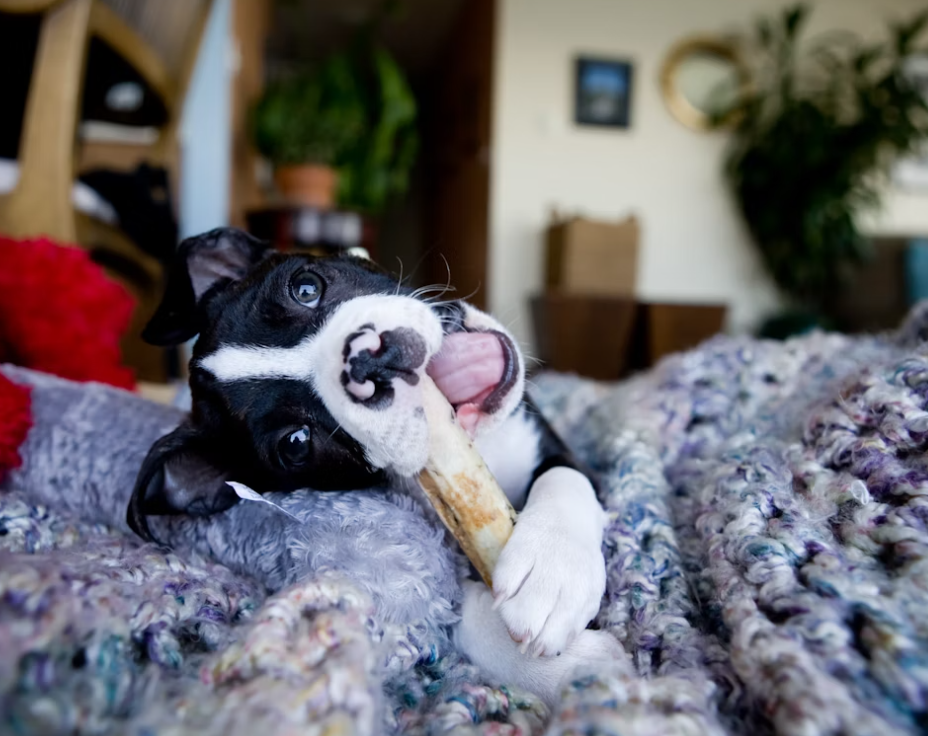
Puppies are adorable bundles of energy, curiosity, and teething challenges. While they bring joy to our homes, one common frustration for new pet owners is puppy chewing, especially on furniture. Chewed-up couches, tables, and shoes are a frequent complaint among puppy parents. But why do puppies chew, and how can you prevent it? This guide will provide actionable tips to stop your puppy from chewing on furniture while keeping them happy and healthy.
Why Puppies Chew on Furniture
Understanding why your puppy chews is the first step in preventing destructive behavior. Chewing is a natural and instinctive activity for puppies, serving several purposes:
-
Teething Relief: Puppies’ baby teeth fall out around 3–6 months, and chewing helps relieve discomfort.
-
Exploration: Puppies explore the world with their mouths, learning about textures, shapes, and tastes.
-
Boredom or Excess Energy: Puppies have high energy levels, and chewing can help them release pent-up energy.
-
Attention-Seeking Behavior: Sometimes chewing furniture is a way to get noticed, especially if owners react strongly.
-
Stress or Anxiety: Puppies experiencing separation anxiety may chew furniture as a coping mechanism.
 Recognizing the reason behind your puppy’s chewing is critical to addressing it effectively.
Signs Your Puppy Is Chewing on Furniture
Before prevention and training strategies can work, it’s important to identify chewing behavior early. Common signs include:
-
Frayed edges on couches, chairs, or tables
-
Missing cushions or ripped upholstery
-
Small bite marks on wood or baseboards
-
Puppies hiding in rooms with furniture to chew
If you notice these signs, it’s time to implement strategies to prevent further damage and guide your puppy toward appropriate chewing behavior.
Effective Ways to Stop Your Puppy from Chewing Furniture
Here are proven methods to keep your puppy from turning your furniture into a chew toy:
1. Provide Appropriate Chew Toys
Puppies need an outlet for their chewing instincts. Offering a variety of safe and durable chew toys can redirect their energy:
-
Rubber toys like KONGs
-
Teething rings designed for puppies
-
Soft plush toys with reinforced seams
Rotate toys regularly to maintain your puppy’s interest. Reward your puppy for chewing toys instead of furniture to reinforce positive puppy behavior.
2. Puppy-Proof Your Home
Limiting access to furniture can reduce chewing opportunities:
-
Use baby gates to restrict areas
-
Keep shoes, books, and small items off the floor
-
Cover furniture temporarily with protective materials like slipcovers or aluminum foil
A safe environment reduces temptation and protects your belongings while your puppy learns appropriate behavior.
3. Use Deterrent Sprays
Bitter apple or citrus sprays can deter puppies from chewing on furniture:
-
Spray lightly on furniture edges or areas prone to chewing
-
Test on a small, hidden area first to ensure no damage to fabric
-
Pair the deterrent with praise when your puppy chews toys instead
Deterrent sprays are most effective when combined with training and positive reinforcement.
4. Positive Reinforcement Training
Rewarding good behavior is more effective than punishment. Steps for puppy training include:
-
Catch your puppy chewing on a toy instead of furniture.
-
Praise them enthusiastically or give a small treat.
-
Gently redirect them if they chew furniture.
-
Consistency is key. Always reward appropriate chewing behavior.
This method teaches your puppy which items are safe to chew while building trust and confidence.

Are you finding this article useful? Would you like 100% free access to more articles like these, and free access to over 5,000 vetted pet care service professionals throughout the United States? Sign up here for a free Petworks account, and we’ll email you a 10% discount code, good towards your first pet care services booking on Petworks!
5. Exercise and Mental Stimulation
Boredom often leads to destructive chewing. Keeping your puppy physically and mentally stimulated helps prevent unwanted behaviors:
-
Daily walks or play sessions
-
Puzzle toys that dispense treats
-
Training games or obedience practice
-
Short play sessions with different textures and toys
A well-exercised puppy is less likely to chew furniture out of frustration or boredom.
6. Crate Training
Crate training can be a useful tool when used correctly:
-
Provide a comfortable crate with chew toys
-
Avoid leaving the puppy in the crate for long periods
-
Use the crate as a safe space rather than punishment
This method keeps puppies safe and prevents furniture damage when you can’t supervise them directly.
“All puppies go through a chewing/teething stage. The urge to chew will decrease when adult teeth start coming in. Puppies won’t suddenly realize it is poor etiquette to chew a couch or household items. They must be taught.” – Laurie C. Williams, Dog Trainer & Director of Pup ’N Iron Canine Enrichment Center.
7. Avoid Negative Reactions
Yelling, hitting, or scolding your puppy can increase anxiety and worsen chewing behavior. Instead:
-
Redirect gently and calmly
-
Use positive reinforcement consistently
-
Focus on prevention and redirection rather than punishment
A calm, patient approach strengthens your bond and encourages your puppy to learn acceptable behavior.
Addressing Chewing Due to Teething
During the teething phase, puppies may chew excessively due to gum discomfort. Tips to ease teething include:
-
Freeze chew toys or wet washcloths for soothing relief
-
Provide toys specifically designed for teething puppies
-
Rotate toys frequently to maintain novelty and interest
Recognizing teething behavior as temporary helps you remain patient and consistent.
When to Seek Professional Help
If your puppy’s chewing becomes aggressive, persistent, or is accompanied by other behavioral issues, consider consulting a professional:
-
Veterinarians can rule out pain or medical causes.
-
Certified dog trainers or animal behaviorists can create tailored behavior modification plans.
-
Professional puppy classes provide structured socialization and training.
Early intervention ensures your puppy grows into a well-behaved adult dog while protecting your home from damage.
Puppy chewing is a natural behavior, but with the right approach, you can protect your furniture and guide your puppy toward healthy habits. Here’s a quick recap of strategies to stop furniture chewing:
-
Provide appropriate chew toys.
-
Puppy-proof your home to limit access.
-
Use deterrent sprays safely.
-
Employ positive reinforcement training.
-
Keep your puppy physically and mentally stimulated.
-
Utilize crate training when necessary.
-
Avoid negative reactions and focus on redirection.
Remember, patience and consistency are key. By understanding why puppies chew and applying these strategies, you can foster a happy, well-adjusted pup while preserving your home.
About Petworks
 In 2021, Dr. Marty Goldstein DVM joined the pet care platform Petworks as an advisor in its Animal Nutrition care division. Dr Marty Nature’s Blend is on a mission to help your pets live their healthiest lives possible. Dr. Marty’s pet nutrition expertise and guidance has helped Petworks evolve and become the preeminent animal and pet nutrition consultation service for pet parents in North America.
 In 2022, Blue Buffalo Founder Bill Bishop Jr. joined Petworks as Senior Advisor in our Animal Nutrition Care Division. Bill brings his extensive expertise in pet food innovation and business leadership. His guidance helps Petworks enhance our pet nutrition service offerings, helping to ensure that pet parents throughout the world receive trusted, science-backed nutritional support for their dogs, cats, and animals.
About The Author
 Petworks Co-Founder Kevin Kinyon is a life-long animal lover who works tirelessly to improve the lives of pets and their parents. Human and animal qualities he values most are integrity, humor, and empathy.

 petworks tm