Cats are mysterious creatures. Unlike dogs, who often wear their emotions on their sleeves…or rather, their tails…cats communicate in subtler ways. For cat owners, understanding cat body language is important to ensure your feline friend is happy, comfortable, and healthy. But how can you tell if your cat is happy from its body language? This guide breaks down the signs to look for, from tail movements to ear positions, so you can better connect with your cat.
Why Cat Body Language Matters
Cats communicate primarily through non-verbal cues. While they may purr, meow, or hiss, their body language provides the clearest insight into their emotional state. By learning to read these signals, you can:
-
Strengthen your bond with your cat
-
Reduce stress and anxiety for your pet
-
Prevent aggressive or fearful behavior
-
Ensure your cat’s overall well-being
 Understanding cat body language helps you respond appropriately to your pet’s needs, whether it’s playtime, affection, or giving them space.
Key Indicators of a Happy Cat
A happy cat displays a variety of subtle and not-so-subtle behaviors. Here’s a breakdown of the most common indicators:
1. Tail Position and Movement
A cat’s tail is one of the most expressive parts of its body. Tail signals are powerful indicators of happiness:
-
Upright Tail with a Slight Curve: A straight-up tail with a small curve at the tip generally indicates a confident, happy cat.
-
Slow Tail Swishes: Gentle swaying of the tail can signal contentment, especially when paired with relaxed body posture.
-
Wrapped Around You or Another Cat: If your cat wraps its tail around you, it’s showing affection and trust.
Tail Tip Movements: Watch the tip of the tail. Slight twitches can indicate curiosity and interest, while puffed-up tails may signal fear or agitation.
2. Relaxed Ears
A cat’s ears reveal a lot about its mood. Pay attention to their position:
-
Forward-Facing Ears: Ears pointing forward generally indicate a happy and engaged cat.
-
Slightly Rotated Ears: If the ears rotate slightly to catch sounds but remain relaxed, your cat is alert but comfortable.
-
Avoid Flattened Ears: Flattened or sideways ears often indicate fear, anger, or stress.
By observing ear position, you can gauge whether your cat feels secure and happy in its environment.
3. Eye Expression and Blinking
Your cat’s eyes are also excellent indicators of its emotional state:
-
Slow Blinking: Slow blinking at you is a sign of trust and affection. Cats often slow-blink to communicate comfort and contentment.
-
Half-Closed Eyes: A relaxed, happy cat often has half-closed or “sleepy” eyes.
-
Dilated Pupils: While large pupils can indicate excitement or playfulness, they may also signify fear or overstimulation depending on other body cues.
Tip: Try slow-blinking back at your cat—it’s often interpreted as a “cat kiss.”

Are you finding this article useful? Would you like 100% free access to more articles like these, and free access to over 5,000 vetted pet care service professionals throughout the United States? Sign up here for a free Petworks account, and we’ll email you a 10% discount code, good towards your first pet care services booking on Petworks!
4. Purring and Vocalizations
A happy cat often expresses itself through gentle purring. Purring is generally a sign of contentment, but context matters:
-
Soft, Steady Purring: Indicates a relaxed, happy cat.
-
Chirps or Trills: Often used as friendly greetings, especially when your cat wants attention or is in a playful mood.
-
Meowing: Adult cats meow primarily at humans. A friendly, happy meow usually accompanies other positive body language cues like an upright tail or relaxed posture.
“Understanding your cat’s body language is like learning to read a silent book …when you know what each posture, tail flick, and ear tilt means, you can respond more thoughtfully to your cat’s needs.” – Dr. Mikel Maria Delgado, PhD, Certified Applied Animal Behaviorist.
5. Body Posture
A cat’s overall posture can tell you a lot about its emotional state:
-
Relaxed and Loafing: A cat sitting in a loaf position, with paws tucked underneath, is comfortable and relaxed.
-
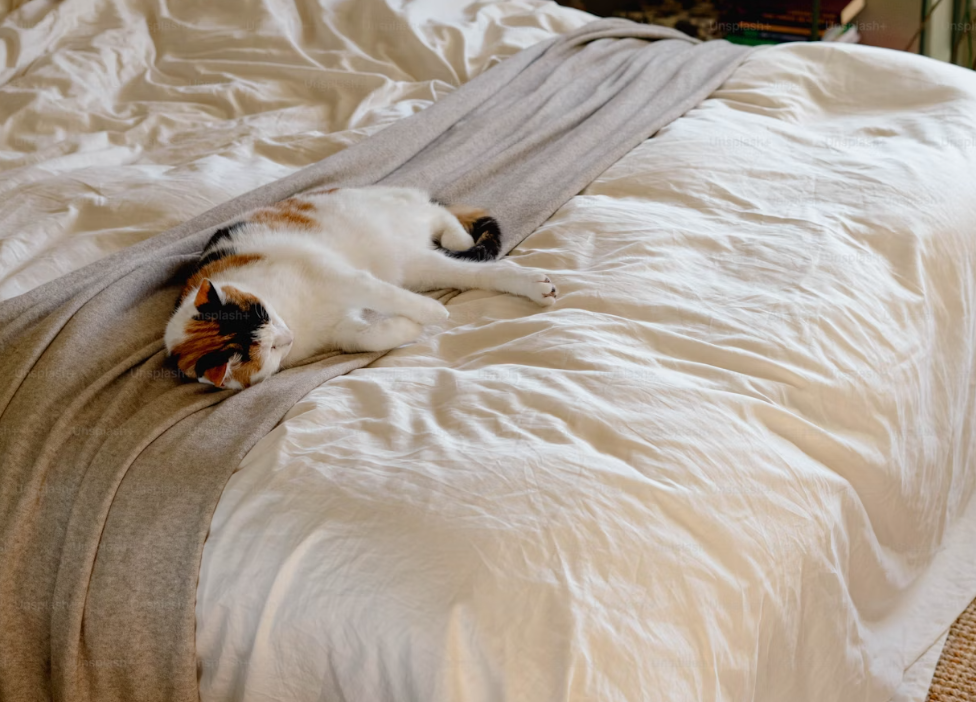
Stretching: Cats often stretch when they feel safe and content. A happy cat may stretch while lying on its side or back.
-
Rolling on Its Back: If your cat exposes its belly, it’s a sign of trust and comfort—but be cautious. Some cats may enjoy belly rubs, while others see it as vulnerable space.
6. Kneading Behavior
Kneading is when a cat presses its paws alternately against a soft surface. This behavior originates from kittenhood and is a classic sign of contentment:
-
Soft Kneading: Indicates your cat feels safe, happy, and relaxed.
-
Purring While Kneading: Reinforces that your cat is in a positive state.
7. Playfulness
A happy cat often demonstrates a playful attitude. Play signals include:
-
Chasing toys or light pouncing
-
Batting at objects without aggression
-
Zoomies or short bursts of running around the house
Playfulness is a strong indicator of mental and emotional well-being. Cats that are consistently disinterested in play may be stressed, unwell, or depressed.
8. Grooming and Cleanliness
Cats are meticulous groomers. A happy, healthy cat often:
-
Grooms itself regularly
-
Maintains a clean, shiny coat
-
May groom you or other cats as a sign of affection
Neglecting grooming or over-grooming can indicate stress, illness, or unhappiness.
Signs of a Stressed or Unhappy Cat
Understanding cat body language also means recognizing negative signals. Watch for:
-
Tail tucked or puffed-up
-
Flattened ears or sideways “airplane ears”
-
Hissing, growling, or swatting
-
Hiding or avoiding interaction
-
Dilated pupils with stiff body posture
Recognizing these signs allows you to intervene, reduce stressors, and help your cat feel safe again. Book an online session with an expert cat behaviorist for extra help and guidance,
How to Encourage a Happy Cat
Once you can read your cat’s body language, you can actively promote happiness:
-
Provide Safe Spaces: Cats feel happier when they have quiet, secure areas to retreat to.
-
Interactive Play: Engage your cat in daily play sessions using toys like wand teasers or laser pointers.
-
Affection on Their Terms: Let your cat initiate petting or cuddling. Respect boundaries to build trust.
-
Enrichment Activities: Scratching posts, climbing towers, and puzzle feeders stimulate their minds and bodies.
-
Routine Vet Care: Regular check-ups ensure your cat stays healthy and comfortable.
Reading cat body language is an essential skill for any cat owner. By paying attention to your cat’s tail, ears, eyes, vocalizations, posture, and behavior, you can tell if your feline friend is happy, comfortable, and healthy. Remember, each cat has its unique personality, so observing your cat over time is the best way to understand its moods.
A happy cat is a well-adjusted, contented companion. When you understand cat body language, you strengthen your bond, reduce stress for both of you, and create a loving, joyful home environment.
About Petworks
 In 2021, Dr. Marty Goldstein DVM joined the pet care platform Petworks as an advisor in its Animal Nutrition care division. Dr Marty Nature’s Blend is on a mission to help your pets live their healthiest lives possible. Dr. Marty’s pet nutrition expertise and guidance has helped Petworks evolve and become the preeminent animal and pet nutrition consultation service for pet parents in North America.
 In 2022, Blue Buffalo Founder Bill Bishop Jr. joined Petworks as Senior Advisor in our Animal Nutrition Care Division. Bill brings his extensive expertise in pet food innovation and business leadership. His guidance helps Petworks enhance our pet nutrition service offerings, helping to ensure that pet parents throughout the world receive trusted, science-backed nutritional support for their dogs, cats, and animals.
About The Author
 Petworks Co-Founder Kevin Kinyon is a life-long animal lover who works tirelessly to improve the lives of pets and their parents. Human and animal qualities he values most are integrity, humor, and empathy.

 petworks tm