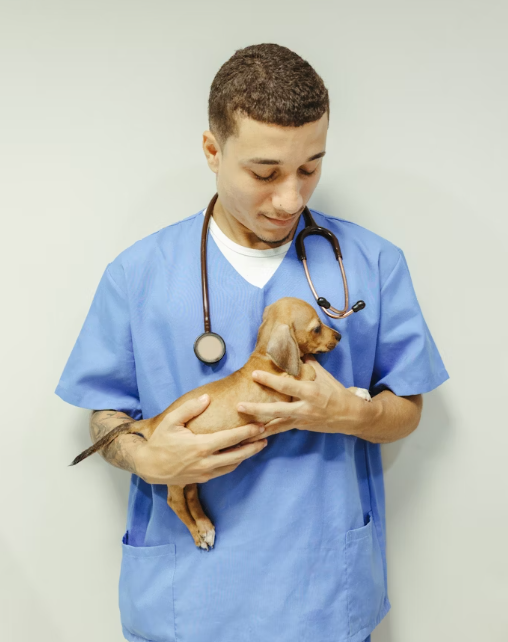
Taking your pet to the veterinarian can be a stressful experience for both pets and their owners. While you may see a routine check-up as a simple, quick visit, many pets experience significant anxiety when entering a clinic. From nervous pacing to shaking or hiding, signs of distress are common. Understanding how to calm an anxious pet during vet visits is crucial not only for your pet’s well-being but also for ensuring that veterinary care is effective and safe.
Why Pets Get Anxious at the Vet
Pets often associate vet visits with negative experiences such as vaccinations, blood draws, or being handled by strangers. For dogs, the smell of other animals and unfamiliar sounds in the clinic can trigger stress responses. Cats are especially sensitive, often feeling trapped in carriers and overwhelmed by the clinic environment. Even well-behaved pets at home may exhibit defensive behavior at the vet due to fear or anxiety. Recognizing the causes of pet anxiety is the first step toward alleviating it.
Things We’ll Discuss…
- anxious pets at vet
- calm pets during vet visits
- reducing pet stress at vet
- nervous pets
- veterinary visit anxiety
Prepare Ahead of Time
One of the most effective ways to reduce vet anxiety is preparation. Start by making the carrier or travel experience as comfortable as possible. Place soft bedding and familiar toys inside the carrier to create a safe, inviting space. Gradually acclimate your pet to the carrier at home by leaving the door open and allowing them to explore it on their own terms. Reward your pet with treats when they enter voluntarily, creating a positive association.
Planning the logistics of the visit can also reduce stress. If possible, schedule appointments during quieter clinic hours. Avoid long waits in crowded waiting rooms, which can intensify anxiety. If your clinic offers it, ask about separate dog and cat waiting areas or the option to wait in your car until it’s your turn.
Use Positive Reinforcement
Positive reinforcement can work wonders in calming an anxious pet. Bring your pet’s favorite treats and reward calm behavior throughout the visit. Praise and gentle petting help reassure pets that they are safe. Some pets respond well to calming scents, such as lavender, which can be introduced in a carrier or on a bandana. Always consult your veterinarian first to ensure any scent-based products are safe for your specific pet.
Consider Pre-Visit Exercises
Exercise can help expend nervous energy before a vet visit. A brisk walk for dogs or interactive play for cats can help lower anxiety levels. Tiring your pet out before the appointment often makes them more relaxed and cooperative during the examination. This is especially helpful for high-energy dogs who may become more reactive if pent-up energy is not released.
 “I’m here to tell you the results are nothing short of breathtaking… by removing or reducing an animal’s anxiety triggers and having plans in place to douse fear should it flare up, we are literally helping pets arrive at the veterinary hospital in a calm state and leave in a better emotional condition than when they arrived.” – Dr. Marty Becker, DVM
Comfort Items and Familiar Scents
Bringing items from home can make the veterinary environment feel less intimidating. A favorite blanket, toy, or article of clothing with your scent can provide comfort. Cats, in particular, often respond positively to familiar smells, which help reduce stress in the unfamiliar environment of a clinic. Dogs may find reassurance in a familiar toy or their own bed inside the carrier.
Techniques During the Visit
During the actual vet visit, gentle handling and a calm demeanor from the owner are crucial. Speak softly and avoid sudden movements. For nervous dogs, using a head halter or harness may provide more control while reducing stress. For cats, keep them wrapped in a towel or “kitty burrito” to help them feel secure. Let the veterinarian know if your pet is anxious, so they can adjust their handling techniques accordingly.
Some clinics offer pheromone sprays or diffusers designed to calm pets during visits. These products mimic natural calming signals and can significantly reduce stress. Always check with your vet before introducing any product to ensure it is safe and appropriate.

Are you finding this article useful? Would you like 100% free access to more articles like these, and free access to over 5,000 vetted pet care service professionals throughout the United States? Sign up here for a free Petworks account, and we’ll email you a 10% discount code, good towards your first pet care services booking on Petworks!
Consider Professional Support
For pets with severe anxiety, professional guidance may be necessary. Expert animal behaviorists can offer strategies for desensitization and counterconditioning, helping pets gradually become comfortable with the clinic environment. In some cases, veterinarians may recommend short-term anti-anxiety medication to help pets tolerate visits more comfortably. Never attempt medication on your own. Always seek professional advice.
Create Positive Post-Visit Associations
After the visit, reinforce positive experiences. Offer treats, praise, and playtime to reward your pet for their bravery. Over time, these positive associations can help reduce overall anxiety for future visits. Consistency is key; each calm visit strengthens the pet’s trust and comfort level with veterinary care.
Tips for Nervous Pets at Vets
-
Keep a calm attitude; pets mirror their owners’ emotions.
-
Avoid forcing pets out of the carrier; allow voluntary movement.
-
Use slow, gentle movements when approaching or handling your pet.
-
Plan short, frequent vet visits for routine check-ups to build familiarity.
-
Bring favorite treats and comfort items to every visit.
FAQ: Calming Anxious Pets During Vet Visits
Q1: Why does my pet get anxious at the vet?
Pets often associate veterinary visits with unfamiliar environments, handling, or past negative experiences such as shots or medical procedures. New smells, sounds, and other animals can also trigger stress.
Q2: How can I prepare my pet for a vet visit?
Acclimate your pet to their carrier, bring comfort items from home, schedule appointments during quieter hours, and use treats to create positive associations. Pre-visit exercise can also help reduce nervous energy.
Q3: Are there products that can help calm anxious pets?
Yes, pheromone sprays, diffusers, and calming bandanas can help reduce stress. Always check with your veterinarian before using any calming products to ensure safety for your pet.
Q4: What techniques can I use during the visit?
Speak softly, move slowly, use familiar toys or blankets, and allow your pet to remain in the carrier until ready. For cats, wrapping them in a towel (“kitty burrito”) can help, and for dogs, a gentle harness or head halter may reduce stress.
Q5: Should I consider medication for my anxious pet?
For severe anxiety, veterinarians may prescribe short-term anti-anxiety medication. This should always be done under professional guidance. Behavioral training and desensitization are often recommended alongside medication.
Q6: How can I help my pet have positive associations after the visit?
Reward calm behavior with treats, playtime, and praise. Repeated positive experiences can help your pet feel more comfortable with future veterinary visits.
The Keys to Helping Nervous Pets at Vets
Vet visits don’t have to be a source of stress for pets. By understanding the causes of anxiety, preparing in advance, and using positive reinforcement, owners can make these experiences much more comfortable. From pre-visit exercises to familiar comfort items and professional support if needed, there are multiple strategies to help calm an anxious pet during vet visits. Over time, these efforts can foster a pet that feels safe, secure, and cooperative, allowing veterinarians to provide the best care possible.
About Petworks
 In 2021, Dr. Marty Goldstein DVM joined the pet care platform Petworks as an advisor in its Animal Nutrition care division. Dr Marty Nature’s Blend is on a mission to help your pets live their healthiest lives possible. Dr. Marty’s pet nutrition expertise and guidance has helped Petworks evolve and become the preeminent animal and pet nutrition consultation service for pet parents in North America.
 In 2022, Blue Buffalo Founder Bill Bishop Jr. joined Petworks as Senior Advisor in our Animal Nutrition Care Division. Bill brings his extensive expertise in pet food innovation and business leadership. His guidance helps Petworks enhance our pet nutrition service offerings, helping to ensure that pet parents throughout the world receive trusted, science-backed nutritional support for their dogs, cats, and animals.
About The Author
 Petworks Co-Founder Kevin Kinyon is a life-long animal lover who works tirelessly to improve the lives of pets and their parents. Human and animal qualities he values most are integrity, humor, and empathy.

 petworks tm